Table of Contents
- How CBD and Prescription Medications Work Differently for Pain
- Efficacy: What the Research Shows About CBD vs. Prescription Pain Relief
- Safety Profiles and Side Effects: CBD Against Prescription Analgesics
- Addiction and Dependence: Opioid-Sparing Effects of Cannabis
- Cannabinoid Interactions with Prescription Drugs
- FDA Regulation of CBD Products and Prescription Standards
- Choosing Between CBD and Prescription Medication: A Practical Comparison
Last Updated: August 25, 2026
How CBD and Prescription Medications Work Differently for Pain
CBD and prescription medications operate through fundamentally different pharmacological pathways, explaining their distinct effects and side effect profiles.
Prescription opioids like morphine and oxycodone bind to opioid receptors in the central nervous system, blocking pain signals and triggering dopamine release (peer-reviewed research). This mechanism is powerful for acute pain but carries significant risks: tolerance develops, requiring higher doses over time, and reward pathway activation creates dependency potential.
CBD doesn’t bind to opioid receptors. Instead, it interacts with the endocannabinoid system, a signaling network regulating pain perception, inflammation, and immune response. CBD modulates serotonin receptors, enhances anandamide availability, and reduces inflammatory markers like TNF-alpha and IL-6, producing pain relief without addiction liability (peer-reviewed research).
NSAIDs like ibuprofen and naproxen inhibit cyclooxygenase enzymes, reducing prostaglandin production and inflammation. They’re effective for inflammatory pain but carry gastrointestinal and cardiovascular risks with prolonged use. Topical NSAIDs like Voltaren deliver medication directly to affected joints, minimizing systemic exposure.
The key distinction: opioids suppress pain signals; NSAIDs reduce inflammation; CBD modulates the endocannabinoid system and inflammatory response.
The mechanism matters because it determines which pain types respond best. Inflammatory pain (arthritis, tendonitis) often responds better to NSAIDs or CBD. Neuropathic pain (nerve damage) may respond better to certain prescription medications. Acute injury pain typically requires opioids for rapid relief; CBD alone is usually insufficient.
Efficacy: What the Research Shows About CBD vs. Prescription Pain Relief
Clinical evidence for CBD’s pain-relieving properties continues to accumulate, though prescription medications have decades of controlled trials behind them.
For chronic pain, many patients report meaningful relief from CBD, particularly for inflammatory or neuropathic conditions. CBD performs best for inflammatory pain like arthritis and worst for severe acute pain requiring rapid onset. Onset is slower than opioids (typically 30 minutes to 2 hours) but sustained relief without tolerance buildup appeals to patients seeking long-term management.
Prescription opioids demonstrate rapid, potent efficacy for acute pain, remaining the standard for post-surgical and severe injury pain. However, efficacy for chronic pain becomes complicated by tolerance development, with patients requiring escalating doses over months to years.
NSAIDs show strong efficacy for inflammatory pain but limited efficacy for neuropathic pain. Topical NSAIDs like Voltaren Arthritis Pain Gel provide localized relief without systemic side effects, making them particularly useful for joint pain affecting specific areas.
The practical reality: prescription medications offer faster, more potent relief for acute pain; CBD offers sustained relief for chronic inflammatory pain without tolerance; NSAIDs work well for inflammatory conditions.
Prescription opioids work faster and stronger for acute pain. CBD works better for chronic inflammatory pain without tolerance. NSAIDs bridge both categories for inflammatory conditions. Context determines which is appropriate.
Safety Profiles and Side Effects: CBD Against Prescription Analgesics
The safety comparison reveals why many patients are drawn to CBD despite less clinical data: the side effect burden differs dramatically.
Prescription opioids carry well-documented adverse events: constipation affects the majority of chronic users, respiratory depression poses serious risk at high doses, cognitive impairment is common, and nausea occurs frequently. Beyond acute side effects, opioids create physical and psychological dependence, with overdose risk contributing to the opioid crisis.
NSAIDs like ibuprofen and naproxen carry gastrointestinal risks with prolonged use, including ulcers, bleeding, and perforations, especially in older adults or those with prior GI disease. Cardiovascular risks increase with chronic use. Topical NSAIDs like Voltaren minimize systemic risks by delivering medication directly to affected areas, though skin irritation can occur.
CBD’s safety profile is notably different. The most common adverse events are mild: fatigue, diarrhea, and appetite changes. Serious adverse events are rare. However, CBD interacts with hepatic enzymes (particularly CYP3A4 and CYP2C19), meaning it can alter the metabolism of many prescription drugs, a significant drug-drug interaction risk often overlooked.

A critical safety distinction: opioids carry addiction and overdose risk; NSAIDs carry GI and cardiovascular risk; CBD carries drug interaction risk. Understanding your personal risk profile matters more than general statements.
CBD Health Collection products undergo independent third-party lab testing for purity and potency, addressing a major safety concern in the CBD market: unlabeled contaminants and inaccurate labeling. This testing transparency helps ensure you’re getting what the label claims.
Drug-drug interactions with CBD are underestimated. If you take any medication metabolized by CYP3A4 or CYP2C19 (statins, blood thinners, antiarrhythmics, immunosuppressants), consult your doctor before adding CBD. The interaction can increase medication levels to unsafe ranges or decrease efficacy.
Addiction and Dependence: Opioid-Sparing Effects of Cannabis
The addiction liability difference between CBD and prescription opioids represents one of the most significant distinctions when evaluating pain relief options.
Opioid dependence develops through changes in the brain’s reward circuitry and neural adaptation. Physical dependence can emerge within days of regular use, and psychological dependence follows as the brain associates opioid use with pain relief and reward. Withdrawal symptoms (anxiety, insomnia, body aches, sweating) occur when opioids are discontinued, creating a powerful incentive to continue use.
CBD does not produce this pattern of dependence. The endocannabinoid system doesn’t generate the same reward pathway activation as opioids. Users don’t develop tolerance requiring escalating doses, and discontinuation doesn’t produce withdrawal symptoms. managing chronic pain.
The opioid-sparing effect of cannabis refers to the potential for CBD to reduce opioid consumption in patients currently taking opioids. Some patients report that combining low-dose CBD with opioids allows them to reduce opioid doses while maintaining pain control. However, this requires careful management under medical supervision, particularly because CBD can alter opioid metabolism.
NSAIDs don’t produce addiction or dependence in the classical sense, though psychological dependence can develop if someone relies on them daily without addressing underlying causes.
For someone considering CBD vs prescription medication for pain relief specifically to avoid dependence risk, CBD presents a clear advantage.
If you’re on opioids and interested in CBD, don’t attempt this transition alone. Work with your prescribing doctor or a pain specialist. Proper tapering prevents rebound pain and withdrawal.
Cannabinoid Interactions with Prescription Drugs
One of the most underappreciated considerations when evaluating CBD vs prescription medication is how CBD interacts with other medications.
CBD is metabolized primarily through hepatic cytochrome P450 enzymes, particularly CYP3A4 and CYP2C19. When CBD is present, these enzymes may process other medications more slowly or more quickly, depending on the specific interaction. This can increase medication levels to potentially toxic ranges or decrease efficacy below therapeutic thresholds.
Common medications affected include:
- Blood thinners (warfarin, apixaban)
- Statins (atorvastatin, simvastatin)
- Antiarrhythmics (amiodarone)
- Immunosuppressants (tacrolimus, cyclosporine)
- Antiseizure medications (clobazam)
- Certain antidepressants and anxiety medications
The interaction risk is dose-dependent: higher CBD doses create greater enzyme inhibition. A 10 mg CBD dose may produce minimal interaction, while 500+ mg daily doses can significantly alter metabolism of co-administered drugs.
Prescription opioids and NSAIDs have their own drug-drug interactions through different mechanisms. Opioids are metabolized by CYP2D6 and CYP3A4, so CBD can increase opioid levels.
If you’re on any prescription medication, discuss CBD use with your pharmacist or doctor before starting. CBD Health Collection’s commitment to accurate labeling and third-party testing helps mitigate this risk by ensuring you’re getting the dose you think you’re getting, making interactions more predictable.
FDA Regulation of CBD Products and Prescription Standards
The regulatory landscape for CBD vs prescription medication creates a stark contrast in oversight and standardization.
Prescription medications undergo rigorous FDA approval: preclinical testing, clinical trials (Phase I, II, III), FDA review, and post-market surveillance. This process typically takes 10+ years and billions of dollars, resulting in standardized dosing, predictable quality, documented efficacy and safety, and ongoing monitoring.
CBD occupies a regulatory gray zone. The 2018 Farm Bill legalized hemp-derived CBD, but the FDA has not approved any CBD product for pain relief. CBD products are sold as dietary supplements or cosmetics, facing far less stringent oversight. Manufacturers don’t need to prove efficacy before marketing, and quality control is less rigorous.
A 2021 analysis found that roughly 26% of CBD products were mislabeled, containing significantly more or less CBD than claimed (peer-reviewed research). Some contained undisclosed THC or contaminants like heavy metals or pesticides. This variability makes dosing unpredictable and interactions harder to anticipate.
NSAIDs occupy a middle regulatory ground. Over-the-counter NSAIDs like ibuprofen are FDA-approved with established safety data. Prescription NSAIDs like Voltaren undergo the same rigorous approval process as other prescription drugs.
CBD Health Collection addresses this gap through independent third-party lab testing and GMP-registered facility production. Their products include QR codes linking to Certificates of Analysis (COA), allowing you to verify purity and potency. This transparency exceeds what the FDA currently requires for CBD products.
However, even high-quality CBD products still lack the clinical evidence base of prescription medications. This doesn’t mean CBD is ineffective, but efficacy is based on patient reports and observational data rather than controlled trials.
Choosing Between CBD and Prescription Medication: A Practical Comparison
Deciding between CBD and prescription medication for pain relief requires honest assessment of your pain type, medical history, current medications, and tolerance for uncertainty.
| Factor | CBD | Prescription Opioids | NSAIDs (Oral) | Topical NSAIDs |
|---|---|---|---|---|
| Onset time | 30 min-2 hours | 15-30 min | 30-60 min | 15-30 min |
| Duration | 4-8 hours | 4-12 hours | 6-8 hours | 4-6 hours |
| Addiction risk | None | High | None | None |
| GI side effects | Rare | Common | Common | Minimal |
| Drug interactions | Significant (CYP450) | Moderate | Moderate | Minimal |
| Efficacy for acute pain | Moderate | High | Moderate | Moderate |
| Efficacy for chronic pain | High | Moderate (tolerance) | High | Moderate |
| Regulatory oversight | Minimal | Maximal | High | High |
| Product quality certainty | Variable | High | High | High |
Choose CBD if:
- You have chronic inflammatory pain (arthritis, tendonitis, neuropathic pain)
- You’re concerned about opioid dependence or have addiction history
- You’re not on medications that interact with CYP450 enzymes
- You want to avoid GI or cardiovascular side effects
Choose prescription opioids if:
- You have acute, severe pain requiring rapid relief
- You’re in a post-surgical or acute injury situation
- Your pain is severe enough that other options have failed
- You can take them short-term under medical supervision
Choose NSAIDs if:
- You have inflammatory pain without GI disease history
- You need moderate pain relief without addiction concerns
- You want well-established efficacy and safety data
- Topical NSAIDs work for localized joint pain
Choose a combination approach if:
- You’re on opioids and want to reduce doses (with medical guidance)
- Your pain has both inflammatory and neuropathic components
There’s no universally best option. The best choice addresses your specific pain, fits your medical history, and aligns with your risk tolerance.
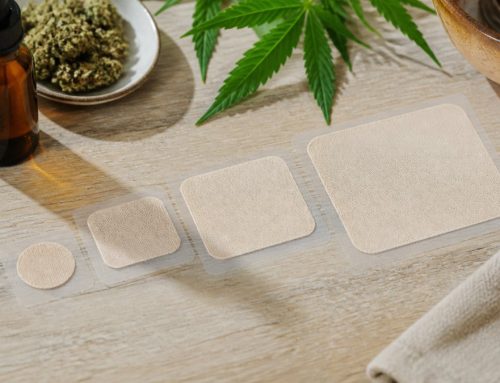
CBD Health Collection offers a starting point for CBD exploration with products specifically formulated for pain relief, including topical freeze gels, pain patches, and broad-spectrum oils. Their 30-day satisfaction guarantee removes financial risk from trying CBD, and their third-party testing ensures product quality.
However, if you’re on multiple medications, have liver disease, or need rapid acute pain relief, prescription medications remain the appropriate choice. Have this conversation with your healthcare provider.
CBD Health Collection products are best for individuals with chronic inflammatory pain, those concerned about opioid dependence, and health-conscious consumers prioritizing natural, independently verified options. Their topical freeze gel is particularly effective for localized joint and muscle pain. Their commitment to transparency and third-party testing makes them a reliable choice in a market plagued by quality inconsistency.
Choosing between CBD and prescription medication for pain relief depends on your specific pain type, medical history, and risk tolerance. Prescription medications offer faster relief and stronger clinical evidence but carry dependence and side effect risks. CBD offers sustained relief without addiction liability but requires careful product selection and drug interaction screening. Neither is universally superior; the best choice addresses your pain while fitting your personal health profile. If you’re exploring CBD options, CBD Health Collection’s organically grown, independently lab-tested products and 30-day satisfaction guarantee provide a low-risk entry point to evaluate whether CBD works for your pain management needs.
Frequently Asked Questions
Is CBD better for pain than Tylenol or ibuprofen?
CBD and over-the-counter pain relievers work through different mechanisms. Acetaminophen and ibuprofen provide rapid, well-established relief for acute pain and have decades of clinical data. CBD offers anti-inflammatory properties and may benefit chronic pain conditions, though clinical evidence for pain relief is still emerging. Neither is universally 'better', the right choice depends on your pain type, duration, and individual response. Discuss your specific situation with a healthcare provider.
Can CBD interact with my prescription pain medications?
Yes, CBD can interact with certain prescription medications, particularly those metabolized by hepatic enzymes (the CYP3A4 and CYP2C19 pathways). This includes some opioids, muscle relaxants, and anti-inflammatory drugs. CBD may increase or decrease medication levels in your bloodstream. Before combining CBD with any prescription pain medication, consult your doctor or pharmacist. They can assess your specific medications and recommend safe dosing or timing adjustments.
What does the FDA say about using CBD for pain management?
The FDA has not approved CBD as a treatment for pain. Currently, only one CBD-derived medication (Epidiolex) is FDA-approved, and only for specific seizure disorders. The agency regulates CBD products as dietary supplements or unapproved drugs depending on claims and marketing. This means CBD products lack the rigorous clinical validation required of prescription medications. Always verify third-party testing and consult healthcare providers before using CBD for pain, especially if you have existing conditions or take other medications.
Is CBD a safer alternative to opioids for chronic pain?
CBD does not carry the same addiction and overdose risks as prescription opioids, making it potentially safer in that respect. Opioid-sparing effects of cannabis are an active area of research, with some studies suggesting CBD may reduce opioid dependence. However, CBD is not a direct opioid replacement and may not provide equivalent pain relief for severe conditions. The decision to switch from opioids requires medical supervision to manage tapering safely and monitor pain control with alternative approaches.
This article was written using GrandRanker