
Table of Contents
- Understanding CBD Transdermal Patches and How They Work
- Common Side Effects of CBD Transdermal Patches
- CBD Patch Skin Reaction: Causes and Management
- How to Use CBD Transdermal Patches Safely
- CBD Patch Duration of Action and Bioavailability
- Drug Interactions and When to Consult a Healthcare Professional
- FDA Regulation of CBD Products and Safety Standards
- Minimizing Risks: Evidence-Based Safety Practices
- Frequently Asked Questions
Last Updated: October 2, 2026
Understanding CBD Transdermal Patches and How They Work
CBD transdermal patches deliver cannabidiol through the skin via a delivery system designed to release the compound gradually over time, and understanding CBD transdermal patches side effects is essential before use.
The patch itself contains a reservoir of CBD suspended in a carrier medium, separated from the skin by a rate-controlling membrane.
Understanding how transdermal delivery works is essential before using these products, because the mechanism itself creates specific risks.
Common Side Effects of CBD Transdermal Patches
CBD transdermal patches can cause two types of side effects: localized skin reactions at the application site, and systemic effects from absorbed CBD. Most users experience minimal issues, but recognizing potential adverse events helps you respond appropriately.
Localized skin reactions at the application site
Contact dermatitis, an inflammatory reaction to the patch adhesive or formulation, appears as redness, itching, or rash within hours or days of application. Some users report mild burning that subsides within 10-15 minutes as skin acclimates to the occlusive environment.
Skin irritation ranges from mild redness to pronounced inflammation persisting after removal. The adhesive is often the culprit, as the occlusive seal traps moisture and heat. Those with sensitive skin or adhesive allergies face higher risk.
Systemic effects from transdermal absorption
Once CBD enters your bloodstream, systemic effects can occur throughout your body: drowsiness, fatigue, appetite suppression, dry mouth, or mild headaches. Because patches deliver CBD continuously, systemic effects persist longer than with other delivery methods.
Systemic absorption depends on patch potency, wear duration, skin condition, and individual metabolism. CBD can influence sleep, mood, and appetite regulation. These effects are typically mild and reversible upon removal.
CBD transdermal patches create two distinct types of side effects: localized skin reactions at the patch site (redness, itching, irritation) and systemic effects from the CBD absorbed into the bloodstream (drowsiness, appetite changes, fatigue).
CBD Patch Skin Reaction: Causes and Management
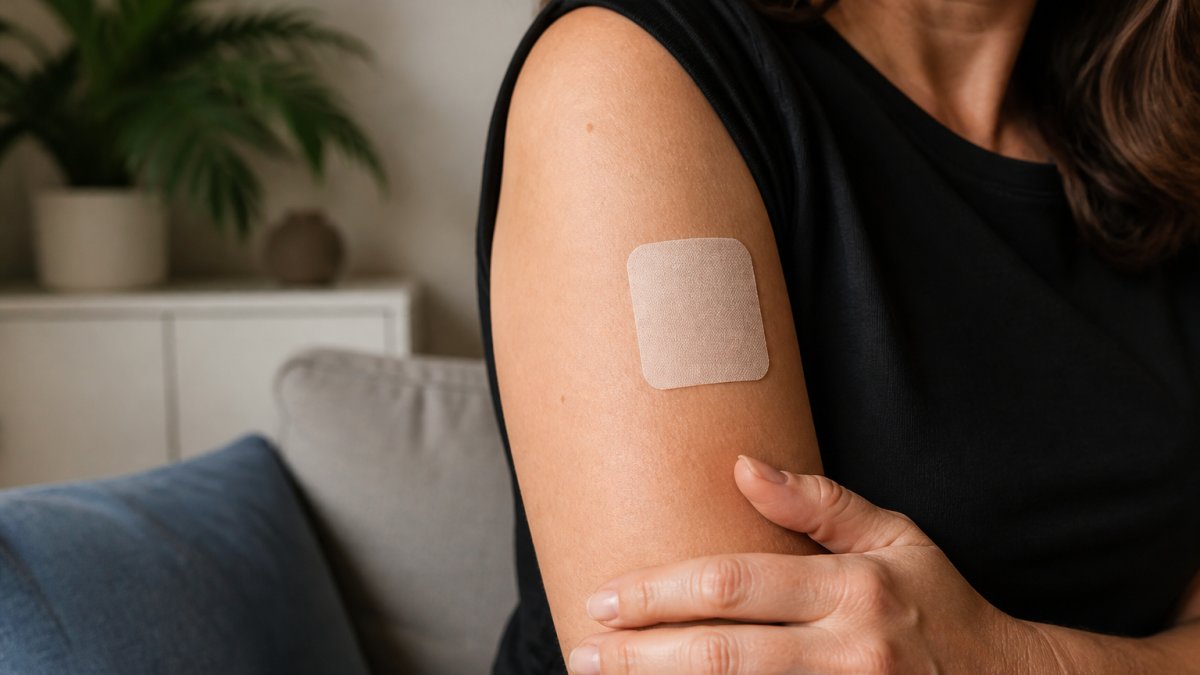
Skin reactions to CBD patches are the most commonly reported adverse event, and understanding their causes is the first step toward prevention and treatment.
Contact dermatitis and adhesive allergies
Contact dermatitis occurs when skin reacts to the patch adhesive rather than the CBD itself. Patch adhesives contain acrylates or synthetic compounds for waterproof bonding.
The occlusive seal creates a warm, moist environment that increases skin permeability, allowing allergens to penetrate deeply. Symptoms appear within 24-48 hours: intense itching, raised rash, blistering, or weeping skin.
Some users react to carrier oils or inactive ingredients rather than adhesive. Test a small patch on a less visible area first to identify sensitivity to a specific formulation.
Preventing and treating application site irritation
Prevention is most effective. Cleanse skin with mild soap and water, then dry thoroughly, damp skin increases irritation risk. Apply to clean, intact skin free of cuts or rashes. Rotate sites; never reapply to the same location within 7 days.
For mild redness or itching, remove the patch, wash gently with cool water, and apply fragrance-free moisturizer or 1% hydrocortisone cream. For severe reactions, blistering, or spreading rash, discontinue use and consult a healthcare provider. Switching brands may resolve adhesive-specific issues.
If you develop signs of an allergic reaction (swelling, difficulty breathing, widespread rash), remove the patch immediately and seek emergency care. This is rare but requires urgent attention.
How to Use CBD Transdermal Patches Safely
Safe use of CBD patches requires attention to application technique, dosage titration, and monitoring for adverse effects.
Proper application and dosage titration
Start with the lowest patch strength. Transdermal delivery differs from oral CBD: patches deliver continuously over 24-72 hours, so cumulative dose builds gradually. Jumping to higher strength without assessing response increases unwanted systemic effects.
Apply to clean, dry skin on the inner arm, behind the ear, or torso, areas with thinner skin for better absorption. Press firmly for 10 seconds. Avoid cuts, rashes, sunburns, or excessive hair. Do not apply heat, as it accelerates absorption and causes unpredictable spikes.
Wear your first patch for 24-48 hours, then assess your response. Track systemic effects (drowsiness, appetite changes, mood shifts) and localized reactions (irritation, redness). Increase strength only if well tolerated. This prevents overshooting your therapeutic window.
Duration and frequency of patch use
Most patches are designed for 24-hour or 72-hour wear. Follow manufacturer instructions, early removal or extended wear changes your CBD dose. Some users develop better tolerance using patches intermittently (3-4 days per week) to allow skin recovery.
For ongoing use, consistency matters more than continuous wear. A schedule like Monday, Wednesday, Friday, or 5 days on/2 days off maintains benefit while reducing cumulative skin exposure and adhesive-related reactions.
Rotate application sites in a planned pattern, keep a log of where and when you applied each patch. This prevents repeated applications to the same area and helps you identify which sites cause the most irritation.
CBD Patch Duration of Action and Bioavailability
The duration of action for a CBD transdermal patch typically ranges from 24 to 72 hours, depending on the patch formulation and your individual skin characteristics.
Onset of effects is slower with patches than with smoking or vaping CBD, but faster than with edibles.
The extended duration of transdermal delivery is both an advantage and a consideration for CBD transdermal patches side effects.
Drug Interactions and When to Consult a Healthcare Professional
CBD interacts with a critical system in your liver called the cytochrome P450 enzyme complex, which metabolizes many prescription medications (pubmed.ncbi.nlm.nih.gov). When you use a CBD patch, the cannabinoid can inhibit these enzymes, potentially raising blood levels of drugs that depend on P450 metabolism. This interaction is particularly important if you take blood thinners, anti-seizure medications, or certain psychiatric drugs.
Cytochrome P450 enzyme interactions
The P450 enzyme system is responsible for breaking down a large percentage of medications in clinical use. CBD inhibits specific P450 enzymes, particularly CYP3A4 and CYP2C19, which means drugs metabolized by these enzymes may accumulate to higher levels in your blood.
Medications most at risk include warfarin and other anticoagulants, certain beta-blockers, statins, and some antidepressants. If you take any of these drugs, using a CBD patch without medical guidance is risky.
Blood thinning and medication contraindications
CBD has mild anticoagulant properties, meaning it can slightly reduce blood clotting. This is generally not a concern for healthy individuals, but it becomes important if you already take blood thinners or have a bleeding disorder.
Certain other medications are contraindicated with CBD due to overlapping metabolic pathways or pharmacological effects. Sedating medications (benzodiazepines, opioids, some antidepressants) can have their effects amplified when combined with CBD, potentially causing dangerous drowsiness or respiratory depression.
FDA Regulation of CBD Products and Safety Standards
The FDA has not approved CBD as a medication for any indication, though the agency recognizes the potential therapeutic value of cannabinoids (the FDA). Currently, CBD products exist in a regulatory gray area: they cannot be marketed as drugs or dietary supplements with disease claims, but they are available for sale as “hemp-derived products” under the 2018 Farm Bill.
This regulatory status means that CBD products, including transdermal patches, are not subject to the same manufacturing and safety standards as FDA-approved drugs. However, reputable manufacturers voluntarily follow Good Manufacturing Practice (GMP) standards and conduct third-party testing to verify purity and potency.
When selecting a CBD patch, look for evidence of third-party testing and a Certificate of Analysis (COA) from an independent laboratory. This document shows the actual cannabinoid content, terpene profile, and screening results for pesticides, heavy metals, and microbial contaminants.
Minimizing Risks: Evidence-Based Safety Practices
Safe use of CBD transdermal patches comes down to informed decisions and careful monitoring. Start with a low dose from a reputable manufacturer that provides third-party testing and transparency about ingredients. Apply patches to clean, dry skin and rotate application sites to prevent cumulative irritation.
If you have any medical conditions, take medications, or are pregnant or nursing, consult a healthcare provider before using CBD patches.
Most users tolerate CBD patches well when used correctly. The side effects that do occur are typically mild and reversible.
Using a CBD transdermal patch safely requires understanding both the localized skin reactions and systemic effects that can occur. If you’re considering CBD patches for chronic pain or stress management, start with a quality product from a manufacturer that prioritizes transparency and third-party testing. CBD Health Collection offers independently verified CBD patches made from organically grown, USA-sourced hemp and processed in a GMP- and FDA-registered facility, backed by a 30-day satisfaction guarantee. Choose a brand you can trust, apply patches correctly, and monitor your response carefully.
Frequently Asked Questions
What is the most common side effect of CBD transdermal patches?
Skin irritation at the application site is the most frequently reported side effect of CBD transdermal patches. This can range from mild redness and itching to contact dermatitis caused by the patch adhesive or the CBD formulation itself. Most skin reactions resolve within hours to days after removing the patch. Rotating application sites and allowing skin to rest between uses reduces irritation risk significantly.
Can CBD transdermal patches cause systemic side effects like drowsiness or appetite changes?
Yes, CBD transdermal patches deliver cannabinoids into systemic circulation through the skin barrier, which can produce whole-body effects. Some users report drowsiness, fatigue, appetite suppression, or dry mouth, similar to oral CBD. These effects are generally mild and well-tolerated, but they vary by individual sensitivity, dosage, and bioavailability of the specific patch formulation.
How long does it take for a CBD transdermal patch to produce effects?
CBD transdermal patches typically begin working within 30 minutes to 2 hours of application, as the cannabinoids penetrate the skin barrier and enter systemic circulation. Peak effects usually occur within 4-8 hours. The duration of action typically lasts 24-48 hours depending on patch potency, individual metabolism, and skin permeability. This extended duration makes patches convenient for consistent therapeutic coverage.
Should I consult a healthcare professional before using CBD transdermal patches?
Yes, consulting a healthcare provider is important, especially if you take medications metabolized by cytochrome P450 enzymes (common blood pressure, cholesterol, and seizure medications) or blood thinners. CBD can inhibit these enzymes, potentially increasing medication levels in your bloodstream. A qualified professional can assess your individual health status, current medications, and whether transdermal CBD is appropriate for your situation.