Table of Contents
- How CBD Works for Chronic Pain and Inflammation
- CBD vs THC for Pain: What You Need to Know
- CBD Dosage for Chronic Pain: Finding Your Right Amount
- Best CBD Products for Chronic Pain and Inflammation
- How to Use CBD Topicals for Joint Pain
- What to Look for in Third-Party Lab Reports
- Safety, Side Effects, and Drug Interactions
- Conclusion
Last Updated: August 20, 2026
How CBD Works for Chronic Pain and Inflammation
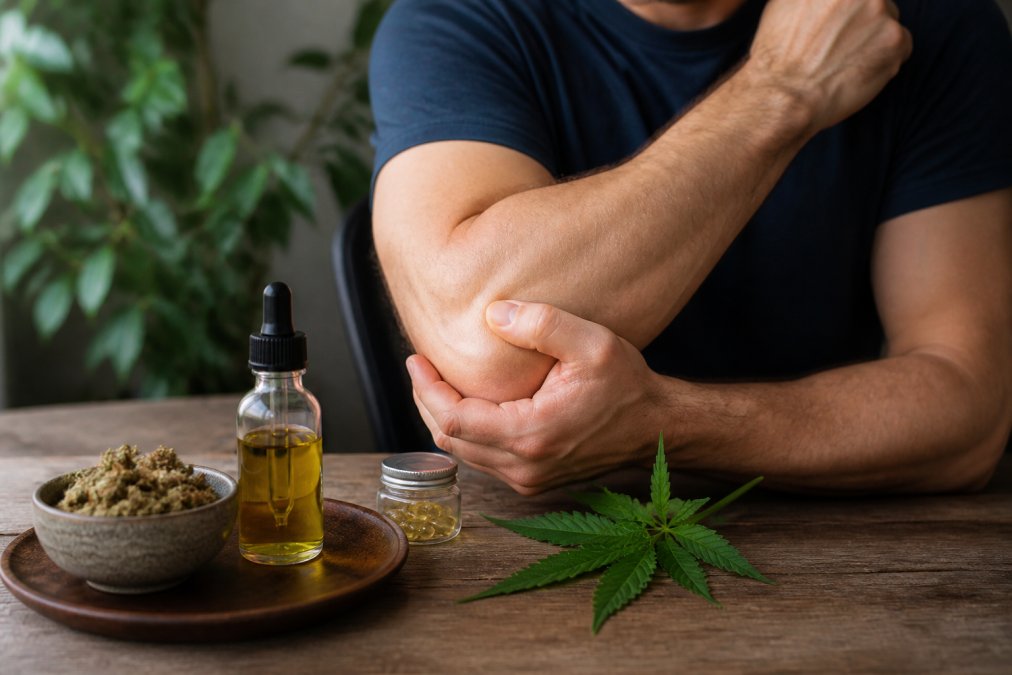
Cannabidiol, or CBD, interacts with your body’s endocannabinoid system to reduce pain signals and calm inflammatory responses. This system regulates pain perception, immune function, and inflammation throughout your body. Unlike THC, CBD doesn’t directly bind to cannabinoid receptors. Instead, it influences serotonin receptors, vanilloid receptors, and other pain-related pathways that reduce how your nervous system processes pain.
CBD’s anti-inflammatory properties work by suppressing cytokine production, the molecules that trigger inflammatory cascades. For chronic pain sufferers, this means relief that addresses root causes rather than just masking symptoms. Research shows patients experience reduced joint stiffness, decreased muscle soreness, and improved mobility.
CBD Health Collection was founded by Rick Bauer, a pharmaceutical industry veteran who brought scientific rigor to product development. Their approach focuses on optimizing bioavailability, how much CBD your body actually absorbs and uses, rather than just selling high potency numbers.
Many chronic pain patients find that consistent daily dosing produces better results than occasional use. Your body’s endocannabinoid system responds to regular signaling, similar to how exercise builds fitness over time.
CBD vs THC for Pain: What You Need to Know
CBD and THC both interact with your endocannabinoid system, but they produce fundamentally different effects. THC is psychoactive and binds directly to CB1 receptors in your brain, creating intoxication. CBD is non-psychoactive and works through indirect mechanisms that don’t produce impairment.
For chronic pain, THC provides faster acute relief but comes with cognitive side effects and potential dependency concerns. CBD offers sustained anti-inflammatory and analgesic effects without impairment, making it suitable for daily use without affecting work, driving, or mental clarity.
CBD derived from hemp (containing less than 0.3% THC) is legal nationwide under the 2018 Farm Bill, while THC remains federally controlled. This legal clarity has enabled companies like CBD Health Collection to operate openly and focus entirely on CBD products.
Full-spectrum CBD products contain trace amounts of THC along with other cannabinoids and terpenes, creating an "entourage effect" that may enhance pain relief. Broad-spectrum products remove most THC while retaining other cannabinoids. Isolate products contain pure CBD only, useful for those wanting zero THC exposure.
For chronic pain management, many practitioners prefer full-spectrum or broad-spectrum formulations because additional compounds appear to support pain relief more effectively than CBD alone. However, if you face drug testing or THC sensitivity concerns, isolate options work well, though they typically require higher doses.
Choose full-spectrum or broad-spectrum for chronic pain unless drug testing or THC sensitivity is a concern. Isolate works but typically requires higher doses to achieve the same relief.
CBD Dosage for Chronic Pain: Finding Your Right Amount
There’s no universal "correct" dose for chronic pain because individual response varies based on body weight, pain severity, metabolism, and product bioavailability. Finding your optimal dose, called titration, means starting low and gradually increasing until you feel relief.
Most chronic pain patients start with 10-20mg daily, taken in one or two doses. After one week, assess your results. If you notice improvement in pain levels, stiffness, or sleep quality, maintain that dose. If you see minimal change, increase by 5-10mg and wait another week.
Topical products work differently than systemic ones. A topical cream or freeze gel applied to a specific joint might provide localized relief within 15-30 minutes without requiring the same dosing precision. Many users combine systemic CBD (oil, capsule) for overall inflammation management with topical application for acute joint or muscle pain.
Most people underestimate how much CBD they need. A 2,000mg bottle provides only 33 days of 60mg daily dosing. Cost-per-milligram analysis reveals that higher-potency products often deliver better value than lower-potency options for chronic conditions requiring consistent daily use.
CBD Health Collection’s water-based formulation optimizes bioavailability, meaning you may need less total CBD to achieve the same effect as standard oil-based products.
Avoid jumping to very high doses (200mg+) immediately. Consistency and patience with titration produce better long-term results than high doses.
Best CBD Products for Chronic Pain and Inflammation
CBD Health Collection represents a strong choice for chronic pain management because it combines pharmaceutical-grade quality with transparent sourcing and independent verification. The company’s entire product line, oils, topicals, gummies, and soft gels, shares the same commitment to organically grown, USA-sourced hemp, clean CO2 extraction, GMP-certified manufacturing, and third-party lab testing.
What distinguishes CBD Health Collection is the water-based formulation technology that improves bioavailability. Standard CBD oils use coconut or MCT oil as carriers, which limits absorption. Water-based delivery means your body absorbs more active CBD per dose, translating to faster results and better value.
The company’s 30-day satisfaction guarantee removes purchase risk. If you don’t experience meaningful relief within a month, you get your money back, no questions asked.
CBD Health Collection Oils and Topicals
CBD Health Collection’s oil tinctures come in multiple potencies, allowing precise dosing for chronic pain. The water-based formulation means faster absorption compared to standard oils.
Their topical freeze gel targets localized joint and muscle pain directly. Customers report significant relief from arthritis, tennis elbow, and post-workout soreness within 15-30 minutes of application. The freeze gel combines CBD with cooling sensations that many chronic pain patients find immediately soothing.
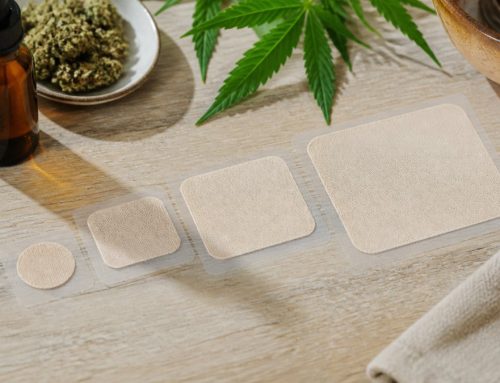
The pain patches offer transdermal absorption throughout the day without measuring doses or reapplying topicals. For chronic pain management, consistency of delivery matters significantly.
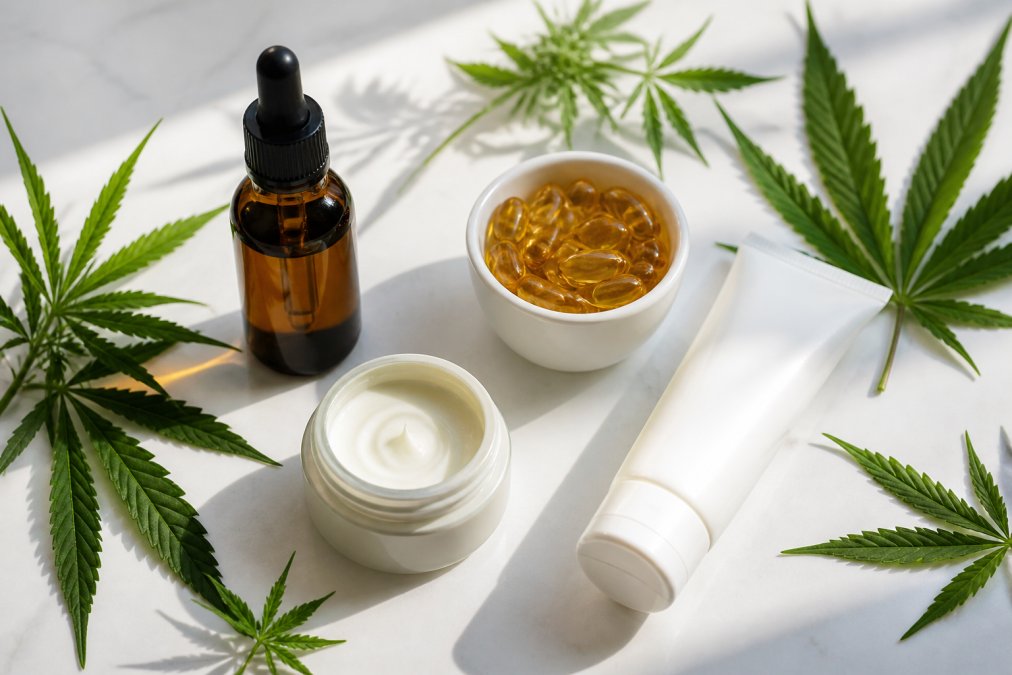
The soft gels provide convenience for those who dislike the taste of oil or prefer pre-measured doses. Each soft gel contains a consistent amount of CBD, eliminating guesswork.
Full-Spectrum and Broad-Spectrum Alternatives
+PlusCBD Oil Relief Softgels combine CBD with CBDA and Levagen+ (palmitoylethanolamide), a compound that supports pain relief and recovery. The softgel format makes dosing consistent and convenient, though fixed dosing limits titration flexibility.
Lazarus Naturals High Potency CBD Tincture offers excellent value through high potency (up to 50mg CBD per milliliter) at competitive pricing. Their full-spectrum formula includes entourage effect benefits and USDA Certified Organic options. The main drawback: unflavored oil has a strong earthy taste.
Receptra Naturals Serious Relief 33 + Turmeric Tincture combines CBD with turmeric for dual anti-inflammatory benefits. The 33mg CBD per serving is moderate potency, suitable for mild to moderate pain. The tradeoff: moderate potency means higher volume needed for severe chronic pain. chiropractic for back pain.
cbdMD Full Spectrum CBD Oil Tincture provides reliable full-spectrum CBD with multiple flavor options and potencies. The main limitation: standard oil-based formulation means lower bioavailability than water-based alternatives.
CBDistillery CBDol Relief Stick offers convenient, mess-free topical application through a roll-on format. The 500mg broad-spectrum CBD works well for localized joint pain, though limited potency means it works best for mild to moderate localized pain.
Medterra Pain Relief Cream combines CBD isolate with menthol and arnica for targeted relief. The cooling effect provides immediate sensory relief while CBD works on inflammation. The isolate formulation means no entourage effect benefits.
Cornbread Hemp Distilled CBD Oil emphasizes organic certification and pleasant taste, making daily dosing more palatable than unflavored oils. Their full-spectrum formula provides entourage effect benefits. USDA organic certification adds cost.
How to Use CBD Topicals for Joint Pain
Topical CBD products work by penetrating skin layers to reach underlying joints and muscles without entering the bloodstream. This localized action means faster onset, typically 15-30 minutes, compared to systemic products.
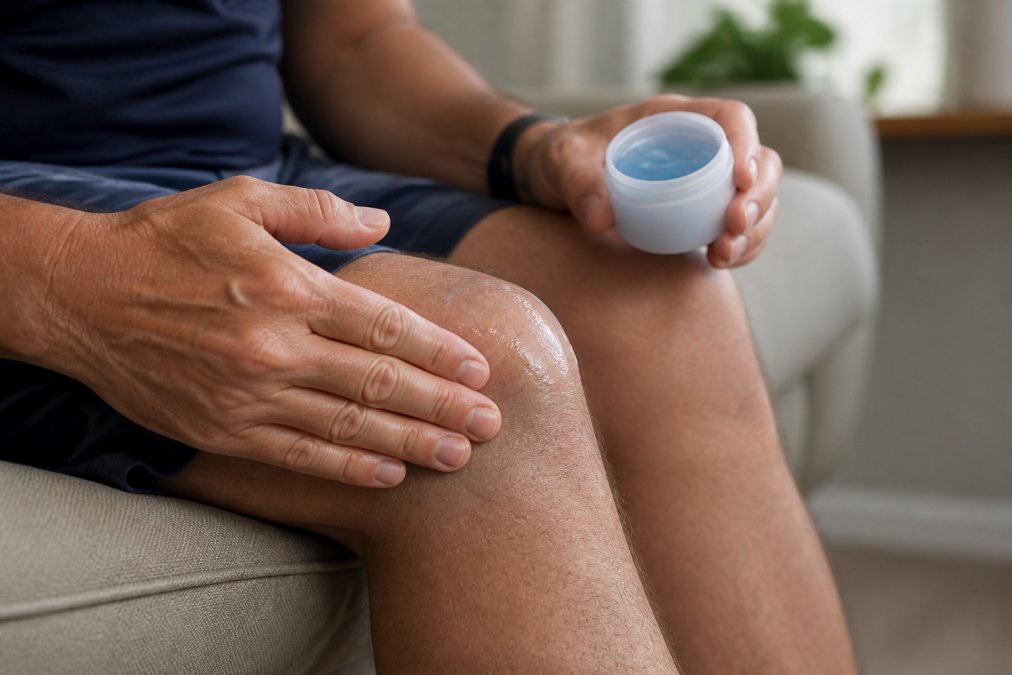
For joint pain, clean the area first to remove oils and dirt that might block absorption. Apply a generous amount of cream or gel directly to the affected joint and massage gently for 1-2 minutes. Most people notice initial cooling or warming sensations within minutes, followed by pain reduction over the next 15-30 minutes.
Freeze gels work particularly well for acute joint pain because the cooling sensation provides immediate relief while CBD addresses inflammation. Many chronic pain patients use freeze gel for sudden flare-ups and reserve oils for baseline daily inflammation management.
Most topicals last 4-6 hours, so applying twice daily (morning and evening) or three times daily is typical for chronic joint pain. Some people find that applying before bed helps them sleep through the night without stiffness.
Apply topicals right after showering when skin is clean and slightly damp. Moisture helps CBD penetration. Avoid applying over broken skin or open wounds.
What to Look for in Third-Party Lab Reports
A Certificate of Analysis (COA) from an independent third-party lab verifies that what’s in the bottle matches the label and contains no harmful contaminants. Every reputable CBD company should provide a COA for each batch, accessible through their website or by request.
The report shows:
- Cannabinoid profile: Exact amounts of CBD, THC, and other cannabinoids present. Verify that CBD content matches the label claim (within 10% variance is acceptable).
- Pesticide screening: Confirmation that no pesticides exceed legal limits.
- Heavy metals testing: Verification that lead, cadmium, arsenic, and mercury are absent or below safe thresholds.
- Microbial testing: Confirmation of no harmful bacteria, mold, or fungi.
- Solvent residues: Verification that no extraction solvents remain in the final product.
Accredited labs like ANAB (American National Accreditation Board) certified facilities provide more reliable results than unaccredited labs. Look for the lab’s accreditation status on the COA itself.
CBD Health Collection publishes third-party lab reports for transparency, allowing customers to verify quality before purchase. Note the testing date, a report from six months ago may not reflect current batch quality. Reputable companies test each batch and update reports regularly.
The certificate should list the lab’s contact information and accreditation status. You can verify legitimacy by contacting the lab directly if you have concerns.
Avoid companies that claim “lab tested” without providing actual COAs. Vague claims about testing without documentation are meaningless.
Safety, Side Effects, and Drug Interactions
CBD is generally well-tolerated, but it’s not risk-free, and it can interact with medications you’re already taking. Common side effects include drowsiness, dry mouth, reduced appetite, and diarrhea. These effects are typically mild and diminish with consistent use.
More significant concerns involve drug interactions. CBD inhibits cytochrome P450 enzymes in your liver, the same enzymes that metabolize many medications. This means CBD can increase blood levels of drugs like blood thinners, heart medications, immunosuppressants, and certain seizure medications. If you take prescription medications, consult your healthcare provider before starting CBD.
The interaction risk increases with higher CBD doses. Moderate doses (20-60mg daily) present lower interaction risk than very high doses (200mg+). Starting with lower doses and titrating gradually reduces the likelihood of encountering problems.
Pregnancy and breastfeeding represent situations where you should avoid CBD entirely. Limited research exists on CBD’s effects on fetal development or breast milk transfer. Similarly, if you have liver disease or are scheduled for surgery, discuss CBD use with your healthcare provider first.
For most healthy adults without medication interactions, CBD presents a favorable safety profile compared to pharmaceutical pain medications. It’s non-addictive, doesn’t cause overdose, and produces no withdrawal symptoms when discontinued.
CBD is safe for most people, but drug interactions and specific health conditions require professional consultation. Start low, increase gradually, and inform your doctor about CBD use if you take any medications.
Finding the best CBD for chronic pain and inflammation requires matching product type to your specific pain pattern. If your pain is localized to specific joints, topical products from CBD Health Collection provide fast, targeted relief. If inflammation affects multiple areas or you need consistent baseline management, their oils or soft gels work better.
The company’s water-based formulation technology means you may need less total CBD to achieve results compared to standard oil-based competitors. Combined with their 30-day satisfaction guarantee, organically grown sourcing, and independent third-party lab verification, CBD Health Collection eliminates some of the guesswork from CBD selection. Start with a lower potency, titrate gradually over 2-3 weeks, and assess your results before deciding whether to increase dosage or try a different product format. Most chronic pain patients find their optimal solution within the first month.
Frequently Asked Questions
Can CBD help with chronic inflammation?
CBD interacts with the endocannabinoid system to support the body's anti-inflammatory response. While research is ongoing, many users report that CBD helps reduce swelling and discomfort associated with chronic inflammation. The effectiveness varies based on individual factors like dosage, product type, and the source of inflammation. Third-party testing ensures you're getting a pure product with the CBD potency stated on the label.
What is the best CBD dosage for chronic pain?
CBD dosage for chronic pain typically ranges from 10-50mg daily, though some people require higher amounts. Start with a lower dose and gradually increase it over one to two weeks, a process called titration, to find your optimal amount. Factors like body weight, pain severity, and product type affect the right dose for you. Keep a pain journal to track which dosage works best, and consult a healthcare provider for personalized guidance.
Is CBD FDA-approved for chronic pain management?
The FDA has not approved CBD as a treatment for chronic pain. However, the FDA recognizes CBD's potential therapeutic benefits and has approved one CBD-derived medication (Epidiolex) for specific seizure disorders. CBD remains federally legal under the 2018 Farm Bill when derived from hemp and containing less than 0.3% THC. Always consult your doctor before using CBD, especially if you take other medications.
How long does it take for CBD to work for inflammation?
Topical CBD products often provide relief within 15-30 minutes when applied directly to affected joints or muscles. Oral CBD products like oils and gummies typically take 30 minutes to 2 hours to take effect, though some users notice benefits after consistent use over one to two weeks. Individual response times vary based on bioavailability, metabolism, and the severity of inflammation. Keeping a log helps you identify patterns in how quickly CBD works for your specific condition.
This article was written using GrandRanker