Table of Contents
- What Is CBD Oil and How Does It Work for Chronic Pain Relief?
- Potential Benefits of CBD Oil for Chronic Pain Conditions
- Full Spectrum vs. Isolate CBD for Pain: Which Works Better?
- CBD Dosage for Chronic Pain: Protocols by Pain Type
- How to Use CBD Oil for Pain: Step-by-Step
- CBD Oil Side Effects, Safety, and Drug Interactions
- How to Choose a Quality CBD Product: Reading a COA
- Conclusion
Last Updated: June 3, 2026
Chronic pain affects a substantial portion of the global population, and the search for effective, non-opioid management strategies has never been more urgent. CBD oil for chronic pain relief has moved from fringe wellness territory into serious clinical conversation, with researchers, physicians, and patients examining cannabidiol as a viable analgesic option. This guide from CBD Health Collection breaks down exactly what the science says, how to dose intelligently, and how to avoid the most common mistakes people make when starting a CBD protocol. Below, we cover everything from how cannabidiol interacts with your endocannabinoid system to how to read a third-party lab report like a professional.
Here’s what most guides get wrong: they treat CBD as a one-size-fits-all supplement. The reality is that the right product type, dose, and delivery method depend heavily on your specific pain condition, body weight, and medication history.
What Is CBD Oil and How Does It Work for Chronic Pain Relief?
Cannabidiol (CBD) is a non-psychoactive compound derived from the hemp plant that interacts with the body’s endocannabinoid system to modulate pain signaling, inflammation, and neurological function. Unlike tetrahydrocannabinol (THC), the primary psychoactive constituent of cannabis, CBD does not produce intoxication. Hemp-derived CBD products containing less than 0.3% THC are federally legal under the 2018 Farm Bill, though state regulations vary.
CBD oil is typically produced by extracting cannabidiol from organically grown hemp using CO2 extraction, then suspending the concentrate in a carrier oil such as MCT, hemp seed, or olive oil. The carrier oil matters for bioavailability: fat-soluble cannabinoids absorb more efficiently when paired with medium-chain triglycerides.
How CBD Interacts with the Endocannabinoid System
The endocannabinoid system (ECS) is a cell-signaling network present throughout the human body, comprising receptors (CB1 and CB2), endogenous cannabinoids, and metabolic enzymes. CB1 receptors concentrate heavily in the central nervous system; CB2 receptors dominate peripheral tissues, particularly immune cells.
CBD does not bind directly to either receptor with high affinity. Instead, it modulates receptor activity indirectly, inhibits the enzyme that breaks down anandamide (an endogenous pain-modulating cannabinoid), and interacts with transient receptor potential (TRP) channels involved in nociception. This multi-target mechanism is one reason CBD shows analgesic and anti-inflammatory properties across different pain types.
Cytokines, the signaling proteins that drive inflammatory cascades, are also suppressed by cannabidiol activity. Reducing oxidative stress and cytokine production simultaneously creates conditions where chronic inflammation has less fuel to sustain itself.
CBD vs. THC: Key Differences for Pain Management
The practical difference between CBD and THC for pain management comes down to mechanism, legality, and side-effect profile.
| Feature | CBD | THC |
|---|---|---|
| Psychoactive | No | Yes |
| Federal legal status | Legal (hemp-derived) | Controlled substance |
| Primary receptor action | Indirect ECS modulation | Direct CB1 agonist |
| Pain mechanism | Anti-inflammatory, TRP channels | Central pain suppression |
| Drug test risk | Low (trace amounts) | High |
| Best pain type | Inflammatory, neuropathic | Severe acute, cancer pain |
THC produces stronger immediate analgesic effects via direct CB1 activation but carries intoxication, dependency potential, and legal complications. For most people managing chronic inflammatory or neuropathic pain in daily life, CBD’s cleaner profile is the more practical starting point.
If you’re subject to workplace drug testing, opt for a broad-spectrum or CBD isolate product. Full-spectrum products contain trace THC that can accumulate with daily use and potentially trigger a positive result.
Potential Benefits of CBD Oil for Chronic Pain Conditions
The therapeutic potential of cannabidiol spans several chronic pain categories, but the mistake most guides make is treating all chronic pain as a single condition. Neuropathic pain, inflammatory arthritis, fibromyalgia, and post-surgical pain involve distinct mechanisms, and CBD’s evidence profile looks meaningfully different across each of them. Below is a condition-by-condition breakdown that goes further than the generic ‘CBD may help with pain’ framing you’ll find elsewhere.
Neuropathic Pain
Neuropathic pain, caused by nerve damage or dysfunction rather than active tissue injury, is arguably the condition with the strongest mechanistic rationale for CBD. The key receptor here is TRPV1 (transient receptor potential vanilloid 1), which regulates pain and heat sensation. CBD acts as a TRPV1 agonist at low concentrations, desensitizing the receptor over time and reducing the intensity of pain signaling. It also modulates glycine receptors in the spinal cord, which play a direct role in neuropathic and inflammatory pain suppression.
For patients with diabetic peripheral neuropathy, post-herpetic neuralgia, or chemotherapy-induced neuropathy, this mechanism is particularly relevant because these conditions involve exactly the kind of central and peripheral sensitization that TRPV1 and glycine receptor modulation can address. Conventional first-line treatments, gabapentin, duloxetine, tricyclic antidepressants, carry significant side-effect burdens (sedation, weight gain, dependency risk). CBD’s comparatively clean side-effect profile makes it a logical adjunct to explore, particularly for patients who cannot tolerate standard neuropathic agents at therapeutic doses.
Inflammatory Arthritis (Osteoarthritis and Rheumatoid Arthritis)
For arthritis, CBD’s primary mechanism is anti-inflammatory rather than directly analgesic. Cannabidiol suppresses the production of pro-inflammatory cytokines, including TNF-α and IL-6, and reduces oxidative stress in joint tissue. In preclinical models using rat models of arthritis, topical CBD application has demonstrated measurable reductions in joint swelling and inflammatory markers without systemic side effects.
The distinction between osteoarthritis (OA) and rheumatoid arthritis (RA) matters here. OA is primarily a mechanical and degenerative condition with a secondary inflammatory component; RA is an autoimmune-driven systemic inflammatory disease. CBD’s immunomodulatory effects, particularly its action on CB2 receptors concentrated in immune tissue, make it more mechanistically aligned with RA’s inflammatory driver. For OA, the anti-inflammatory benefit is real but more peripheral to the core degeneration process.
Practical implication: for OA of the knee or hip, combining oral CBD with a topical CBD product applied directly to the joint may provide more localized benefit than oral dosing alone. For RA, systemic oral dosing is the more relevant delivery route.
Fibromyalgia and Central Sensitization
Fibromyalgia is one of the most complex chronic pain conditions because it involves central sensitization, a state in which the central nervous system becomes hyperresponsive to stimuli that would not normally cause pain. The ECS dysregulation hypothesis, proposed by clinical endocannabinologist Dr. Ethan Russo, suggests that fibromyalgia (along with migraine and irritable bowel syndrome) may involve a clinical deficiency of endocannabinoid tone. Under this framework, CBD’s ability to inhibit FAAH (fatty acid amide hydrolase), the enzyme that breaks down anandamide, is directly relevant: more anandamide available means more endogenous pain modulation.
This is not a proven causal mechanism, but it is a scientifically grounded hypothesis that explains why some fibromyalgia patients report disproportionately strong responses to CBD relative to other pain conditions. Full-spectrum and broad-spectrum products appear to outperform isolate in fibromyalgia anecdotally, which is consistent with the entourage effect hypothesis, multiple cannabinoids and terpenes acting on overlapping ECS and non-ECS targets simultaneously.
MS-Related Spasticity and Neuropathic Pain
Multiple sclerosis patients represent the population with the strongest regulatory validation for cannabinoid-based pain therapy. Sativex (nabiximols), a 1:1 THC:CBD oromucosal spray, has received regulatory approval in the United Kingdom, Canada, and several European countries specifically for MS-related spasticity and neuropathic pain. This is the clearest example of a cannabinoid formulation crossing the threshold from anecdotal to clinically approved, and it involves CBD as a core component, not a peripheral one.
For MS patients in jurisdictions where Sativex is not available or not covered, CBD-only products represent a partial alternative. The THC component of Sativex contributes meaningfully to its efficacy for spasticity via direct CB1 activation, so CBD-only products are unlikely to replicate Sativex’s full effect. However, for the inflammatory and neuropathic pain components of MS, CBD’s independent mechanisms remain relevant.
CBD for Chronic Pain by Demographic Group
This is a dimension most guides ignore entirely. The same dose and product type does not perform identically across different populations.
Elderly patients (65+): Chronic pain is disproportionately prevalent in older adults, who also carry the highest medication burden and the greatest drug interaction risk. CBD’s anti-inflammatory and mild anxiolytic effects are appealing for this group, but reduced liver enzyme activity means slower CBD metabolism and higher effective plasma concentrations at standard doses. Elderly users should start at half the standard starting dose and titrate more slowly. The drug interaction risk with anticoagulants (warfarin is common in this population) and cardiac medications requires physician consultation before starting.
Athletes and active adults: Exercise-induced inflammation and overuse injuries create a specific chronic pain pattern, repetitive, localized, and closely tied to training load. For this group, CBD’s value is less about replacing analgesics and more about reducing the inflammatory burden that accumulates with high training volume, enabling faster recovery and more consistent training compliance. The World Anti-Doping Agency removed CBD from its prohibited substances list in 2018; THC remains prohibited in-competition, which is why athletes should use broad-spectrum or isolate products exclusively.
Patients with comorbid anxiety and chronic pain: The relationship between chronic pain and anxiety is bidirectional, each amplifies the other. CBD’s serotonin receptor (5-HT1A) activity provides an anxiolytic mechanism that is independent of its pain pathways. For patients where anxiety is driving pain catastrophizing or sleep disruption (which worsens pain perception), this dual mechanism is clinically meaningful and represents a genuine advantage over purely analgesic interventions.
CBD’s evidence profile is not uniform across pain conditions. Neuropathic pain and MS-related spasticity have the strongest mechanistic and clinical rationale. Inflammatory arthritis has solid preclinical support. Fibromyalgia has a compelling theoretical framework. Matching your product type, dose, and delivery method to your specific condition, rather than treating CBD as a generic supplement, is the difference between a protocol that works and one that doesn’t.
Full Spectrum vs. Isolate CBD for Pain: Which Works Better?
Most people buy the wrong product type for their situation, not because they don’t understand the labels, but because the explanation they’ve been given stops at the label. Here’s a deeper framework for making this decision correctly.
The Three Product Categories: What They Actually Contain
Full-spectrum CBD contains the complete phytochemical profile of the hemp plant: cannabidiol, minor cannabinoids (CBG, CBN, CBC, CBDV), terpenes, flavonoids, and trace THC (federally required to be below 0.3% by dry weight). The defining characteristic is that nothing has been selectively removed after extraction.
Broad-spectrum CBD undergoes an additional processing step, typically chromatography, to remove THC while retaining other cannabinoids and terpenes. The result is a product with most of the entourage effect potential of full-spectrum, minus the THC.
CBD isolate is pure crystalline cannabidiol, typically 99%+ purity, with all other hemp compounds removed. It has no flavor, no terpenes, and no other cannabinoids.
| Product Type | THC Present | Minor Cannabinoids | Terpenes | Entourage Effect | Best For |
|---|---|---|---|---|---|
| Full-spectrum | Trace (<0.3%) | Yes | Yes | Full | Maximum pain relief, no drug testing |
| Broad-spectrum | No | Yes | Yes | Partial | Drug-tested users, THC sensitivity |
| CBD isolate | No | No | No | None | Precise dosing, extreme sensitivity, flavor aversion |
The Entourage Effect: Mechanism, Not Marketing
The entourage effect is frequently cited but rarely explained with enough specificity to be actionable. Here’s what it actually means in the context of pain.
The hemp plant contains over 100 identified cannabinoids and more than 200 terpenes. Several of these compounds have independent pharmacological activity relevant to pain:
- CBG (cannabigerol): Acts on alpha-2 adrenoceptors and inhibits GABA reuptake, contributing to muscle relaxation and pain modulation. Preliminary research suggests anti-inflammatory properties independent of CBD.
- CBN (cannabinol): Mildly sedating; may contribute to sleep quality, which is a significant factor in chronic pain perception and recovery.
- CBC (cannabichromene): Interacts with TRPA1 and TRPV1 channels (both involved in pain signaling) and has demonstrated anti-inflammatory activity in preclinical models.
- Beta-caryophyllene: A terpene that is also a selective CB2 receptor agonist, the only terpene known to directly activate a cannabinoid receptor. Its presence in full-spectrum and broad-spectrum products adds a direct anti-inflammatory mechanism that isolate products completely lack.
- Myrcene: A terpene with sedating and muscle-relaxant properties; may enhance CBD absorption across the blood-brain barrier.
- Linalool: Shares the anxiolytic and analgesic properties associated with lavender; relevant for patients where anxiety amplifies pain perception.
The entourage effect hypothesis, articulated in research by Raphael Mechoulam and Shimon Ben-Shabat, holds that these compounds work synergistically, producing effects that exceed what any single compound achieves in isolation. For chronic pain specifically, the multi-target nature of this synergy is mechanistically logical: pain involves overlapping inflammatory, neurological, and psychological pathways, and a multi-compound product addresses more of those pathways simultaneously.
Why Isolate Sometimes Outperforms Full-Spectrum
The entourage effect is real, but it is not universally superior. There are specific situations where isolate is the correct choice:
Biphasic response sensitivity: CBD exhibits a biphasic dose-response curve, it produces different effects at low versus high doses. Some users are highly sensitive to this curve, and the additional compounds in full-spectrum products can shift the effective dose range unpredictably. Isolate allows for precise, reproducible dosing without this variable.
Terpene sensitivity: A subset of users experience headaches, nausea, or heightened anxiety from high-terpene full-spectrum products. If you’ve tried full-spectrum CBD and had an unexpectedly negative experience, switching to isolate before concluding that CBD doesn’t work for you is the correct diagnostic step.
Medication interactions: The minor cannabinoids in full-spectrum products also interact with cytochrome P450 enzymes, though CBD is the primary driver. For patients on complex medication regimens, isolate simplifies the interaction profile.
How Extraction Method Affects Product Quality Across All Three Types
Product type selection is only half the quality equation. Extraction method determines what ends up in the final product regardless of whether it’s labeled full-spectrum, broad-spectrum, or isolate.
CO2 extraction is the gold standard. Supercritical CO2 acts as a solvent at specific temperature and pressure combinations, selectively extracting cannabinoids and terpenes without leaving residual solvent in the final product. It preserves the terpene profile better than heat-based methods and produces a cleaner extract.
Ethanol extraction is efficient and scalable but requires careful post-processing to remove residual solvent. When done correctly, it produces high-quality extract; when done poorly, residual ethanol and chlorophyll contamination are the result.
Hydrocarbon extraction (butane, propane) is common in cannabis concentrate production but less appropriate for hemp-derived CBD products intended for daily therapeutic use. Residual solvent risk is higher, and the COA’s residual solvent panel is the only way to verify it was properly purged.
For any product you’re considering, the extraction method should be disclosed on the brand’s website or COA. If it isn’t, that’s a transparency gap worth noting.
Decision Framework: Which Product Type Is Right for Your Pain?
Rather than a generic recommendation, use this decision tree:
-
Are you subject to workplace or athletic drug testing? → Broad-spectrum or isolate only. Full-spectrum THC can accumulate with daily use and trigger a positive result even below 0.3% per dose.
-
Is your primary pain condition inflammatory (arthritis, joint pain)? → Full-spectrum or broad-spectrum. Beta-caryophyllene’s direct CB2 agonism and CBC’s TRPV1 activity add meaningful anti-inflammatory support beyond CBD alone.
-
Is your primary pain condition neuropathic? → Full-spectrum preferred. The combination of CBD’s TRPV1 and glycine receptor activity with CBG’s adrenoceptor modulation and myrcene’s potential CNS-penetration enhancement creates a more comprehensive neuropathic pain profile.
-
Do you have significant anxiety alongside chronic pain? → Full-spectrum or broad-spectrum with a high linalool and myrcene terpene profile. Ask brands for terpene panel data from their COA, quality brands include it.
-
Are you highly medication-sensitive or on a complex prescription regimen? → Start with isolate. Establish your response to pure CBD before introducing additional variables.
-
Have you tried CBD before without effect? → If you used isolate, switch to broad-spectrum or full-spectrum before concluding CBD doesn’t work. The entourage effect is a real variable that can make the difference between a non-response and a therapeutic response.
When comparing full-spectrum products across brands, ask for the terpene panel from the COA, not just the cannabinoid panel. A full-spectrum product with a degraded or absent terpene profile (common with poor extraction or improper storage) delivers far less entourage effect than the label implies. The terpene panel is the quality signal most consumers never check.
Full-spectrum CBD is the strongest option for most chronic pain applications due to the entourage effect’s multi-target mechanism. Broad-spectrum is the correct choice for drug-tested individuals or those with THC sensitivity. Isolate is not a lesser product, it’s the right tool for specific situations involving precise dosing, medication complexity, or terpene sensitivity. Match the product type to your situation, not to a generic ranking of ‘best to worst.’
CBD Dosage for Chronic Pain: Protocols by Pain Type
This is the section most guides either skip entirely or handle with vague disclaimers. Dosage is where CBD use either works or fails.
The honest starting point: no universal dose exists. Body weight, metabolism, severity of pain, delivery method, and product concentration all influence effective dose. That said, a practical framework helps.
General starting protocol:
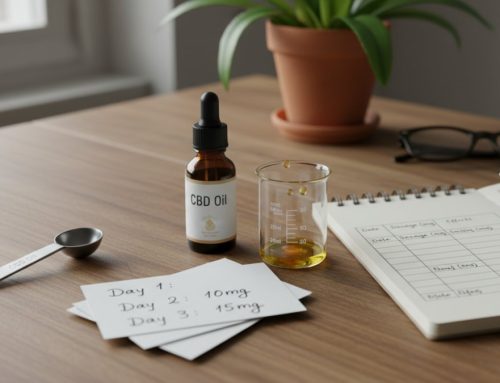
- Start low: 10-15 mg CBD per dose
- Frequency: twice daily (morning and evening)
- Duration before adjusting: 7-10 days minimum
- Increment: increase by 5-10 mg per dose if insufficient effect
- Ceiling for most chronic pain: 50-100 mg per day (split doses)
By pain type:
- Inflammatory pain (arthritis, joint pain): 20-40 mg/day, split doses, sublingual delivery preferred
- Neuropathic pain: 30-60 mg/day; some users require higher ranges; topical application at the pain site can complement oral dosing
- Fibromyalgia: 40-80 mg/day; full-spectrum or broad-spectrum products show better anecdotal results than isolate
- Post-exercise muscle soreness: 15-25 mg post-workout; topical freeze gel directly to affected muscle groups
Titration: How to Find Your Effective Dose
Titration is the systematic, incremental adjustment of dose to find the minimum effective amount. It is the correct approach to CBD dosing, and most people skip it because they want immediate results.
Start with the lowest dose for 7 days. Keep a simple pain log: rate your pain 1-10 morning and evening. If no change after one week, increase by 5-10 mg and repeat. This process takes 3-4 weeks to complete properly. Patience here is not optional. Rushing to high doses introduces side effects and makes it impossible to identify your actual effective dose.
Dosage Considerations for Elderly Users and Athletes
Elderly users metabolize CBD more slowly due to reduced liver enzyme activity. Start at half the standard starting dose (5-7 mg) and titrate more gradually, over 14 days per increment rather than 7. Drug interactions are a significant concern in this population (covered in the safety section below).
Athletes using CBD for chronic pain relief related to training load should time doses strategically: sublingual CBD 30-60 minutes before training for anti-inflammatory preparation, and a second dose post-training for recovery. Topical application to specific joints or muscle groups can be layered on top of oral dosing without meaningful additive systemic risk.
According to the World Anti-Doping Agency’s prohibited substances list, CBD is not a prohibited substance in sport. THC remains prohibited in-competition. This is another reason athletes should choose broad-spectrum or isolate products.
How to Use CBD Oil for Pain: Step-by-Step
Sublingual delivery (under the tongue) is the most efficient oral administration method for CBD oil, producing faster onset and higher bioavailability than swallowing capsules or edibles.
Step 1: Shake the bottle. Cannabinoids and carrier oil can separate.
Step 2: Fill the dropper to your target dose. Check the product’s concentration label: a 1,000 mg bottle in 30 ml contains approximately 33 mg CBD per ml.
Step 3: Place the oil under your tongue. Hold for 60-90 seconds before swallowing. This allows absorption through the sublingual mucosa directly into the bloodstream, bypassing first-pass liver metabolism.
Step 4: Avoid eating or drinking for 15 minutes after dosing to maintain absorption efficiency.
Step 5: Log your dose, time, and pain score. Consistency in timing matters for building a stable therapeutic level.

Integrating CBD with Physical Therapy and Exercise
CBD does not replace physical therapy. This is a point worth stating plainly because the supplement industry rarely says it.
What CBD can do is reduce the inflammatory response and pain that makes physical therapy difficult to tolerate consistently. Patients who find PT sessions too painful to complete may find that a pre-session dose of 20-30 mg CBD improves their ability to engage fully with prescribed exercises.
Research from the Arthritis Foundation’s patient resources on CBD notes that many arthritis patients report CBD helps them maintain the activity levels their physical therapists recommend. Reduced pain allows for greater exercise compliance, which in turn drives the actual structural improvements that PT is designed to create.
Practical integration protocol:
- Take sublingual CBD 45-60 minutes before PT sessions
- Apply topical CBD (freeze gel or cream) to target joints immediately post-session
- Maintain consistent daily oral dosing to sustain baseline anti-inflammatory effect
- Communicate CBD use to your physical therapist so they can track response and adjust programming
Do not use CBD as a reason to skip prescribed physical therapy. Passive pain management without active rehabilitation leads to deconditioning, which worsens chronic pain long-term. CBD works best as a tool that makes active recovery more accessible, not as a substitute for it.
CBD Oil Side Effects, Safety, and Drug Interactions
CBD has a favorable safety profile compared to opioids or NSAIDs for long-term use, but it is not without risk. The adverse effects most commonly reported include fatigue, diarrhea, and changes in appetite or weight. These are dose-dependent and typically resolve with dose reduction.
The more serious concern is drug interactions. CBD inhibits cytochrome P450 enzymes (CYP3A4 and CYP2D6), the same hepatic pathway responsible for metabolizing a broad range of medications. This is the same mechanism as grapefruit juice, and the clinical implication is the same: CBD can raise or lower blood levels of co-administered drugs.
Medications requiring particular caution:
- Blood thinners (warfarin): CBD may increase anticoagulant effect
- Antiepileptics: Epidiolex clinical data shows interaction with valproate
- Immunosuppressants: altered metabolism can affect therapeutic windows
- Certain antidepressants and antipsychotics
Liver toxicity has been documented at very high doses in clinical settings (typically far above standard consumer doses), but it remains a consideration for anyone with pre-existing hepatic conditions or taking hepatotoxic medications.
The non-negotiable rule: if you take any prescription medication, consult your physician before starting CBD. This is not a liability disclaimer. It is genuinely important pharmacokinetic information.
How to Choose a Quality CBD Product: Reading a COA
The CBD market is unregulated at the product level. The FDA has not established manufacturing standards for consumer CBD products, which means quality varies dramatically between brands. The only reliable quality signal is a third-party Certificate of Analysis (COA).
A COA is a document produced by an independent laboratory that confirms a product’s cannabinoid content, contaminant levels, and often terpene profile. Reputable brands make COAs publicly accessible, typically via QR code on packaging or a searchable database on their website.
CBD Health Collection provides independently verified COA lab testing for every product, with results accessible to customers, reflecting the company’s commitment to transparency and the science-based approach its pharmaceutical-background founder built into operations from day one.
What to Look for on a Third-Party Lab Report
Most consumers look at the COA, see a number, and move on. That’s not enough. Here’s what to actually examine:
1. Cannabinoid panel: Confirm that CBD content matches the label claim (within 10% variance is acceptable). Check that THC is below 0.3% for full-spectrum or undetectable for broad-spectrum and isolate.
2. Contaminant testing: The COA should include results for:
- Pesticides (should be non-detected or below action limits)
- Heavy metals (lead, arsenic, cadmium, mercury)
- Residual solvents (should be non-detected if CO2 extraction was used)
- Microbials (mold, yeast, bacteria)
3. Lab accreditation: The testing laboratory should be ISO 17025 accredited. If the COA doesn’t name the lab or the lab isn’t independently verifiable, treat it as unverified.
4. Batch number match: The batch number on the COA should match the batch number on your product. A COA from a different batch provides no assurance about the product in your hand.
5. Test date: COAs older than 12 months should prompt questions. Active products should have current testing.
According to the U.S. Hemp Authority’s certification standards, compliant hemp products should meet rigorous testing thresholds across all contaminant categories. Use their published standards as a benchmark when evaluating any COA you receive.
Screenshot or save the COA for every CBD product you buy. If a product causes an unexpected reaction, the COA gives you and your physician the exact cannabinoid and contaminant data needed to investigate. It’s the kind of documentation most people wish they had after the fact.
The COA checklist:
- CBD content matches label claim (within 10%)
- THC below 0.3% (or undetectable for broad-spectrum/isolate)
- Pesticides: non-detected or below action limits
- Heavy metals: non-detected or below action limits
- Residual solvents: non-detected
- Microbials: within acceptable limits
- Lab is ISO 17025 accredited
- Batch number matches product packaging
- Test date within 12 months
Managing chronic pain without adequate tools is exhausting, and the options that actually work long-term without serious side effects are narrower than most people realize. CBD oil for chronic pain relief offers a mechanistically sound, relatively low-risk addition to a comprehensive pain management strategy, provided you choose a quality product and use it correctly. CBD Health Collection was founded by a pharmaceutical industry veteran specifically to bring manufacturing rigor, third-party lab transparency, and clean CO2 extraction to the consumer CBD market. Every product ships with a verified COA, comes with a 30-day satisfaction guarantee, and is produced in a GMP- and FDA-registered facility. Start with CBD Health Collection and take a more informed, evidence-based approach to your chronic pain management.
Frequently Asked Questions
Is CBD oil effective for chronic pain relief?
CBD oil shows therapeutic potential for chronic pain conditions such as arthritis, neuropathic pain, and fibromyalgia by interacting with the endocannabinoid system to reduce inflammation and modulate pain signals. While anecdotal evidence is strong and some clinical trials are promising, research is still evolving. Most experts recommend CBD as a complementary approach alongside conventional pain management rather than a standalone replacement. Individual results vary based on product quality, dosage, and pain type.
How much CBD oil should I take for chronic pain?
There is no universal CBD dosage for chronic pain. A common starting point is 10-20 mg per day, with gradual titration upward every 5-7 days until relief is noticed. Neuropathic pain may require higher doses than mild inflammatory discomfort. Body weight, metabolism, and the product's bioavailability all influence the effective dose. Always start low, increase slowly, and consult a healthcare provider, especially if you take other medications.
What are the side effects of using CBD oil for pain?
CBD oil side effects are generally mild but can include fatigue, dry mouth, diarrhea, and changes in appetite or weight. At high doses, there is some concern about liver toxicity, particularly when combined with other medications metabolized by the liver. CBD can also cause adverse effects by interacting with blood thinners, antiepileptics, and certain pain medications. Starting with a low dose and monitoring your response reduces the risk of unwanted effects.
Does CBD oil interact with other pain medications?
Yes, drug interactions are an important safety consideration. CBD is metabolized by the liver enzyme CYP450, which also processes many common medications including NSAIDs, opioids, and anticoagulants. This can increase or decrease the concentration of those drugs in your bloodstream. If you are managing chronic pain with prescription medications, consult your doctor or pharmacist before adding CBD oil to your regimen to avoid potentially dangerous interactions.
What is the difference between full-spectrum and isolate CBD for pain?
Full-spectrum CBD contains all naturally occurring hemp compounds, cannabinoids, terpenes, and trace amounts of tetrahydrocannabinol (under 0.3%), which may create an 'entourage effect' that enhances analgesic and anti-inflammatory benefits. Broad-spectrum removes THC while retaining other compounds. CBD isolate is pure cannabidiol with no other plant compounds. For chronic pain, full-spectrum or broad-spectrum products are often preferred for their potentially greater therapeutic potential compared to isolate alone.
How long does it take for CBD oil to work for chronic pain?
Onset time depends on the delivery method and individual pharmacokinetics. Sublingual CBD oil typically produces effects within 15-45 minutes. Softgels and edibles take 45-90 minutes due to digestion. Topical products act locally within minutes but don't enter the bloodstream. For chronic pain relief, consistent daily use over 2-4 weeks is often needed to assess whether CBD is producing meaningful, lasting benefits rather than relying on a single dose.
This article was written using GrandRanker