Table of Contents
- What Is CBD and How Does It Differ from THC?
- How CBD Works in the Body for Anxiety and Depression
- Scientific Evidence: Does CBD Help Anxiety and Depression?
- CBD Oil Dosage for Anxiety: How to Start and Titrate
- How Long Does CBD Take to Work for Anxiety?
- Is CBD Safe with Antidepressants? Drug Interactions Explained
- FDA Approval Status, Side Effects, and What to Watch For
- Best CBD Products for Stress: How to Choose with Confidence
- Conclusion
Last Updated: June 1, 2026
Interest in cbd for anxiety and depression has grown steadily as more people seek non-pharmaceutical alternatives for managing mood and stress. CBD Health Collection has helped thousands of wellness-focused individuals explore cannabidiol as part of a broader mental health routine. But the science is nuanced, the regulatory landscape is still evolving, and most guides either oversell the evidence or dismiss it entirely. Below, we’ll walk through exactly how CBD interacts with the brain, what the current research actually supports, and how to choose a product you can trust.
Here’s what most guides get wrong: they treat CBD as either a miracle cure or a complete placebo. The reality sits somewhere more interesting, and more useful.
What Is CBD and How Does It Differ from THC?
Cannabidiol (CBD) is a naturally occurring compound extracted from the cannabis plant, classified as a non-psychoactive cannabinoid that does not produce the intoxicating "high" associated with recreational cannabis use. This distinction matters enormously for anyone exploring CBD for mood support.
Cannabidiol vs. Tetrahydrocannabinol: Key Differences
The most important distinction between CBD and THC (tetrahydrocannabinol) is their effect on the CB1 receptor in the brain. THC binds directly to CB1 receptors and triggers psychoactive effects. CBD, by contrast, does not bind directly to CB1 receptors. Instead, it modulates receptor activity indirectly, which is why hemp-derived CBD products can be sold legally at the federal level without producing intoxication.
| Feature | CBD | THC |
|---|---|---|
| Psychoactive | No | Yes |
| Federally legal (hemp-derived) | Yes (below 0.3% THC) | No (Schedule I) |
| Binds CB1 directly | No | Yes |
| FDA-approved drug | Epidiolex only | No |
| Common use cases | Anxiety, sleep, pain | Recreation, pain, nausea |
Hemp-derived CBD is legal federally when it contains less than 0.3% THC by dry weight. This threshold, established by the 2018 Farm Bill, is what separates a legal wellness product from a controlled substance.
Hemp-Derived CBD: Full-Spectrum, Broad-Spectrum, and Isolate
Three product types dominate the market, and choosing the wrong one is one of the most common mistakes first-time buyers make.
- Full-spectrum CBD contains all cannabinoids naturally present in hemp, including trace amounts of THC (up to 0.3%). Many practitioners believe this creates an "entourage effect" where cannabinoids work more effectively together.
- Broad-spectrum CBD retains multiple cannabinoids and terpenes but removes THC entirely, making it a strong option for anyone subject to drug testing.
- CBD isolate is pure cannabidiol with all other compounds removed. It’s the most predictable pharmacologic profile but potentially the least therapeutically rich.
For anxiety and depression support, broad-spectrum formulations tend to be the most practical starting point. They preserve beneficial terpene profiles without the legal and occupational risks of THC.
How CBD Works in the Body for Anxiety and Depression
The endocannabinoid system (ECS) is the biological framework through which CBD produces its effects, and understanding it changes how you think about dosing and product selection.
The ECS is a cell-signaling network present throughout the human body that regulates homeostasis across multiple physiological systems, including mood, sleep, appetite, and stress response. It consists of endogenous cannabinoids, cannabinoid receptors (CB1 and CB2), and metabolic enzymes that break down cannabinoids after use.

The Endocannabinoid System and CB1 Receptor Activity
CB1 receptors are concentrated primarily in the brain and central nervous system, particularly in regions governing fear, memory, and emotional processing, including the amygdala and hippocampus. CBD does not activate these receptors directly. Instead, it inhibits the enzyme FAAH (fatty acid amide hydrolase), which breaks down anandamide, the body’s naturally produced "bliss molecule." By slowing anandamide breakdown, CBD effectively extends its calming activity.
This mechanism explains why CBD’s effects feel subtle compared to THC or pharmaceutical anxiolytics. It’s working with the body’s existing regulatory systems, not overriding them.
CBD’s Influence on Serotonin Receptors and Mood Regulation
CBD also acts on serotonin receptors, specifically the 5-HT1A receptor, which plays a central role in anxiety and depression regulation. Many conventional antidepressants (SSRIs) work by increasing serotonin availability. CBD appears to activate 5-HT1A receptors directly, which may produce anxiolytic and antidepressant-adjacent effects through a distinct but complementary pathway.
This dual mechanism, ECS modulation plus serotonin receptor activity, is what makes CBD’s therapeutic potential for neuropsychiatric disorders genuinely interesting to researchers. It doesn’t fit neatly into existing pharmacological categories.
Scientific Evidence: Does CBD Help Anxiety and Depression?
The evidence is promising but not yet conclusive. That’s the honest answer, and any source that tells you otherwise is either behind the research or overselling it. What separates a credible guide from a marketing piece is the willingness to name specific studies, describe what they actually measured, and explain exactly why the gap between "promising" and "proven" still exists in 2026.
What the Human Trials Actually Show
The most frequently cited human study in this space is a 2019 randomized controlled trial published in The Permanente Journal, which examined CBD’s effects on anxiety and sleep in a clinical population. Of 72 adult participants, 79.2% reported decreased anxiety scores within the first month of CBD use, and 66.7% reported improved sleep. However, this was a retrospective case series, not a double-blind placebo-controlled trial, which limits the conclusions that can be drawn about causality.
For social anxiety disorder specifically, a 2011 study published in Neuropsychopharmacology used a simulated public speaking test (SPST) to measure anxiety responses. Participants who received a single oral dose of 600mg CBD showed significantly reduced anxiety, cognitive impairment, and discomfort compared to placebo. This is one of the more methodologically rigorous single-dose studies available, but it tests an acute, one-time dose, not the chronic daily use pattern most consumers follow.
A 2019 study in Frontiers in Psychology examined CBD in a naturalistic outpatient setting and found reductions in anxiety symptoms across multiple validated rating scales. Again, the absence of a control group limits interpretation.
For depression specifically, the human trial evidence is even thinner. Most depression-relevant findings come from animal models, where CBD has demonstrated antidepressant-like effects in forced swim tests and chronic unpredictable stress protocols, mechanisms that are suggestive but not directly translatable to human clinical outcomes.
Do not discontinue or reduce prescription antidepressants or anxiolytics based on CBD use alone. Abrupt withdrawal from medications like SSRIs or benzodiazepines carries serious health risks. Always consult a physician before making any changes to a medication regimen.
Why the Evidence Gap Persists: A Structural Problem
The reason large-scale, long-term randomized controlled trials on CBD for anxiety and depression are scarce is not because researchers aren’t interested. It’s because CBD’s Schedule I classification (prior to the 2018 Farm Bill) created significant regulatory barriers to conducting federally funded research. Even post-Farm Bill, the DEA’s licensing requirements for cannabis research have slowed trial design and approval.
According to the National Institutes of Health’s research database on cannabidiol and anxiety, the research pipeline has expanded meaningfully since 2018, but most trials currently underway are still in Phase I or Phase II, meaning safety and dosing are still being characterized before efficacy can be formally tested at scale.
This is the honest context behind the phrase "more research is needed." It’s not a dismissal. It’s a description of where the science actually sits.
CBD’s Therapeutic Potential for PTSD and Neuropsychiatric Disorders
PTSD represents one of the more compelling areas of CBD research, and the mechanism here is unusually well-characterized. The condition involves dysregulation of fear memory consolidation, specifically, the process by which the brain encodes, retrieves, and extinguishes traumatic memories. CB1 receptors in the amygdala and hippocampus are directly involved in this process.
A 2019 case series published in The Journal of Alternative and Complementary Medicine examined CBD use in pediatric PTSD patients and found sustained symptom reduction over five months of use, including improvements in anxiety and sleep. The U.S. Department of Veterans Affairs has also acknowledged growing interest in cannabinoid-based interventions, as documented in the VA’s research on complementary approaches to PTSD, though clinical evidence remains in early stages and the VA does not currently recommend CBD as a standalone PTSD treatment.
CBD’s non-psychoactive profile makes it a pragmatic research candidate for neuropsychiatric disorders in populations where THC is contraindicated, including veterans, first responders, and individuals with a history of psychosis or substance use disorder.
What Validated Anxiety Rating Scales Actually Measure
One detail most CBD guides skip entirely: the studies that show positive outcomes use validated clinical instruments to measure anxiety, not self-reported "feeling calmer." The most common tools used in CBD anxiety research include:
- HAM-A (Hamilton Anxiety Rating Scale): A 14-item clinician-administered scale measuring somatic and psychic anxiety symptoms.
- STAI (State-Trait Anxiety Inventory): A 40-item self-report scale distinguishing between situational anxiety (state) and baseline anxiety tendency (trait).
- DASS-21 (Depression Anxiety Stress Scales): A 21-item tool measuring depression, anxiety, and stress simultaneously, commonly used in naturalistic CBD studies.
- PSQI (Pittsburgh Sleep Quality Index): Frequently included because anxiety and sleep disruption are tightly correlated.
Understanding which scale a study used matters because some instruments are more sensitive to acute, situational anxiety (like the STAI-State subscale) while others capture chronic generalized anxiety better. A study showing CBD improves STAI-State scores after a single dose tells you something different from a study showing DASS-21 improvements after eight weeks of daily use.
The most honest summary of the current evidence: CBD shows consistent, replicated effects on acute anxiety in controlled settings, particularly at doses of 300-600mg. Evidence for chronic anxiety management and depression is promising in early-stage research but has not yet been validated in large-scale, long-term randomized controlled trials. This is why the FDA has not approved CBD for these indications, not because the signal is absent, but because the evidence standard for approval has not yet been met.
CBD Oil Dosage for Anxiety: How to Start and Titrate
CBD oil dosage for anxiety is where most guides fail their readers. There is no universal dose. Effective dosage titration depends on body weight, individual metabolism, the severity of symptoms, product bioavailability, and the specific formulation used. What most guides also miss is that the goal of dosing differs depending on whether you’re managing acute situational anxiety or chronic generalized anxiety, and those two goals require meaningfully different strategies.
Why There Is No Standard Dose (And What That Actually Means)
Unlike pharmaceutical drugs, CBD has not completed the clinical trial process that would establish a standardized therapeutic dose for anxiety or depression. The only FDA-approved CBD drug, Epidiolex, is dosed at 2.5-10mg/kg/day for epilepsy, but that dosing framework does not translate to anxiety applications because the target condition, patient population, and therapeutic mechanism are different.
What the existing anxiety research suggests is a wide effective range. Single-dose studies have used 300-600mg in acute anxiety protocols. Naturalistic studies of chronic daily users show self-reported benefit at doses as low as 15-25mg per day. The gap between these numbers is not a contradiction, it reflects the difference between a one-time laboratory dose designed to produce a measurable acute effect and a daily maintenance dose optimized for cumulative, sustained benefit.
The practical implication: starting at 300mg because a study used that dose would be both unnecessary and potentially counterproductive for most daily users.
Bioavailability-Adjusted Dosing: The Calculation Most Guides Skip
The milligram number on a CBD label is not the milligram amount that reaches your bloodstream. Bioavailability, the fraction of a dose that enters systemic circulation, varies dramatically by delivery method, and this changes the effective dose calculation in ways that matter.
| Delivery Method | Approximate Bioavailability | Effective Dose from 30mg Label Dose |
|---|---|---|
| Sublingual tincture | 20-35% | ~6-10.5mg reaches circulation |
| Soft gel / capsule | 10-20% | ~3-6mg reaches circulation |
| Edible / gummy | 6-15% | ~1.8-4.5mg reaches circulation |
| Inhaled (vaporized) | 34-56% | ~10-17mg reaches circulation |
This table illustrates why two people taking "30mg of CBD" can have dramatically different experiences depending on the product format. Someone using gummies at 30mg is receiving a meaningfully lower effective dose than someone using a sublingual tincture at the same label dose. If you switch delivery methods without adjusting the label dose, you are changing your effective dose, sometimes substantially.
Water-soluble or nano-emulsified CBD formulations are designed to address this gap. By reducing CBD particle size to improve dispersion in water-based biological fluids, these formulations can achieve higher bioavailability than standard oil-based products, though the degree of improvement varies by formulation and has not been uniformly validated across all products making this claim.
Acute Anxiety vs. Chronic Anxiety: Two Different Dosing Strategies
This distinction is almost never made in CBD dosage guides, and it’s one of the most practically useful things to understand.
For acute situational anxiety (presentations, social events, flight anxiety, medical procedures):
- A higher single dose taken 60-90 minutes before the triggering event is the approach used in most clinical research.
- Sublingual tinctures are preferred for faster onset (15-45 minutes vs. 60-120 minutes for edibles).
- Most practitioners working in this space suggest starting at 25-50mg for acute use if you have already established a baseline tolerance with lower daily doses.
- Do not use an untested dose for the first time immediately before a high-stakes situation. Test your response on a low-stakes day first.
For chronic generalized anxiety or daily mood support:
- Consistent daily dosing at a lower amount is more appropriate than intermittent high doses.
- The goal is to maintain a steady baseline of ECS support rather than produce acute effects.
- Soft gels and capsules are often preferred for chronic use because their slower, more consistent release profile suits daily maintenance better than the sharper onset-and-offset curve of sublingual tinctures.
- Most users find their effective chronic dose in the 15-50mg daily range, though individual variation is significant.
A Practical Titration Protocol
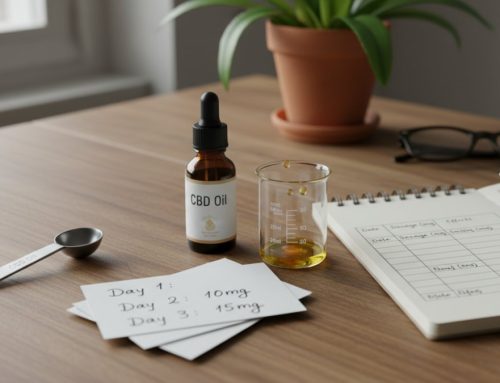
- Start low: Begin with 10-15mg of CBD per day, taken at the same time each day to establish a consistent baseline.
- Hold for one week: Do not increase the dose during this period. Assess baseline effects including sleep quality, morning anxiety levels, and any side effects.
- Titrate gradually: If effects are insufficient, increase by 5-10mg every 5-7 days. Rapid escalation makes it harder to identify your minimum effective dose.
- Track symptoms with a simple log: Rate anxiety on a 1-10 scale each morning and evening. Note sleep quality and any gastrointestinal effects. Even a basic notes app works. The data matters more than the tool.
- Find your floor, not your ceiling: The goal is the lowest dose that produces meaningful benefit, not the highest dose you can tolerate. Higher doses are not linearly more effective and increase the risk of side effects and drug interactions.
- Reassess at 30 days: Most practitioners suggest that 4-6 weeks of consistent use is the minimum evaluation window for chronic anxiety applications. CBD’s effects on the ECS are cumulative and may not be fully apparent in the first week.
If you’re using a sublingual tincture, hold the dose under your tongue for a full 60-90 seconds before swallowing. Most users cut this to 15-20 seconds and wonder why their results are inconsistent. The extended contact time with sublingual mucous membranes is what allows direct absorption into the bloodstream and separates effective sublingual dosing from simply swallowing an oil.
Body Weight, Metabolism, and Individual Variation
Body weight is one factor in dose-response, but it’s not the dominant one for most users. CBD is lipophilic (fat-soluble), which means it distributes into fatty tissue. Individuals with higher body fat percentage may require slightly higher doses to achieve equivalent plasma concentrations, but the relationship is not linear enough to use a simple mg/kg formula the way Epidiolex dosing does.
More practically significant variables include:
- CYP450 enzyme activity: Genetic variation in CYP2D6 and CYP3A4 enzyme expression affects how quickly CBD is metabolized. Poor metabolizers may experience stronger effects at lower doses; rapid metabolizers may find standard doses insufficient.
- Gut microbiome composition: Emerging research suggests the gut microbiome influences cannabinoid metabolism and the entourage effect, though this is not yet actionable at the consumer level.
- Concurrent medications: As detailed in the drug interactions section of this guide, co-administration with SSRIs, benzodiazepines, or other CYP450-metabolized drugs changes the effective concentration of both CBD and the co-administered medication.
If you are currently taking any prescription medication, particularly SSRIs, SNRIs, benzodiazepines, blood thinners, or seizure medications, consult your prescribing physician before beginning CBD. The drug interaction risk is real and clinically significant, not a boilerplate disclaimer.
The honest summary: dosing CBD for anxiety is iterative, not algorithmic. The titration protocol above gives you a structured starting point, but your effective dose is something you discover through consistent tracking, not something a label or a guide can tell you in advance.
How Long Does CBD Take to Work for Anxiety?
How long CBD takes to work for anxiety depends primarily on the delivery method chosen. The answer ranges from 15 minutes to two hours, and the difference is not trivial.
Sublingual Tinctures vs. Edibles vs. Soft Gels: Bioavailability Compared
| Delivery Method | Onset Time | Bioavailability | Duration |
|---|---|---|---|
| Sublingual tincture | 15-45 minutes | 20-35% | 4-6 hours |
| Soft gel capsule | 45-90 minutes | 10-20% | 6-8 hours |
| Edibles/gummies | 60-120 minutes | 6-15% | 4-8 hours |
| Topical | Localized only | Minimal systemic | 2-4 hours |
Sublingual administration, holding the tincture under the tongue for 60-90 seconds before swallowing, bypasses first-pass liver metabolism and delivers cannabidiol directly into the bloodstream through mucous membranes. This is why sublingual tinctures remain the preferred delivery method for acute anxiety management.
Soft gels and edibles take longer but tend to produce a more consistent, sustained effect, which makes them better suited for daily mood support and sleep. CBD Health Collection’s water-based CBD formulation is specifically designed to optimize bioavailability, addressing one of the most common frustrations with standard oil-based products.
Hold your sublingual tincture dose under the tongue for a full 90 seconds before swallowing. Most users cut this to 15-20 seconds and wonder why their results are inconsistent. The extended contact time with sublingual tissue is what separates effective dosing from wasted product.
Is CBD Safe with Antidepressants? Drug Interactions Explained
This is the part of the conversation that most CBD content skips entirely, and it’s arguably the most clinically important section in this guide.
CBD is metabolized primarily by the cytochrome P450 (CYP450) enzyme system in the liver, specifically the CYP3A4 and CYP2D6 enzymes. This is the same enzyme family responsible for metabolizing a large portion of commonly prescribed medications, including SSRIs, SNRIs, tricyclic antidepressants, benzodiazepines, and blood thinners.
When CBD inhibits CYP450 activity, it can slow the metabolism of these drugs, causing them to accumulate to higher-than-intended plasma concentrations. The practical consequence: a medication that was carefully dosed by your physician may effectively become a higher dose when combined with CBD.
According to Penn Medicine’s clinical pharmacology resources on drug-drug interactions, CYP450-mediated drug interactions are a well-documented concern with any compound that significantly inhibits this enzyme family.
Specific drug classes to discuss with your physician before using CBD:
- SSRIs and SNRIs (fluoxetine, sertraline, venlafaxine)
- Benzodiazepines (lorazepam, clonazepam, diazepam)
- Blood thinners (warfarin)
- Seizure medications (valproate, clobazam)
- Certain antihistamines and sleep aids
This is not a reason to avoid CBD categorically. It is a reason to have an informed conversation with your prescribing physician before adding CBD to your regimen.
FDA Approval Status, Side Effects, and What to Watch For
Current FDA-Approved Status and Warning Letters
CBD’s regulatory status is straightforward on paper but complicated in practice. The FDA has approved exactly one CBD-based pharmaceutical: Epidiolex, a purified CBD oral solution prescribed for two rare forms of childhood epilepsy. No other CBD product carries FDA approval for any indication, including anxiety or depression.
The FDA has issued warning letters to companies making unsubstantiated health claims about CBD products, particularly those claiming to treat, cure, or prevent specific medical conditions. This matters for consumers: if a CBD brand claims their product "treats depression," that claim violates FDA guidelines and signals a company willing to cut regulatory corners, which raises questions about their manufacturing standards too.
As documented in the FDA’s official resource on cannabidiol regulatory guidance, the agency continues to evaluate a regulatory framework for hemp-derived CBD in food and dietary supplements, but no final rule has been established as of 2026.
Common Side Effects and Who Should Use Caution
CBD is generally well-tolerated, but side effects do occur, particularly at higher doses:
- Fatigue and sedation
- Dry mouth
- Diarrhea or gastrointestinal discomfort
- Changes in appetite
- Elevated liver enzymes (observed at high doses in clinical studies)
Populations who should exercise particular caution include pregnant or breastfeeding individuals, people with liver disease, and those taking medications with narrow therapeutic windows. Children and adolescents should use CBD only under direct medical supervision.
Best CBD Products for Stress: How to Choose with Confidence
The CBD market is full of products that look identical on the shelf but differ dramatically in quality, purity, and actual cannabidiol content. Choosing well comes down to a short checklist of non-negotiable criteria.
Reading a Certificate of Analysis: Budget vs. Premium Transparency
A Certificate of Analysis (COA) is a third-party lab document that verifies a product’s cannabinoid content and screens for contaminants including pesticides, heavy metals, residual solvents, and microbial impurities. Every reputable CBD brand makes COAs publicly available for each product batch.
COA checklist for evaluating any CBD product:
- Is the COA from an independent, accredited third-party lab (not the brand’s own facility)?
- Does the tested CBD content match the label claim within a reasonable margin?
- Is the batch number on the COA traceable to the specific product you’re buying?
- Does the report include a full panel: cannabinoids, pesticides, heavy metals, solvents?
- Is the COA dated within the last 12 months?
Budget brands often provide COAs that test only cannabinoid content, skipping the contaminant panels. Premium brands test the full panel on every batch. The cost difference between these approaches is real, and it reflects directly in product safety.
CBD Health Collection publishes independently verified COAs for all products, produced in a GMP- and FDA-registered facility using clean CO2 extraction from organically grown, USA-sourced hemp. This is the standard every product in this category should be held to.
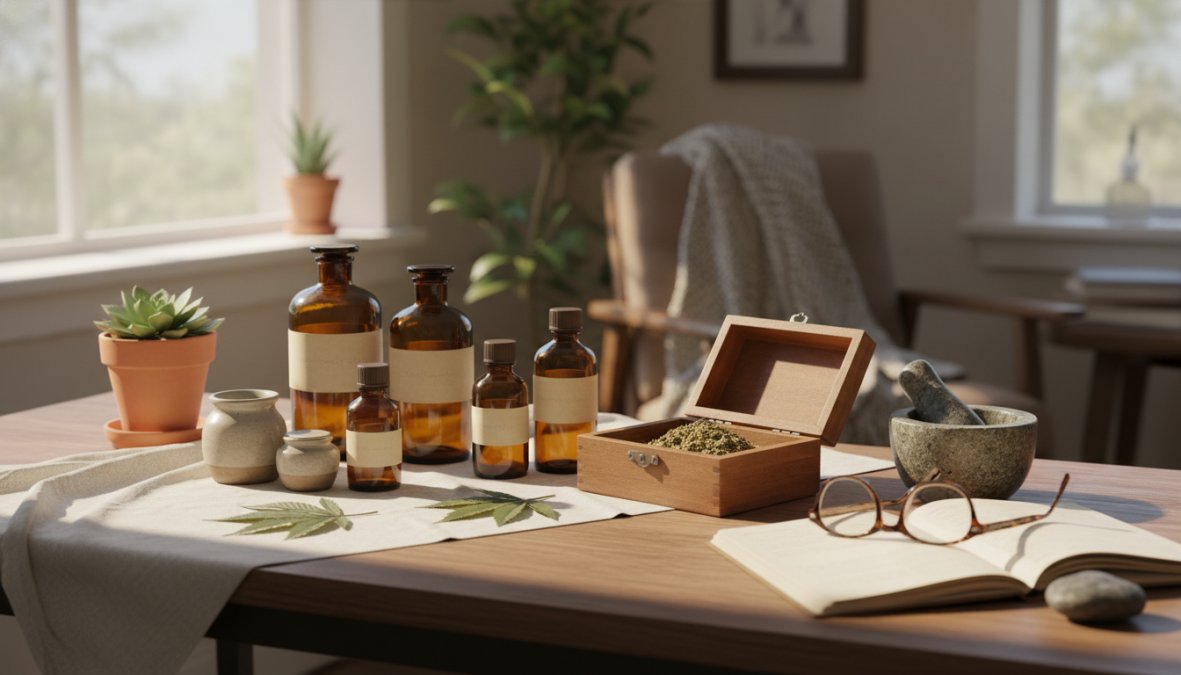
Terpene Profiles That May Support Anxiolytic Effects
Terpenes are aromatic compounds found in hemp that contribute to the entourage effect in full-spectrum and broad-spectrum products. Specific terpenes have been studied for their potential anxiolytic properties, and they’re worth understanding when selecting a product.
- Linalool: Found in lavender and hemp, linalool has been studied for calming and sedative properties that may complement CBD’s anxiolytic effects.
- Myrcene: Associated with relaxation and sedation, myrcene is one of the most abundant terpenes in hemp.
- Beta-caryophyllene: Uniquely, this terpene acts as a CB2 receptor agonist, making it the only terpene that directly engages the endocannabinoid system.
- Limonene: Associated with elevated mood and stress relief, limonene is found in citrus-forward hemp strains.
Most COAs do not include terpene panels unless specifically requested. If terpene profile matters to your selection, look for brands that provide full terpene testing or disclose their strain sourcing.
The real difference between a commodity CBD product and a premium one often comes down to these details: strain selection, extraction method, terpene preservation, and testing transparency. These aren’t marketing points. They’re the variables that determine whether a product actually performs.
Finding reliable support for anxiety and depression takes time, and the CBD market makes that search harder than it needs to be. CBD Health Collection was built specifically to address this problem, bringing pharmaceutical-grade rigor to a market that often lacks it. Every product is CO2-extracted from organically grown hemp, independently third-party tested for purity and potency, and formulated with bioavailability as a design priority. Get started with CBD Health Collection and experience a transparent, science-informed approach to stress and mood support.
Frequently Asked Questions
Is there scientific evidence that CBD helps with anxiety and depression?
Preliminary clinical trials and preclinical studies suggest CBD has anxiolytic and potential antidepressant properties, largely through its interaction with serotonin receptors and the endocannabinoid system. Placebo-controlled studies have shown promise for generalized anxiety disorder and PTSD. However, large-scale, FDA-recognized clinical trials are still limited, and CBD is not currently an FDA-approved treatment for anxiety or depression. Always consult a healthcare provider before using CBD for mental health conditions.
What is the right CBD oil dosage for anxiety?
There is no universal CBD oil dosage for anxiety. Most experts recommend starting low, typically 10-20 mg per day, and gradually titrating upward every one to two weeks based on your response. Factors like body weight, metabolism, product bioavailability, and symptom severity all influence the effective dose. Sublingual tinctures tend to offer faster onset and more consistent absorption than edibles. Keep a simple journal to track dosage and effects, and discuss adjustments with your doctor.
Is CBD safe with antidepressants?
This is one of the most important questions for anyone considering CBD for anxiety and depression alongside prescription medications. CBD is metabolized by the liver enzyme CYP450, the same pathway used by many antidepressants, including SSRIs and SNRIs. This can alter drug plasma levels, either increasing or decreasing their effectiveness. The interaction risk is real and clinically significant. Anyone taking antidepressants, benzodiazepines, or other psychiatric medications should speak with their prescribing physician before starting CBD.
What is the difference between full-spectrum and broad-spectrum CBD for anxiety?
Full-spectrum CBD contains all naturally occurring cannabinoids, terpenes, and trace amounts of THC (up to 0.3%), which may produce an 'entourage effect' that enhances anxiolytic benefits. Broad-spectrum CBD retains most cannabinoids and terpenes but removes THC, a preferred option for those avoiding psychoactive compounds or subject to drug testing. CBD isolate is pure cannabidiol with no other compounds. For anxiety, broad-spectrum or full-spectrum products are generally considered more therapeutically effective than isolate alone.
How long does CBD take to work for anxiety?
Onset time depends heavily on the delivery method. Sublingual tinctures placed under the tongue typically take effect within 15-45 minutes due to direct absorption into the bloodstream. Edibles and soft gels pass through the digestive system, delaying onset to 60-120 minutes but often providing longer-lasting effects. For consistent anxiety relief, daily use over several weeks is generally recommended, as CBD's effects on the endocannabinoid system may build over time rather than acting as an immediate anxiolytic.
Should I talk to my doctor before trying CBD for mental health?
Yes, especially if you are currently taking any prescription medications, including antidepressants, anti-anxiety drugs, or sleep aids. CBD can interact with medications metabolized by liver enzymes and may affect their potency or safety. A doctor familiar with your health history can help you assess whether CBD is appropriate, suggest a starting dosage, and monitor for side effects or drug interactions. CBD is not a replacement for evidence-based mental health treatment and should be considered a complementary wellness option.
This article was written using GrandRanker