Table of Contents
- What Is CBD and How It Works for Chronic Pain
- CBD vs. THC for Pain Management
- Conditions Treated with CBD: Arthritis, Fibromyalgia, and More
- CBD Dosage for Chronic Pain: Finding Your Optimal Amount
- Is CBD FDA Approved for Pain Relief
- Choosing High-Quality CBD Products for Chronic Pain
- Potential Side Effects and Long-Term Safety
- Frequently Asked Questions
Last Updated: September 2, 2026
What Is CBD and How It Works for Chronic Pain
Cannabidiol (CBD) is a non-psychoactive compound derived from hemp that interacts with your body’s endocannabinoid system to reduce pain signals and inflammation. Unlike THC, CBD doesn’t produce a “high”, it works by modulating how your nervous system processes pain, making it increasingly popular among people seeking natural alternatives to traditional pain management.
The endocannabinoid system is a network of receptors throughout your body that regulates pain perception, immune response, and inflammation. When you experience chronic pain, this system becomes dysregulated. CBD binds to cannabinoid receptors and influences serotonin signaling, which can help normalize pain perception and reduce the inflammatory cascade that perpetuates conditions like arthritis, fibromyalgia, and neuropathic pain.
The Endocannabinoid System and Pain Signaling
Your endocannabinoid system maintains homeostasis across your body. When you sustain an injury or develop chronic inflammation, this system struggles to keep pain signals in check. CBD enhances endocannabinoid tone by slowing the breakdown of your body’s natural cannabinoids and influencing receptor sensitivity. Chronic pain often involves sensitization, your nervous system becomes increasingly reactive to pain signals. CBD helps reverse this by activating vanilloid receptors and serotonin pathways that naturally suppress pain transmission.
Anti-Inflammatory and Analgesic Effects
Inflammation drives much of chronic pain. CBD reduces pro-inflammatory cytokines and promotes anti-inflammatory responses through multiple pathways. This matters because reducing inflammation often reduces pain more effectively than direct analgesic approaches alone. The anti-inflammatory properties make CBD particularly relevant for conditions where inflammation is the primary driver: rheumatoid arthritis, inflammatory bowel disease, and autoimmune-related neuropathy.
The anti-inflammatory effect typically takes 3-7 days to become noticeable, while pain modulation can begin within hours. This dual timeline means you may experience pain relief before you see improvements in swelling or mobility.
CBD vs. THC for Pain Management
The distinction between CBD and THC is fundamental to understanding why CBD dominates chronic pain management. THC is psychoactive, it binds directly to CB1 receptors in your brain, producing euphoria, altered cognition, and impaired function. While THC does reduce pain, these side effects make it unsuitable for daily use in professional or safety-sensitive environments. CBD avoids this entirely.
Key Differences in Effects and Legality
THC produces immediate but variable pain relief, often accompanied by drowsiness, impaired coordination, and anxiety in some users. CBD produces more subtle pain modulation without cognitive effects, making it suitable for daytime use. Legally, THC remains controlled in most states, while CBD derived from hemp (containing less than 0.3% THC) is federally legal under the 2018 Farm Bill. This legal distinction matters practically, you can order CBD online and use it without workplace concerns.
Why CBD Is Preferred for Chronic Pain
Most people with chronic pain need daily management without impairment. CBD delivers this without building tolerance the way THC does. Long-term THC users often need increasing doses to maintain effects, while CBD users typically maintain consistent dosing over months and years without escalation.
For chronic pain management, CBD’s lack of psychoactive effects and legal accessibility make it the practical choice for most people, especially those managing pain while maintaining professional or caregiving responsibilities.
Conditions Treated with CBD: Arthritis, Fibromyalgia, and More
Arthritis, both osteoarthritis and rheumatoid arthritis, responds well to CBD because both involve inflammatory joint degeneration. Users report reduced morning stiffness, improved range of motion, and decreased pain during activity. Topical delivery methods work particularly well here, allowing direct application to affected joints.
Fibromyalgia presents a different challenge: widespread pain without clear inflammatory markers. CBD’s nervous system effects prove valuable here, as fibromyalgia involves pain amplification and sleep disruption. Many fibromyalgia patients report that CBD reduces pain intensity and improves sleep quality simultaneously.
Neuropathic Pain and Multiple Sclerosis
Neuropathic pain, burning, tingling sensations from nerve damage, responds differently than inflammatory pain. CBD’s effects on nerve signaling and pain perception make it particularly relevant for diabetic neuropathy, post-herpetic neuralgia, and chemotherapy-induced peripheral neuropathy. Multiple sclerosis patients often experience both inflammatory and neuropathic pain components, and CBD addresses both simultaneously through its multi-target mechanism.
Joint and Muscle Pain Relief
Post-workout soreness, muscle strains, and chronic muscle tension respond well to topical CBD formulations. The anti-inflammatory effect reduces delayed-onset muscle soreness, while the local analgesic effect provides immediate relief. Topical products work best for localized joint and muscle pain, while oral CBD addresses widespread muscle tension and supports systemic inflammation reduction.
CBD Dosage for Chronic Pain: Finding Your Optimal Amount
Finding your effective CBD dose requires understanding that dosing isn’t one-size-fits-all. Individual factors, body weight, metabolism, pain severity, and previous medication history, all influence your optimal dose. Most chronic pain management begins with 10-20 mg daily.
Starting Low and Titrating Upward
The standard approach is “start low, go slow.” Begin with 10 mg once daily for 3-5 days. If you notice minimal effect, increase to 15 mg daily. Continue increasing in 5-10 mg increments every 3-5 days until you achieve your desired relief.
Jumping to high doses immediately wastes product and prevents you from identifying your true effective dose. Allow at least 2-3 weeks at a stable dose before adjusting.
Bioavailability and Administration Methods
Bioavailability refers to the percentage of CBD that actually enters your circulation and reaches your endocannabinoid receptors. Sublingual administration (oils held under the tongue for 60-90 seconds) achieves 12-35% bioavailability, considerably higher than swallowing. Topical products don’t enter systemic circulation; they work locally on skin, muscle, and joint tissue. Oral capsules and gummies offer convenience but only 5-15% bioavailability because your digestive system breaks down CBD before absorption. Taking them with fatty foods increases bioavailability significantly.
| Administration Method | Bioavailability | Onset Time | Duration | Best For |
|---|---|---|---|---|
| Sublingual oil | 12-35% | 15-45 minutes | 4-6 hours | Systemic pain, consistent dosing |
| Topical cream/gel | Local only | 15-30 minutes | 4-8 hours | Joint and muscle pain |
| Oral capsules/gummies | 5-15% | 1-2 hours | 6-8 hours | Convenience, discreet use |
| Patches | 10-20% | 2-4 hours | 24-48 hours | Extended relief, compliance |
At CBD Health Collection, we prioritize bioavailability through water-based formulations and sublingual delivery options that maximize how much CBD your body actually absorbs.
Is CBD FDA Approved for Pain Relief
The FDA has not approved CBD as a pain relief medication. However, this doesn’t mean CBD lacks evidence or legitimacy; it reflects how pharmaceutical regulation works and the current state of CBD research. practical pain management strategies.
Current Regulatory Status and Clinical Evidence
The FDA has approved exactly one CBD product: Epidiolex, a prescription medication for specific seizure disorders. Pain relief hasn’t undergone the same rigorous FDA approval pathway because the approval process requires pharmaceutical-grade clinical trials costing tens of millions of dollars. Most CBD companies lack the resources for this investment.
What exists instead is growing clinical evidence from systematic reviews and observational studies. Research published in peer-reviewed journals consistently documents CBD’s anti-inflammatory effects and pain-modulating properties. The distinction matters: FDA approval means a medication has met specific regulatory standards for a specific condition. Lack of FDA approval doesn’t mean ineffective; it means the approval process hasn’t been completed.
What Third-Party Lab Testing Tells You
Since the FDA doesn’t regulate CBD products directly, third-party lab testing becomes your quality assurance mechanism. A legitimate Certificate of Analysis (COA) from an independent lab verifies cannabinoid potency, contaminant screening, solvent residues, and microbial testing. A COA should be readily available on the company’s website. If a brand doesn’t provide third-party testing results, that’s a red flag.
According to FDA guidance on cannabis and cannabis-derived products, consumers should demand transparency and verification. Third-party lab testing is the closest thing to pharmaceutical-grade quality assurance in the CBD market.
Download and review the COA before purchasing. Check that the testing lab is accredited and that the potency matches the label claim.
Choosing High-Quality CBD Products for Chronic Pain
Quality varies dramatically in the CBD market. The first filter is hemp sourcing. CBD derived from organically grown, USA-sourced hemp avoids pesticide residues and heavy metals common in imported hemp. The extraction method matters equally, CO2 extraction produces clean, potent CBD without solvent residues, while cheaper ethanol or butane extraction often leaves harmful residues.
CBD Health Collection sources organically grown hemp from domestic suppliers and uses clean CO2 extraction in GMP- and FDA-registered facilities. Every batch undergoes independent third-party lab testing.
Broad-Spectrum vs. Full-Spectrum CBD
Full-spectrum CBD contains all compounds from the hemp plant: cannabinoids, terpenes, flavonoids, and trace amounts of THC (below 0.3%). The “entourage effect” theory suggests these compounds work synergistically, producing stronger pain relief than CBD alone.
Broad-spectrum CBD removes THC while retaining other plant compounds. This offers the potential entourage effect without any THC risk, important if you’re concerned about drug testing or prefer zero psychoactive compounds.
CBD isolate contains only pure cannabidiol. It’s the cheapest option but many users report less effective pain relief compared to full-spectrum or broad-spectrum products. For chronic pain management, broad-spectrum generally offers the best balance.

Topical, Sublingual, and Oral Delivery Options
Your delivery method determines where CBD works and how quickly it acts.
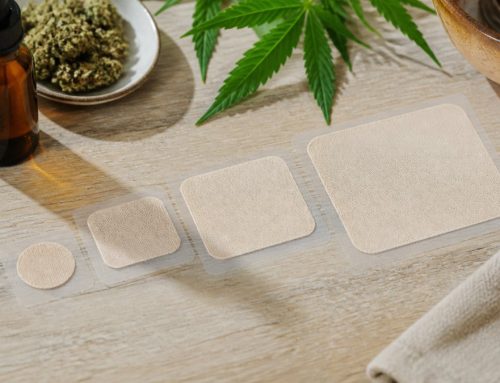
Topical products (creams, gels, patches) work directly on skin, muscle, and joint tissue. They’re ideal for localized pain, knee arthritis, lower back tension, shoulder stiffness.
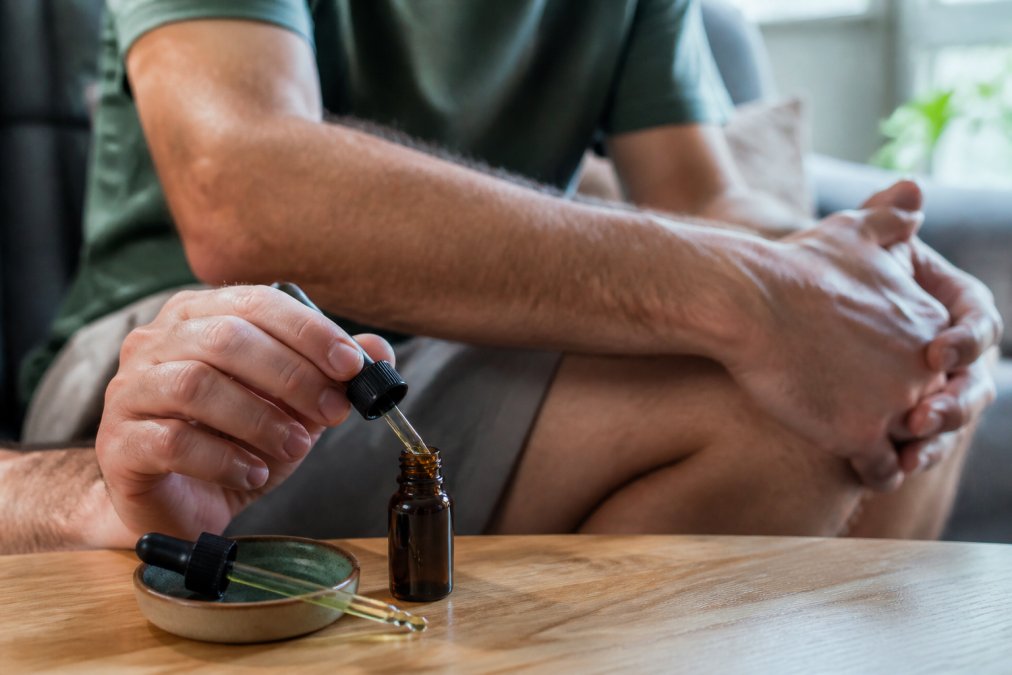
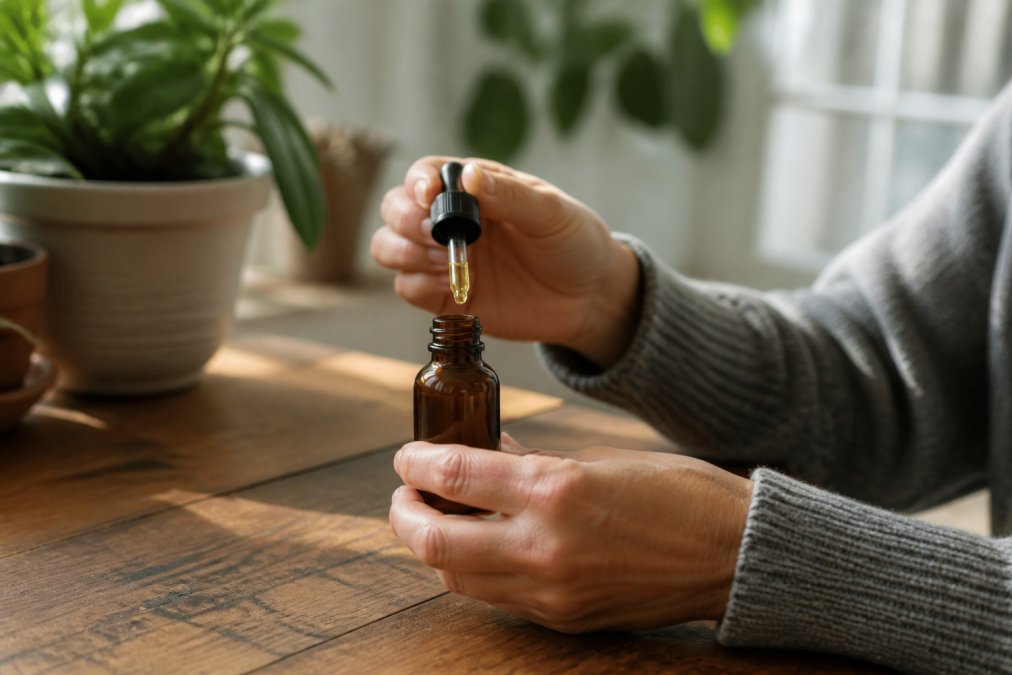
Sublingual products (oils, tinctures) deliver CBD directly into your bloodstream through tissues under your tongue. This method achieves higher bioavailability than oral products and provides systemic pain relief.
Oral products (gummies, capsules, soft gels) offer convenience and discretion but lower bioavailability. Taking them with food increases absorption. Many people use multiple delivery methods simultaneously: sublingual oil for systemic pain relief plus topical gel for localized joint pain.
Potential Side Effects and Long-Term Safety
CBD is generally well-tolerated, with side effects far less severe than most chronic pain medications. The most common side effects are mild: dry mouth, drowsiness, and reduced appetite. These typically appear at higher doses (above 50 mg daily) and often resolve within days as your body adjusts. Serious adverse effects are rare.
Adverse Effects and Drug Interactions
The most important safety consideration is drug interactions. CBD inhibits cytochrome P450 enzymes in your liver, the same enzymes that metabolize many medications. If you take blood thinners (warfarin), certain anticonvulsants, or sedatives, discuss CBD with your healthcare provider before starting.
CBD doesn’t interact significantly with most pain medications, but combining CBD with other CNS depressants (alcohol, benzodiazepines, opioids) increases drowsiness. According to Mayo Clinic guidance on CBD drug interactions, transparency with your healthcare provider prevents unexpected interactions and ensures safe concurrent use.
Safety Considerations for Extended Use
Long-term CBD use appears safe based on available evidence. Studies examining extended use show no organ toxicity, no tolerance development requiring dose escalation, and no dependence or withdrawal. Individual sensitivity varies, and regular check-ins with your healthcare provider ensure your CBD regimen remains appropriate as your pain condition evolves.
CBD’s safety profile is substantially better than conventional chronic pain medications, with fewer serious adverse effects, lower addiction risk, and minimal organ toxicity. The main precaution is potential drug interactions, discuss CBD with your healthcare provider if you take other medications.
Chronic pain management requires an approach that reduces inflammation, modulates pain signaling, and supports your quality of life without impairing function or creating dependency. CBD addresses all three through its interaction with your endocannabinoid system and multiple anti-inflammatory pathways.
CBD Health Collection provides broad-spectrum and full-spectrum CBD products specifically formulated for chronic pain, from sublingual oils maximizing bioavailability to topical freeze gels providing localized relief. Every product is derived from organically grown, USA-sourced hemp, extracted cleanly with CO2, independently third-party lab tested, and backed by a 30-day satisfaction guarantee. Start with the CBD product matching your pain type and delivery preference, titrate gradually, and give yourself 2-3 weeks to assess effectiveness. According to research on cannabinoid pharmacology, consistent dosing over this timeframe reveals whether CBD is your effective pain solution. Get started with CBD Health Collection and experience how optimized bioavailability and pharmaceutical-grade quality can transform your chronic pain management.
Frequently Asked Questions
Does CBD really work for chronic pain management?
CBD interacts with the endocannabinoid system to reduce inflammation and modulate pain signaling. Clinical trials and patient-reported outcomes show CBD can provide meaningful relief for chronic pain conditions like arthritis, fibromyalgia, and neuropathic pain. Results vary by individual, condition, and product quality. Third-party lab testing ensures you’re getting a standardized dose, which improves consistency and effectiveness. Many users report noticeable improvement within 1-2 weeks of consistent use.
How much CBD should I take for chronic pain?
CBD dosage for chronic pain varies based on body weight, pain severity, and individual tolerance. Most users start with 10-20 mg daily and gradually increase by 5-10 mg every week until reaching their optimal dose, typically between 20-100 mg daily. Sublingual oils offer precise dosing control, while topical applications target localized pain directly. Bioavailability differs by administration method: sublingual absorption is faster than oral gummies. Keep a pain journal to track dose adjustments and effectiveness over time.
What’s the difference between CBD and THC for managing chronic pain?
CBD and THC both interact with cannabinoid receptors but produce different effects. THC creates psychoactive effects and is federally controlled, while CBD is non-psychoactive and legal nationwide. For chronic pain, CBD vs THC for pain shows that CBD provides anti-inflammatory and analgesic effects without impairment, making it safer for daily use and work. THC may enhance pain relief when combined with CBD, but this requires medical supervision and state-level legality verification. CBD alone is sufficient for most chronic pain conditions.
Is CBD FDA approved for chronic pain?
The FDA has not approved CBD as a pain medication. However, FDA-registered facilities can produce CBD products under current regulations. The FDA continues to review clinical evidence on cannabidiol efficacy. What matters for safety and quality is third-party lab testing, which verifies purity, potency, and absence of contaminants. Products from GMP-certified facilities with transparent lab reports provide assurance of quality and consistency. Always consult your healthcare provider before starting CBD, especially if taking other medications.
What are the potential side effects of long-term CBD use?
Most users tolerate CBD well, but potential adverse side effects include dry mouth, fatigue, diarrhea, and changes in appetite. Long-term safety studies show CBD is generally well-tolerated, though individual responses vary. CBD can interact with certain medications, particularly those metabolized by the liver, so inform your doctor if you take prescription drugs. Starting with lower doses and monitoring your response reduces the risk of unwanted effects. If side effects occur, reduce your dose or discontinue use and consult a healthcare provider.
Which CBD product type works best for chronic pain?
The best CBD product depends on your pain location and lifestyle. Topical freeze gels and patches work well for localized joint and muscle pain with rapid onset. Sublingual oils offer precise dosing and systemic effects for widespread pain. Gummies provide convenient, consistent dosing but slower absorption. Broad-spectrum CBD products contain beneficial cannabinoids without THC, while full-spectrum includes trace THC for enhanced effects. Start with one delivery method and adjust based on pain relief results and your daily routine.
How do I know if a CBD product is high quality and safe?
High-quality CBD products come from organically grown hemp, use clean CO2 extraction, and are independently lab tested. Check for a Certificate of Analysis (COA) that verifies potency, purity, and absence of heavy metals and pesticides. Products from GMP-certified and FDA-registered facilities meet manufacturing standards. Transparent companies provide full lab reports publicly. Avoid products making cure claims or lacking third-party verification. Customer reviews mentioning pain relief results and product consistency indicate reliability.
This article was written using GrandRanker