
Table of Contents
- What Is Integrative Medicine for Chronic Pain?
- Common Chronic Pain Conditions Treated at Integrative Clinics
- Holistic Pain Management Therapies and Modalities
- Integrative Medicine vs Conventional Pain Treatment: What’s the Difference?
- Insurance Coverage for Integrative Medicine Clinics
- Your Patient Journey: What to Expect at an Integrative Clinic
- Self-Care and Lifestyle Integration Between Clinic Visits
- Frequently Asked Questions
Last Updated: August 31, 2026
What Is Integrative Medicine for Chronic Pain?
Integrative medicine for chronic pain combines evidence-based conventional medical treatments with complementary therapies to address pain from multiple angles. Rather than relying solely on medication, integrative clinics use a multidisciplinary approach that incorporates acupuncture, physical therapy, mindfulness-based stress reduction, therapeutic massage, and other non-pharmacological treatments alongside conventional care when appropriate.
The core philosophy centers on patient-centered care that treats the whole person, not just the symptom. A practitioner might address a herniated disc through physical therapy, acupuncture, and lifestyle modification rather than jumping immediately to surgery or high-dose pain medication. This approach recognizes that chronic pain involves physical, emotional, and behavioral components that respond better to coordinated treatment than to single-modality interventions.
What makes this different from conventional pain management is the emphasis on functional improvement and long-term pain reduction rather than symptom suppression alone. According to the National Institutes of Health’s research on integrative approaches, patients often experience better outcomes when treatment addresses underlying causes alongside pain relief. The goal isn’t just to feel better temporarily, it’s to rebuild function and reduce pain intensity over time through sustainable changes.
Many patients arrive at integrative clinics after conventional treatments have plateaued. They’ve tried medications that helped initially but lost effectiveness, or they’re concerned about long-term opioid use. Others simply prefer non-pharmacological options from the start. This is where integrative medicine clinics fill a critical gap: they offer structured, evidence-based alternatives that don’t require choosing between pain relief and avoiding medication risks.
Common Chronic Pain Conditions Treated at Integrative Clinics
Integrative medicine clinics treat the full spectrum of chronic pain conditions. Fibromyalgia, characterized by widespread musculoskeletal pain and fatigue, responds particularly well to multidisciplinary treatment combining gentle exercise, stress reduction, and complementary therapies. Osteoarthritis, the degenerative joint condition affecting millions, benefits from physical therapy, acupuncture, and lifestyle modifications that reduce inflammation and improve joint mobility.
Herniated disc pain, one of the most common reasons patients seek integrative care, often improves with a combination of physical therapy, core strengthening, and manual therapies rather than immediate surgical intervention. Back pain relief through integrative approaches typically involves identifying movement patterns that aggravate the condition, then systematically addressing them through targeted exercises and postural correction.
Other conditions frequently managed at integrative clinics include neck pain, migraine headaches, neuropathic pain from diabetes or chemotherapy, and post-surgical pain. The common thread: these are conditions where pain persists despite conventional treatment, or where patients want to minimize medication dependence.
The advantage of treating these conditions at an integrative clinic is coordination. Rather than seeing a rheumatologist for arthritis, a physical therapist separately, and a pain specialist in isolation, patients benefit from practitioners who communicate and build a unified treatment plan. This multidisciplinary approach reduces redundancy and ensures each therapy complements the others.
Holistic Pain Management Therapies and Modalities
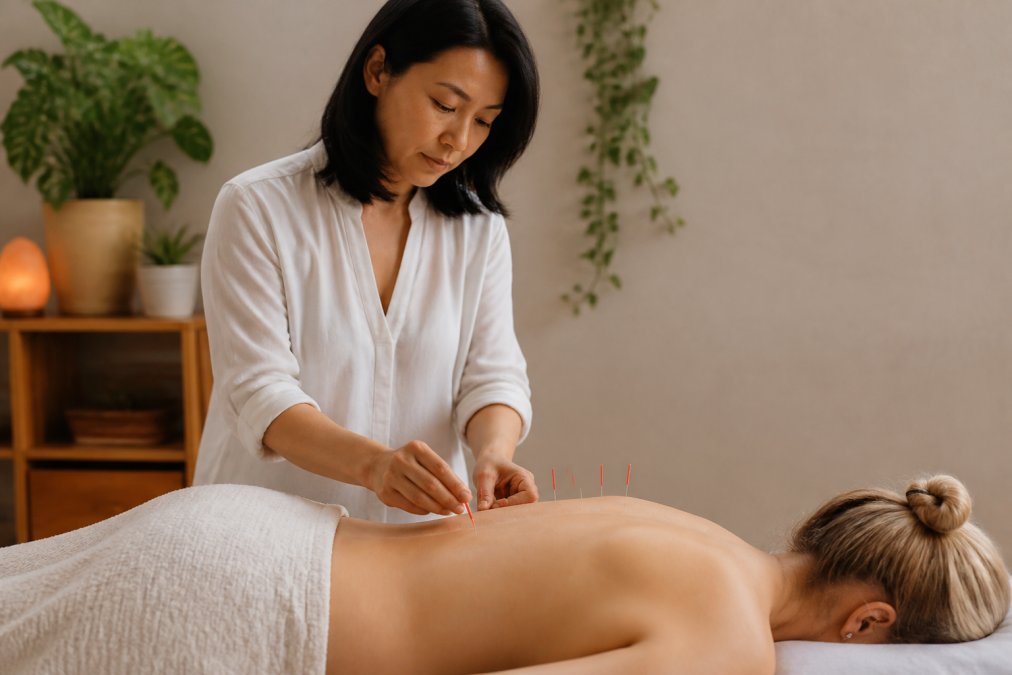
The toolkit of holistic pain management therapies at integrative clinics is extensive and evidence-based. Acupuncture, one of the oldest healing practices, involves placing thin needles at specific points to stimulate nerve endings and trigger the body’s natural pain-relieving mechanisms. Research increasingly validates its effectiveness for chronic pain conditions, particularly back pain and osteoarthritis.
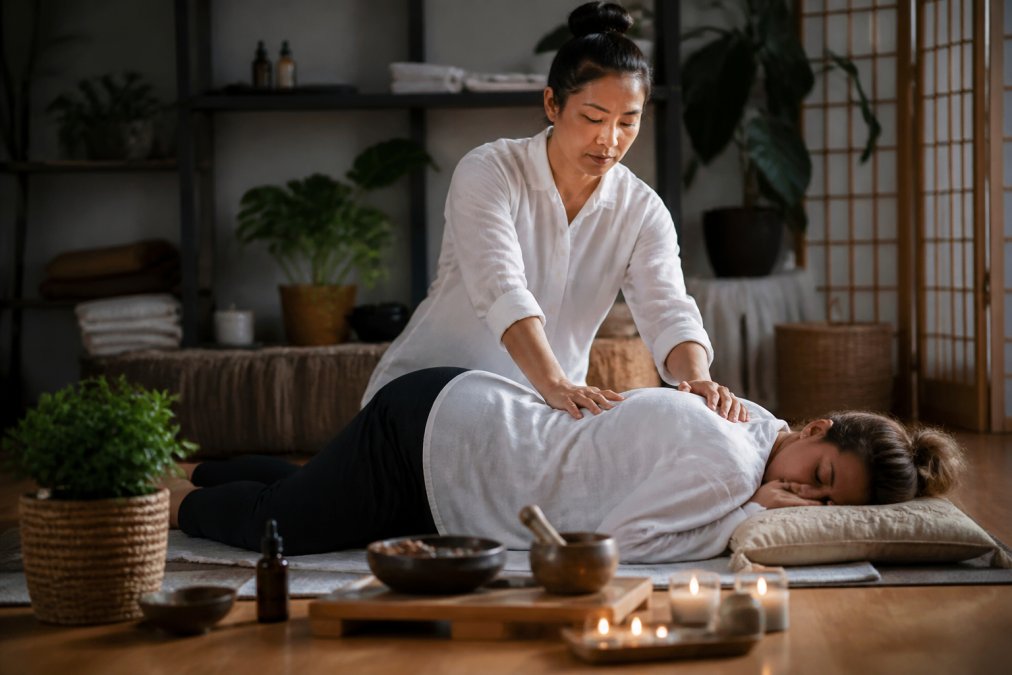
Therapeutic massage addresses muscle tension and trigger points that perpetuate pain cycles. Unlike recreational massage, clinical massage at integrative clinics targets specific areas contributing to dysfunction and pain. Biofeedback teaches patients to recognize and control physiological responses like muscle tension and heart rate, giving them tools to manage pain independently between visits.
Mindfulness-based stress reduction (MBSR) works through a different mechanism: chronic pain amplifies when stress and anxiety tighten muscles and narrow attention. MBSR breaks this cycle by training attention and reducing the emotional reactivity that intensifies pain perception. Physical therapy, often underestimated, remains one of the most powerful interventions, progressive exercise rebuilds strength, improves movement patterns, and reduces pain intensity over time.
Other modalities include herbal medicine, nutritional counseling addressing inflammation through diet, and functional medicine approaches that investigate root causes rather than treating symptoms in isolation. Some clinics incorporate lifestyle modification programs addressing sleep, stress management, and movement quality.
The evidence supporting these therapies varies. Acupuncture has strong research backing for specific conditions. Physical therapy has decades of validation. Mindfulness-based approaches show consistent benefits for pain perception and emotional wellbeing. What matters is that integrative clinics select therapies with evidence supporting their use for the specific condition being treated.

Integrative Medicine vs Conventional Pain Treatment: What’s the Difference?
The distinction between integrative medicine vs conventional pain treatment comes down to scope and philosophy. Conventional pain management typically follows a linear approach: diagnose the problem, prescribe medication or surgery, monitor outcomes. It excels at acute pain and conditions requiring immediate intervention.
Integrative medicine takes a broader view. It asks not just “What’s causing this pain?” but “Why is this person experiencing pain now? What factors, stress, movement patterns, sleep, inflammation, are contributing?” This leads to treatment plans addressing multiple factors simultaneously rather than single interventions.
Conventional care often defaults to medications first. Opioids, while effective for acute pain, carry risks with long-term use including tolerance, dependence, and side effects. NSAIDs reduce inflammation but can cause gastrointestinal and cardiovascular issues with extended use. Integrative approaches prioritize non-pharmacological interventions first, using medication strategically when needed rather than as the primary tool.
Another difference: conventional practitioners often specialize narrowly. You see an orthopedist for joint pain, a neurologist for nerve pain, a rheumatologist for inflammatory conditions. Each brings expertise but may not coordinate with others. Integrative clinics deliberately coordinate across disciplines. The acupuncturist knows what the physical therapist is doing. The nutritionist understands the patient’s medication regimen. This coordination prevents contradictory advice and maximizes treatment effectiveness.
Conventional medicine excels at diagnosis and ruling out serious pathology. Integrative medicine excels at managing chronic conditions long-term and helping patients regain function. The best outcomes often come from combining both: conventional diagnosis and imaging to rule out serious disease, then integrative management to address the condition and rebuild function. natural remedies for relief.
Insurance Coverage for Integrative Medicine Clinics
Insurance coverage for integrative medicine varies significantly by plan, state, and specific treatment. This is one of the most confusing aspects for patients considering integrative care. Some insurance plans cover acupuncture for specific conditions, many now cover it for chronic pain, particularly back pain, based on evidence of effectiveness. Coverage for physical therapy is standard across most plans when referred by a physician.
Massage therapy coverage is less consistent. Some plans cover it when performed by a licensed massage therapist and prescribed for a specific condition. Others don’t cover it at all. Mindfulness-based stress reduction programs may be covered under mental health benefits or wellness programs, though this varies widely.
The safest approach: contact your insurance company before scheduling at an integrative clinic. Ask specifically which services they cover, whether referrals are required, and what documentation the clinic needs to submit claims. Many integrative clinics have billing staff experienced with insurance navigation and can often get pre-authorization for services.
Out-of-pocket costs vary dramatically. Some integrative clinics accept insurance and bill directly. Others operate on a cash basis. Many use a hybrid model: insurance covers what it will, and patients pay the remainder. CBD Health Collection, for example, offers products that complement integrative medicine treatment, their topical freeze gels and pain patches provide additional support between clinic visits, with transparent pricing and a 30-day satisfaction guarantee so you’re not locked into a purchase if products don’t meet your needs.
If cost is a barrier, ask about payment plans. Many clinics recognize that chronic pain management is a long-term investment and offer flexible payment options. Some offer sliding scale fees based on income. The initial investment in integrative care often pays dividends through reduced medication costs and fewer specialist visits over time.
Your Patient Journey: What to Expect at an Integrative Clinic
Your first visit to an integrative medicine clinic typically differs significantly from conventional medical appointments. Expect to spend 60-90 minutes on your initial evaluation, not the standard 15-20 minute conventional appointment (ama.org). This extended time allows practitioners to understand your complete health picture.
The intake process asks detailed questions about pain history, what makes it better or worse, sleep quality, stress levels, diet, exercise habits, and emotional wellbeing. Practitioners want to understand not just your pain but your life. They’ll ask about your goals, are you trying to reduce medication? Return to specific activities? Sleep better? These goals shape the treatment plan.
Physical examination in integrative clinics often includes movement assessment. You might be asked to walk, bend, or perform specific movements while the practitioner observes. This reveals movement patterns contributing to pain that standard imaging might miss. Some clinics use functional movement screening to identify compensatory patterns.
After evaluation, the team develops a coordinated treatment plan. You might start acupuncture weekly, physical therapy twice weekly, and receive nutrition recommendations. The plan typically includes a timeline, expectations for when you should see improvement and how long treatment might continue. Good integrative clinics set realistic expectations rather than promising quick fixes.
Subsequent visits are usually shorter: 30-45 minutes for ongoing treatment. You’ll progress through phases. Early phases focus on pain reduction and stabilization. Middle phases emphasize functional improvement and independence. Later phases focus on maintaining gains and preventing recurrence.
Communication between your integrative clinic and your primary care doctor matters. The best outcomes occur when all your providers coordinate. Ask your integrative clinic to send progress notes to your primary care physician. This ensures everyone understands your treatment plan and can identify any conflicts or concerns.
Self-Care and Lifestyle Integration Between Clinic Visits
The difference between patients who recover and those who plateau often comes down to what happens between clinic visits. Self-care and lifestyle integration are not optional extras, they’re central to treatment success. Your integrative clinic should provide specific, actionable guidance you can implement daily.
This typically includes targeted exercises. Your physical therapist won’t just treat you in the clinic; they’ll teach you exercises to perform at home, usually 15-20 minutes daily. Consistency matters more than duration. Patients who do home exercises regularly see dramatically better outcomes than those who only attend clinic visits.
Sleep quality deserves specific attention. Chronic pain disrupts sleep, and poor sleep amplifies pain, a vicious cycle (peer-reviewed research). Your clinic might recommend sleep hygiene changes: consistent bedtime, cool dark bedroom, limiting screens before bed. Some clinics use meditation or breathing techniques specifically designed for sleep. If sleep remains disrupted, addressing this often provides more pain relief than additional treatments.
Stress management extends beyond mindfulness. It includes practical changes: reducing unnecessary obligations, setting boundaries, building recovery time into your schedule. Chronic pain often improves when patients give themselves permission to slow down rather than pushing through.
Nutrition plays a significant role. Anti-inflammatory eating patterns, emphasizing whole foods, healthy fats, and vegetables while reducing processed foods, support pain reduction. Some integrative clinics work with nutritionists to develop personalized eating plans addressing inflammation.
Movement throughout the day matters as much as formal exercise. Prolonged sitting aggravates many pain conditions. Regular movement breaks, walking, stretching, changing positions, prevent stiffness and maintain function. Your integrative clinic should help you identify movement patterns to avoid and modifications that make daily activities easier.
Many patients find that tracking pain, sleep, and function helps identify patterns. Simple daily logging, rating pain 1-10, noting what you did that day, how you slept, reveals what helps and what hurts. This information guides treatment adjustments and helps you recognize progress that might otherwise go unnoticed.
Chronic pain management works best when you have a coordinated team and actively participate in your recovery. Integrative medicine clinics provide the structure and expertise; your commitment to self-care and lifestyle changes provides the sustained improvement. If you’re exploring options for managing chronic pain, consider scheduling a consultation at an integrative clinic in your area. For additional support, CBD Health Collection offers topical freeze gels and pain patches formulated with organically grown, USA-sourced hemp and independently third-party lab tested for purity, products designed to complement your integrative medicine treatment plan with a 30-day satisfaction guarantee and free shipping nationwide.
Frequently Asked Questions
What are some holistic treatments for chronic pain?
Integrative clinics combine several evidence-based approaches: acupuncture reduces pain signals through needle stimulation; therapeutic massage improves circulation and muscle tension; mindfulness-based stress reduction helps manage pain perception; physical therapy rebuilds strength and function; biofeedback teaches you to control physical responses to pain. Many clinics also recommend lifestyle changes, sleep quality, movement patterns, and stress management, alongside these therapies. The combination typically works better than any single approach alone.
Does insurance pay for integrative medicine clinics?
Coverage varies widely by plan and state. Many insurers cover acupuncture and physical therapy when prescribed by a physician, but coverage for massage, biofeedback, or specialized integrative consultations is less common. Some plans require a referral from your primary care doctor. Contact your insurance provider directly to ask which integrative therapies your plan covers and whether the clinic you’re considering is in-network. Ask the clinic staff about their billing process, many work with multiple insurance plans.
How does integrative medicine actually reduce chronic pain?
Integrative medicine for chronic pain works through multiple pathways. Therapies like acupuncture and massage address physical tension and inflammation. Mindfulness and stress-reduction techniques lower pain perception in the nervous system. Physical therapy rebuilds function and prevents further injury. This multidisciplinary approach treats both the cause and your body’s response to pain, rather than masking symptoms alone. Most patients see gradual improvement over weeks to months as therapies work together.
When should I seek professional help for chronic pain at a specialty clinic?
Consider an integrative clinic if you’ve had pain lasting more than three months, if conventional treatment alone hasn’t provided relief, or if you want to reduce medication dependence. Integrative clinics are especially helpful if you have multiple pain issues, like back pain plus fibromyalgia, since they address your whole picture. Schedule a consultation to discuss your specific condition; practitioners will assess whether integrative medicine fits your needs and what therapies suit you best.
This article was written using GrandRanker