Table of Contents
- What Organically Grown Hemp CBD Really Means
- Full-Spectrum vs Broad-Spectrum CBD: Which Type Is Right for You
- Supercritical CO2 Extraction and Sustainable Farming Practices
- CBD Third-Party Lab Testing: Why It Protects Every Purchase
- How to Read a Certificate of Analysis Step by Step
- How to Choose the Right Organically Grown Hemp CBD Product
- Common Mistakes to Avoid When Buying Organic Hemp CBD
- Conclusion
Last Updated: May 29, 2026
Choosing the right organically grown hemp cbd product has become genuinely complicated, and most guides make it worse by burying the critical details. CBD Health Collection has helped thousands of wellness-focused consumers cut through the noise by applying the same science-based standards used in pharmaceutical development. The core problem is that "organic" on a CBD label can mean almost anything unless you know exactly what to look for. Below, we’ll show you precisely how to verify quality at every stage, from soil to shelf, and match the right product format to your specific health goal.
Here’s what most guides get wrong: they focus entirely on cannabinoid percentages while ignoring soil quality, extraction method, and lab documentation. Those three factors determine whether a hemp CBD product actually delivers therapeutic benefits or simply delivers an expensive placebo.
What Organically Grown Hemp CBD Really Means
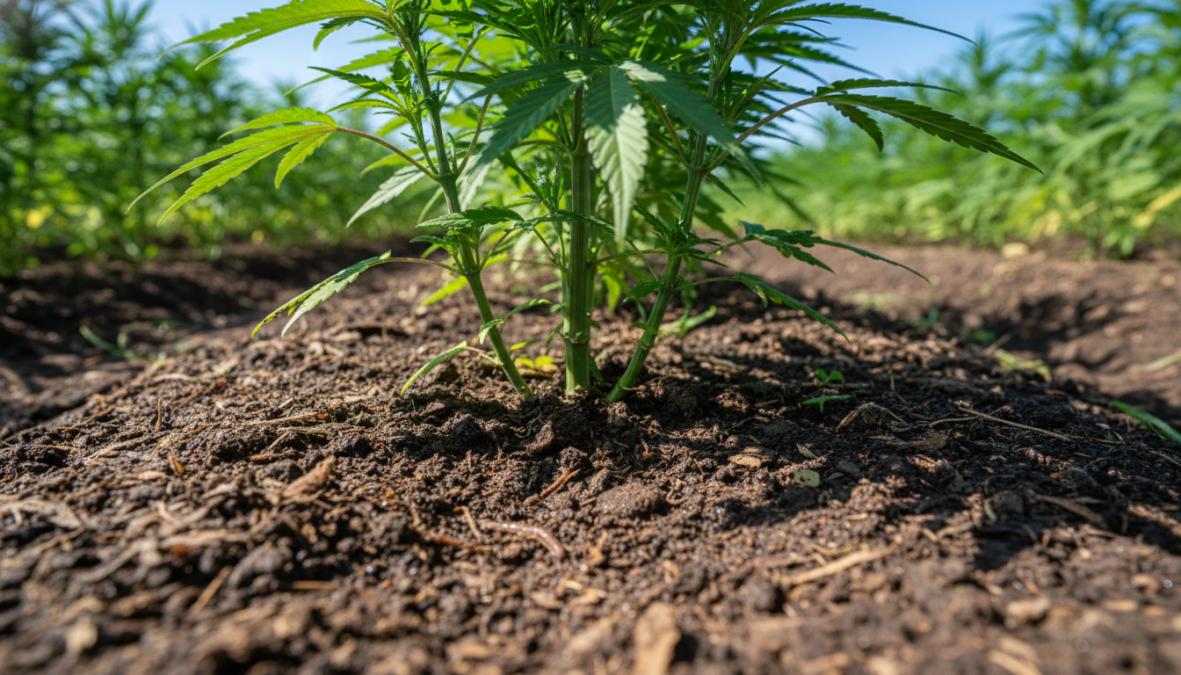
Organically grown hemp CBD is cannabidiol derived from hemp plants cultivated without synthetic pesticides, herbicides, chemical fertilizers, or genetically modified organisms, under verified agricultural standards that protect soil health, water quality, and consumer safety. The distinction matters enormously, and not just for philosophical reasons.
(/what-is-cbd-bioavailability/) Organically Grown Hemp CBD Really Means]
Hemp is a bioaccumulator, meaning the plant absorbs and concentrates whatever exists in its growing environment, including heavy metals, pesticides, and industrial contaminants. A hemp plant grown in compromised soil will concentrate those compounds in its resinous flower material, which then carries directly into the extract. Organic cultivation isn’t a premium marketing add-on; it’s a baseline safety requirement.
USDA Certified Organic Standards vs. ‘Organic’ Marketing Claims
USDA Certified Organic is a federally regulated designation requiring third-party verification that farms meet the USDA National Organic Program standards covering soil management, pest control, seeds, and handling. Achieving this certification requires documented practices, annual inspections, and a three-year transition period for previously conventional land.
The problem: any brand can print "organic" on packaging without certification. Terms like "all-natural," "clean," "pesticide-conscious," or "grown organically" carry zero regulatory weight. When evaluating a product, look for the USDA Organic seal specifically, or a clear statement that the hemp is sourced from USDA Certified Organic farms with verifiable documentation.
A meaningful secondary indicator is state-level program compliance. Hemp grown under the Kentucky Department of Agriculture’s licensed hemp program, for example, operates within a regulated framework that includes field inspections and testing requirements, adding another layer of accountability beyond a brand’s own claims.
Brands that use “organic” language without displaying a USDA Certified Organic seal or linking to third-party verification are making unregulated marketing claims. Purchasing based on those claims alone exposes you to pesticide residues and contaminants that organic certification specifically prevents.
Why Hemp Bioaccumulation Makes Organic Farming Non-Negotiable
Hemp bioaccumulation is the process by which hemp plants absorb and store environmental contaminants, including heavy metals like lead and cadmium, at concentrations far higher than those present in surrounding soil. This property, while useful for phytoremediation projects, becomes a serious concern in consumer products.
A hemp plant grown in soil treated with conventional pesticides doesn’t just carry surface residues. It pulls those compounds into its cellular structure. Supercritical CO2 extraction, the gold standard for clean CBD production, is excellent at concentrating cannabinoids and terpenes, but it also concentrates any contaminants present in the raw hemp material. Organic cultivation eliminates the source problem before extraction begins.
This is why seed-to-shelf transparency matters. Brands that disclose their farm sources, cultivation practices, and soil testing results are demonstrating the kind of accountability that protects consumers. Brands that don’t are asking you to trust a process you cannot verify.
Full-Spectrum vs Broad-Spectrum CBD: Which Type Is Right for You
Full-spectrum CBD is an extract that retains all naturally occurring cannabinoids, terpenes, flavonoids, and trace amounts of THC (below the 0.3% federally legal threshold), while broad-spectrum CBD contains the same plant compounds with THC removed or reduced to non-detectable levels.
The practical difference comes down to two things: the entourage effect and your personal circumstances. But there is a third variable almost no guide addresses, how the farming method itself determines whether a full-spectrum or broad-spectrum product actually delivers the terpene profile it claims.
Understanding Cannabinoids, Terpenes, and Flavonoids
The entourage effect describes how cannabinoids, terpenes, and flavonoids work synergistically to produce effects greater than any single compound alone. Full-spectrum extracts preserve this synergy. Broad-spectrum products attempt to replicate it without THC.
Cannabinoids like CBD interact with the endocannabinoid system, a regulatory network involved in pain perception, sleep, mood, and immune function. Terpenes such as myrcene, linalool, and beta-caryophyllene contribute their own effects on the endocannabinoid system and nervous system. Flavonoids like cannaflavins carry antioxidant and anti-inflammatory properties. Chlorophyll, present in raw hemp extracts, adds its own nutritional dimension.
CBD isolate, by contrast, is pure cannabidiol stripped of everything else. It’s THC-free and useful for people with strict sensitivity concerns, but it sacrifices the synergistic benefits of the full plant profile.
| Extract Type | THC Content | Entourage Effect | Best For |
|---|---|---|---|
| Full-Spectrum | Up to 0.3% | Maximum | General wellness, pain, sleep |
| Broad-Spectrum | Non-detectable | Moderate | THC-sensitive users, drug testing concerns |
| CBD Isolate | None | Minimal | Maximum purity, known sensitivities |
Terpene Profile Education: How Organic Farming Preserves What Industrial Methods Destroy
This is the section most CBD guides skip entirely, and it is the most important factor in understanding why organically grown hemp CBD performs differently from commodity hemp CBD at equivalent potency levels.
Terpenes are volatile aromatic compounds, volatile meaning they evaporate readily at relatively low temperatures. Hemp produces over 100 distinct terpenes in its resinous trichome glands, the same structures that produce cannabinoids. The terpene profile of a given hemp cultivar is genetically determined, but the expression of that profile, how richly the plant actually produces those compounds, is directly shaped by growing conditions.
How organic farming preserves terpene expression:
Terpene biosynthesis in hemp is a stress-response mechanism as much as a genetic one. Plants produce terpenes partly as a defense against UV radiation, insects, and environmental stressors. Organic farming practices that allow plants to experience natural environmental variation, without the chemical suppression of conventional pesticide programs, tend to produce more terpene-rich flower material. Specifically:
- Soil microbial diversity supports the enzymatic pathways (the MEP and MVA pathways) through which hemp synthesizes terpene precursors. Synthetic fertilizers and pesticides reduce soil microbial diversity, which narrows the nutrient inputs available to these pathways.
- Slower growth rates in organic systems, where nitrogen is released gradually from compost rather than delivered in concentrated synthetic form, allow terpene glands to mature more fully before harvest. Rapid vegetative growth from high-nitrogen conventional programs can dilute terpene density in the flower.
- No synthetic pesticide residues on trichome surfaces mean the terpene compounds are not chemically masked or degraded before extraction begins.
How industrial processing destroys terpenes that farming preserved:
Even hemp grown organically can arrive at the consumer with a depleted terpene profile if post-harvest handling is poor. Terpenes begin volatilizing immediately after harvest. The following processing steps each represent a terpene loss event:
- High-temperature drying: Rapid machine drying at elevated temperatures drives off volatile terpenes before they can be captured. Slow, low-temperature drying (often called ‘hang drying’ or ‘cure drying’) preserves significantly more of the terpene fraction.
- Aggressive milling: Fine milling of hemp biomass before extraction generates heat through friction and increases surface area exposure, accelerating terpene evaporation before the CO2 extraction chamber is even sealed.
- High-temperature extraction passes: As noted in the extraction section, CO2 extraction parameters can be tuned to protect terpenes. Operators who run a single high-pressure, high-temperature pass for efficiency sacrifice terpene yield for throughput.
- Post-extraction heat processing: Winterization (removing waxes and lipids) and decarboxylation (converting CBDa to CBD) both involve heat. Decarboxylation in particular, if run at higher temperatures for shorter times rather than lower temperatures for longer times, degrades terpene content measurably.
The result is that two products can both be labeled ‘full-spectrum, organically grown hemp CBD’ and have dramatically different terpene profiles, one rich and therapeutically active, one essentially a cannabinoid extract with trace aromatic remnants.
Reading terpene data on a COA:
A quality organically grown hemp CBD product will disclose its terpene profile on its certificate of analysis. The panel should list individual terpenes by name with concentrations expressed in mg/g or as a percentage. Key terpenes to look for and what they indicate about the product:
- Myrcene (earthy, musky): The most abundant terpene in most hemp cultivars. Associated with muscle relaxation and sedation. A high myrcene reading suggests the flower was handled gently post-harvest.
- Beta-caryophyllene (spicy, peppery): Unique among terpenes in that it binds directly to CB2 receptors in the endocannabinoid system, contributing anti-inflammatory activity independent of CBD. Its presence in meaningful concentrations indicates low-temperature extraction.
- Limonene (citrus): Highly volatile, one of the first terpenes lost to heat and oxidation. A detectable limonene reading is a positive signal about extraction and handling quality.
- Linalool (floral, lavender-adjacent): Associated with anxiolytic and calming effects. Commonly found in hemp cultivars bred for stress and sleep applications.
- Terpinolene (fresh, piney): Less common but associated with uplifting effects. Its presence often indicates a cultivar with a more complex, less myrcene-dominant profile.
If a brand cannot provide a terpene panel on their COA, they either do not test for terpenes or their extract does not contain meaningful concentrations worth reporting. Neither answer is acceptable for a product positioned as full-spectrum.
When comparing two full-spectrum products with similar CBD potency, the terpene panel is the deciding data point. A product showing five or more terpenes at detectable concentrations from organically grown, slow-cured hemp will consistently outperform a high-potency product with a sparse or absent terpene panel for most therapeutic applications. The milligram count of CBD is not the whole story.
Some brands add isolated terpenes back into an extract after processing to restore a terpene profile that was destroyed during extraction. This practice is not inherently harmful, but it is not the same as a naturally preserved full-spectrum terpene profile. Check whether the COA terpene panel was run on the finished product or on the raw extract, and ask the brand directly whether terpenes are naturally occurring or reintroduced.
Supercritical CO2 Extraction and Sustainable Farming Practices
The extraction method used to produce CBD concentrate determines the purity, potency, and safety profile of every product downstream. Supercritical CO2 extraction is the method that consistently separates pharmaceutical-grade producers from commodity manufacturers, but understanding why requires looking at the physics, not just the marketing language.
How Supercritical CO2 Extraction Actually Works
Carbon dioxide becomes ‘supercritical’ when it is held above 31.1°C and 1,071 psi simultaneously. At that threshold, it exhibits properties of both a liquid and a gas: it diffuses through raw hemp material like a gas but dissolves target compounds like a liquid solvent. Operators pump this supercritical CO2 through a chamber packed with dried, milled hemp biomass. The CO2 selectively strips cannabinoids and terpenes from the plant matrix and carries them into a separator vessel, where a controlled pressure drop causes the CO2 to return to gas phase and simply evaporate, leaving behind a clean, concentrated extract with no residual solvent.
The process is tunable in ways that matter for product quality. Lower pressure and temperature settings favor terpene preservation because volatile aromatic compounds are captured before they can off-gas. Higher pressure settings favor cannabinoid concentration. A skilled extraction operator runs a multi-stage process: a first pass at terpene-preserving parameters, a second pass at cannabinoid-optimized parameters, then recombines the fractions. This is why two products can both say ‘CO2 extracted’ and deliver dramatically different sensory and therapeutic profiles.
Solvent-based extraction using ethanol or hydrocarbon solvents is cheaper and faster, but introduces two problems that organic cultivation cannot solve: residual solvent risk and thermal terpene degradation. Ethanol extraction typically requires heat during solvent recovery, which volatilizes and destroys the same terpene compounds that organic farming worked to preserve. For organically grown hemp CBD, using a heat-intensive solvent process after investing in clean cultivation is a direct contradiction.
Environmental Impact Metrics: What Clean Production Actually Looks Like
This is where most brands stop at slogans. The competitive landscape is full of ‘sustainable’ claims attached to no data whatsoever. Here is what the actual environmental picture looks like for organic hemp versus conventional agriculture, based on publicly documented agricultural research.
Water consumption: Hemp is naturally drought-tolerant compared to many commodity crops. Conventional hemp grown for fiber or seed in irrigated systems can require significant water inputs, while organically managed hemp grown in rain-fed systems in regions like Kentucky and Oregon operates with substantially lower irrigation demand. Organic soil management, specifically the use of cover crops and compost amendments, increases soil water-holding capacity, meaning organic fields require less supplemental irrigation to maintain plant health during dry periods.
Synthetic input elimination: USDA Certified Organic hemp farming prohibits the use of synthetic nitrogen fertilizers. Conventional nitrogen fertilizer production is one of the most energy-intensive processes in agriculture, relying on the Haber-Bosch process, which is estimated by the Food and Agriculture Organization of the United Nations to account for roughly 1-2% of global energy consumption annually. Organic hemp farms replace synthetic nitrogen with legume cover crops (which fix atmospheric nitrogen biologically), compost, and green manures, eliminating that energy cost from the supply chain entirely.
Carbon sequestration: Hemp’s deep taproot system, which can extend more than a meter into the soil profile, contributes to soil organic carbon accumulation. Organic farming practices that minimize tillage and add compost further build soil organic matter over time. Soil organic matter is a stable carbon sink. Conventional tillage-intensive agriculture depletes it. This distinction is rarely quantified on CBD product pages, but it represents a genuine, measurable environmental difference between organic and conventional hemp supply chains.
CO2 extraction’s closed-loop advantage: Supercritical CO2 extraction systems recapture and recycle the CO2 used in each extraction cycle. The CO2 is not consumed or vented, it is recirculated through a closed loop. This means the extraction step adds negligible net CO2 to the atmosphere, unlike solvent-based systems that require solvent disposal or recovery processes with their own energy and waste footprints.
Packaging and waste: cGMP-compliant facilities maintain documented waste management procedures. When evaluating a brand’s environmental claims, ask specifically: Do they use recyclable or compostable packaging? Do they source CO2 from industrial byproduct streams (captured CO2 from fermentation or combustion processes) rather than purpose-manufactured CO2? These questions separate brands with genuine environmental commitments from those using sustainability as a positioning term.
The Importance of Soil Health in Organic Hemp Cultivation
Soil health is the foundation of organically grown hemp CBD quality, and it’s the variable most brands never discuss. Healthy soil contains diverse microbial communities, adequate organic matter, proper pH balance, and sufficient mineral content, all of which directly influence the cannabinoid and terpene expression of hemp plants.
The mechanism is not abstract. Mycorrhizal fungi form symbiotic relationships with hemp root systems, extending the plant’s effective nutrient absorption surface area by orders of magnitude. These fungal networks are destroyed by synthetic fungicides and disrupted by tillage. Organic farming practices that protect soil fungal communities give hemp plants access to a broader mineral profile, which supports the enzymatic pathways responsible for terpene and cannabinoid biosynthesis.
Hemp grown in depleted, over-tilled soil produces lower cannabinoid concentrations and thinner terpene profiles. Sustainable cultivation practices, including cover cropping, crop rotation, composting, and minimal tillage, build soil organic matter over time and support the plant’s natural resin production. Resinous hemp flower, the kind that comes from well-managed organic farms, carries significantly higher concentrations of beneficial compounds than commodity hemp grown for fiber or seed.
According to USDA Agricultural Research Service soil health resources, soil microbial diversity directly correlates with plant nutrient uptake efficiency, which has measurable downstream effects on plant compound concentrations.
The environmental case for organically grown hemp CBD is not just philosophical. It runs from the elimination of synthetic nitrogen fertilizer energy costs, through water-efficient soil management, to closed-loop CO2 extraction with no solvent waste. When a brand claims sustainability, these are the specific mechanisms worth asking about, and the absence of answers is itself informative.
CBD Third-Party Lab Testing: Why It Protects Every Purchase
Third-party lab testing for CBD is the practice of sending product samples to an independent, accredited laboratory for analysis of cannabinoid content, terpene profile, pesticide residues, heavy metals, microbial contamination, and residual solvents. It’s the only mechanism that makes brand claims verifiable.
The critical word is "independent." In-house testing by the manufacturer has no credibility because the manufacturer controls both the process and the results. Accredited third-party labs, particularly those certified by the ISO/IEC 17025 laboratory accreditation standard, operate under quality management systems that ensure testing accuracy and consistency.
CBD Health Collection’s products are independently third-party lab tested for purity and potency, with results available to consumers. This isn’t a differentiator in a well-functioning market, but in the current CBD landscape, it genuinely is.
What third-party testing should cover:
- Cannabinoid potency: Confirms CBD concentration matches label claims
- THC content: Verifies compliance with federal 0.3% limit
- Pesticide panel: Screens for dozens of common agricultural chemicals
- Heavy metals: Tests for lead, cadmium, arsenic, and mercury
- Microbial contamination: Checks for mold, yeast, and bacteria
- Residual solvents: Confirms extraction process left no chemical residues
How to Read a Certificate of Analysis Step by Step
A Certificate of Analysis (COA) is a document produced by an accredited laboratory that reports the verified composition and contaminant status of a specific CBD product batch. Reading one correctly takes about three minutes once you know what to look for.
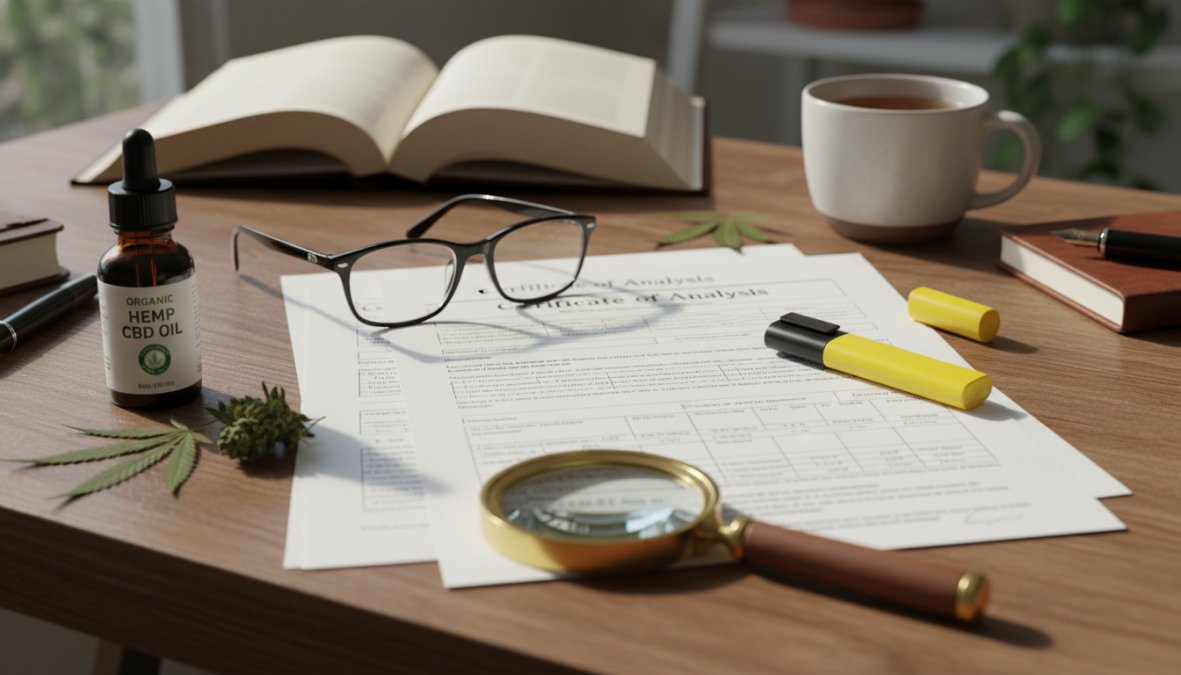
Step 1: Verify the testing lab. The lab name and accreditation number should appear at the top of the document. Search the lab name independently to confirm it’s a real, accredited facility, not a shell entity created by the brand.
Step 2: Match the batch number. The COA batch or lot number should match the number printed on your product packaging. A COA without a matching batch number could be from any product, any time.
Step 3: Check the cannabinoid panel. Look for CBD potency expressed as mg/mL or mg/unit. Confirm the declared THC content is below 0.3%. If the product is labeled THC-free, the THC result should read "ND" (not detected) or "BDL" (below detection limit).
Step 4: Review the contaminant panels. Pesticide, heavy metal, microbial, and solvent panels should all show "Pass" or individual results below action limits. Any "Fail" result is disqualifying.
Step 5: Check the test date. COAs older than 12 months may not reflect current production batches. Fresh testing indicates active quality control.
Regulatory Compliance Deep Dive: cGMP, FDA Registration, and State Programs
cGMP (current Good Manufacturing Practice) is a set of regulations enforced by the FDA that governs the manufacturing, testing, and quality control of products intended for human consumption. A cGMP-compliant facility maintains documented procedures, equipment calibration records, personnel training logs, and batch testing protocols that can be audited at any time.
FDA registration for a manufacturing facility is a separate but related requirement. Registered facilities appear in the FDA’s database, which is publicly searchable. This matters because it means the facility has submitted to federal oversight, not just self-declared compliance.
State-level programs add another layer. Hemp cultivated under the Kentucky Department of Agriculture program, for example, operates within a licensed framework that includes field inspections, planting reports, and pre-harvest THC testing. Products sourced from licensed state programs carry documented agricultural oversight that generic "USA-grown" claims do not.
CBD Health Collection produces its products in a GMP- and FDA-registered facility, which places it within the tier of manufacturers subject to actual regulatory oversight rather than voluntary standards alone.
The compliance trifecta for trustworthy organically grown hemp CBD is: USDA Certified Organic cultivation, cGMP-compliant manufacturing in an FDA-registered facility, and independent third-party lab testing with batch-matched COAs. All three must be present. Any single element alone is insufficient.
How to Choose the Right Organically Grown Hemp CBD Product
The biggest mistake people make when choosing hemp CBD is starting with the product format instead of starting with the health goal. Format determines bioavailability and onset time, which determines whether a product actually works for your specific application.
Shop by Health Goal: Matching Formats to Your Wellness Needs
Different delivery formats interact with the endocannabinoid system through different absorption pathways, producing meaningfully different onset times and duration profiles.
For pain relief and inflammation: Topical CBD products, including freeze gels and pain patches, deliver cannabinoids directly to localized tissue without systemic absorption. This makes them ideal for joint pain, muscle soreness, and targeted inflammation. The limitation is that they don’t address systemic or neuropathic pain effectively.
For sleep support: Soft gels and tinctures taken 30-60 minutes before bed provide sustained release through hepatic metabolism. Formulations that combine CBD with adaptogens or plant-based remedies like melatonin or valerian may enhance sleep quality beyond CBD alone.
For stress and anxiety: Sublingual tinctures offer the fastest onset, typically 15-30 minutes, because sublingual absorption bypasses first-pass liver metabolism. Broad-spectrum gummies are a convenient alternative with a slightly longer onset but excellent portability.
For pet wellness: Pet-specific CBD formulations account for differences in endocannabinoid system sensitivity and body weight. CBD Health Collection’s pet wellness products address anxiety and related conditions in animals using the same quality standards applied to human products.
Dosage Guidance: A Simple Framework to Find Your Starting Point
Dosage is where most new CBD users get frustrated, largely because there’s no universal standard. The endocannabinoid system varies significantly between individuals, and the same dose produces different effects in different people.
A practical starting framework:
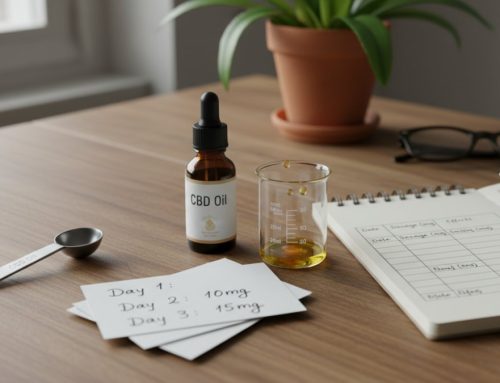
- Start low: Begin with 10-15mg of CBD per dose, regardless of the format
- Hold for 5-7 days: Give your endocannabinoid system time to respond before adjusting
- Titrate up gradually: Increase by 5-10mg increments every 5-7 days until you reach your target effect
- Track your response: Note sleep quality, pain levels, or anxiety scores daily during titration
- Account for bioavailability: Water-based CBD formulations and sublingual tinctures have higher bioavailability than standard oil-based capsules; the effective dose may be lower
According to Project CBD’s clinical dosing guidance for cannabidiol, individual responses to CBD vary based on body weight, metabolism, endocannabinoid tone, and the specific condition being addressed, which is why titration is more reliable than fixed dosing charts.
Body weight is a useful starting reference point, with many practitioners suggesting 0.25mg per pound of body weight as a conservative initial dose for general wellness. This is a starting point, not a ceiling.
Common Mistakes to Avoid When Buying Organic Hemp CBD
Most purchasing mistakes in this category are avoidable with a small amount of due diligence. These are the ones that come up repeatedly.
Trusting "organic" without certification. This is the most common error. Organic marketing language is unregulated. The USDA Organic seal is not. Only the latter carries enforceable meaning.
Ignoring the COA or accepting an outdated one. A COA dated more than 12 months ago tells you nothing about the batch you’re buying. Always request current testing documentation.
Prioritizing price over process. Genuinely organic hemp cultivation, supercritical CO2 extraction, and rigorous third-party testing are expensive. Products priced significantly below market rates are cutting corners somewhere in that chain, and the corners being cut are the ones that protect you.
Choosing isolate when full-spectrum or broad-spectrum would serve you better. CBD isolate is appropriate for specific circumstances, primarily strict THC avoidance. For most therapeutic applications, the full plant profile of a broad-spectrum or full-spectrum extract produces better outcomes through the entourage effect.
Overlooking bioavailability differences between formats. A 25mg CBD capsule in a standard oil base delivers meaningfully less active CBD than a 25mg water-based formulation because of differences in absorption efficiency. The milligram count on the label is not the bioavailable dose.
Not verifying the manufacturer’s facility credentials. Any brand can claim cGMP compliance. Only brands manufacturing in FDA-registered facilities have submitted to actual federal oversight. Verify facility registration independently when possible.
Purchasing CBD products from brands that cannot produce a current, batch-matched COA from an accredited independent lab is a meaningful health risk. Without verified testing, there is no way to confirm cannabinoid potency, THC compliance, or the absence of pesticides and heavy metals.
Finding genuinely clean, verified organically grown hemp CBD in a market full of unsubstantiated claims takes more effort than it should. CBD Health Collection addresses this directly: products derived from organically grown, USA-sourced hemp, extracted via clean CO2 processing, manufactured in a GMP- and FDA-registered facility, and independently third-party lab tested for purity and potency. A 30-day satisfaction guarantee and free shipping remove the remaining barrier to trying a product that meets every standard this guide covers. Get started with CBD Health Collection and experience the difference that pharmaceutical-grade standards make in a hemp CBD product.
Frequently Asked Questions
What does organically grown hemp CBD mean?
Organically grown hemp CBD comes from hemp plants cultivated without synthetic pesticides, herbicides, or chemical fertilizers. Ideally, the farm follows USDA Certified Organic standards, which require documented soil health practices, non-GMO seeds, and full traceability from seed to shelf. Because hemp is a known bioaccumulator, meaning it absorbs whatever is in the soil, organic farming practices are especially critical for ensuring the final CBD product is contaminant-free and safe to consume.
Is organic CBD oil better than non-organic?
Organically grown hemp CBD is generally considered a cleaner, safer choice. Hemp readily absorbs heavy metals, pesticides, and other soil contaminants, which can concentrate in the extracted oil. Organic cultivation minimizes this risk. That said, the label 'organic' alone isn't enough, always verify with third-party lab testing and a Certificate of Analysis (COA) that confirms the product is free of pesticides, solvents, and heavy metals regardless of how it is marketed.
How can I verify if my CBD is made from organic hemp?
The most reliable way to verify organically grown hemp CBD is to request or download the product's Certificate of Analysis (COA) from an independent, accredited lab. A thorough COA will include pesticide screening, heavy metal panels, microbial testing, and potency results. Look for USDA Certified Organic certification on the label, check whether the hemp is USA-sourced, and confirm the manufacturer is cGMP-compliant and operates in an FDA-registered facility for additional quality assurance.
What is the difference between full-spectrum and broad-spectrum CBD from organic hemp?
Full-spectrum CBD retains all naturally occurring cannabinoids, terpenes, and flavonoids from the hemp plant, including trace amounts of THC (under 0.3%). Broad-spectrum CBD preserves most of those compounds but undergoes additional processing to remove detectable THC, making it THC-free. Both benefit from what is called the entourage effect, where cannabinoids and terpenes work together to support the endocannabinoid system. The right choice depends on your personal wellness goals and any sensitivity to THC.
Why is hemp considered a bioaccumulator, and why does it matter for CBD?
Hemp bioaccumulation refers to the plant's natural ability to absorb and store substances, both beneficial and harmful, from the soil and surrounding environment. This is why hemp has been studied for phytoremediation of contaminated land. For CBD consumers, it means that hemp grown in pesticide-laden or heavy-metal-contaminated soil can pass those toxins directly into the extracted oil. Choosing organically grown hemp CBD from farms with verified soil health practices and third-party lab-tested products is the most effective safeguard.
What should I look for on a CBD product label?
Key things to look for include: USDA Certified Organic or organically grown hemp sourcing, the type of extract (full-spectrum, broad-spectrum, or isolate), total CBD potency per serving, extraction method (supercritical CO2 is preferred), a QR code or link to a third-party Certificate of Analysis, non-GMO and pesticide-free claims, and whether the product is manufactured in a cGMP-compliant, FDA-registered facility. Traceability from seed to shelf and a clear satisfaction guarantee are also strong trust signals.
This article was written using GrandRanker