Table of Contents
- Best CBD Oils for Absorption: Our Top Picks at a Glance
- CBD Bioavailability Explained: Why Most CBD Never Reaches Your Bloodstream
- Factors Affecting CBD Absorption You Need to Know
- How to Take CBD Oil for Best Results: A Step-by-Step Guide
- Best CBD Oils for Absorption Reviewed: Full Breakdown
- 1. CBD Health Collection, Best Water-Based CBD for Bioavailability
- 2. NextEvo Naturals Premium Pure CBD, Best for Fast-Acting Relief
- 3. Ojai Energetics Full Spectrum Hemp Elixir, Best Nano-Emulsion Oil
- 4. Elixinol Everyday Rapid Reset Liposome, Best Liposomal CBD
- 5. NuLeaf Naturals Full Spectrum CBD Oil, Best Traditional Full-Spectrum Option
- Types and Forms of CBD: Which Absorbs Best?
- How We Chose: Our Methodology and Selection Criteria
- Conclusion: Getting the Most Absorption From Your CBD Oil
Last Updated: May 23, 2026
Finding the best cbd oil for absorption is harder than most product pages let on. CBD bioavailability varies dramatically by delivery method, and a significant portion of cannabidiol consumed in traditional oil form never reaches the bloodstream due to first-pass metabolism. This guide from CBD Health Collection cuts through the marketing noise to explain the science behind absorption, rank the top products for 2026, and give you a practical framework for getting the most from every dose. Below, we’ll show you exactly how delivery technology, fat co-administration, and your own metabolic profile interact to determine what actually works.
Best CBD Oils for Absorption: Our Top Picks at a Glance
The best options for CBD absorption share one trait: they solve the lipophilic problem. CBD is fat-soluble, which means it does not mix easily with water-based blood plasma. Products that address this through nano-emulsion, liposomal encapsulation, or water-soluble formulations consistently outperform traditional tinctures on bioavailability.
Quick Comparison Table: Delivery Method, Bioavailability & Price
| Product | Delivery Technology | Best For | Starting Price |
|---|---|---|---|
| CBD Health Collection | Water-based, CO2 extracted | Overall bioavailability + transparency | Visit site |
| NextEvo Naturals Premium Pure CBD | SmartSorb nano-emulsion | Fast-acting relief | $44.99 |
| Ojai Energetics Full Spectrum Hemp Elixir | Nano-emulsion, water-soluble | Speed + clean label | $74.95 |
| Elixinol Everyday Rapid Reset Liposome | Liposomal encapsulation | Digestive protection | $89.99 |
| NuLeaf Naturals Full Spectrum CBD Oil | Traditional full-spectrum oil | Budget-conscious full-spectrum | $30.00 |
Water-soluble and nano-emulsified CBD products consistently outperform traditional oil tinctures for absorption. If bioavailability is your priority, the delivery technology matters more than the potency listed on the label.
CBD Bioavailability Explained: Why Most CBD Never Reaches Your Bloodstream
CBD bioavailability is the percentage of a consumed dose that actually enters systemic circulation and produces an active effect. For traditional oral CBD oil, bioavailability is generally low because the compound must survive the digestive system and pass through the liver before reaching the bloodstream.
The endocannabinoid system, which CBD interacts with, is distributed throughout the body. But getting cannabinoids to those receptors efficiently is a pharmacokinetics challenge that most product labels ignore entirely.
First-Pass Metabolism and the CYP450 Problem
Here is where it gets interesting. When you swallow CBD in a capsule or gummy, it travels through the digestive system and enters the portal vein, which routes it directly to the liver. There, CYP450 liver enzymes metabolize a substantial portion of the compound before it ever enters general circulation. This is first-pass metabolism, and it is the primary reason oral CBD has lower bioavailability compared to sublingual or inhalation delivery.
The CYP450 enzyme family is also responsible for metabolizing many common medications and supplements. This creates a real interaction risk for people taking certain drugs alongside CBD, a point covered in more detail below.
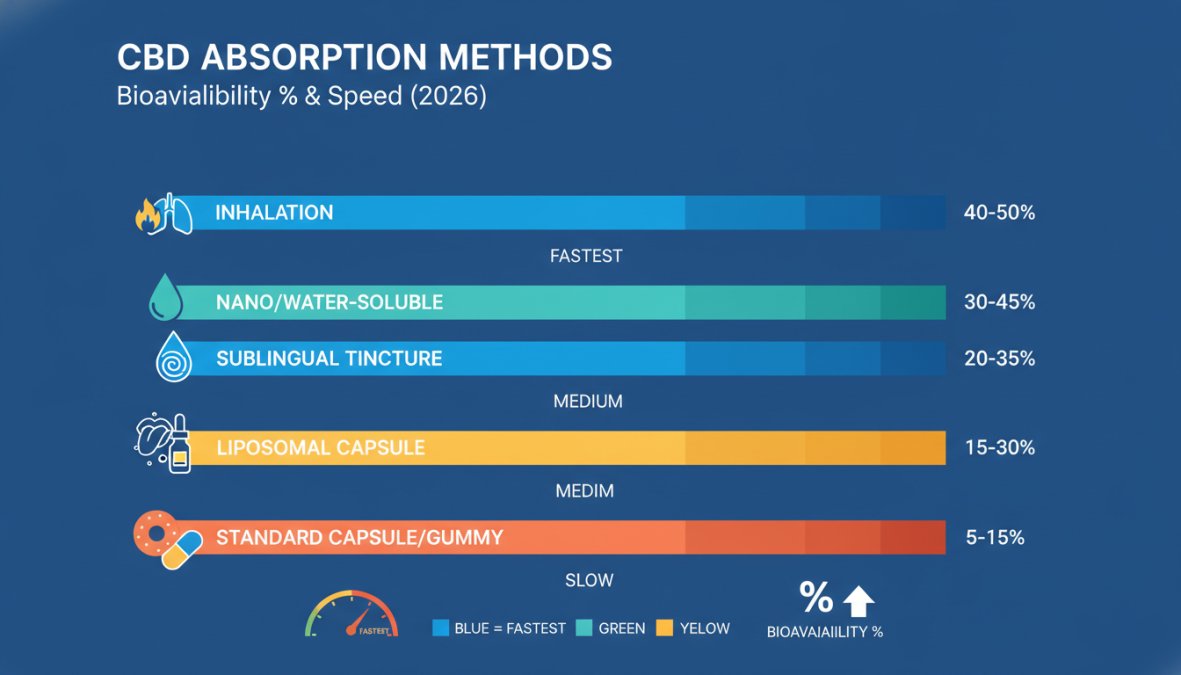
Visualizing Bioavailability: How Different Delivery Methods Compare
Think of bioavailability as a percentage of what you paid for actually doing its job. Traditional oral ingestion sits at the lower end of the spectrum. Sublingual absorption bypasses first-pass metabolism by allowing cannabinoids to pass directly through mucous membranes into capillaries. Nano-emulsified and water-soluble formulations take this further by breaking CBD into microscopic droplets that disperse in water-based blood plasma far more efficiently than standard oil particles.
Liposomal delivery encapsulates CBD in phospholipid spheres that mimic cell membranes, protecting the compound from stomach acid and enabling more efficient transport across cell walls. Each technology addresses the lipophilic barrier from a different angle, which explains why delivery method selection is the single most impactful purchasing decision you can make.
Factors Affecting CBD Absorption You Need to Know
Most guides treat CBD dosage as the main variable. That is the wrong frame. Dosage matters far less than the biological and behavioral factors that determine how much of that dose actually reaches the endocannabinoid system. This section goes deeper than any standard product review by mapping the specific variables, metabolic, dietary, and supplemental, that shift your effective dose without you changing a thing on the label.
Individual Metabolic Variance: Why the Same Dose Hits Differently
Two people can take the identical product at the identical dose and experience completely different effects. This is not placebo variance. It is pharmacokinetics, and several well-documented biological factors drive it.
Body composition and fat tissue accumulation. CBD is lipophilic, meaning it preferentially distributes into fatty tissue rather than remaining in the bloodstream. Individuals with higher body fat percentages may experience a slower onset and a longer duration because CBD is sequestered in adipose tissue and released gradually. This is not inherently better or worse, it changes the absorption curve, not just the peak.
Liver enzyme genetics (CYP450 polymorphisms). The CYP2C19 and CYP3A4 enzymes are the primary metabolizers of CBD during first-pass metabolism. Genetic variants called single nucleotide polymorphisms (SNPs) cause some individuals to be classified as poor metabolizers, intermediate metabolizers, or ultra-rapid metabolizers of these enzymes. A poor metabolizer will retain more CBD in circulation from the same dose; an ultra-rapid metabolizer will break it down faster, reducing effective exposure. This is the same mechanism that explains why some people need twice the standard dose of certain medications while others need half. Consumer pharmacogenomic testing (services like GeneSight or standard 23andMe health reports) can flag CYP2C19 status, which is directly relevant to CBD metabolism.
Age and reduced enzyme activity. Hepatic enzyme activity generally declines with age. Older adults often find that lower doses produce stronger or longer-lasting effects, not because their endocannabinoid receptors are more sensitive, but because reduced CYP450 activity means less CBD is broken down before it reaches systemic circulation. This is a clinically recognized pattern with many lipophilic compounds and is one reason starting doses for adults over 60 are often recommended at the lower end of any range.
Gut microbiome diversity and intestinal absorption. The gut microbiome plays an underappreciated role in cannabinoid metabolism. Certain gut bacteria produce enzymes that can deconjugate CBD metabolites, effectively recycling them back into active form through enterohepatic recirculation. Individuals with higher microbiome diversity, associated with diets rich in fiber, fermented foods, and diverse plant matter, tend to have more efficient intestinal absorption of lipophilic compounds generally. Dysbiosis (reduced microbiome diversity, often linked to antibiotic use, high-sugar diets, or chronic stress) can impair this process. While direct clinical studies on CBD and microbiome interaction are still emerging, the mechanism is consistent with how other fat-soluble compounds like Vitamin D and Vitamin K are processed.
If you have recently completed a course of antibiotics or follow a low-fiber diet, your gut microbiome may be temporarily compromised. Taking a probiotic supplement for several weeks before establishing a CBD routine may improve baseline intestinal absorption conditions, not just for CBD, but for fat-soluble nutrients broadly.
Food Pairing and Fat Co-Administration: What the Data Suggests
This is one of the angles most product guides skip entirely, defaulting to a vague note about ‘taking with food.’ The mechanism is specific enough to be actionable.
CBD absorption increases when taken alongside dietary fat because lipids in the digestive tract stimulate bile secretion and the formation of mixed micelles, tiny lipid-water emulsions that serve as transport vehicles for fat-soluble compounds across the intestinal wall. The more bioavailable the fat source, the more efficient this transport becomes.
High-fat foods that meaningfully support CBD absorption:
- Avocado: High in oleic acid (a monounsaturated fat) and naturally occurring plant sterols. A half avocado alongside a CBD dose provides a sustained lipid environment in the digestive tract.
- Whole eggs: The yolk contains phosphatidylcholine, a phospholipid that is structurally similar to the lipid shell used in liposomal CBD formulations. Taking CBD with eggs may create a naturally liposomal-like environment.
- Walnuts and almonds: Rich in omega-3 and omega-6 fatty acids. A small handful (roughly 1 oz) provides enough dietary fat to stimulate bile production without a full meal.
- Coconut oil and MCT oil: Medium-chain triglycerides (MCTs) are absorbed more rapidly than long-chain fats because they bypass the lymphatic system and go directly to the portal vein. This makes MCT oil the most efficient fat co-administration option for CBD, it creates a rapid lipid surge that CBD can travel alongside. One teaspoon added to a beverage or taken directly is sufficient.
- Olive oil: A tablespoon of extra-virgin olive oil provides oleocanthal and oleic acid, both of which support lipid absorption pathways. Many traditional CBD tinctures already use olive oil as a carrier for this reason.
- Fatty fish (salmon, sardines): Provides omega-3 fatty acids (EPA and DHA) alongside phospholipids, creating a dual-pathway absorption environment.
Practically, this means taking a standard CBD oil tincture with any of the above foods can meaningfully improve the bioavailability of even a non-nano-emulsified product. You do not need to upgrade to a more expensive formulation if you are willing to be deliberate about timing your dose with a fat-containing meal.
Take traditional CBD oil tinctures with a fat-containing meal or add a teaspoon of MCT oil to your routine. This simple food-pairing adjustment can improve absorption from a standard oil product without changing your dose or spending more money. Among the options, MCT oil and whole eggs offer the most mechanistically direct support for CBD uptake.
Interaction With Other Supplements and Liver Enzymes
This is a content gap nearly every competitor ignores, and it is directly relevant to the large percentage of CBD users who also take a daily supplement stack.
CBD inhibits CYP3A4 and CYP2D6 enzymes at clinically relevant doses. This is not a theoretical concern, it is the same mechanism behind the well-documented interaction between CBD and certain antiepileptic drugs. The practical implication for supplement users is that compounds metabolized by the same enzyme pathways may have their effective concentration altered when taken alongside CBD.
Supplements with shared CYP450 metabolism pathways:
- Vitamin D3: Metabolized in part by CYP3A4. Because CBD inhibits this enzyme, taking high-dose Vitamin D3 alongside CBD may slow Vitamin D metabolism, potentially increasing circulating Vitamin D levels over time. For most people at standard supplementation doses (1,000-2,000 IU), this is unlikely to be clinically significant. At high therapeutic doses (5,000+ IU), it is worth monitoring with periodic bloodwork.
- Omega-3 fatty acids (fish oil): Omega-3s are not primarily CYP450-metabolized, but they do influence the lipid environment in which CBD is absorbed. Taking fish oil alongside CBD may actually enhance absorption by increasing the availability of phospholipids in the intestinal lumen, a potentially synergistic interaction rather than a competitive one.
- Melatonin: Metabolized by CYP1A2. CBD has a weaker inhibitory effect on CYP1A2 than on CYP3A4, but at higher CBD doses, melatonin clearance may slow. Users who combine CBD and melatonin for sleep and find the melatonin effect unusually strong or prolonged may be experiencing this interaction.
- St. John’s Wort: This is a CYP3A4 inducer, meaning it has the opposite effect, it speeds up enzyme activity and may accelerate CBD metabolism, reducing effective CBD exposure. Users taking St. John’s Wort for mood support may find CBD less effective than expected.
- Curcumin (turmeric supplements): Also a CYP3A4 inhibitor. Stacking curcumin with CBD may compound enzyme inhibition, potentially increasing the circulating concentration of both compounds beyond what either label dose would suggest.
The interaction does not automatically make any of these combinations unsafe. It means your effective dose of both CBD and the co-administered supplement may shift from what the label implies. According to FDA guidance on CBD and drug interactions, consumers should consult a healthcare provider before combining CBD with prescription medications, and the same principle applies to high-dose supplement regimens.
If you take prescription medications metabolized by CYP3A4 or CYP2D6, including certain statins, blood thinners, anticonvulsants, or antidepressants, do not begin a CBD regimen without discussing it with your prescribing physician. The interaction risk is real and dose-dependent.
How to Take CBD Oil for Best Results: A Step-by-Step Guide
The delivery method you choose is the single biggest lever you have over CBD absorption rate.
Sublingual Method: The Gold Standard for Fast Absorption
Sublingual administration is the most effective delivery method for traditional CBD oil. The process is straightforward, but most users execute it incorrectly.
- Shake the bottle to distribute the carrier oil evenly
- Place the measured dose under the tongue using the dropper
- Hold the oil under the tongue for 60-90 seconds (most people stop at 15-20 seconds, which is too short)
- Swallow the remainder after holding
- Avoid eating or drinking for 10-15 minutes after dosing
The sublingual mucosa is rich in capillaries that allow cannabinoids to pass directly into the bloodstream, bypassing the digestive system and liver entirely. The carrier oil matters here: MCT oil is the most common and effective carrier because of its rapid absorption profile.
Oral Ingestion, Softgels, and Gummies: Trade-Offs to Understand
Softgels and gummies are convenient and provide consistent dosing, but they trade speed for ease of use. Both require full digestive processing, which means onset is slower (typically 30-90 minutes) and total bioavailability is lower than sublingual delivery.
The trade-off is predictability. Gummies and softgels produce a slower, more sustained release that many users prefer for sleep support or all-day stress management. The key is choosing products that use liposomal encapsulation or nano-emulsion technology even in capsule form, which partially offsets the first-pass metabolism penalty.
Never assume that a higher-milligram gummy equals a higher effective dose compared to a lower-milligram sublingual oil. The delivery method determines how much reaches your system. A 25mg nano-emulsified softgel may deliver more bioavailable CBD than a 50mg standard gummy.
Best CBD Oils for Absorption Reviewed: Full Breakdown
1. CBD Health Collection, Best Water-Based CBD for Bioavailability
CBD Health Collection earns the top position because it addresses bioavailability at the formulation level, not as an afterthought. Founded by pharmaceutical industry veteran Rick Bauer in 2017, the company applies a genuinely medically informed approach to product development that is rare in the consumer CBD space.
The water-based formulation is the standout feature. By converting CBD into a water-compatible form, CBD Health Collection products disperse efficiently in blood plasma without relying on the presence of dietary fat. This removes one of the biggest variables in absorption consistency.
Every product is derived from organically grown, USA-sourced hemp, extracted using a clean CO2 process, and produced in a GMP- and FDA-registered facility. Third-party COA (Certificate of Analysis) testing is independently verified, covering both purity and potency. The product range includes oils, broad-spectrum gummies, softgels, topical freeze gels, pain patches, sleep formulations, and pet wellness products.
Pros:
- Water-based formulation for optimized bioavailability
- Organically grown, CO2-extracted hemp
- GMP- and FDA-registered production facility
- Independently verified COA lab testing
- 30-day satisfaction guarantee with free shipping
Cons:
- Pricing not listed publicly (contact site for current offers)
Best for: Health-conscious individuals who want pharmaceutical-grade transparency and a water-soluble formulation that works regardless of dietary fat intake.
2. NextEvo Naturals Premium Pure CBD, Best for Fast-Acting Relief
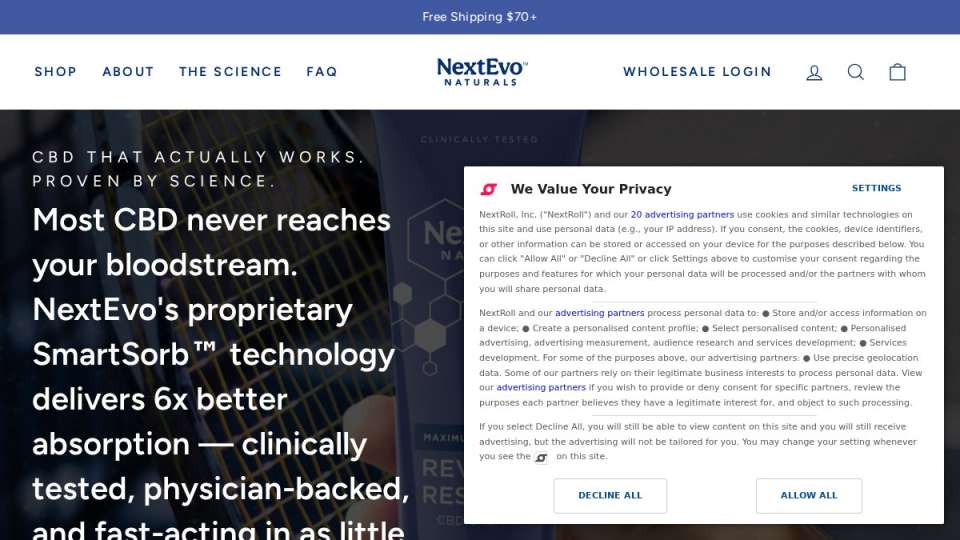
NextEvo’s SmartSorb technology creates a water-soluble CBD format that the company claims delivers significantly higher bioavailability than traditional oil-based products. The fast-acting onset, reportedly in as little as 10 minutes, makes it a strong choice for acute stress or discomfort management.
Available in capsules and gummies, the product line is vegan and gluten-free. The higher price point ($44.99 starting) reflects the advanced delivery technology.
Pros: Rapid absorption, clinically backed pharmacokinetic studies
Cons: More expensive than basic oil tinctures
3. Ojai Energetics Full Spectrum Hemp Elixir, Best Nano-Emulsion Oil
Ojai Energetics uses a proprietary nano-emulsion process to create a water-soluble, full-spectrum hemp extract without synthetic surfactants. The clean ingredient profile sets it apart from many nano-emulsion competitors that use chemical emulsifiers. Onset is reportedly within seconds for sublingual use.
At $74.95, it is a premium product, but the full-spectrum formulation preserves terpenes and the entourage effect, which broad-spectrum and isolate products sacrifice.
Pros: Extremely fast absorption, clean label, full-spectrum with terpenes intact
Cons: Premium pricing
4. Elixinol Everyday Rapid Reset Liposome, Best Liposomal CBD
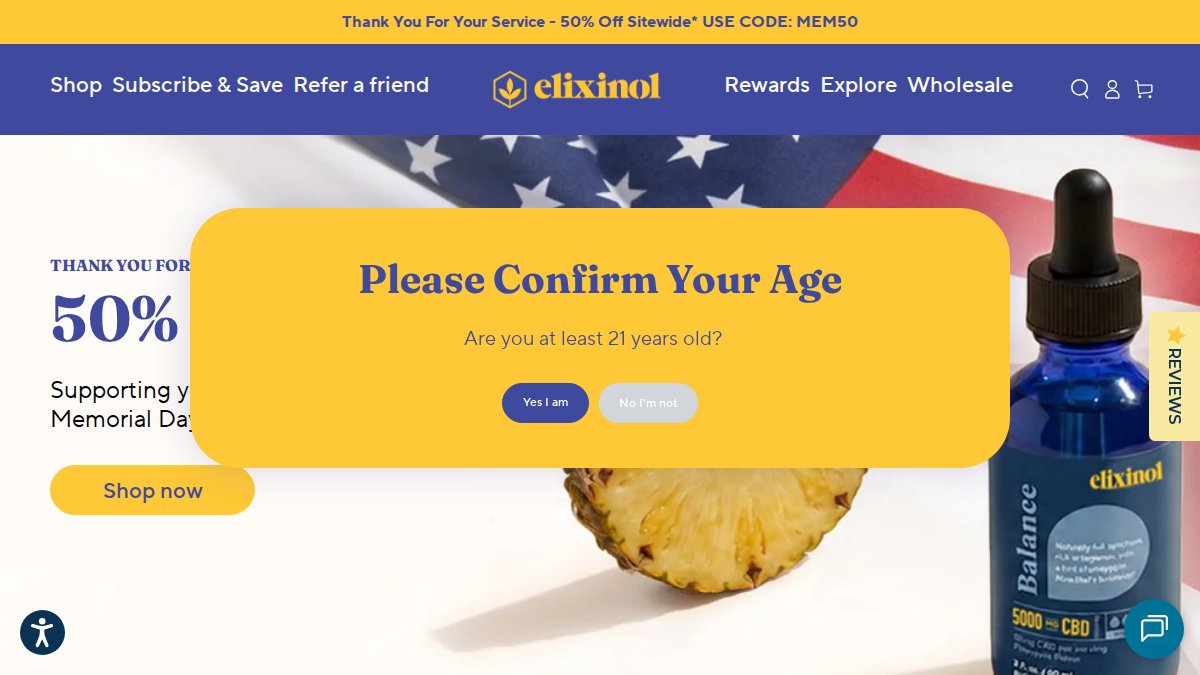
Liposomal delivery is the most clinically studied alternative to nano-emulsion for improving CBD bioavailability. Elixinol encapsulates cannabinoids in phospholipid spheres that protect the compound from stomach acid degradation and facilitate efficient transport across cell membranes. The broad-spectrum hemp extract uses supercritical CO2 extraction, and the orange-lemon flavoring makes it more palatable than many liposomal products.
At $89.99, this is the most expensive option on the list. The cost reflects the complexity of liposomal manufacturing.
Pros: Protects CBD from digestive degradation, efficient cell membrane transport
Cons: Highest price point, subscription required for best pricing
5. NuLeaf Naturals Full Spectrum CBD Oil, Best Traditional Full-Spectrum Option
NuLeaf Naturals does not use nano-emulsion or liposomal technology, and that honesty is part of why it belongs on this list. For users who want a straightforward, high-quality full-spectrum oil without advanced delivery technology, NuLeaf delivers a clean, third-party tested product at a competitive $30.00 starting price.
The organic hemp seed oil carrier provides a natural fat base that supports absorption when taken with food. High-potency options make it cost-effective for experienced users.
Pros: Simple ingredient list, reputable brand, affordable entry point
Cons: Lower bioavailability than nano-emulsified or liposomal alternatives
Types and Forms of CBD: Which Absorbs Best?
The spectrum of CBD product types matters because the type of extract interacts with the delivery method to determine the final absorption profile. But most guides stop at defining the three extract types without answering the question the heading promises: which one actually absorbs best, and why? This section provides a direct comparison, including a delivery-method bioavailability breakdown that most product reviews never attempt.
Full-Spectrum vs. Broad-Spectrum vs. CBD Isolate: Absorption Differences
Full-spectrum CBD retains all naturally occurring cannabinoids, terpenes, flavonoids, and trace amounts of THC (federally legal hemp products contain 0.3% THC or less). The entourage effect describes the synergistic interaction between these compounds. From an absorption standpoint, terpenes are relevant beyond their therapeutic role: several terpenes, including myrcene and beta-caryophyllene, are themselves lipophilic and may influence how the overall extract interacts with lipid-based transport mechanisms in the gut. Full-spectrum extracts also tend to have a more complex fatty acid profile from the hemp plant itself, which may marginally support absorption compared to a stripped isolate in the same carrier oil.
Broad-spectrum CBD removes THC while retaining other cannabinoids and terpenes. The absorption profile is functionally similar to full-spectrum when the delivery method is held constant. The primary trade-off is the loss of the minor cannabinoid THC, which some practitioners believe contributes to the entourage effect even at sub-psychoactive concentrations. For users subject to drug testing, broad-spectrum is the practical choice without a significant absorption penalty.
CBD isolate is pure cannabidiol, typically 98%+ purity, with all other plant compounds removed. Absorption profiles for isolate are comparable to full-spectrum and broad-spectrum when the delivery method is identical, the isolate itself is not inherently harder to absorb. The meaningful difference is that isolate lacks the entourage effect, which may reduce the therapeutic efficiency of the absorbed dose even if the pharmacokinetic absorption curve is similar.
Bottom line on extract type and absorption: Delivery method has a far larger impact on bioavailability than extract type. A nano-emulsified CBD isolate will outperform a traditional full-spectrum tincture on absorption. Choose your extract type based on your THC tolerance and entourage effect preference; choose your delivery method based on absorption priority.
Bioavailability by Delivery Method: A Practical Comparison
The following comparison is based on pharmacokinetic patterns documented in published research and commonly cited in clinical pharmacology literature. Exact percentages vary by individual, dose, and formulation, so ranges are used rather than single figures.
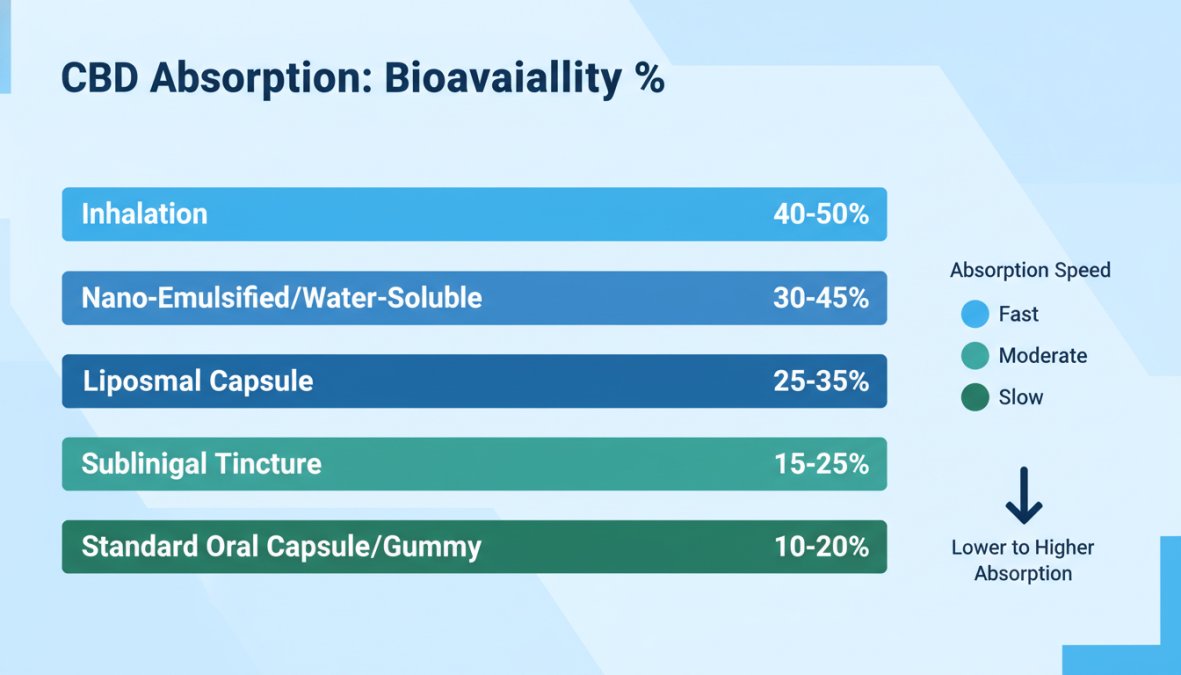
| Delivery Method | Estimated Bioavailability Range | Onset Time | Key Mechanism |
|---|---|---|---|
| Inhalation (vaporized) | High end of the spectrum | 2-5 minutes | Alveolar absorption, bypasses first-pass entirely |
| Sublingual tincture (held 60-90 sec) | Moderate-to-high | 15-45 minutes | Mucosal capillary absorption, partial first-pass bypass |
| Nano-emulsified / water-soluble oral | Moderate-to-high | 10-30 minutes | Reduced particle size improves plasma dispersion |
| Liposomal capsule | Moderate | 30-60 minutes | Phospholipid encapsulation protects from stomach acid |
| Standard oral capsule / gummy | Lower end | 30-90 minutes | Full first-pass metabolism, lipophilic barrier intact |
| Topical (skin application) | Localized only | 15-45 minutes (local) | Does not reach systemic circulation in meaningful amounts |
Inhalation delivers the highest systemic bioavailability but introduces respiratory considerations that make it unsuitable for many users. For non-inhalation methods, nano-emulsified and sublingual formats are the practical leaders. Standard gummies and capsules sit at the lower end, not because the CBD is lower quality, but because the delivery format does not address the lipophilic barrier.
A note on topical CBD: Topical products are frequently marketed alongside absorption claims, but transdermal CBD delivery, meaning CBD that crosses the skin barrier and reaches systemic circulation, requires specific penetration enhancers and is not achieved by standard lotions or balms. Standard topicals work locally at the site of application (skin, underlying muscle tissue) but should not be expected to produce systemic effects. Transdermal patches with penetration-enhancing formulations are a different category and do achieve limited systemic delivery.
Water-Soluble and Nano-Emulsified CBD vs. Traditional Tinctures
Traditional tinctures suspend CBD in a carrier oil, most commonly MCT oil, hemp seed oil, or olive oil. They perform well sublingually because the mucous membranes under the tongue can absorb lipophilic compounds directly. When swallowed, however, they face the full lipophilic barrier: the oil-based CBD must be emulsified by bile before it can be transported across the intestinal wall, and a significant portion is metabolized by the liver before reaching systemic circulation.
Water-soluble and nano-emulsified formats address this by reducing CBD particle size to the nanometer range (typically 10-100 nanometers) through high-pressure homogenization or ultrasonic processing. At this scale, CBD particles can disperse in water-based blood plasma without requiring bile-mediated emulsification. The result is faster onset and more consistent absorption regardless of whether the user has eaten a fat-containing meal.
Liposomal delivery takes a different approach: rather than reducing particle size, it encapsulates CBD in phospholipid bilayer spheres (liposomes) that structurally mimic cell membranes. This protects CBD from stomach acid degradation and allows the liposome to fuse with intestinal cell membranes, delivering its payload directly into the cell. Liposomal technology is well-established in pharmaceutical drug delivery and represents the most clinically studied alternative to nano-emulsion for improving oral bioavailability of lipophilic compounds.
According to National Institutes of Health research on cannabinoid bioavailability, the pharmacokinetics of CBD are significantly influenced by formulation type and route of administration. Water-soluble formulations represent the most meaningful advancement in consumer CBD delivery since the category emerged, and liposomal formats provide a well-validated alternative for users who prefer capsule-based dosing.
If you are choosing between a nano-emulsified product and a liposomal product at similar price points, consider your primary use case. Nano-emulsified formats tend to offer faster onset, making them better suited for acute needs (stress, discomfort). Liposomal formats offer more protection from digestive degradation, which may benefit users with acid reflux, IBS, or other conditions that compromise the digestive environment.
How We Chose: Our Methodology and Selection Criteria
The products on this list were evaluated against a consistent set of criteria focused on what actually determines absorption quality, not marketing claims.
Selection criteria:
- Delivery technology: Does the product use a mechanism that addresses the lipophilic barrier? Water-soluble, nano-emulsified, and liposomal products scored higher than standard oil tinctures.
- Third-party testing: Every product must have a publicly available COA from an independent lab, covering both potency and contaminant screening.
- Extraction method: CO2 extraction is the cleanest method, avoiding residual solvents that can affect purity.
- Ingredient transparency: Carrier oils, emulsifiers, and additives should be clearly disclosed.
- Hemp sourcing: Organically grown, USA-sourced hemp reduces pesticide and heavy metal contamination risk.
- Brand credibility: Manufacturing standards (GMP, FDA-registered facilities) and company history were weighted.
What we deliberately excluded: products that claimed bioavailability improvements without any explanation of the underlying mechanism, and brands that could not provide verifiable third-party lab documentation. According to Project CBD’s guide to evaluating CBD products, independent lab testing is the minimum standard for any CBD product worth purchasing.
Before purchasing any CBD product, request or locate the COA directly. A legitimate COA will show the batch number, testing date, cannabinoid profile, and results for pesticides, heavy metals, and residual solvents. If a company cannot provide this, move on.
Conclusion: Getting the Most Absorption From Your CBD Oil
Choosing the best cbd oil for absorption comes down to three decisions: delivery technology, extraction quality, and how you take it. Advanced formats like nano-emulsion and liposomal encapsulation address the lipophilic barrier directly. Sublingual administration bypasses first-pass metabolism. Fat co-administration improves traditional oil performance. None of these levers require spending more money on a higher-milligram product.
The challenge most CBD buyers face is not finding a product with a high milligram count. It is finding a product where the milligrams actually reach the bloodstream. CBD Health Collection was built specifically to solve this problem, with a water-based formulation designed for optimized bioavailability, organically grown hemp, CO2 extraction, and independently verified COA testing from a GMP- and FDA-registered facility. Get started with CBD Health Collection and experience the difference that pharmaceutical-grade formulation transparency makes on every dose.
Frequently Asked Questions
Which form of CBD has the highest absorption rate?
Water-soluble and nano-emulsified CBD formulations generally offer the highest absorption rates because they bypass much of the digestive system's breakdown process. Sublingual tinctures come in a close second by absorbing directly through the mucous membranes under the tongue, avoiding first-pass metabolism in the liver. Traditional oral ingestion via gummies or softgels tends to have the lowest bioavailability due to digestive and liver enzyme degradation before the cannabinoids reach the bloodstream.
Does taking CBD oil with food or fat increase absorption?
Because CBD is a lipophilic compound, taking it alongside healthy dietary fats, such as avocado, coconut oil, or MCT oil, may support better absorption during oral ingestion. The presence of fat in the digestive system can help facilitate the transport of fat-soluble cannabinoids into the bloodstream. This food-pairing approach is particularly relevant for gummies and softgels rather than sublingual tinctures, where the delivery method already bypasses much of the digestive system.
Is sublingual CBD better for absorption than edibles?
Generally, yes. Sublingual administration, holding a CBD tincture under the tongue for 60-90 seconds, allows cannabinoids to absorb directly through the sublingual mucosa into the bloodstream, largely bypassing first-pass metabolism in the liver. Edibles like gummies must travel through the digestive system and are processed by liver enzymes, which can significantly reduce the amount of active CBD that ultimately enters systemic circulation. For faster onset and more efficient dosing, sublingual delivery is typically the better method.
How do I know if a CBD oil is high quality and safe to use?
Look for products that are hemp-derived, made from organically grown plants, and extracted using a clean CO2 process. Most importantly, always verify that the product comes with a third-party Certificate of Analysis (COA) from an independent lab, confirming potency and the absence of contaminants. Products manufactured in GMP- and FDA-registered facilities offer an additional layer of quality assurance. Transparency around sourcing, extraction method, and lab testing is the clearest signal of a trustworthy CBD brand.
Can individual metabolism affect how well CBD is absorbed?
Yes, significantly. Individual metabolic variance, including body weight, body fat percentage, gut health, and the activity level of liver enzymes like CYP450, can all influence how efficiently CBD is absorbed and processed. Two people taking the same dose and delivery method may experience noticeably different effects. This is why starting with a lower dose and adjusting gradually is a widely recommended approach, and why high-bioavailability formulations like water-soluble or liposomal CBD can help reduce the variability between individuals.
This article was written using GrandRanker