Table of Contents
- Why Natural Alternatives for Chronic Inflammation Matter
- The Benefits of CBD for Inflammation: What the Research Shows
- Build an Anti-Inflammatory Diet Plan That Works
- Key Lifestyle Changes to Reduce Systemic Inflammation
- Top Herbal Supplements Compared for Chronic Inflammation
- Safety First: Drug Interactions and Natural Anti-Inflammatories
- Your Action Plan for Reducing Chronic Inflammation Naturally
- Frequently Asked Questions
Last Updated: September 7, 2026
Why Natural Alternatives for Chronic Inflammation Matter
Chronic inflammation is a persistent immune response linked to joint pain, metabolic issues, and fatigue. For millions of Americans, the search for natural alternatives for chronic inflammation has moved from curiosity to necessity, driven by concerns about long-term medication use. At CBD Health Collection, we bring a science-based, medically informed approach to the development and retail of premium cannabidiol products.
The conventional approach often stops at symptom management, but the real opportunity lies in addressing root drivers like oxidative stress and cytokine activity. Inflammation is highly personal; what triggers one person may not affect another. This guide covers practical meal planning, herbal comparisons, and safety considerations for combining natural options with prescribed medication.
The Benefits of CBD for Inflammation: What the Research Shows
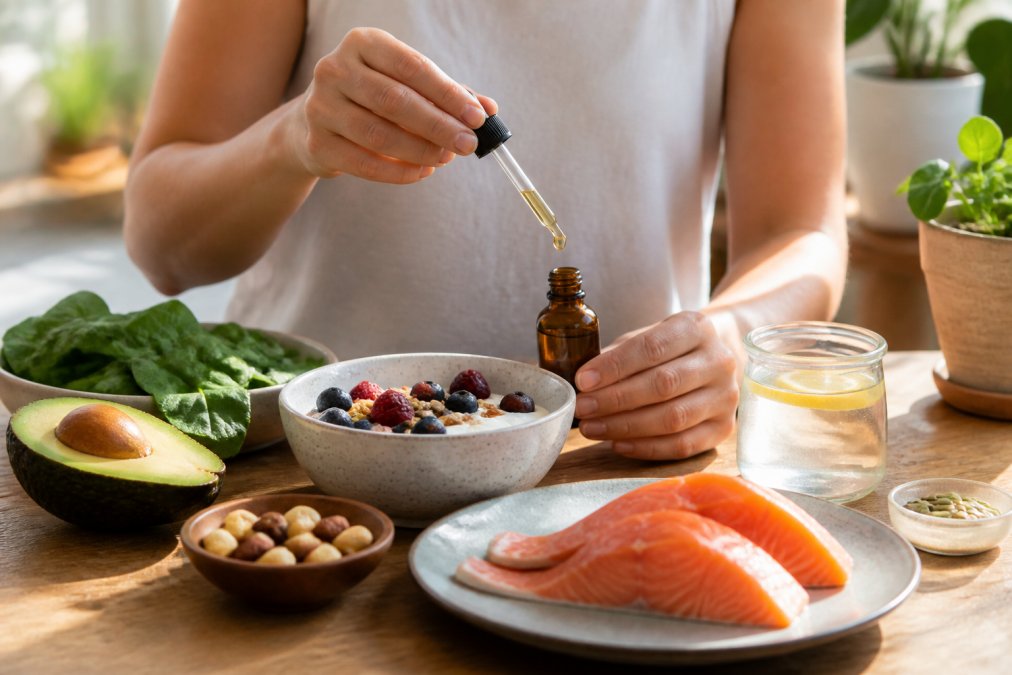
Cannabidiol, or CBD, is one of the most studied natural compounds for supporting a balanced inflammatory response. It interacts with the body’s endocannabinoid system, which helps regulate immune function and maintain cellular health.
The benefits of CBD for inflammation are most pronounced when the product delivers consistent, bioavailable doses. Reduced inflammation promoting joint flexibility and pain relief is a benefit of CBD Health Collection products. A common mistake is choosing a low-quality oil with poor absorption; the form and extraction method determine how much active compound reaches your system.
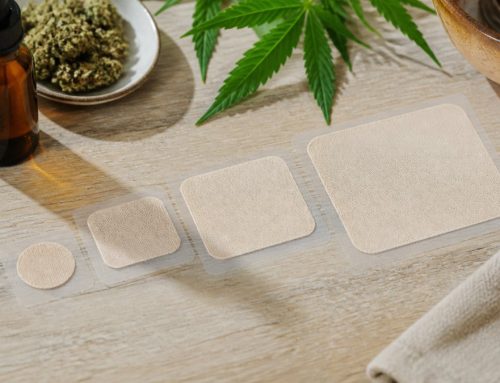
For those new to CBD, a broad-spectrum gummy or sublingual oil provides a predictable daily routine. Topical formulations, such as freeze gels or pain patches, offer localized support without systemic effects. This layered approach mirrors how many practitioners now recommend addressing chronic inflammation.
When selecting a CBD product for inflammation, look for third-party lab results, known as Certificates of Analysis, that confirm potency and screen for contaminants like heavy metals or pesticides. This step is non-negotiable for safety and effectiveness.
Build an Anti-Inflammatory Diet Plan That Works
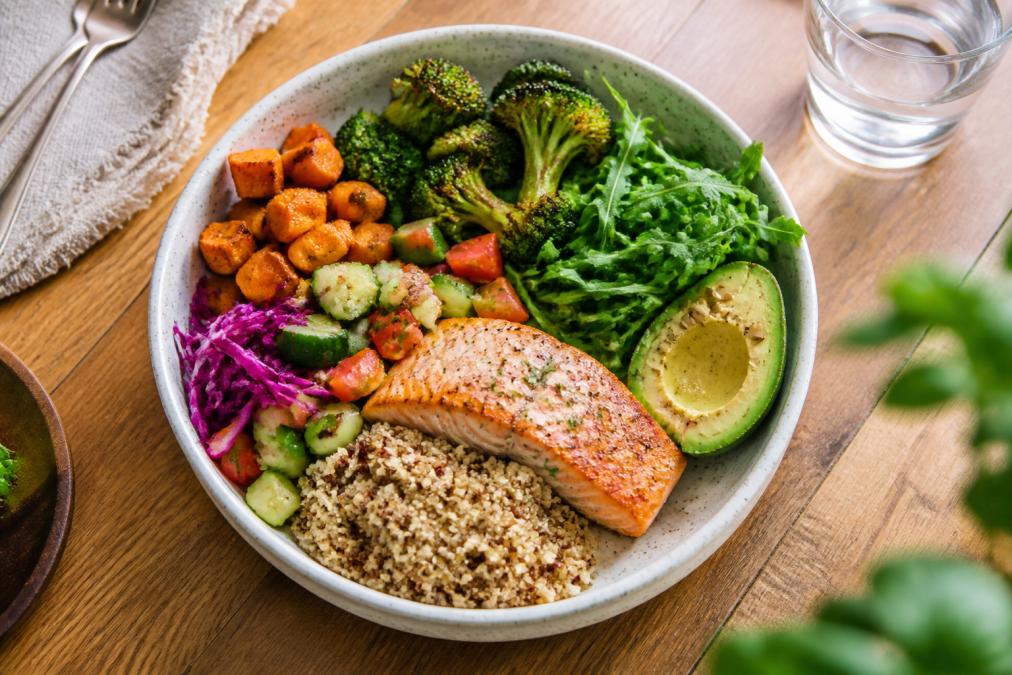
An anti-inflammatory diet plan is not about restrictive eating; it is about consistently choosing foods that reduce oxidative stress while avoiding those that trigger an inflammatory cascade. The Mediterranean style of eating, rich in vegetables, fatty fish, olive oil, and nuts, remains the gold standard because it delivers high levels of polyphenols and omega-3 fatty acids.
Prioritize these food groups to build a sustainable foundation:
- Fatty fish like salmon and sardines for omega-3 fatty acids
- Leafy greens and berries for antioxidants and fiber intake
- Nuts, seeds, and olive oil for healthy fats and polyphenols
- Legumes and plant-based protein sources to support the gut microbiome
Equally important is what you remove. Processed foods and refined sugars are among the strongest dietary drivers of cytokine production. Reducing these while increasing fiber intake supports a healthier gut microbiome, which directly influences immune response and inflammatory markers like C-reactive protein.
Budget-Friendly Meal Planning for Chronic Inflammation
Eating to reduce inflammation does not have to strain your budget. Frozen berries, canned sardines, and seasonal vegetables deliver comparable nutritional value at a fraction of the cost of expensive superfoods.
Plan meals around a few versatile staples each week. A base of brown rice or quinoa, a rotating set of frozen vegetables, and a protein source like eggs or canned fish can create dozens of combinations. Batch cooking soups and grain bowls on the weekend ensures you have compliant meals ready when willpower is low.
| Budget Staples | Cost Profile | Inflammatory Benefit |
|---|---|---|
| Frozen spinach & kale | Low | High antioxidant load |
| Canned sardines & salmon | Low | Rich omega-3 source |
| Brown rice & oats | Low | Supports fiber intake |
| Frozen berries | Moderate | Polyphenol content |
| Turmeric & ginger root | Low | Natural COX inhibitors |
Key Lifestyle Changes to Reduce Systemic Inflammation
Diet alone rarely resolves chronic inflammation; lifestyle changes to reduce systemic inflammation are equally critical. The most effective protocols target the physiological pathways that directly modulate immune function.
The Sleep-Inflammation Axis: A Non-Negotiable Foundation
Poor sleep is a direct driver of the inflammatory cascade. When sleep-deprived, your body increases production of pro-inflammatory cytokines like interleukin-6 (IL-6) and tumor necrosis factor-alpha (TNF-α), while decreasing melatonin, a hormone with antioxidant and anti-inflammatory properties. A single night of poor sleep can lead to measurable increases in C-reactive protein (CRP) (peer-reviewed research).
The most effective sleep protocol is not just duration, but consistency. Aim for 7 to 9 hours per night, and go to bed and wake up at the same time every day, including weekends. This anchors your circadian rhythm, which regulates cortisol and inflammatory markers. Create a cool, dark, quiet sleep sanctuary and avoid screens for at least 60 minutes before bed, as blue light suppresses melatonin.
Exercise: The Intensity Sweet Spot
Regular physical activity is one of the most powerful tools for modulating the immune response, but the relationship is not linear. Moderate exercise, such as brisk walking, swimming, or cycling at 60-70% of your maximum heart rate for 30-45 minutes, five days a week, consistently reduces inflammatory markers by stimulating the release of myokines, anti-inflammatory molecules produced by muscle contractions.
The dose-response curve is critical. High-intensity interval training (HIIT) or prolonged endurance exercise (over 90 minutes) without adequate recovery can acutely increase inflammation and cortisol. Find the ‘sweet spot’ by alternating days of moderate cardio with strength training or yoga, ensuring at least one full rest day per week.
The Gut-Brain Axis: The Psychological Feedback Loop
The psychological impact of chronic inflammation creates a vicious cycle. Persistent pain and fatigue elevate stress hormones, which increase intestinal permeability (‘leaky gut’), allowing bacterial fragments like lipopolysaccharides (LPS) into the bloodstream. This triggers a systemic immune response that worsens physical and mental symptoms, explaining why anxiety and depression are common in people with chronic inflammatory conditions.
Addressing this requires a dual-pronged approach. Stress reduction is a physiological necessity; practices like mindfulness-based stress reduction (MBSR) and deep diaphragmatic breathing lower cortisol and reduce NF-kB activation. Supporting the gut microbiome with prebiotic and probiotic-rich foods, like garlic, onions, kimchi, and kefir, can help tighten the intestinal barrier and reduce the inflammatory load on the brain.
If you are experiencing persistent symptoms of depression or anxiety alongside chronic inflammation, do not rely solely on natural approaches. These are serious medical conditions that warrant professional mental health support. Natural strategies are a complementary layer, not a replacement for evidence-based psychiatric care.
Tracking Your Personal Inflammation Triggers
The most sophisticated approach to chronic inflammation is personalization, starting with systematic tracking. Keep a simple daily log of meals, sleep quality, stress levels (1-10 scale), and joint pain intensity (1-10 scale). PEMF therapy for pain.
After two to three weeks, patterns usually emerge, dairy or nightshade vegetables may correlate with stiffness, or poor sleep may precede a flare by 24 hours. Pair this tracking with periodic blood work measuring high-sensitivity C-reactive protein (hs-CRP) to validate what you observe. This evidence-based method is more effective than a generic elimination diet.
Top Herbal Supplements Compared for Chronic Inflammation
Herbal supplements offer concentrated support that diet alone may not provide, but navigating the market requires understanding mechanisms, bioavailability, and safety. Research consistently highlights turmeric, ginger, and boswellia as the most promising, yet each suits different presentations of inflammation.
Turmeric (Curcumin): The Potency Problem
Turmeric and its active compound curcumin are the most extensively studied natural anti-inflammatories. Curcumin inhibits multiple inflammatory pathways, including NF-kB. However, the critical issue is bioavailability: standard turmeric powder contains only about 3% curcumin, and what you consume is rapidly metabolized, so very little reaches systemic circulation.
To overcome this, look for formulations that address bioavailability directly. Combining curcumin with piperine (black pepper extract) increases absorption by up to 2,000% (PubMed). More advanced options include liposomal curcumin or phytosome technology (like Meriva). Check the label for specific curcuminoid content, not just ‘turmeric root powder.’
Ginger: The Affordable COX Inhibitor
Ginger root contains gingerols and shogaols, which inhibit cyclooxygenase (COX) enzymes, the same targets as NSAIDs, but with a different side effect profile. This makes ginger a viable option for avoiding the gastrointestinal irritation of long-term NSAID use. It is particularly effective for muscle soreness and menstrual pain, and it supports digestive health.
While ginger is less potent than concentrated curcumin extracts, it is more affordable and can be consumed in culinary doses daily. For therapeutic effects, a standardized extract containing 5% gingerols is more reliable than raw root. Use ginger for acute flare-ups and turmeric for systemic, long-term support.
Boswellia: The Joint-Specific Option
Boswellia serrata, also known as frankincense, contains boswellic acids that inhibit 5-lipoxygenase (5-LOX), which produces leukotrienes, potent inflammatory mediators in joint inflammation. This mechanism is distinct from COX inhibition, making boswellia valuable for joint-specific conditions like osteoarthritis. Look for products standardized to 30-40% boswellic acids, focusing on AKBA (acetyl-11-keto-beta-boswellic acid), the most active compound.
Boswellia requires consistent use over several weeks to see full benefits, and it is often combined with curcumin for a synergistic effect targeting both COX and LOX pathways.
Omega-3 Fatty Acids: The Structural Support
Omega-3 fatty acids, specifically EPA and DHA found in fish oil, are structural components of cell membranes. By incorporating into membranes, they compete with pro-inflammatory arachidonic acid, reducing inflammatory eicosanoids. This is a foundational supplement for whole-body inflammatory support.
The critical quality issue with fish oil is rancidity. Omega-3s are highly susceptible to oxidation, and a rancid product can actually promote inflammation. Look for products third-party tested for oxidation levels (peroxide value) and that use enteric-coated capsules to prevent fishy burps and ensure absorption.
The Safety Context: Drug-Herb Interactions
Natural does not automatically mean safe. Turmeric in high doses can inhibit platelet aggregation, increasing bleeding risk with blood thinners like warfarin. Ginger can affect blood clotting and may lower blood sugar, requiring caution for those on diabetes medication. Boswellia can interact with anti-inflammatory drugs.
Before adding any herbal supplement to your routine, compile a complete list of your current medications and review it with a pharmacist or physician. This single step prevents the majority of adverse interactions. Do not assume that because a supplement is ‘natural,’ it is safe to combine with prescription drugs.
Choosing a Quality Product: The Non-Negotiable Checklist
Regardless of which supplement you choose, brand and manufacturing quality matter as much as the active ingredient. Look for products third-party tested by independent labs like USP, NSF, or ConsumerLab. This ensures the product contains what the label claims and is free from contaminants. For herbal extracts, check for a Certificate of Analysis confirming the concentration of active compounds.
Safety First: Drug Interactions and Natural Anti-Inflammatories
Natural does not automatically mean safe. Turmeric in high doses can inhibit platelet aggregation, increasing bleeding risk with blood thinners like warfarin. Ginger can affect blood clotting and may lower blood sugar, requiring caution for those on diabetes medication.
CBD presents its own interaction profile. It inhibits certain liver enzymes, specifically the cytochrome P450 family, which metabolizes many common prescription drugs. This means CBD could raise the levels of certain medications in your bloodstream, including some blood pressure drugs and antidepressants. The FDA guidance on CBD safety and interactions emphasizes that consumers should discuss CBD use with a healthcare provider, particularly if taking other medications.
Before adding any herbal supplement or CBD product to your routine, compile a complete list of your current medications and review it with a pharmacist or physician. This single step prevents the majority of adverse interactions.
The psychological impact of chronic inflammation is another underappreciated factor. Living with persistent pain and fatigue takes a toll on mental health, creating a feedback loop where stress worsens inflammation. Natural approaches are not a replacement for professional mental health support, but rather a complementary layer of care.
Your Action Plan for Reducing Chronic Inflammation Naturally
A strategic approach to reducing chronic inflammation naturally involves layering strategies over several weeks. Start by cleaning up your diet, eliminating processed foods and refined sugars while increasing fiber and omega-3 intake. Simultaneously, commit to a consistent sleep schedule and moderate daily movement.
After two weeks, introduce one herbal supplement at a time, tracking symptoms to gauge effectiveness. If you choose CBD, begin with a low daily dose and increase gradually, observing changes in pain and sleep over a month. CBD Health Collection offers a 30-day satisfaction guarantee on every purchase and FREE shipping.
The path to managing chronic inflammation is not a single miracle cure but a series of small, consistent choices. By combining an anti-inflammatory diet, targeted lifestyle changes, and carefully selected supplements, you can shift your body’s inflammatory balance. Start with one change this week, track your results, and build from there.
Frequently Asked Questions
What is the strongest natural anti-inflammatory?
Several natural compounds show strong anti-inflammatory effects. Curcumin, the active compound in turmeric, is among the most studied, but its absorption is limited without black pepper. Omega-3 fatty acids from fish oil also have significant research backing for reducing systemic inflammation. CBD is another option that interacts with your body’s endocannabinoid system to support a balanced immune response. The most effective choice depends on your specific symptoms and health profile, so discussing options with a healthcare provider is a sensible first step.
How does CBD fit into a natural anti-inflammatory regimen?
CBD, or cannabidiol, is a non-psychoactive compound from hemp that may help manage inflammation. The benefits of CBD for inflammation are linked to its interaction with the endocannabinoid system, which helps regulate immune response. Many people use CBD oil or gummies as a daily supplement alongside dietary changes. Topical CBD products can also be applied directly to sore joints or muscles for localized relief. Because quality varies widely, look for products that are independently third-party lab tested for purity and potency.
What foods are best for fighting chronic inflammation?
An anti-inflammatory diet plan emphasizes whole, unprocessed foods. Prioritize fatty fish like salmon for omega-3s, leafy greens, and colorful vegetables rich in antioxidants. Berries, nuts, and olive oil are also excellent choices. These foods help reduce oxidative stress and lower markers like C-reactive protein. At the same time, it is important to limit processed foods, refined sugars, and unhealthy fats, which can trigger an inflammatory response. A consistent, balanced approach to eating whole foods is more effective than focusing on any single ingredient.
Are there lifestyle changes that help manage systemic inflammation?
Yes, lifestyle changes to reduce systemic inflammation extend beyond diet. Regular physical activity is one of the most effective ways to lower inflammatory markers. Prioritizing sleep quality is also critical, as poor sleep can increase stress hormones and inflammation. Managing stress through practices like meditation or deep breathing helps lower cortisol levels. Maintaining a healthy weight reduces the strain on your joints and decreases the production of inflammatory cytokines. Small, consistent changes in these areas compound over time to create a less inflammatory internal environment.