
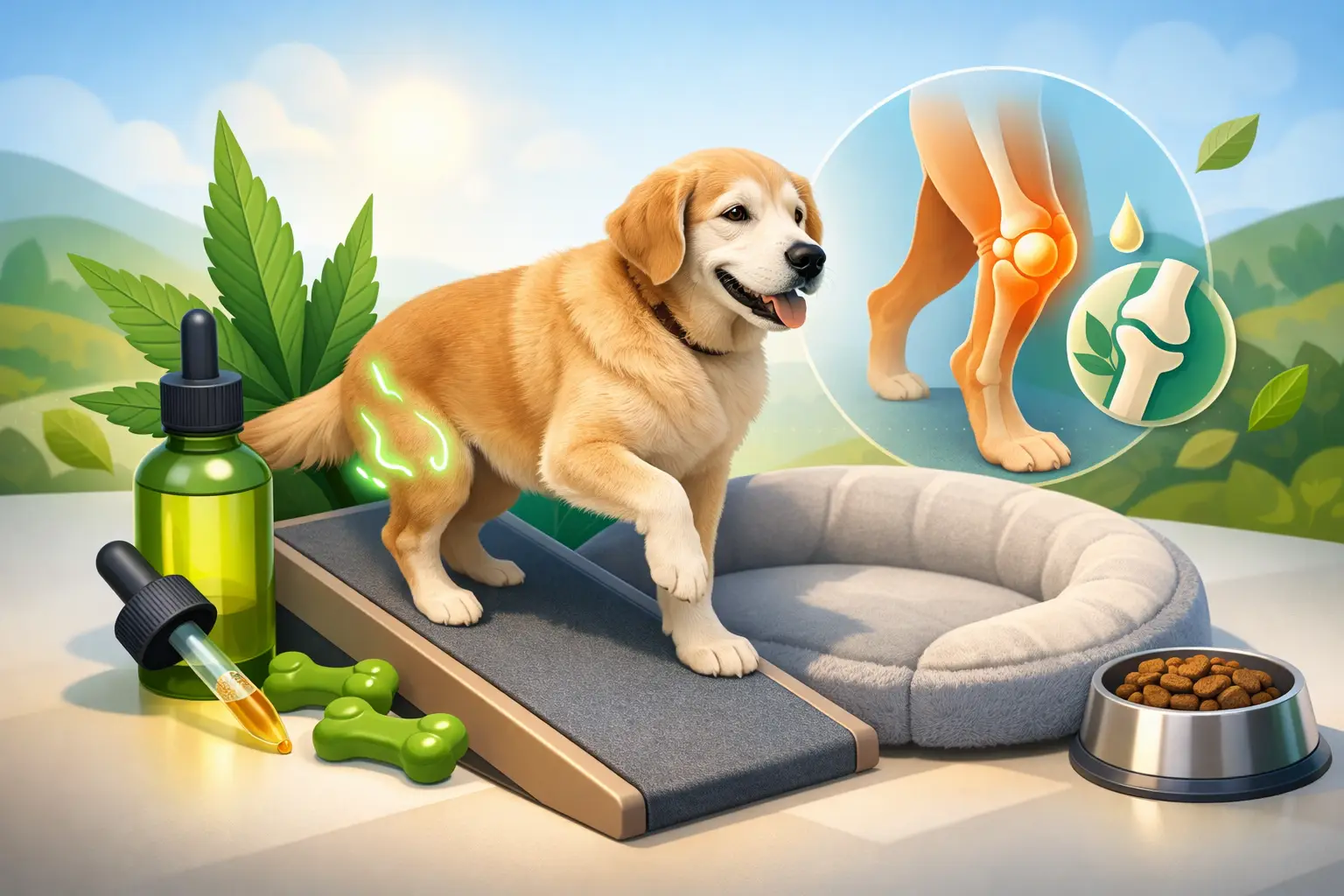
When an older dog pauses at the bottom of the stairs, hesitates before jumping into the car, or takes longer to rise after a nap, those small changes can feel significant. Many pet parents consider cbd for aging dog mobility as part of a gentler daily wellness routine. It may be a reasonable conversation to have with your veterinarian, but it works best when viewed as one piece of thoughtful senior-dog care, not a replacement for medical attention.
Mobility changes are common as dogs age, especially in larger breeds and dogs with a history of joint injury, extra weight, or highly active younger years. The right plan starts with understanding what may be causing discomfort, then choosing safe, practical support that fits your dog’s needs.
Why Mobility Changes in Senior Dogs
Aging does not look the same in every dog. Some dogs develop stiffness gradually, while others seem to slow down almost overnight. Osteoarthritis is a common reason for reduced mobility, but sore muscles, ligament injuries, spinal concerns, paw problems, dental pain, and internal illness can also change how a dog moves.
Watch for patterns rather than one off-day. Your dog may be less eager for longer walks, walk with a shortened stride, shift weight away from a leg, or have difficulty getting comfortable at night. Behavioral changes matter, too. A usually friendly dog that becomes withdrawn or irritable when touched may be trying to communicate discomfort.
A veterinary exam is the right first step when mobility declines. Your veterinarian can identify concerns that need treatment, discuss whether imaging or bloodwork is appropriate, and help you build a plan around your dog’s age, size, health history, and current medications.
Where CBD May Fit for Aging Dog Mobility
CBD is a hemp-derived compound that does not produce the intoxicating effects associated with THC. Some pet owners use THC-free CBD as a daily wellness tool for dogs experiencing occasional stiffness or age-related discomfort. Early research and owner reports have created interest in its possible role in comfort and quality of life, but the evidence in dogs is still developing.
That distinction matters. CBD should not be presented as a cure for arthritis, an alternative to prescribed pain management, or a way to delay a veterinary visit. Dogs can have serious underlying conditions that require diagnosis and treatment. A responsible approach is to ask whether CBD could complement the care plan your veterinarian already recommends.
Your veterinarian may also help you decide whether CBD is appropriate for your individual dog. This is particularly important if your pet takes anti-inflammatory medication, pain medication, seizure medication, sedatives, or other prescriptions. CBD can affect how the body processes certain medications, so professional guidance is worth having before adding it to the routine.
Choosing a CBD Product for Your Dog
Pet CBD quality varies widely. A product label alone cannot tell you whether it contains the stated amount of CBD or whether it has been screened for unwanted contaminants. For an older dog, where consistency and safety are especially important, choose products made specifically with pets in mind.
Look for a THC-free formula with no detectable THC. Dogs can be very sensitive to THC, and products intended for people may contain concentrations or ingredients that are not appropriate for pets. Keep all THC-containing cannabis products securely away from animals.
Independent third-party lab testing is another essential safeguard. Testing should confirm cannabinoid content and screen for contaminants such as pesticides, heavy metals, residual solvents, and microbial impurities. Clean sourcing and CO2 extraction can provide additional reassurance about how the hemp extract was produced.
Ingredient simplicity matters, too. Avoid products with artificial sweeteners, especially xylitol, which is toxic to dogs. Be cautious with unnecessary flavoring agents and essential oils. A clear pet formula with straightforward ingredients makes it easier to know what you are giving your dog and easier to identify a problem if one arises.
Oils, Chews, and Daily Consistency
CBD oils often offer the most flexibility because the serving can be adjusted carefully based on a veterinarian’s guidance. They can be placed directly in the mouth or mixed with food if your dog accepts the taste. Water-based formats may be easier to incorporate into a daily routine and are designed to support efficient absorption.
Chews can be convenient for dogs that resist oil, but check the full ingredient panel and the CBD amount per chew. For a small dog, a high-potency chew may make precise serving adjustments difficult. For a large dog, a low-potency product may become impractical or expensive to use consistently.
Whatever format you choose, consistency matters more than chasing immediate results. If your veterinarian approves CBD, begin with the recommended low serving, keep the routine steady, and observe your dog over time. Do not increase the amount quickly because you are hoping for a faster change.
How to Monitor Your Dog Safely
A simple daily note can be more useful than relying on memory. Before starting any new wellness product, write down what your dog’s typical day looks like. How easily do they stand up? How long do they comfortably walk? Are stairs difficult? Are they sleeping through the night?
Then monitor changes in comfort, activity, appetite, stool quality, alertness, and behavior. Potential side effects of CBD may include sleepiness, diarrhea, vomiting, or changes in appetite. Stop use and contact your veterinarian if you notice concerning effects.
Seek prompt veterinary care rather than trying CBD at home if your dog has any of these signs:
- Sudden inability to stand, walk, or bear weight on a leg
- Crying out, severe panting, shaking, or obvious distress
- Loss of bladder or bowel control, especially with back pain
- A swollen, hot, or painful joint
- Refusal to eat, repeated vomiting, or unusual lethargy
These symptoms can signal an injury or illness that needs timely assessment.
Build a Mobility Plan Beyond CBD
The most meaningful support for an aging dog usually comes from several small changes working together. A veterinarian may recommend prescription treatment, joint-support supplements, physical therapy, acupuncture, or a targeted weight-management plan depending on the diagnosis. CBD, if appropriate, can sit alongside those recommendations rather than compete with them.
At home, reduce the physical demands that make everyday movement harder. Place non-slip rugs on slick floors, use a ramp for cars or furniture, and provide a supportive bed away from drafts. Raised food and water bowls may help some dogs, although the right height depends on the dog and should not force an awkward posture.
Gentle, regular movement is often better than a single strenuous outing. Short walks at a comfortable pace can help maintain muscle and keep joints moving, while repeated jumping, sharp turns, and slippery surfaces may aggravate discomfort. Let your dog set the pace. A slower sniff-filled walk still provides valuable movement and enrichment.
Weight is another major factor. Even modest excess weight can place more stress on aging joints. If your dog has gained weight because activity has decreased, ask your veterinarian for a realistic nutrition plan. Crash dieting is not the goal. Steady, appropriate weight management can support comfort while preserving muscle.
Questions to Ask Your Veterinarian
Bring specific questions to the appointment: What is most likely causing my dog’s mobility changes? Are there medications or supplements that should not be combined with CBD? What signs would show that the plan is helping, and when should we reassess?
It also helps to ask about a safe starting serving based on your dog’s current weight and health status. If your dog has liver disease, takes regular medication, is very young, or has a complicated medical history, individualized advice becomes even more important.
Aging may change how your dog moves, but it does not take away their need for comfort, curiosity, and connection. Careful observation, veterinary guidance, a clean THC-free product when appropriate, and a home set up for easier movement can help you meet your dog where they are – and keep making their everyday life feel good.