
A stiff back after a long day, a restless mind at bedtime, or the strain of managing everyday stress can make simple routines feel harder than they should. CBD benefits are of interest to many adults because CBD may offer a non-intoxicating way to support comfort, calm, sleep routines, and overall balance without the high associated with THC.
The right expectations matter. CBD is not a cure-all, and it should not replace medical care or prescribed medication. People can respond differently based on their needs, body chemistry, the product format, and the amount they use. Still, when chosen carefully and used consistently, THC-free CBD can be a practical addition to an everyday wellness routine.
CBD Benefits for Everyday Wellness
CBD, short for cannabidiol, is a naturally occurring compound found in hemp. Unlike THC, CBD does not produce intoxicating effects. It interacts with the body’s endocannabinoid system, a network involved in processes such as mood, sleep, stress response, and the perception of discomfort.
Research into CBD is still developing, but many adults use it for targeted wellness goals. The most useful question is not whether CBD works the same way for everyone. It is whether a quality product, in the right format, may fit your specific routine and concern.
Support for occasional discomfort
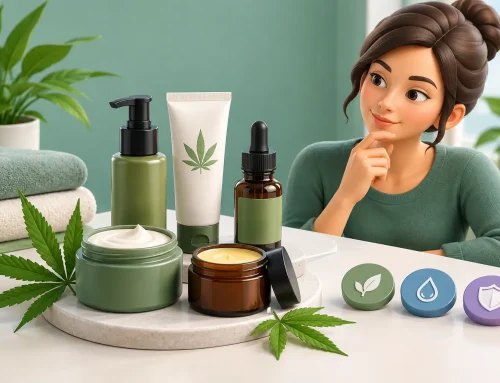
Physical discomfort can take many forms: post-workout soreness, joint stiffness, tired muscles, or the ordinary aches that come with an active lifestyle and aging. Topical CBD products, including creams, salves, and roll-ons, are often chosen for a specific area because they can be applied directly where support is wanted.
A topical product may be especially convenient when you do not want to add another supplement to your day. Massage the product into clean, dry skin and allow time for it to absorb. Some formulas also include familiar topical ingredients such as menthol or botanical oils, which can create a warming or cooling sensation. That sensation is separate from CBD itself, so read the ingredient panel to understand what you are using.
For broader daily support, some people prefer CBD oil or gummies. The best choice depends on whether your goal is localized care or a whole-body routine.
A calmer approach to everyday stress
Stress does not always announce itself as a racing mind. It can show up as tight shoulders, impatience, trouble focusing, or difficulty settling down after work. Many people use CBD as part of a calming routine that may also include regular movement, healthy meals, time away from screens, and consistent sleep habits.
CBD should not be presented as a treatment for anxiety disorders or other mental health conditions. But adults managing everyday stress may find that a THC-free CBD oil or gummy helps create a more intentional pause in their routine. A measured serving can be easier to use consistently than an occasional, last-minute solution.
If stress feels persistent, severe, or disruptive to daily life, speak with a qualified healthcare professional. CBD can be one supportive tool, not a substitute for appropriate care.
Better support for sleep routines
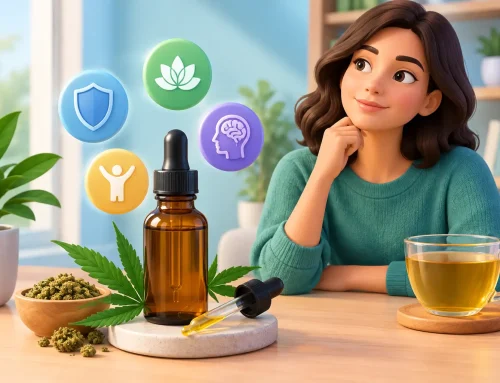
A good night of sleep is often less about one product and more about a reliable wind-down routine. CBD may help some users feel more relaxed before bed, especially when stress or physical discomfort makes it difficult to settle in. Others may not notice the same result, which is why starting with a low, consistent serving is a sensible approach.
Consider the timing as carefully as the product. A CBD gummy may take longer to fit into a bedtime routine than an oil taken under the tongue, while a topical may be useful for those who want to address localized discomfort before sleep. Keep a simple note of when you use CBD, the amount, and how you feel over several days. That record can help you identify what works for you without guessing.
Sleep concerns that continue for weeks, include loud snoring or breathing interruptions, or affect daytime functioning deserve medical attention.
Daily balance without THC exposure
For many shoppers, the most meaningful CBD benefit is confidence. They want a hemp-derived product that supports their routine without intoxication, impairment, or uncertainty about THC. This is particularly relevant for older adults, caregivers, active-duty service members, veterans, and anyone subject to workplace drug testing.
THC-free CBD products are formulated to contain no detectable THC, but the label alone is not enough. Independent laboratory testing is the clearest way to verify cannabinoid content. Look for a current certificate of analysis that confirms the product’s CBD level and shows testing for THC, pesticides, heavy metals, residual solvents, and microbial contaminants.
Choosing CBD Benefits You Can Trust
The CBD market is crowded, and product quality can vary widely. A lower price does not always mean better value if a product has unclear ingredients, vague sourcing, or no accessible testing. Choosing clean CBD starts with a few practical checks.
First, confirm the CBD type. Broad-spectrum CBD is designed to provide hemp compounds without detectable THC, while CBD isolate contains CBD without other hemp plant compounds. Both can be appropriate for a THC-free routine. Full-spectrum CBD may contain trace THC, so it is not the right fit for people who want to avoid THC exposure altogether.
Next, consider how the hemp was grown and processed. Organically cultivated hemp and CO2 extraction can help support a cleaner starting point. CO2 extraction is commonly used because it avoids the harsh solvent residues associated with some extraction methods. Transparent brands explain their ingredients, extraction approach, and testing practices clearly rather than relying on broad promises.
Finally, choose a format you will actually use. An oil can offer flexible serving sizes. Gummies are simple, portable, and familiar. Topicals work well for targeted application. Pet formulas should be made specifically for animals, with pet-appropriate ingredients and clear serving guidance.
How to Use CBD Responsibly
Starting slowly gives you the best chance to understand your response. Follow the product label, begin with the lowest recommended serving, and use it consistently for several days before deciding whether to adjust. Taking more right away does not guarantee better results.
CBD can cause side effects for some people, including drowsiness, digestive upset, or changes in appetite. It may also interact with certain medications, particularly medications that carry a grapefruit warning. Talk with your doctor or pharmacist before using CBD if you take prescription medication, are pregnant or nursing, have liver concerns, or are managing a medical condition.
For topical CBD, test a small amount on a limited area of skin first, especially if you have sensitive skin. Avoid applying it to broken skin unless the product directions specifically say otherwise. Keep all CBD products stored safely away from children and pets.
CBD for pets requires extra care
Pet owners often seek CBD to support a dog’s calm behavior, mobility, or general comfort. Animals process supplements differently than people, so a human CBD product is not automatically appropriate for a pet. Choose a product made for pets, avoid ingredients that can be harmful to animals, and ask a veterinarian for guidance before adding CBD to your pet’s routine.
A veterinarian is especially valuable when a pet is older, takes medication, has a chronic condition, or shows a sudden change in behavior, appetite, movement, or energy.
Setting Realistic Expectations
CBD works best when it is treated as a routine, not a rescue plan. A person using a topical for occasional knee stiffness may notice something different from someone using THC-free CBD oil as part of an evening relaxation ritual. Product quality, consistency, serving size, and the underlying reason for use all influence the experience.
Look for progress that is meaningful to your life, such as feeling more comfortable on a walk, having an easier time settling into bed, or being better able to maintain a calming routine during a demanding week. Those practical changes are more useful than chasing dramatic claims.
Choose a tested, THC-free product that matches your goal, start with patience, and give your routine enough time to show you whether CBD has a worthwhile place in it.