A CBD label can make reassuring promises, but the document behind the label is where those promises should be verified. If you are asking, what is a CBD certificate, you are likely looking for proof that a product contains the CBD it says it does – and does not contain unwanted THC or contaminants. For shoppers who want non-intoxicating, dependable wellness support, that proof matters.
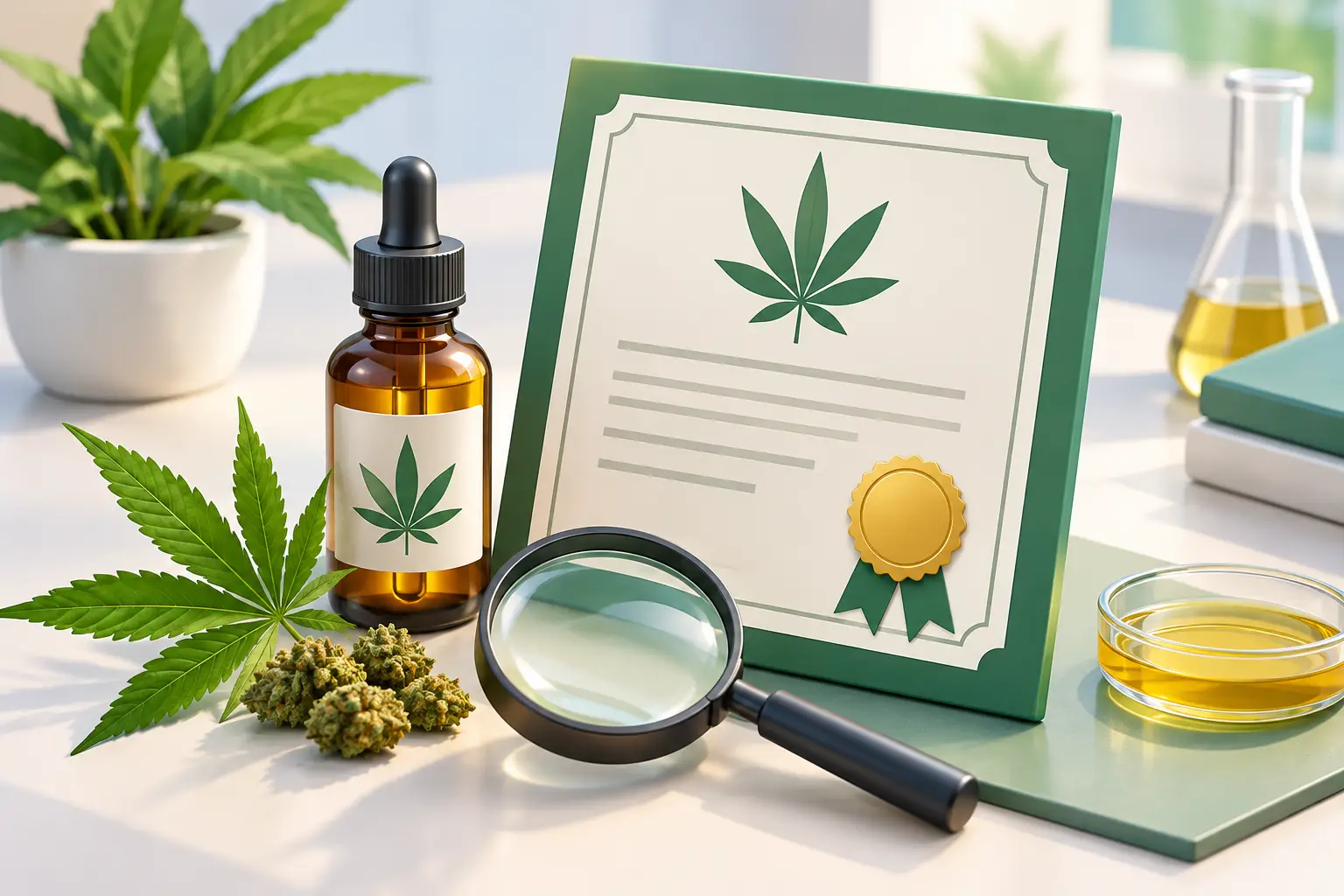
Most often, a CBD certificate refers to a Certificate of Analysis, commonly called a COA. It is a laboratory report that shows the results of testing performed on a specific CBD product or production batch. A useful COA gives you more than a marketing claim. It offers a clear record of what was found in the formula.
What Is a CBD Certificate?
A CBD certificate, or COA, is issued after a product sample is tested by a laboratory. The report may measure cannabinoid content and screen for substances that consumers generally do not want in a wellness product, such as heavy metals, pesticides, microbial contamination, and residual solvents.
The strongest certificates come from an independent, third-party laboratory rather than only from the manufacturer. Independent testing creates a needed layer of accountability. A brand may formulate and sell the product, but a separate lab verifies whether the sample matches the stated specifications.
A COA is not the same as government approval, a medical guarantee, or a promise that every person will have the same experience. CBD products are not evaluated like prescription drugs, and testing requirements can vary by state and product category. Still, a current, batch-specific COA is one of the most practical tools available for evaluating CBD quality before you buy.
Why a Certificate of Analysis Matters for THC-Free CBD
Many people choose CBD specifically because they want support for everyday discomfort, sleep routines, stress, or general wellness without the intoxicating effects associated with THC. That makes THC verification especially important.
A product marketed as THC-free should have testing that shows no detectable THC at the laboratory’s reporting limit. Look closely at the wording. “Not detected,” “ND,” and “below the limit of quantitation” can all appear on a report, but they are not interchangeable with a broad, unsupported statement that a product has never contained THC under any possible test method.
Every lab method has a detection and quantitation limit. A reliable COA states the method used and, ideally, the reporting limit so you can understand what “not detected” means in context. If avoiding THC exposure is a priority because of personal preference, work requirements, military considerations, or other concerns, choose products with transparent, current testing and speak with your employer or testing program if you have questions about their policies.
A certificate also helps distinguish product types. CBD isolate is generally formulated with CBD as the primary cannabinoid. Broad-spectrum CBD may include additional hemp-derived compounds while excluding detectable THC. Full-spectrum products can contain THC within legal hemp limits. The label and COA should tell the same story.
How to Read a CBD Certificate of Analysis
At first glance, a COA can look technical. You do not need to be a chemist to review the essential details. Start by confirming that the report belongs to the exact product in your hands.
Match the product and batch number
Look for the product name, batch or lot number, and testing date. The batch number on the COA should match the batch number printed on the product package whenever one is provided. A QR code can be convenient, but it should lead to an actual report, not merely a general testing statement.
A report dated several years ago may not reflect the current formula or the batch you are buying. CBD can also change over time, particularly if it has been exposed to heat, light, or air. Recent testing is more meaningful than an old document reused across multiple product runs.
Check the CBD amount
The cannabinoid section shows how much CBD the laboratory found. Results may be listed in milligrams per bottle, milligrams per serving, milligrams per gram, or as a percentage. Compare the result to the label claim.
A small variation can occur because natural ingredients and lab methods have normal tolerances. A large gap deserves attention. If a 1,000 mg bottle tests far below its stated CBD content, the product may not provide the value or consistency you expect.
For gummies, capsules, and other measured servings, check both the CBD amount per serving and the serving count. For oils and topicals, review the total CBD in the container as well as the suggested serving or application amount. The right strength depends on your needs, how you use the product, and your prior experience with CBD.
Review the THC result
Find the line for delta-9 THC, and consider whether the report also lists delta-8 THC and THCA. For a THC-free product, you want a result showing no detectable THC according to the lab’s stated threshold. If the report lists measurable THC, it does not support a THC-free claim.
Do not rely on the front-label wording alone. “Hemp-derived” does not automatically mean THC-free, and “legal hemp” is not the same claim as no detectable THC.
Look for contaminant testing
A complete CBD certificate commonly includes screens for several categories of contaminants:
- Pesticides, which can be introduced during cultivation
- Heavy metals, such as lead, arsenic, cadmium, and mercury
- Microbials, including certain bacteria, yeast, and mold
- Residual solvents, which may be relevant when extraction methods use solvents
Results are often marked “pass,” “not detected,” or shown against an allowable limit. The report should identify the analytes tested rather than offering only a vague statement that the product was “clean.” CO2 extraction is valued because it can produce hemp extracts without relying on harsh chemical solvents, but final-product testing remains worthwhile regardless of the extraction method.
Signs a CBD Certificate Is Worth Trusting
Transparency should make a product easier to evaluate, not harder. A credible COA identifies the laboratory, includes a report or sample identification number, shows test dates, and provides results that relate directly to the product batch. The report should be readable enough that a customer can locate cannabinoid and contaminant results without guessing.
Accreditation can offer additional reassurance. Many reputable cannabis and hemp labs hold ISO/IEC 17025 accreditation, a quality standard for testing laboratories. Accreditation alone does not make a product perfect, but it indicates that the lab operates under documented quality practices and is assessed for technical competence.
Be cautious when a seller provides only a generic certificate with no batch information, a cropped image that omits key pages, or a report that tests potency but skips safety panels. Other warning signs include a certificate that does not name the product, conflicting CBD amounts between the report and package, or results that are difficult to access before purchase.
What a CBD Certificate Cannot Tell You
A COA is essential evidence, but it is not the entire quality picture. It cannot tell you whether a topical feels right on your skin, whether a gummy flavor suits you, or whether a serving size is appropriate for your personal routine. It also cannot replace guidance from a healthcare professional, especially if you take prescription medication, are pregnant or nursing, or manage a medical condition.
For pet CBD, the same standard applies: ask for clear, batch-specific testing and THC-free verification. Pets can respond differently than people, and dosing is not simply a smaller version of an adult serving. A veterinarian can help you decide whether CBD fits your pet’s needs and current care plan.
Ingredients still matter. Check the product label for carrier oils, sweeteners, botanical ingredients, and topical additives. A clean cannabinoid report does not make an ingredient suitable for everyone. People with allergies or sensitivities should review the full formula before use.
Using a COA to Shop With Confidence
Think of a CBD certificate as a product’s receipt for transparency. Before purchasing, confirm that the report is current, batch-specific, independently issued, and aligned with the product’s CBD and THC claims. Then consider the formula, serving format, and intended use case.
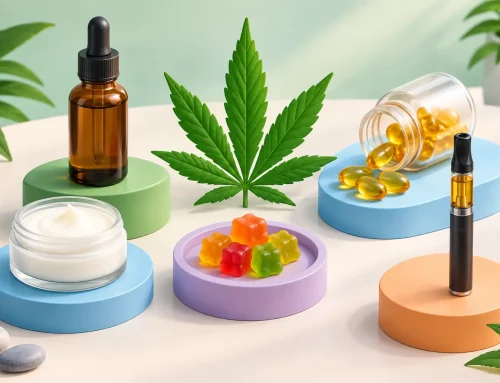
A person seeking targeted comfort may prefer a topical product, while someone building an evening routine may choose an oil or gummy. Neither format is automatically better. The best choice is the one with clear ingredients, transparent testing, and a practical place in your routine.
When a brand makes it easy to see what is in its CBD – and what is not – you can spend less time decoding labels and more time choosing wellness support with confidence.