A CBD label can make broad promises in a few square inches. A lab report has the job of proving what is actually in the bottle, gummy, salve, or pet formula. This guide to lab tested CBD explains how to look past marketing language and evaluate the details that protect your routine, your comfort, and your peace of mind.
For many shoppers, the first question is simple: will this product expose me to THC? That concern is especially reasonable for people who are subject to workplace drug testing, caregivers buying for family members, veterans and active-duty service members, and anyone who wants a non-intoxicating wellness option. Independent testing provides the clearest available answer – but only when you know what to look for.
Why independent lab testing matters
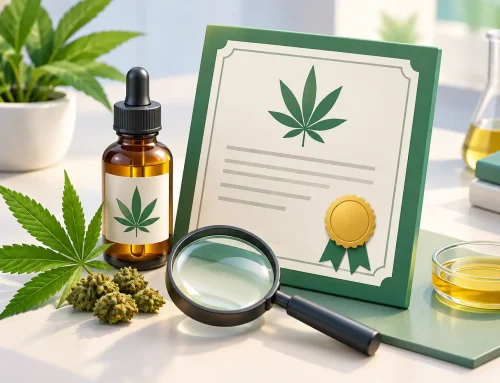
A trustworthy CBD company should not be the only source saying its products are clean. Independent, third-party laboratories use specialized methods to identify cannabinoids and screen for unwanted substances. Their findings are typically published in a Certificate of Analysis, often called a COA.
A COA connects a specific product batch to measurable results. It can confirm the amount of CBD present, show whether THC was detected, and reveal whether the sample passed relevant purity screens. That is more meaningful than a general statement such as “premium CBD” or “lab tested” with no report available to review.
Testing does not mean every CBD product will work the same way for every person. Individual needs, serving size, product format, and consistency of use can all affect a person’s experience. What testing does provide is a foundation for choosing a product based on verified contents rather than guesswork.
Your guide to lab tested CBD and COAs
A Certificate of Analysis can appear technical at first glance, but you do not need a science degree to read the essential information. Start by checking whether the report clearly matches the product you are considering. The product name, batch or lot number, and test date should make sense together.
Confirm the CBD amount
Look for a cannabinoid results section that lists CBD or cannabidiol. The report may show results as milligrams per container, milligrams per serving, or a percentage by weight. Compare that figure with the amount shown on the product label.
Small differences can happen because labels and lab measurements are expressed in different units or because results are rounded. A major gap deserves a closer look. If a label claims 1,000 mg of CBD but the COA suggests a much lower amount, the product may not deliver the value or consistency you expect.
For first-time users, a clearly stated amount matters more than choosing the highest number on the shelf. A measured, repeatable serving makes it easier to understand what fits your daily routine. This is particularly useful when comparing oils, gummies, and topical products, which are used differently and may be labeled in different ways.
Check the THC result carefully
THC terminology can be confusing. Hemp products are sometimes described as federally compliant when they contain no more than 0.3% delta-9 THC by dry weight. That is not the same as a product with no detectable THC.
If avoiding THC is your priority, look for a COA that lists THC as ND, meaning not detected, or below the laboratory’s limit of detection. The report should identify the specific THC result rather than rely only on a front-label claim. It is also helpful when a company clearly explains its THC-free standard and makes current batch reports easy to access.
No testing claim can guarantee a particular drug-test outcome for every person or every testing method. However, selecting a product with no detectable THC on an independent COA is a more careful choice than relying on a broad “hemp” or “CBD” label alone.
Review purity screening
Cannabinoid potency is only part of the picture. Hemp is a plant, and quality can be affected by how it is cultivated, processed, and handled. A thorough COA may include screening for pesticides, heavy metals, residual solvents, microbial contaminants, and mycotoxins.
You may see a clear pass or fail result, or a chart listing each compound tested. The important point is that the product passed the applicable screen and that the testing panel fits the product type. For example, residual solvent testing is especially relevant when a product is made using extraction methods that can leave solvents behind. CO2 extraction is widely valued because it can produce CBD extract without relying on harsh chemical solvents.
Not every report displays every possible test on one page. Some brands use separate reports for potency and contaminants. That can be acceptable as long as the documents are current, readable, and connected to the same product batch.
Know what a current, usable COA looks like
A lab report only helps if it applies to what you are buying now. Check the date, batch number, and product format. A report for a CBD oil does not automatically verify a CBD gummy, topical cream, or pet product, even if the products come from the same company.
A reliable COA generally includes the laboratory’s name, the sample identification, testing methods or result categories, dates, and a clear outcome. Many brands provide a QR code on packaging or a batch lookup process so customers can locate the appropriate report. Convenience matters here. Transparency should not require an extended search or a customer service request for basic proof.
Be cautious when a site uses vague phrases such as “tested for quality” but does not provide a full report. The same caution applies to reports with no batch information, reports that are years old, or results that do not include THC data. A clean-looking graphic is not a substitute for a certificate from an independent laboratory.
Choose testing that fits your goals
The right CBD format depends on how you plan to use it. Oils and gummies are often chosen for whole-body wellness routines, while topicals are applied to specific areas of discomfort. Pet formulas should be made with animal-friendly ingredients and used with guidance from a veterinarian, especially if your pet takes medications or has an existing health condition.
Regardless of format, the same standards apply: clear ingredients, a stated CBD amount, third-party testing, and a THC result that matches your comfort level. If you are looking for a product for daily balance, sleep support, stress management, or targeted comfort, prioritize consistent formulation over exaggerated promises.
It also helps to consider the delivery format. Water-based CBD products may be designed to disperse more readily than conventional oil-based formulas. That can be a practical preference for people who want an easy-to-use product, but it does not replace the need for verified potency and purity. The COA remains the evidence behind the label.
Questions worth asking before you buy
Before adding CBD to your routine, ask whether the company identifies the CBD source and extraction process, shares third-party results for the exact product, and clearly states its THC standard. Read the complete ingredient list as well. CBD quality includes what is left out, from unwanted contaminants to ingredients that do not fit your needs or sensitivities.
If you take prescription medications, are pregnant or nursing, or are managing a medical condition, speak with a qualified healthcare professional before using CBD. CBD can interact with certain medications, and a lab report does not replace individualized medical guidance.
At CBD Health Collection, the focus is on THC-free CBD, clean formulations, and accessible test information so customers can make practical wellness choices without unnecessary uncertainty. That standard is useful to expect from any brand you are considering.
The best CBD purchase is not the one with the loudest claim. It is the one you can verify, understand, and feel comfortable using consistently. Let the lab report do what it is meant to do: give you clear evidence before CBD becomes part of your everyday care.