Table of Contents
- Understanding Natural Pain Relief for Sports Injuries
- CBD Topical Benefits for Athletes: Freeze Gels and Roll-On Treatments
- Natural Anti-Inflammatory for Muscle Recovery: Herbs and Supplements
- How to Reduce Inflammation Naturally After Exercise
- Percussion Massage and Electrical Stimulation Devices
- Acupressure Mats and Pressure-Point Therapy
- Safety Considerations and When to Seek Professional Care
- Conclusion
Last Updated: August 22, 2026
Understanding Natural Pain Relief for Sports Injuries
Athletes and active individuals face a fundamental choice when injury strikes: reach for pharmaceuticals or explore what nature and modern wellness science can offer. The difference between these paths isn’t just philosophical, it’s about understanding what actually works for your specific situation and body.
Natural pain relief alternatives for sports injuries have evolved significantly. What once meant only ice and rest now encompasses targeted topicals, electrical stimulation, herbal supplements, and pressure-point therapies backed by growing practitioner adoption. The key is matching the right approach to your injury type, timeline, and pain severity.
This guide from CBD Health Collection covers seven evidence-based natural alternatives that athletes use to manage acute soreness, chronic inflammation, and recovery. We’ll walk through how each method works, when to use it, and critical safety considerations that most guides overlook.
The biggest mistake athletes make is treating all pain the same way. Acute muscle soreness after training responds differently than joint inflammation from a previous injury. Match your method to your specific situation, not just what worked for your training partner.
CBD Topical Benefits for Athletes: Freeze Gels and Roll-On Treatments
CBD topicals represent one of the most direct approaches to localized pain relief. When applied to skin over sore muscles or joints, these products deliver cannabidiol and complementary ingredients exactly where you need them.
How CBD Freeze Gel Works for Acute Soreness
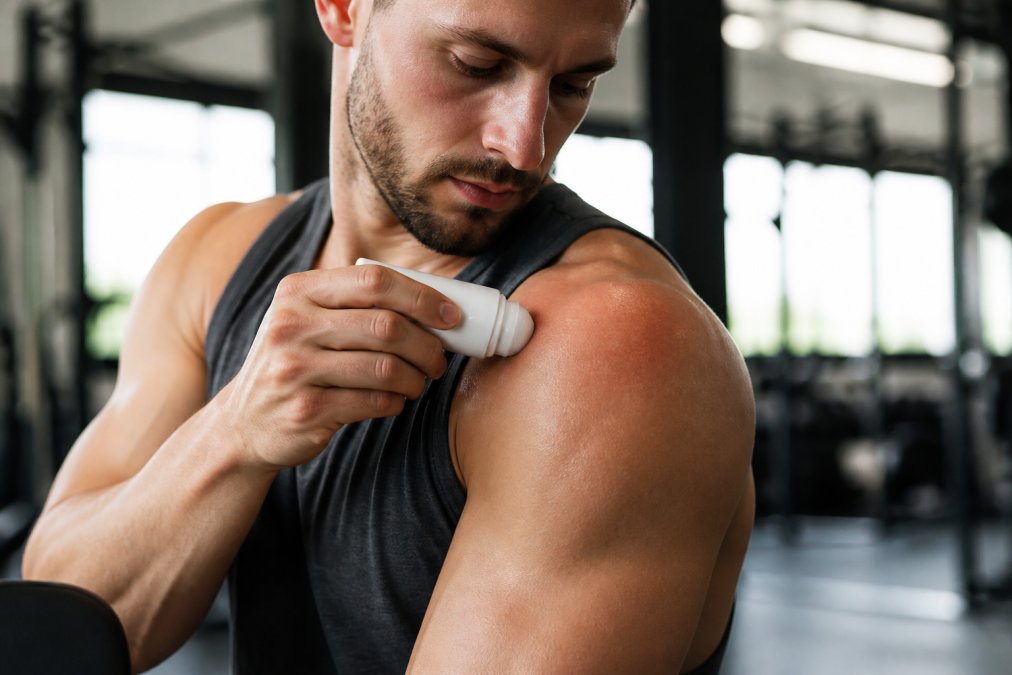
CBD freeze gels combine cannabidiol with menthol and arnica to create a multi-mechanism approach to pain and inflammation. The CBD interacts with localized cannabinoid receptors in the skin and underlying tissue. Menthol provides an immediate cooling sensation that can distract from pain signals. Arnica, a traditional botanical used in homeopathic medicine, supports the body’s natural anti-inflammatory response.
The result is fast-acting relief without systemic absorption. Unlike oral medications that enter your bloodstream, topical CBD stays localized to the application area. This means you avoid whole-body effects while targeting exactly where soreness concentrates.
CBD Health Collection’s freeze gel combines these ingredients with water-based formulation for optimal absorption. The roll-on applicator makes it practical for post-workout use, no mess, no transfer to hands, no waiting for melting.
Application Tips for Maximum Relief
Timing matters. Apply topical CBD gels immediately after your workout or as soon as soreness emerges, not hours later when inflammation has fully set in. Clean, dry skin absorbs better than damp or sweaty areas, so consider a quick rinse first.
Use enough product to cover the affected area generously. A thin layer won’t deliver adequate relief. Roll the applicator over the muscle or joint 3-4 times to ensure full coverage. Most athletes find 2-3 applications daily during acute soreness phases works best, then taper as pain decreases.
Keep away from open wounds, broken skin, or areas with active rashes. The menthol can sting sensitive skin. If you experience irritation, discontinue use and rinse thoroughly with cool water.
Do not apply heat (heating pads, hot showers) immediately after using menthol-based gels. The combination can cause excessive skin irritation. Wait at least 2-3 hours before applying heat to the same area.
Natural Anti-Inflammatory for Muscle Recovery: Herbs and Supplements
Oral supplements work differently than topicals. They enter your digestive system, get absorbed into your bloodstream, and circulate throughout your body to support systemic inflammation reduction. This approach takes longer to show effects but addresses inflammation at a deeper level.
Turmeric Curcumin and BioPerine
Turmeric has been used in traditional medicine for thousands of years, but modern research has identified curcumin as the active compound responsible for its anti-inflammatory properties. Curcumin works by inhibiting inflammatory pathways at the cellular level, reducing the production of inflammatory molecules throughout your body.
The challenge with turmeric is bioavailability, your body doesn’t absorb curcumin efficiently on its own. That’s where BioPerine, a black pepper extract, becomes essential. BioPerine enhances curcumin absorption by up to 2000%, meaning you actually benefit from the turmeric you consume rather than most of it passing through unused (peer-reviewed research).
Look for turmeric supplements that explicitly include BioPerine in the formulation. Standard turmeric powder or capsules without this enhancer deliver minimal benefit. Most athletes using curcumin for inflammation recovery take 500-1000mg daily, though individual tolerance varies (peer-reviewed research). Results typically emerge over 2-4 weeks of consistent use, not immediately.
Magnesium and Mineral-Based Relief
Magnesium plays a critical role in muscle function and relaxation. When muscles contract during exercise, they consume magnesium. Depleted magnesium can contribute to muscle tension, cramping, and delayed recovery. Supplementing magnesium helps restore what exercise depletes.
Magnesium also supports the body’s natural stress response, which matters because stress and inflammation feed each other. Athletes under recovery stress often experience worse inflammation than the injury alone would cause. Magnesium addresses both pathways.
Topical magnesium creams deliver mineral directly to sore muscles while also providing hydration. Oral magnesium supplements work systemically. Many athletes use both, topical cream for immediate localized relief, oral supplements for ongoing recovery support. Magnesium glycinate and magnesium threonate are well-absorbed forms, though any quality magnesium supplement helps.
The combination of curcumin with BioPerine plus magnesium addresses inflammation through two different mechanisms: curcumin reduces inflammatory signaling while magnesium supports muscle relaxation and recovery. Using both together often produces better results than either alone.
How to Reduce Inflammation Naturally After Exercise
Inflammation is your body’s healing response, but excessive inflammation slows recovery and increases pain. The goal isn’t eliminating inflammation entirely, it’s managing it intelligently so healing happens without unnecessary suffering.
The RICE Method Combined with Natural Remedies
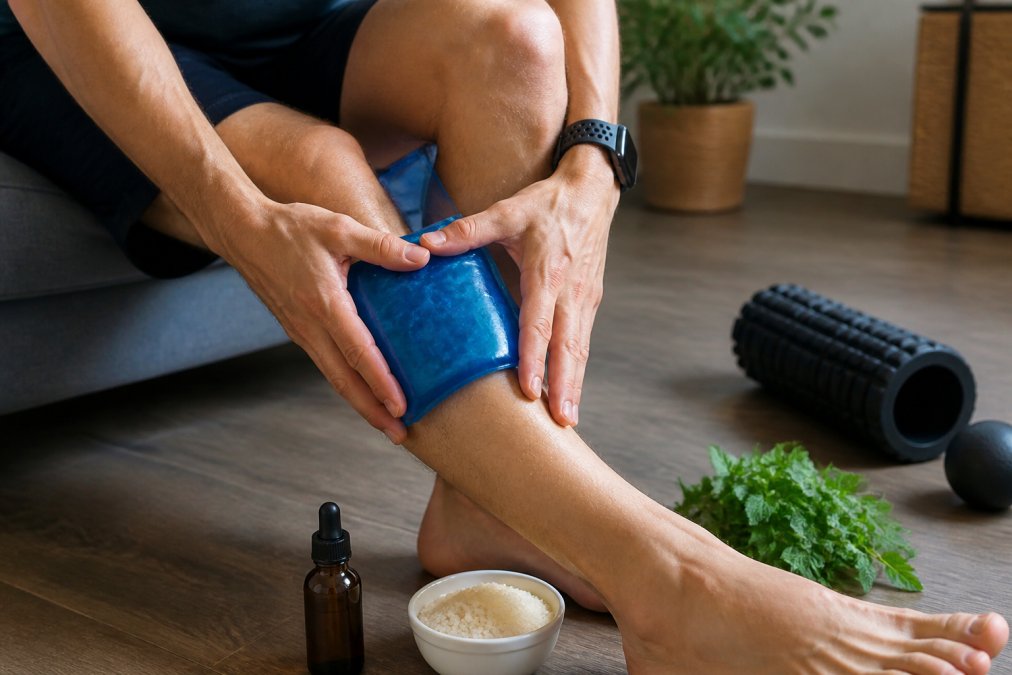
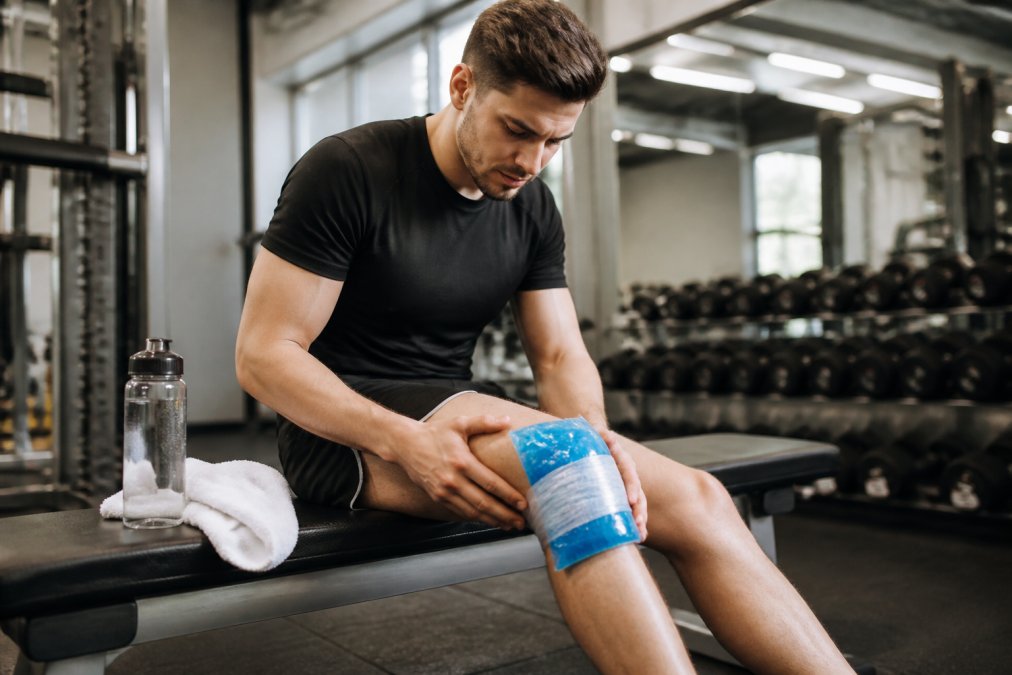
RICE stands for Rest, Ice, Compression, Elevation, a foundational protocol for acute injuries that remains effective decades after its introduction. Rest prevents further damage and allows healing to begin. Ice reduces inflammatory signaling in the first 48 hours post-injury. Compression minimizes swelling. Elevation uses gravity to prevent fluid accumulation in the injured area.
The RICE method works best in the immediate aftermath of injury, the first 24-48 hours. Apply ice for 15-20 minutes at a time, several times daily during this window (the CDC). The cold numbs pain while reducing the inflammatory cascade your body initiates.
Combine RICE with natural anti-inflammatory support. While icing, apply a topical arnica or menthol gel to the affected area. Take turmeric and magnesium supplements starting immediately. This multi-method approach addresses inflammation through different pathways simultaneously, producing faster recovery than RICE alone.
After 48 hours, transition from ice to gentle movement and heat. Continued immobilization actually slows recovery. Light stretching and warm topical treatments promote circulation, which delivers nutrients needed for tissue repair. natural anti-inflammatories.
Topical Arnica and Menthol for Immediate Cooling
Arnica montana has been used in traditional medicine for centuries and remains one of the most trusted botanicals for bruising and swelling. Modern preparations concentrate arnica’s active compounds into gels and creams that absorb quickly without greasy residue.
Menthol produces the sensation of cooling and can mask pain signals through a mechanism called gate control, essentially, the cool sensation overrides pain perception. This isn’t just distraction; it’s a documented neurological pathway that makes menthol genuinely effective for immediate relief.
Apply these topicals immediately after injury or as soon as soreness emerges. The first application often provides the most dramatic relief as inflammatory processes haven’t fully escalated. Reapply every 3-4 hours during acute phases, then reduce frequency as swelling decreases.
Neither arnica nor menthol addresses underlying inflammation permanently, but they provide the immediate relief that allows you to rest properly and begin rehabilitation. That early comfort matters, poor sleep from pain actually increases inflammation, creating a negative cycle.
Percussion Massage and Electrical Stimulation Devices
Technology offers drug-free alternatives that work through physical mechanisms rather than biochemical ones. Percussion massage guns and electrical stimulation devices represent two distinct approaches to pain management and recovery acceleration.
How Percussion Therapy Accelerates Recovery
Percussion massage guns deliver rapid, targeted vibrations to muscle tissue. These vibrations increase blood flow to the treated area, which delivers oxygen and nutrients needed for recovery while removing metabolic waste products that accumulate during inflammation.
The vibrations also affect muscle spindles, specialized sensory organs that detect muscle tension. Rapid vibration can reset these spindles, reducing perceived muscle tightness and pain. This is why percussion therapy often produces immediate relief even though underlying inflammation may persist.
Use percussion devices on muscle groups, not directly over joints or bones. Start with lower intensity settings and gradually increase as your muscles adapt. Most athletes find 1-2 minute sessions per muscle group, 2-3 times daily, produces optimal results without causing additional soreness. Avoid using percussion on acute injuries in the first 48 hours, let initial inflammation settle first.
Percussion therapy works best as part of a broader recovery strategy, not as a standalone solution. Combine it with stretching, natural anti-inflammatories, and proper rest for comprehensive recovery support.
TENS and EMS Devices for Drug-Free Pain Management
TENS (Transcutaneous Electrical Nerve Stimulation) and EMS (Electrical Muscle Stimulation) represent different applications of electrical current to manage pain and support recovery.
TENS devices send mild electrical impulses through electrodes placed on skin over the painful area. These impulses interfere with pain signal transmission to the brain, the same gate control mechanism that makes menthol effective, but using electrical stimulation instead of cooling sensation. TENS works best for acute, localized pain and can provide relief within minutes.
EMS devices stimulate muscle fibers directly, causing them to contract. This artificial contraction increases blood flow, promotes muscle activation without voluntary effort, and can reduce muscle tension. EMS is particularly useful for recovery when you can’t exercise normally due to injury.
Both technologies are non-invasive and drug-free, making them suitable for athletes who want to avoid medications. Results vary significantly between individuals, some experience dramatic relief while others notice minimal effect. The only way to know if these devices work for you is to try them.
Athletes with acute localized pain who want immediate relief without medication. TENS works best for sharp, nerve-related pain. EMS works best for muscle soreness and tension.
Acupressure Mats and Pressure-Point Therapy
Acupressure mats apply sustained pressure to thousands of points across your back and body simultaneously. These points correspond to acupressure principles used in traditional medicine for thousands of years. Modern acupressure mats make this ancient practice accessible for home use.
Lying on an acupressure mat for 10-20 minutes stimulates these pressure points, which can trigger endorphin release and reduce pain perception. The sustained pressure also promotes relaxation and can improve sleep quality, critical for recovery since most tissue repair happens during sleep.
Start with shorter sessions (5-10 minutes) as the initial sensation can be intense. Your body adapts quickly; sessions become more comfortable after a few uses. Use acupressure mats daily during recovery phases, ideally in the evening to improve sleep quality.
Acupressure mats work best for chronic muscle tension and general recovery support rather than acute injury pain. They complement other natural pain relief methods but shouldn’t replace immediate RICE protocol for fresh injuries.
Safety Considerations and When to Seek Professional Care
Natural pain relief alternatives work well for many athletes, but they have limits. Knowing when to continue self-care and when to seek professional evaluation is critical.
Seek immediate professional care if you experience severe pain that doesn’t improve with rest and natural treatments within 48 hours, inability to bear weight or use the injured limb normally, visible deformity or significant swelling that worsens despite elevation and ice, numbness or tingling that spreads beyond the immediate injury area, or signs of infection like increasing warmth, redness, or pus.
Natural remedies work best for minor muscle soreness, mild sprains, and general recovery support. They’re not appropriate for fractures, severe ligament tears, or serious joint injuries. When in doubt, get professional evaluation rather than assuming natural approaches will suffice.
Certain supplements interact with medications. Curcumin can interact with blood thinners. Magnesium can affect medication absorption. If you take prescription medications, discuss natural pain relief alternatives with your healthcare provider before starting supplements.
Topical products generally have minimal safety concerns, but avoid them on broken skin or if you have known allergies to any ingredients. Test new topicals on a small skin area first to check for sensitivity reactions.
CBD products, while non-psychoactive and legal federally, may show up on some drug tests depending on the specific product and test sensitivity. If you compete in sports with drug testing, verify that your chosen CBD product is appropriate before using it.
Natural pain relief alternatives for sports injuries work best when matched to your specific situation. Acute soreness responds well to topical treatments and percussion massage. Chronic inflammation benefits from oral supplements like turmeric and magnesium. Recovery acceleration comes from combining multiple approaches, RICE protocol with natural topicals, electrical stimulation with anti-inflammatory supplements, and acupressure for sleep support.
CBD Health Collection’s topical freeze gel combines CBD with arnica and menthol to deliver multi-mechanism relief for sore muscles and joints. The water-based formulation absorbs effectively without greasy residue, and the roll-on applicator makes post-workout application practical. With a 30-day satisfaction guarantee and free shipping, you can test whether CBD topicals work for your specific pain patterns without financial risk. Start with their topical line to address immediate soreness, then add oral supplements for deeper inflammation support.
=== FAQ ANSWERS (audit these too, same rules) ===
[1] Q: What are the most effective natural pain relief alternatives for sports injuries?
A: The most effective natural pain relief alternatives include topical CBD gels and arnica for localized soreness, oral supplements like turmeric curcumin for inflammation, percussion massage devices for muscle recovery, and TENS units for nerve-based pain. Many athletes combine multiple approaches: using a CBD freeze gel for immediate relief while taking anti-inflammatory supplements to address underlying swelling. Results vary by injury type and individual response, so starting with topical treatments often provides the fastest feedback on what works for your body.
[2] Q: How do CBD topical benefits for athletes compare to traditional pain medications?
A: CBD topicals work differently than NSAIDs or prescription pain medications. They don’t suppress pain signals; instead, they reduce inflammation and interact with localized cannabinoid receptors in the skin and underlying tissue. Topical CBD targets the exact injury site, making it useful for acute flare-ups between training sessions. However, they’re not a replacement for medical evaluation of serious injuries.
[3] Q: Can natural anti-inflammatory for muscle recovery actually speed up healing?
A: Natural anti-inflammatory agents like turmeric, ginger, and omega-3 fatty acids reduce swelling that can restrict blood flow and delay repair. By lowering inflammation, you support the body’s natural healing process and may reduce pain sooner. However, some inflammation is necessary for recovery, it’s part of the healing cascade. The goal is balanced inflammation management, not complete elimination. Combined with rest, proper nutrition, and gradual movement, natural anti-inflammatory approaches can help optimize recovery timelines.
[4] Q: How long does it take to feel results from natural pain relief methods?
A: Topical treatments like CBD freeze gels and arnica typically provide relief within 10-30 minutes. Percussion massage devices offer immediate muscle relaxation during use. Oral supplements like turmeric curcumin require consistent use over 2-4 weeks to show anti-inflammatory benefits. TENS devices provide immediate pain gate relief during application. Individual response varies based on injury severity, body chemistry, and product quality. Starting with topical options gives you quick feedback on effectiveness before committing to longer-term supplementation.
[5] Q: Are there any contraindications or safety concerns with natural pain relief for sports injuries?
A: Most natural remedies are safe for topical use, but some considerations apply: avoid applying topicals to open wounds, broken skin, or areas with active infection. Oral supplements like turmeric may interact with blood thinners or diabetes medications, consult your healthcare provider if you take prescriptions. TENS and EMS devices should not be used over the heart, on the neck, or during pregnancy without medical clearance. Acupressure mats can cause initial discomfort and aren’t suitable for severe sprains or fractures. Always seek professional evaluation for serious injuries before relying solely on natural relief methods.
Frequently Asked Questions
Q: What are the most effective natural pain relief alternatives for sports injuries?
A: The most effective natural pain relief alternatives include topical CBD gels and arnica for localized soreness, oral supplements like turmeric curcumin for inflammation, percussion massage devices for muscle recovery, and TENS units for nerve-based pain. Many athletes combine multiple approaches: using a CBD freeze gel for immediate relief while taking anti-inflammatory supplements to address underlying swelling. Results vary by injury type and individual response, so starting with topical treatments often provides the fastest feedback on what works for your body.
Q: How do CBD topical benefits for athletes compare to traditional pain medications?
A: CBD topicals work differently than NSAIDs or prescription pain medications. They don't suppress pain signals; instead, they reduce inflammation and interact with localized cannabinoid receptors in the skin and underlying tissue. Topical CBD targets the exact injury site, making it useful for acute flare-ups between training sessions. However, they're not a replacement for medical evaluation of serious injuries.
Q: Can natural anti-inflammatory for muscle recovery actually speed up healing?
A: Natural anti-inflammatory agents like turmeric, ginger, and omega-3 fatty acids reduce swelling that can restrict blood flow and delay repair. By lowering inflammation, you support the body's natural healing process and may reduce pain sooner. However, some inflammation is necessary for recovery, it's part of the healing cascade. The goal is balanced inflammation management, not complete elimination. Combined with rest, proper nutrition, and gradual movement, natural anti-inflammatory approaches can help optimize recovery timelines.
Q: How long does it take to feel results from natural pain relief methods?
A: Topical treatments like CBD freeze gels and arnica typically provide relief within 10-30 minutes. Percussion massage devices offer immediate muscle relaxation during use. Oral supplements like turmeric curcumin require consistent use over 2-4 weeks to show anti-inflammatory benefits. TENS devices provide immediate pain gate relief during application. Individual response varies based on injury severity, body chemistry, and product quality. Starting with topical options gives you quick feedback on effectiveness before committing to longer-term supplementation.
Q: Are there any contraindications or safety concerns with natural pain relief for sports injuries?
A: Most natural remedies are safe for topical use, but some considerations apply: avoid applying topicals to open wounds, broken skin, or areas with active infection. Oral supplements like turmeric may interact with blood thinners or diabetes medications, consult your healthcare provider if you take prescriptions. TENS and EMS devices should not be used over the heart, on the neck, or during pregnancy without medical clearance. Acupressure mats can cause initial discomfort and aren't suitable for severe sprains or fractures. Always seek professional evaluation for serious injuries before relying solely on natural relief methods.
This article was written using GrandRanker