A pet CBD label can look simple until you start reading it. One bottle may contain hemp extract, carrier oil, flavoring, and a long list of unfamiliar additives. Another may make broad promises without explaining what is actually inside. For pet owners, the best pet CBD ingredients are not about finding the longest ingredient list or the highest number on the label. They are about choosing a clean, carefully made formula your dog or cat can take consistently.
That starts with a straightforward standard: know the source of the CBD, understand every supporting ingredient, and look for independent testing that confirms what is in the bottle – and what is not.
What Makes the Best Pet CBD Ingredients?
A quality pet CBD product should be built around a few purposeful ingredients, not padded with unnecessary extras. Pets can be more sensitive than people to flavorings, essential oils, preservatives, and certain sweeteners. A shorter, transparent formula makes it easier to evaluate whether a product fits your pet’s needs.
The goal is not to make CBD sound like a cure-all. Every pet responds differently, and CBD should not replace veterinary care for pain, sudden behavior changes, mobility loss, digestive concerns, or other health issues. But a clean CBD formula may be a practical addition to an everyday wellness routine for pets that need calm, comfort, or support as they age.
THC-Free Hemp-Derived CBD
The primary ingredient should be hemp-derived CBD that is clearly identified on the label. For many pet owners, THC-free CBD is the preferred choice because it provides a non-intoxicating option without the concern of detectable THC exposure.
This distinction matters. Dogs and cats do not need THC to benefit from a pet wellness routine, and THC can be especially concerning for pets because they may be more sensitive to it than humans. Look for a product that states it contains no detectable THC and backs that statement with current third-party lab testing.
CBD may appear on a label as cannabidiol, hemp extract, broad-spectrum hemp extract, or CBD isolate. Each can be used in a THC-free product, but transparency is what counts. The label and testing should make clear how much CBD is provided per serving and per bottle.
Organic, Responsibly Grown Hemp
Hemp is a plant, which means where and how it is grown affects the final extract. Hemp can absorb compounds from the soil, so responsible cultivation is more than a marketing detail. Organically grown hemp and chemical-free growing practices help reduce concern about unwanted agricultural residues making their way into a finished pet product.
A brand should be willing to explain its sourcing standards in plain language. If the origin of the hemp is vague, or if there is no information about cultivation practices, pet owners have reason to keep looking.
CO2-Extracted CBD
Extraction is the process used to separate useful hemp compounds from the raw plant material. CO2 extraction is widely valued because it can produce a clean, controlled hemp extract without relying on harsh chemical solvents.
For pet products, this is a meaningful quality marker. A carefully extracted CBD ingredient supports the same goal as a thoughtfully sourced plant: a purer formula with fewer unnecessary concerns. It also reflects a manufacturer that pays attention to the process behind the label, not just the claims on the front of the bottle.
A Pet-Safe Carrier Base
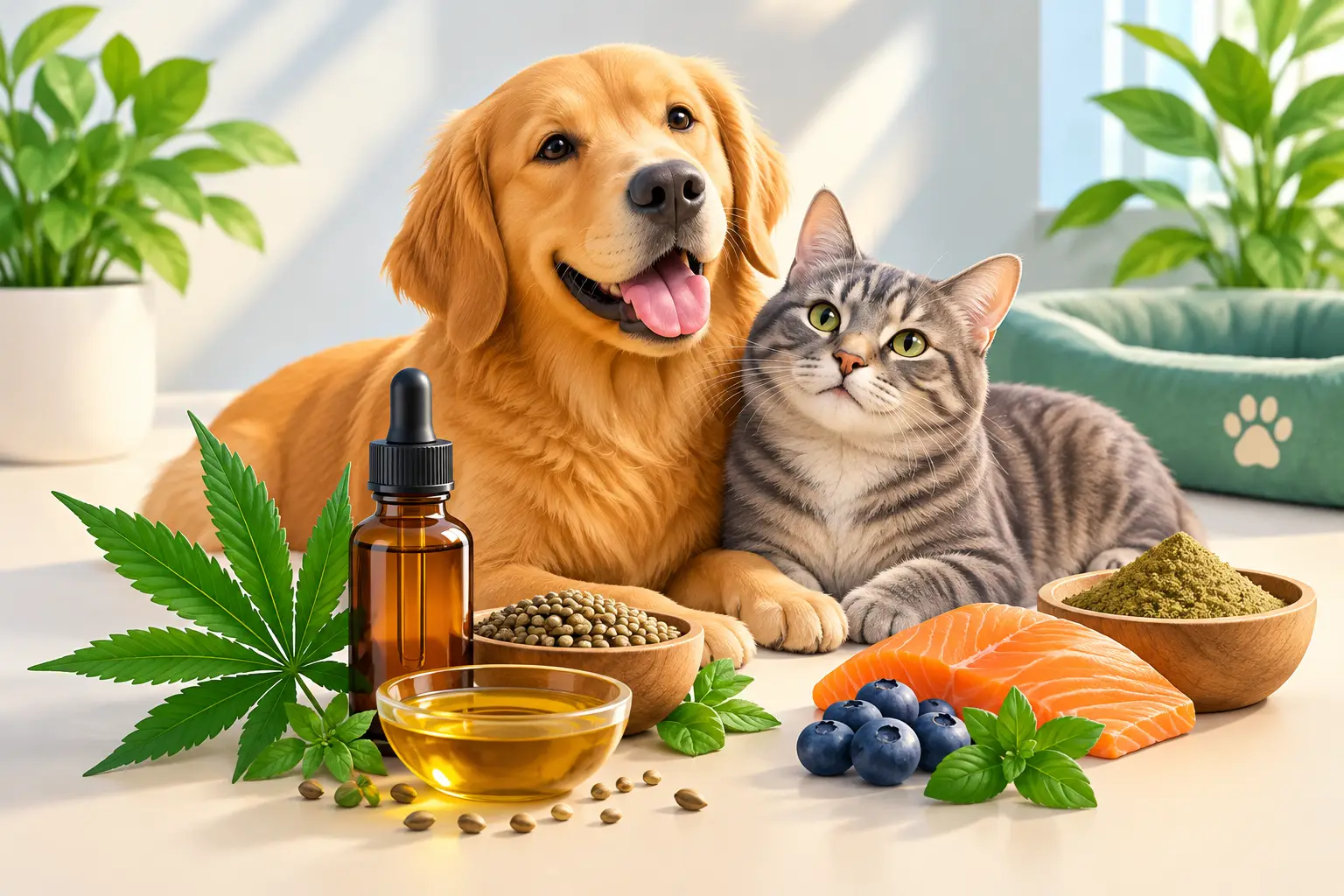
CBD needs a carrier ingredient, often called a base, to make serving easier and support absorption. Common carrier options include MCT oil, hempseed oil, salmon oil, and other pet-friendly oils. The right choice can depend on your pet’s preferences, sensitivities, and diet.
MCT oil is commonly used because it is neutral in flavor and easy to measure. Hempseed oil may appeal to owners who prefer a hemp-based formula, though it is different from CBD and does not provide the same cannabinoid content. Fish-based oils may be more appealing to picky dogs, but they can be unsuitable for pets with fish sensitivities or a veterinarian-recommended low-fat diet.
There is no single carrier oil that is best for every animal. What matters is that the carrier is clearly named, appropriate for pets, and used in a formula that does not hide behind a generic term such as “proprietary blend.”
Ingredients to Approach Carefully
A pet CBD formula does not need to be complicated to be effective. In fact, extra ingredients can create extra questions. Avoiding unnecessary additives is especially helpful for pets with sensitive stomachs, allergies, or a history of reacting to new foods.
Be cautious with artificial colors, artificial flavors, excessive preservatives, and vague flavor descriptions. A label that simply says “natural flavors” does not always tell you enough about what your pet is consuming. If a flavoring is included, the brand should be able to explain its source and why it is used.
Some ingredients are clear no-go choices for pets. Xylitol is highly toxic to dogs and should never appear in a pet product. Chocolate, caffeine, alcohol, and ingredients containing THC are also inappropriate. Essential oils deserve care as well. Some can be irritating or unsafe for animals, particularly cats, whose bodies process certain compounds differently.
It is also wise to be skeptical of products that combine CBD with a crowded mix of herbs, melatonin, vitamins, or calming compounds without clear serving guidance. These formulas are not automatically poor quality, but they make it harder to tell what is helping, what may be causing a reaction, and whether the ingredients are right for your individual pet.
Why Third-Party Testing Belongs on the Ingredient Checklist
A clean ingredient list is only half the picture. The best pet CBD ingredients should be confirmed by an independent laboratory. Third-party testing helps verify CBD potency and supports claims that a product is THC-free. Depending on the testing panel, it can also screen for contaminants such as pesticides, heavy metals, residual solvents, and microbial impurities.
This is one of the clearest ways to separate a carefully made product from one that relies only on attractive packaging. A certificate of analysis should match the product you are considering and be current enough to reflect the batch being sold. It should be readable, not buried behind vague statements about “lab-tested quality.”
For first-time CBD buyers, testing offers confidence that the bottle contains the amount of CBD listed on the label. For experienced pet owners, it is a practical way to check for consistency when reordering.
How to Choose a Formula for Your Pet
Start with your pet, not a trend. A senior dog with occasional stiffness, a rescue dog that struggles during storms, and a cat that dislikes new foods may all need different approaches. Consider your pet’s size, routine, dietary restrictions, current medications, and comfort with oils or treats.
For a simple starting point, choose a THC-free CBD product with a short ingredient list, a clearly stated serving size, and accessible lab results. Begin with the lowest suggested serving for your pet’s weight, then monitor closely. Changes in appetite, energy, stool quality, or behavior are useful signals to discuss with your veterinarian.
If your pet takes prescription medication, has liver concerns, is pregnant or nursing, or has a diagnosed medical condition, speak with a veterinarian before adding CBD. This is particularly important because CBD may affect how the body processes certain medications.
Water-based CBD formats may also be worth considering for owners focused on absorption and ease of use. As with any format, the key is clear dosing, clean supporting ingredients, and testing that supports the product’s claims.
Clean Ingredients Support Better Decisions
The right pet CBD product should make you feel informed, not pressured. A trustworthy formula explains its CBD source, avoids detectable THC, uses purposeful supporting ingredients, and provides independent lab results for review. Those standards help pet owners make decisions with greater confidence.
When you choose a simple, tested, THC-free formula and introduce it thoughtfully, you give your pet’s wellness routine the same care you give every other part of their daily life.