A sore knee after a long walk, tight shoulders at the end of a workday, or hands that feel overworked from daily tasks all call for a simple question: what belongs on the skin? This CBD topical shopping guide is designed to help you answer that question with confidence, without getting lost in vague labels, oversized claims, or confusing cannabinoid terms.
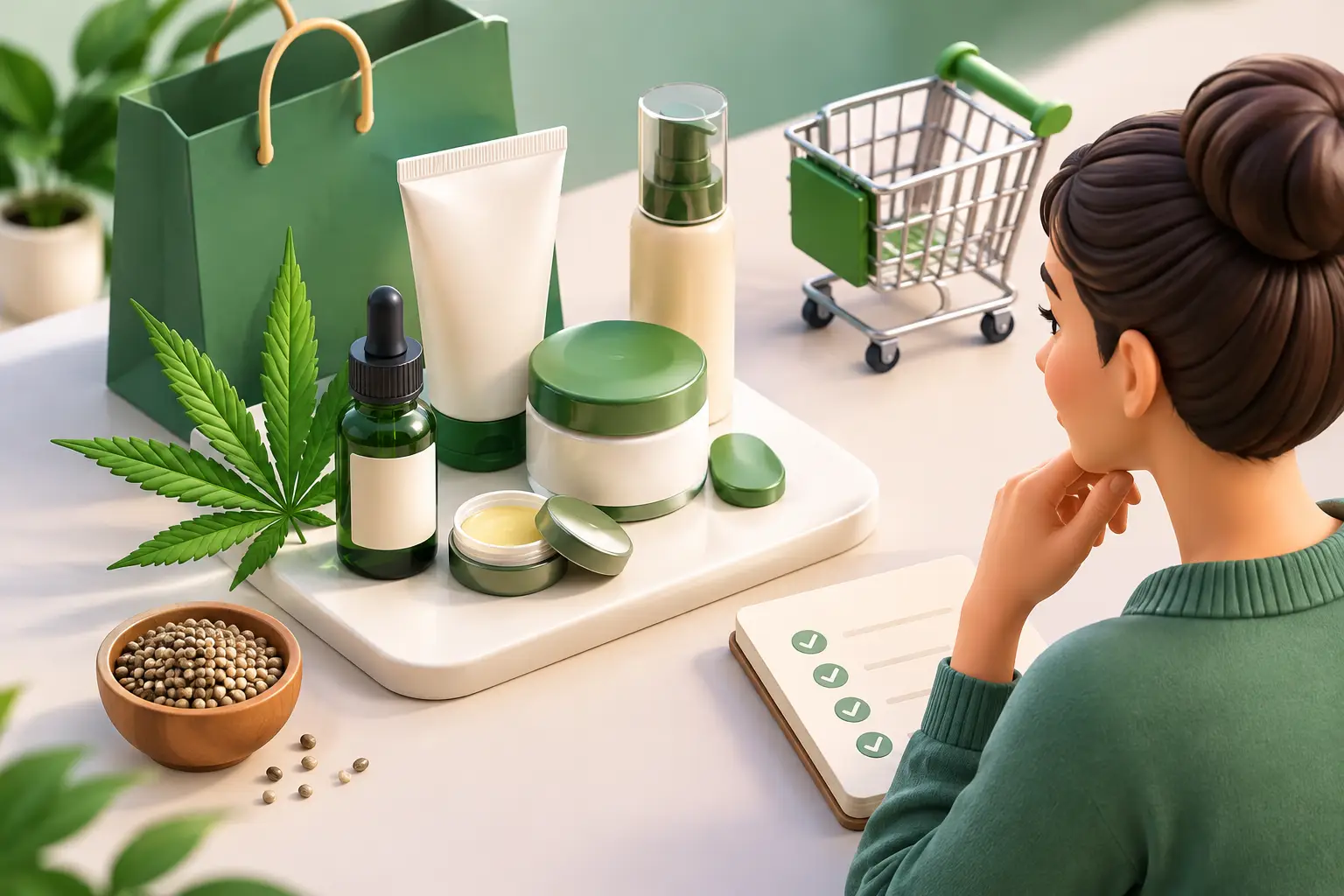
A CBD topical is a cream, lotion, balm, salve, roll-on, or gel applied directly to a specific area of skin. Many people choose one because they want targeted, non-intoxicating support as part of an everyday comfort routine. The best choice is not always the product with the biggest CBD number on the front label. It is the formula that matches your routine, ingredients standards, and comfort preferences.
Start With the Area and Your Daily Routine
Before comparing products, think about where and when you expect to use a topical. A lightweight cream may make sense for daytime use on hands, elbows, knees, or shoulders because it can absorb quickly without leaving a heavy finish. A richer balm or salve may be better for dry skin or for a slower evening routine, when you do not mind taking a moment to massage it in.
Roll-ons can be useful for hard-to-reach areas and for people who prefer not to apply a product with their hands. Gels often create a cooling feel and may suit someone who wants a fresh sensation after activity. There is no universal winner. The right texture depends on your skin, the body area, and whether you need something discreet enough to keep in a desk drawer or gym bag.
Consider scent, too. Menthol, eucalyptus, camphor, and essential oils can create a familiar cooling or warming experience, but a strong fragrance is not right for everyone. If you have sensitive skin or simply prefer a quiet, fragrance-light routine, look for a formula with a straightforward ingredient list and avoid products that rely on perfume to feel effective.
What to Look for in a CBD Topical Shopping Guide
A clear label should tell you how much CBD is in the container, what kind of CBD extract is used, and how to use the product. If those details are hard to find, that is a reason to pause. Trust should not require detective work.
Check CBD strength in context
Topical CBD strength is usually listed as total milligrams of CBD in the package. That number matters, but it needs context. A 1,000 mg jar may sound substantial, yet the jar size and recommended application amount determine how concentrated each use may be.
Compare the total CBD amount with the net weight or volume of the product. A smaller container with a similar CBD total is generally more concentrated than a large container with the same total. Still, concentration alone does not guarantee a better experience. Some people prefer a moderate-strength formula they can use consistently, while others want a more concentrated product for occasional targeted application.
Be cautious with labels that emphasize a large number but do not clearly identify whether it refers to CBD itself or to total hemp extract. Those are not always the same thing. A reputable product should state the amount of CBD plainly.
Know the difference between topical and transdermal
Most CBD creams, salves, and balms are topical products intended for application at the skin’s surface. A transdermal formula is designed differently, with the goal of moving ingredients through the skin and into the bloodstream.
This distinction matters for shoppers who specifically want local application and who value a non-intoxicating, targeted routine. Read the label rather than assuming all products applied to the skin work in the same way. If you are taking medications, are pregnant or nursing, or have a medical condition, speak with a qualified healthcare professional before adding CBD products to your routine.
Look closely at the ingredient base
CBD does not work in isolation from the rest of the formula. The base affects how a product feels, spreads, and fits into your day. Botanical oils and butters can provide a richer feel, while water-based creams and lotions may absorb more quickly and feel lighter on the skin.
Look for ingredients you recognize and feel comfortable using. Organic cultivation, CO2 extraction, and chemical-free processing are meaningful quality signals because they speak to how the hemp ingredient was handled before it reached the jar. They should be paired with full ingredient transparency, not used as a substitute for it.
If your skin is reactive, review the entire list for known sensitivities. Natural does not automatically mean irritation-free. Essential oils, botanical extracts, and cooling ingredients can be enjoyable for one person and uncomfortable for another.
Lab Testing Is the Standard, Not an Extra
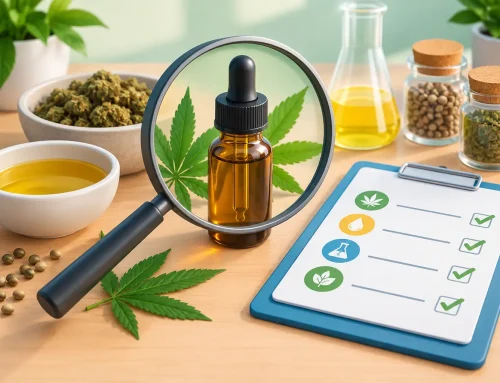
Independent lab testing is one of the clearest ways to shop with confidence. Look for a current certificate of analysis, often called a COA, that matches the specific product or batch. The report should verify the CBD content and screen for contaminants such as pesticides, heavy metals, residual solvents, and microbial impurities.
For shoppers seeking THC-free CBD, the report should also show no detectable THC. This is particularly relevant for people who want to avoid THC exposure due to personal preference, workplace concerns, service requirements, or family responsibilities. Do not rely solely on a front-label claim. Verify that the testing documentation supports it.
A brand should make testing information understandable and available. Transparency is not about overwhelming customers with technical data. It is about giving them a clear way to confirm what they are buying.
Avoid Claims That Sound Too Good to Be True
CBD topicals can be a practical addition to a wellness routine, but they are not a replacement for medical care. Be skeptical of any product that promises to cure a disease, eliminate chronic pain instantly, or work the same way for every person.
Your experience can depend on the formula, amount applied, skin condition, the area being used, and the consistency of your routine. It may also depend on what you expect from the product. A topical may be most useful when paired with ordinary supportive habits such as gentle movement, stretching, hydration, rest, or a post-activity wind-down.
A responsible brand explains what is in its product, offers realistic guidance, and gives you room to decide whether it fits your needs. Confidence comes from clarity, not exaggerated promises.
Use It Safely the First Time
When trying a new topical, start with a small amount on a limited area of intact skin. Give your skin time to respond before using it more broadly. Avoid contact with eyes, broken skin, and other sensitive areas unless the product directions specifically say otherwise.
Wash your hands after application, especially if the formula contains menthol, capsaicin, or concentrated essential oils. Follow the package directions for frequency and storage. If redness, burning, itching, or other irritation occurs, stop use and speak with a healthcare professional if needed.
For households with children or pets, store all wellness products securely. A human topical is not automatically appropriate for an animal. Pet CBD products should be formulated and labeled specifically for pets, with guidance from a veterinarian when questions arise.
Make Your First Purchase a Useful Test
A first CBD topical does not need to be a lifetime commitment. Choose a formula that fits the place and time you will realistically use it, then give yourself a fair chance to evaluate it. Apply it as directed, notice the texture and skin feel, and pay attention to whether the product supports a routine you can maintain.
CBD Health Collection focuses on THC-free, independently tested CBD options because shoppers deserve clear standards alongside practical product choices. Whether you prefer a cooling gel, a nourishing salve, or an easy-to-use cream, the details behind the label matter as much as the format in your hand.
The best topical is the one you feel comfortable reaching for consistently: clearly labeled, thoughtfully made, suited to your skin, and supported by testing you can verify.