A CBD label should answer simple questions without sending you into a chemistry lesson: What is in this product? How much CBD does it contain? Has it been tested? For shoppers seeking dependable, non-intoxicating support, knowing the CBD ingredients to avoid can make the difference between a product that fits your routine and one that creates more uncertainty than relief.
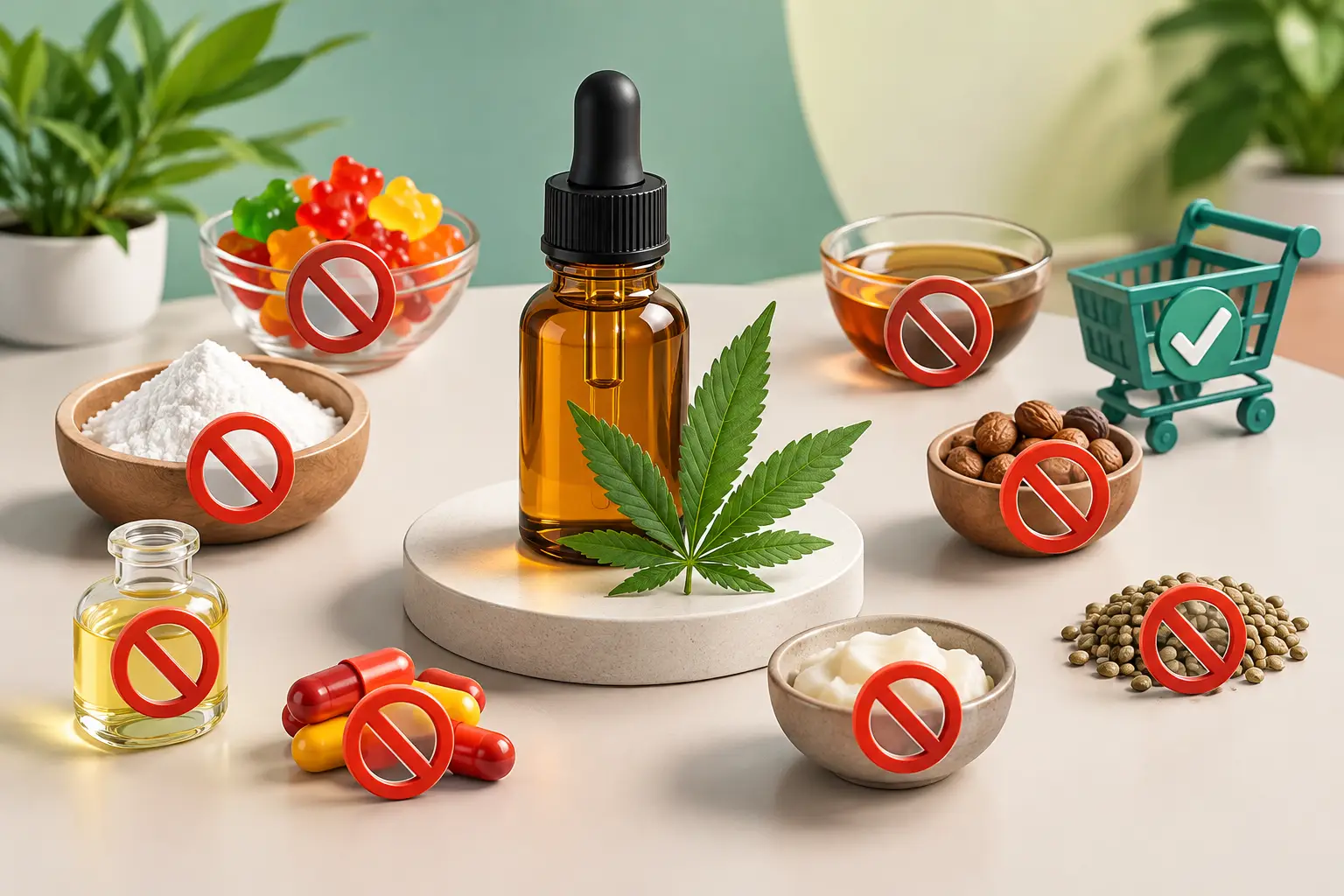
CBD is not one standardized product category. Oils, gummies, topicals, capsules, and pet products can all contain very different carriers, flavorings, preservatives, and active ingredients. A long ingredient list is not automatically a problem, especially in a flavored gummy or a targeted topical. What matters is whether each ingredient has a clear purpose, is appropriate for the intended user, and is disclosed plainly.
Start With a Complete, Readable Label
A trustworthy CBD product should identify the type and amount of CBD, list all ingredients, provide serving guidance, and make current third-party test results available. Be cautious when a label relies on vague terms such as “proprietary wellness blend” while failing to say how much CBD is present per serving.
For a CBD oil, the formula may be quite short: a CBD extract plus a carrier base and, sometimes, natural flavoring. A topical may need additional ingredients for texture, stability, and skin feel. The standard is not “fewest ingredients possible.” The standard is a formula you can understand and verify.
If you have allergies, take prescription medications, are pregnant or nursing, or are choosing a product for a child or pet, speak with a qualified healthcare professional or veterinarian before using CBD. A transparent label gives you and your provider the information needed for that conversation.
CBD Ingredients to Avoid or Question
Some ingredients deserve extra scrutiny because they can affect purity, tolerability, or your ability to know what you are taking. Others are not inherently unsafe but may be a poor fit for your personal needs.
Artificial colors and unnecessary additives
Brightly colored gummies and flavored oils can contain artificial dyes, synthetic flavor systems, or ingredients included mainly for appearance. These additives do not improve the quality of the CBD itself. People with known sensitivities may prefer products with simple, clearly identified flavoring and color sources.
This is especially relevant for daily-use products. An occasional treat and a supplement used every day are different purchasing decisions. If a colorant, sweetener, or flavor is present, it should be easy to identify on the label.
Excess added sugar and corn syrup
Gummies can be a convenient way to take CBD, but some contain more sugar than customers expect. A small amount of sugar may be reasonable for taste and texture. The concern is a formula that turns a wellness product into a candy-like daily habit, particularly for people managing blood sugar or limiting added sugars.
Look at the nutrition facts alongside the supplement facts. Compare the suggested serving size with the number of gummies you would actually take. This gives a more useful picture than judging the front of the package alone.
Undisclosed cannabinoids or unclear THC claims
A product should not leave you guessing about whether it contains THC. Hemp-derived CBD products may be described as full-spectrum, broad-spectrum, or CBD isolate, but the label and testing should support those descriptions.
For customers who want to avoid THC exposure, “THC-free” should be backed by a current certificate of analysis showing no detectable THC at the laboratory’s stated limit of detection. This matters for peace of mind, workplace drug-testing concerns, military families, and anyone who simply wants a non-intoxicating CBD option.
Be wary of labels that say “hemp extract” without identifying cannabinoid content. Hemp seed oil, for example, can be a useful cosmetic or nutritional ingredient, but it is not the same as a CBD extract. If CBD is the reason you are buying the product, the milligrams of CBD should be stated clearly.
Harsh solvents and poorly explained extraction methods
How CBD is extracted affects what may remain in the final ingredient. CO2 extraction is widely valued because it can produce a clean hemp extract without relying on harsh chemical solvents. Other extraction approaches can be used responsibly, but they require careful purification and testing.
The practical question is whether the company provides third-party testing for residual solvents, heavy metals, pesticides, and microbial contaminants. If a brand will not explain its extraction approach or make testing available, there is no good reason to fill in the gaps with trust.
Unnecessary synthetic fragrances in topicals
A topical CBD product is applied directly to the skin, so the full formula matters. Fragrance can make a cream or salve more pleasant to use, but broad terms such as “fragrance” or “parfum” do not always tell sensitive users what they are applying.
Those with reactive skin, eczema, fragrance sensitivities, or known allergies may want fragrance-free options or products that clearly disclose essential oils and other scent ingredients. Natural does not always mean irritation-free, either. Peppermint, eucalyptus, and other botanicals can feel soothing to some people while causing irritation for others. Patch test a new topical on a small area of skin before regular use.
Stimulants, sedatives, or active botanicals you did not expect
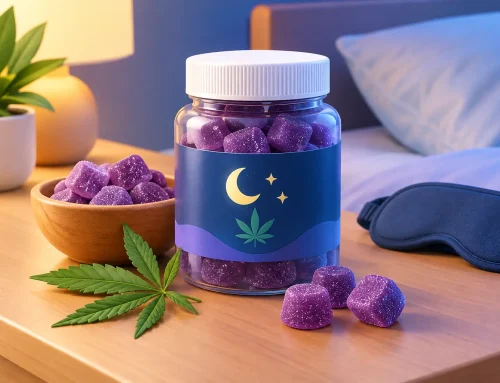
Some CBD products combine CBD with melatonin, caffeine, herbs, or other functional ingredients. A thoughtfully formulated combination product can be useful when the ingredients match your goal. A sleep formula, for example, may be designed differently than a daytime stress product.
The concern is surprise. Do not assume every CBD gummy is appropriate at any time of day, or that a “calming” blend will work the same way for everyone. Check the entire active ingredient panel, use the product only as directed, and avoid stacking multiple products with overlapping ingredients unless a healthcare professional has advised you to do so.
Watch for Claims That Outrun the Label
Ingredient quality is also about honest marketing. Be cautious of products that promise to cure, treat, or prevent diseases, or that claim immediate, guaranteed results for every person. CBD may be part of an everyday wellness routine, but individual experiences vary based on the product, serving size, body chemistry, and the reason for use.
A credible company explains what is in the product, what the product is intended to support, and how to use it. It does not hide behind exaggerated language. Clear guidance is particularly valuable for first-time users, who may be better served by starting with a modest serving and paying attention to how they feel.
What to Look for Instead
Rather than trying to memorize every ingredient to avoid, use a few practical standards when comparing products. Look for CBD content listed in milligrams, a complete ingredient panel, batch-specific independent lab testing, and transparent THC information. Organic hemp cultivation, chemical-free processing, and CO2 extraction can offer additional confidence when those practices are clearly documented.
For oils and other ingestible products, consider the carrier ingredient as well. MCT oil, hemp seed oil, and water-based formats each have different characteristics. The best choice depends on your preferences, dietary needs, and how you plan to use the product. For topicals, choose a texture and ingredient profile that suits your skin rather than assuming the strongest scent or longest list is better.
If you are shopping for a pet, use a pet-specific formula and avoid products containing ingredients that may be unsuitable for animals. Human gummies, especially those with sweeteners, flavorings, or added botanicals, are not automatically appropriate for dogs. Your veterinarian can help you evaluate a product in the context of your pet’s size, health history, and medications.
A Clearer Way to Shop for CBD
The goal is not to fear every unfamiliar ingredient. It is to choose CBD with enough transparency that you can make an informed decision. Products from CBD Health Collection are designed around THC-free, independently tested formulas and straightforward ingredient information, helping customers focus on their wellness goals without added confusion.
When a label is clear, a test report is available, and the formula fits your needs, CBD shopping becomes less about sorting through marketing claims and more about choosing a product you can feel comfortable using consistently.