Table of Contents
- What Are CBD Softgels and How Do They Support Daily Wellness?
- Full Spectrum vs Broad Spectrum vs Isolate CBD Softgels
- CBD Softgels Dosage Guide: Finding Your Optimal Amount
- Bioavailability and Digestibility: What Actually Reaches Your System
- Third-Party Lab Testing, COAs, and Purity Standards to Look For
- Is CBD Safe for Daily Use? Drug Interactions and Side Effects
- How to Build CBD Softgels Into Your Daily Wellness Routine
- Conclusion
Last Updated: May 31, 2026
Choosing the right daily supplement should not require a biochemistry degree. CBD softgels for daily wellness have become one of the most practical formats for people who want consistent cannabidiol support without the guesswork of droppers or the sugar load of gummies. This guide from CBD Health Collection breaks down everything you need to know before buying: how softgels work, which spectrum type fits your goals, how to calculate real value, and where most shoppers go wrong. Below, we’ll show you exactly how to build a softgel routine that actually sticks, including the drug interaction questions most guides skip entirely.
The endocannabinoid system is the part most people underestimate. And that oversight costs them results.
What Are CBD Softgels and How Do They Support Daily Wellness?
A CBD softgel is a pre-measured, gelatin or vegan gel cap encasing hemp-derived CBD oil, typically suspended in a carrier oil such as MCT oil or olive oil to support absorption. Unlike tinctures, softgels deliver a fixed milligram dose every time, making them the most reliable format for building a consistent wellness routine.
The appeal goes beyond convenience. Because each capsule is sealed, the CBD is protected from light and air degradation, which means the potency you see on the label is the potency you actually get. For people using cbd softgels for daily wellness purposes, that consistency is not a minor detail. It is the entire point.
How CBD Interacts with the Endocannabinoid System
The endocannabinoid system (ECS) is a cell-signaling network found throughout the human body that helps regulate sleep cycles, stress response, inflammation, pain perception, and immune function. CBD interacts with ECS receptors, particularly CB1 and CB2 receptors, without producing the psychoactive effects associated with THC.
The goal of daily CBD use is homeostasis: the body’s ability to maintain optimal equilibrium across biological systems. Think of it as calibration rather than medication. Daily, consistent dosing keeps cannabinoid receptor activity steady, which is why sporadic use tends to produce weaker, less predictable results than a committed routine.
According to Project CBD’s educational resources on the endocannabinoid system, the ECS is involved in regulating a broader range of physiological processes than most people realize, including mood, appetite, memory, and reproductive function. That scope explains why so many people report improvements across multiple wellness categories from a single daily supplement.
Why Softgels Offer Dosage Consistency Over Other Formats
This is where softgels separate themselves from tinctures and edibles. A tincture requires you to hold oil under your tongue for 60-90 seconds and estimate your dose by counting drops. Gummies vary in actual CBD content based on manufacturing inconsistencies. Softgels eliminate both problems.
A common mistake is assuming all delivery formats are interchangeable. They are not. For people who need inflammation support, sleep cycles regulation, or stress relief on a predictable schedule, dosage consistency is the variable that determines whether CBD "works" for them.
Take your softgel at the same time every day, ideally with a meal containing healthy fats. MCT oil and olive oil in the capsule already support absorption, but pairing with dietary fat further improves bioavailability.
Full Spectrum vs Broad Spectrum vs Isolate CBD Softgels
The spectrum type is the single most consequential decision you will make when choosing a CBD softgel. Most product pages bury this information in fine print, which is a disservice to buyers.
Full-spectrum hemp extract contains all naturally occurring cannabinoids, terpenes, and trace amounts of THC (below 0.3% per federal law). The combined effect of these compounds, often called the entourage effect, is generally considered more effective than any single cannabinoid alone.
Broad-spectrum CBD retains cannabinoids and terpenes but undergoes additional processing to remove THC entirely. This makes it the preferred option for people subject to drug testing or those who are sensitive to even trace THC.
CBD isolate is pure cannabidiol with all other plant compounds removed. It is THC-free and flavorless, but it loses the synergistic benefits of the full plant profile.
Comparison Table: Which Type Is Right for You?
| Type | THC Content | Entourage Effect | Best For | Drug Test Risk |
|---|---|---|---|---|
| Full-Spectrum | Up to 0.3% | Yes | Maximum wellness benefit | Low but present |
| Broad-Spectrum | None (THC-free) | Partial | Drug-tested individuals | Minimal |
| CBD Isolate | None | No | Sensitivity to THC or other cannabinoids | None |
| Water-Soluble CBD | Varies | Varies | Enhanced bioavailability | Depends on type |
CBD Health Collection focuses on broad-spectrum formulations, which means you get the benefit of multiple cannabinoids and terpenes without the concern of THC accumulation from daily use. For most people pursuing daily wellness, broad-spectrum hits the practical sweet spot.
If you are subject to workplace drug testing, always choose broad-spectrum or isolate softgels, and verify with a certificate of analysis that THC is undetectable, not merely “below 0.3%.”
CBD Softgels Dosage Guide: Finding Your Optimal Amount
The most honest answer to "how much CBD should I take" is: start low, track results, and adjust slowly. There is no universal dose because body weight, metabolism, the severity of the condition being addressed, and individual ECS sensitivity all influence how CBD behaves.
A practical starting framework for cbd softgels dosage:
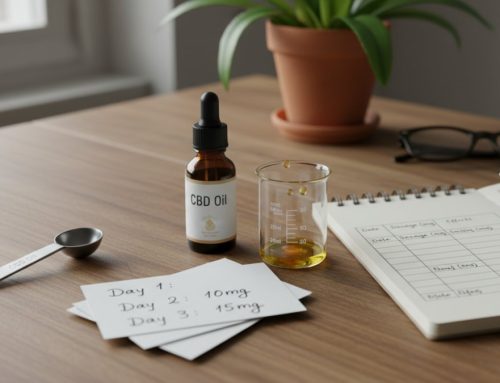
- Week 1-2: Start with 10-15mg per day, taken at the same time each day
- Week 3-4: If results are minimal, increase to 20-25mg per day
- Month 2: Evaluate your response and adjust in 5-10mg increments
- Maintenance: Most daily wellness users settle between 15-50mg per day
The thing nobody tells you about CBD dosing is that more is not always better. Many users find a "sweet spot" where increasing the dose produces diminishing returns. Tracking your sleep quality, stress levels, and physical recovery in a simple journal makes this calibration far easier.
Cost-Per-Milligram Calculator: Getting the Best Value
Price per bottle is a misleading metric. The number that actually matters is cost per milligram of CBD.
Formula: Bottle Price / Total Milligrams = Cost Per mg
Example:
- Bottle A: $60 / 750mg = $0.08 per mg
- Bottle B: $45 / 300mg = $0.15 per mg
- Bottle B looks cheaper but costs nearly twice as much per dose
A fair benchmark for quality, third-party tested CBD softgels in 2026 is roughly $0.07-$0.12 per milligram. Anything significantly below that range warrants scrutiny about sourcing and testing standards. Anything significantly above it should come with a clear explanation of what premium feature justifies the price, such as water-soluble technology or certified organic carrier oils.
Do not compare CBD products by bottle price alone. A $30 bottle with 150mg of CBD is dramatically more expensive per dose than a $60 bottle with 1,000mg. Always calculate cost per milligram before purchasing.
Bioavailability and Digestibility: What Actually Reaches Your System
Here is the number most CBD softgel brands would rather you not think about: oral bioavailability for a standard oil-based CBD capsule is widely cited in pharmacological literature as falling in a low single-digit to low double-digit percentage range, meaning a meaningful portion of the milligrams on the label never reach systemic circulation. That is not a reason to avoid softgels, it is a reason to understand what you are buying and why formulation differences matter more than label milligrams alone.
Why First-Pass Metabolism Reduces What You Actually Absorb
When you swallow a softgel, the capsule dissolves in the stomach, the carrier oil and CBD move into the small intestine, and cannabidiol is absorbed through the intestinal wall into the portal vein. Before it ever reaches general circulation, it passes through the liver, the first-pass metabolism stage, where CYP450 enzymes begin breaking it down. The result is that only a fraction of the original dose enters the bloodstream as active CBD.
This is fundamentally different from sublingual tinctures, where CBD absorbs through the mucous membranes under the tongue directly into capillaries, bypassing the liver on the first pass. It is also different from inhaled CBD, which crosses the lung’s alveolar membrane directly into the bloodstream. Neither of those routes is practical for a daily wellness routine, tinctures require precise technique and a 60-to-90-second hold time, and inhalation carries its own respiratory considerations, but understanding the trade-off helps you set realistic expectations and choose the right softgel formulation.
Format-by-Format Bioavailability Comparison
The table below reflects ranges commonly cited in pharmacological and clinical literature. Because individual metabolism varies significantly, these are ranges rather than fixed values. Use them to understand relative differences, not as guaranteed personal outcomes.
| Delivery Format | Estimated Bioavailability Range | Onset Time | Duration | Practical Trade-Off |
|---|---|---|---|---|
| Standard oil softgel | Low single digits to ~15% | 45-90 min | 6-8 hours | Convenient, consistent dose, slower onset |
| Water-soluble / nano-emulsified softgel | Potentially 2-4× higher than standard oil | 20-45 min | 4-6 hours | Higher cost, faster onset, shorter window |
| Sublingual tincture | Estimated 20-35% | 15-45 min | 4-6 hours | Requires technique; taste is a barrier |
| Inhaled (vaporized) CBD | Estimated 30-56% | 2-10 min | 2-3 hours | Fastest onset; not suited for daily wellness routine |
| Standard gummy / edible | Similar to standard softgel | 60-120 min | 6-8 hours | Dose consistency varies by manufacturing |
Ranges are drawn from pharmacokinetic research on cannabidiol and lipophilic oral drug delivery. Individual results vary based on body composition, fed vs. fasted state, gut microbiome, and liver enzyme activity.
The Nano-Emulsification Difference, and Whether It Justifies the Price
Water-soluble or nano-emulsified CBD uses a process called emulsification to break CBD oil into microscopic droplets, typically in the range of 10 to 100 nanometers, that are coated with a water-compatible surfactant. The result is a particle small enough to pass through the aqueous environment of the gut lining far more readily than a standard oil droplet, which the body must first emulsify with bile before absorption can begin.
The practical implication: nano-emulsified softgels can deliver a meaningfully higher proportion of their labeled dose into circulation, and they tend to do so faster. For someone using CBD for acute stress relief or pre-sleep support where timing matters, that faster onset is a genuine functional benefit. For someone using CBD primarily for baseline inflammation support or general wellness maintenance, the slower, steadier absorption curve of a standard oil softgel may be entirely adequate.
The cost-per-milligram calculator in the dosage section of this guide becomes especially important here. A nano-emulsified softgel priced at $0.15 per milligram may deliver effective value comparable to a standard softgel at $0.08 per milligram, or it may not, depending on the quality of the emulsification process. Ask the brand for third-party data on particle size and absorption enhancement before paying a premium.
Four Formulation Factors That Move the Needle on Absorption
1. Carrier oil selection
MCT oil (medium-chain triglycerides derived from coconut oil) is the most studied carrier for fat-soluble cannabinoids. Its shorter fatty acid chains are absorbed more rapidly than long-chain triglycerides, which means CBD suspended in MCT oil enters the lymphatic system faster than CBD in, say, hempseed oil alone. Olive oil is a reasonable secondary carrier but absorbs more slowly. Avoid products that do not disclose their carrier oil.
2. Fed vs. fasted state
Taking a softgel with a fat-containing meal stimulates bile acid secretion, which is the body’s natural emulsification mechanism for dietary fats. Studies on lipophilic drugs (drugs that dissolve in fat, as CBD does) consistently show higher absorption when taken with food versus on an empty stomach. A meal containing avocado, eggs, nuts, or olive oil is sufficient, you do not need a high-fat clinical meal.
3. Extraction method and cannabinoid profile
CO2 extraction preserves a broader terpene profile than ethanol or hydrocarbon extraction. Certain terpenes, particularly those found in full-spectrum and broad-spectrum extracts, may support absorption by interacting with intestinal permeability pathways. This is one of the proposed mechanisms behind the entourage effect’s practical advantage over isolate formulations.
4. Capsule shell material
Gelatin shells dissolve faster in stomach acid than some plant-based alternatives. If you use a vegan softgel, check whether the manufacturer has tested dissolution time. A capsule that dissolves slowly in the gut reduces the effective absorption window, particularly if you are taking CBD on a schedule.
To consistently maximize absorption from any softgel format: take it with a meal containing at least one source of healthy fat, take it at the same time each day to align with your digestive rhythm, and give the product at least 30 days before evaluating results, the first-pass metabolism curve is real, and your body’s response to consistent cannabinoid exposure builds over time.
The bioavailability gap between softgels and tinctures is real but manageable. A quality nano-emulsified or MCT-oil-based softgel taken with food closes much of that gap while preserving the dosage consistency and convenience that make softgels the most practical daily wellness format for most people. The question is not whether softgels absorb well enough, it is whether the specific formulation you are buying has been designed to absorb well.
As Harvard Health Publishing’s overview of CBD research notes, the method of consumption significantly affects how much CBD the body actually uses, which is why formulation quality is as important as milligram count when evaluating any CBD product.
Third-Party Lab Testing, COAs, and Purity Standards to Look For
Third-party lab testing is non-negotiable. Full stop.
A certificate of analysis (COA) is a document from an independent, accredited laboratory that verifies what is actually in a CBD product: cannabinoid potency, THC levels, and the absence of contaminants including heavy metals, pesticides, residual solvents, and microbial contamination.
What a legitimate COA must include:
- Cannabinoid potency panel (CBD, CBG, CBN, THC levels)
- Pesticide screening results
- Heavy metals panel (lead, mercury, arsenic, cadmium)
- Residual solvent testing
- Microbial contamination results
- QR code or batch number linking the test to the specific product lot
- Testing laboratory name and accreditation number
A COA that only shows cannabinoid content is incomplete. Reputable brands test for the full panel and make results publicly accessible, either via a QR code on the label or a searchable database on their website.
cGMP certified manufacturing is the other standard worth verifying. cGMP (Current Good Manufacturing Practices) certification means the facility follows FDA-regulated production standards for cleanliness, equipment calibration, ingredient sourcing, and quality control. CBD Health Collection produces all products in a GMP- and FDA-registered facility, which is a meaningful distinction from brands manufacturing in unregulated environments.
According to FDA’s guidance on cannabis-derived products, consumers should look for products that provide transparent testing documentation and are manufactured under verifiable quality standards.
Is CBD Safe for Daily Use? Drug Interactions and Side Effects
Disclaimer: The information in this section is educational and does not constitute medical advice. Always consult your prescribing physician or a licensed pharmacist before combining CBD with any prescription or over-the-counter medication.
CBD is generally well-tolerated for daily use in healthy adults. That baseline safety profile is supported by a meaningful body of research and by the WHO’s 2018 critical review, which found that CBD exhibits no potential for abuse or dependence and has a favorable safety profile in most populations. However, the safety picture changes when CBD is layered on top of prescription medications, and this is the part of the conversation that most CBD guides skip entirely, usually citing liability concerns.
This section provides the most complete, plain-language drug interaction guide available for CBD softgel users. It is not a substitute for a conversation with your doctor. It is the preparation for that conversation.
The CYP450 System: Why CBD Affects How Your Body Processes Other Drugs
The cytochrome P450 (CYP450) enzyme family is the liver’s primary drug-processing machinery. Roughly 60% of all clinically used medications are metabolized by one or more CYP450 enzymes, most notably CYP3A4, CYP2C9, and CYP2C19. When you take CBD daily, it competes with these enzymes, and depending on the dose and the specific enzyme involved, CBD can either slow down or speed up how your body processes other drugs.
Inhibition means CBD slows the enzyme, causing the co-administered drug to accumulate to higher-than-intended blood concentrations. This can amplify both the therapeutic effects and the side effects of that medication.
Induction means CBD accelerates the enzyme, causing the co-administered drug to be cleared faster, potentially reducing its effectiveness below the therapeutic threshold.
Neither outcome is inherently dangerous in every case, but both outcomes are unpredictable without monitoring, and both can become clinically significant at the CBD doses used in daily wellness routines (typically 15-75mg per day).
The grapefruit analogy: If your medication comes with a warning to avoid grapefruit, that warning exists because grapefruit contains furanocoumarins that inhibit CYP3A4, the same enzyme CBD inhibits. If your doctor has told you to avoid grapefruit with a medication, treat that as a strong signal to discuss CBD use with them before starting.
Medication Categories That Warrant Physician Consultation
The following categories represent the highest-priority interactions based on the mechanisms above. This is not an exhaustive list of every possible interaction, it is a practical guide to the most clinically relevant ones for a daily wellness user.
Blood Thinners (Warfarin / Coumadin)
Warfarin is metabolized primarily by CYP2C9. CBD inhibits CYP2C9, which can cause warfarin to accumulate in the bloodstream, increasing its anticoagulant effect and raising the risk of bleeding. This is one of the best-documented CBD drug interactions in clinical literature. If you take warfarin, CBD use requires physician oversight and likely more frequent INR monitoring. Do not self-manage this combination.
Anti-Epileptic Drugs (AEDs)
This interaction is particularly well-studied because pharmaceutical-grade CBD (Epidiolex) is itself an approved treatment for certain seizure disorders and is prescribed alongside AEDs. Research on Epidiolex has documented interactions with clobazam, valproate, and several other AEDs, in some cases requiring dose adjustments. If you take any seizure medication, the interaction risk is real and requires neurologist involvement.
Antidepressants, SSRIs, and SNRIs
Many antidepressants are metabolized by CYP2D6 and CYP3A4. CBD’s inhibitory effect on these enzymes can raise blood levels of medications like fluoxetine, sertraline, and duloxetine. In practice, many people use CBD alongside antidepressants without reported problems, but the pharmacokinetic interaction is real, and any change in medication effectiveness or side effect profile after starting CBD should be reported to the prescribing physician promptly.
Immunosuppressants (Tacrolimus, Cyclosporine)
Organ transplant recipients take immunosuppressants with narrow therapeutic windows, meaning the difference between an effective dose and a toxic dose is small. Both tacrolimus and cyclosporine are CYP3A4 substrates. CBD’s inhibitory effect could push blood concentrations into a range that causes organ toxicity. This is a category where the risk-benefit calculation requires specialist input, not self-assessment.
Benzodiazepines (Xanax, Valium, Klonopin)
Benzodiazepines are CYP3A4 substrates. CBD inhibition of CYP3A4 can increase benzodiazepine blood levels, potentially amplifying sedation and respiratory depression. People who use benzodiazepines for anxiety or sleep and are considering CBD for the same purposes should discuss the overlap with their prescriber before combining them.
Statins (Atorvastatin, Simvastatin)
Several commonly prescribed statins are CYP3A4-dependent. Elevated statin blood levels due to CBD-mediated enzyme inhibition can increase the risk of myopathy (muscle breakdown), a known statin side effect. Pravastatin and rosuvastatin are less CYP3A4-dependent and may carry lower interaction risk, but this is a conversation for your prescribing physician.
Thyroid Medications
Levothyroxine is not primarily CYP450-metabolized, so the direct enzyme interaction is lower than with the categories above. However, CBD’s potential effects on gut motility and absorption timing can theoretically affect how consistently levothyroxine is absorbed. People on thyroid replacement therapy should take levothyroxine at a consistent time separate from CBD and other supplements, as is already standard practice.
Practical Decision Framework: Before You Start CBD with Medications
Use this three-step framework before adding CBD softgels to a regimen that includes prescription medications:
-
Check the grapefruit warning first. Look at the patient information leaflet for every medication you take. If any of them carry a grapefruit interaction warning, flag that medication for your physician conversation.
-
Ask your pharmacist for a CYP450 interaction screen. Pharmacists have access to clinical drug interaction databases and can run a check on your current medication list against CBD’s known enzyme interactions in minutes. This is free, requires no appointment, and is often more accessible than a physician visit for a preliminary check.
-
Start low and monitor. If your physician approves CBD use alongside your medications, start at the lowest effective dose (10-15mg daily) and schedule a follow-up to review any changes in medication effectiveness or side effect profile after 4-6 weeks. Do not increase your CBD dose rapidly while also taking medications with narrow therapeutic windows.
Side Effects of Daily CBD Use
For people not taking interacting medications, the side effect profile of daily CBD softgels is mild. The most commonly reported effects in clinical and observational research include:
- Fatigue or drowsiness: Most common at higher doses; often resolves as the body adjusts. If it persists, try shifting your dose to the evening.
- Dry mouth: CBD reduces saliva production via CB1 receptor activity in salivary glands. Staying well-hydrated mitigates this.
- Transient changes in appetite: Some users report increased appetite; others report mild appetite suppression. Both effects tend to normalize over time.
- Mild gastrointestinal discomfort: Occasionally reported with high-dose use, particularly on an empty stomach. Taking softgels with food resolves this in most cases.
- Elevated liver enzymes: Documented in clinical trials at high pharmaceutical doses (above 20mg/kg/day in Epidiolex studies). At typical wellness doses of 15-75mg daily, this has not been a consistent finding, but people with pre-existing liver conditions should discuss monitoring with their physician.
If you take any prescription medication, particularly blood thinners, seizure medications, immunosuppressants, or benzodiazepines, do not begin daily CBD use without first consulting your prescribing physician or pharmacist. This is not a legal disclaimer. It is the single most important safety step in this guide.
The CYP450 interaction mechanism is the same reason your doctor warns you about grapefruit with certain medications. CBD is not uniquely dangerous, but it is pharmacologically active in ways that matter when combined with drugs that have narrow therapeutic windows. A five-minute conversation with your pharmacist before starting is the most practical safety step most people skip.
As the FDA’s guidance on cannabis-derived products notes, consumers should be aware that CBD can interact with other medications and that discussing use with a healthcare provider is an important safety step before beginning any CBD regimen.
How to Build CBD Softgels Into Your Daily Wellness Routine
Consistency beats intensity every time with CBD. A daily 25mg softgel taken reliably for 60 days will almost always outperform a 75mg softgel taken sporadically.
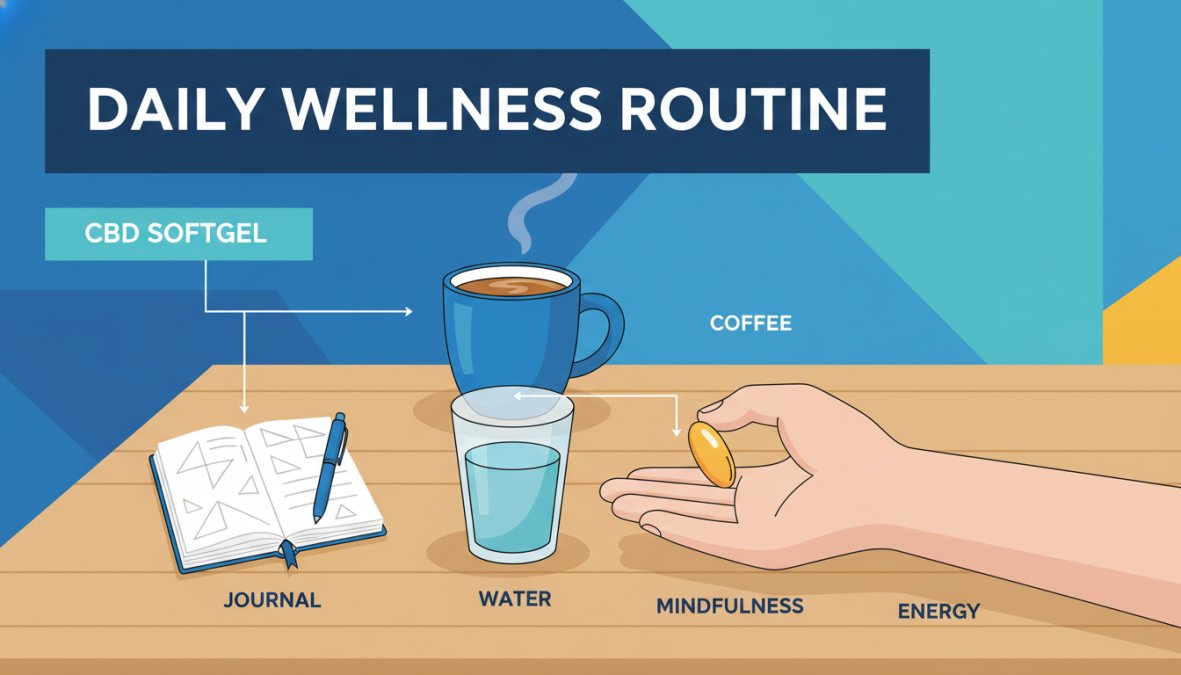
The most effective daily wellness routines pair CBD softgels with specific timing anchors: breakfast, an evening meal, or a pre-sleep ritual. Anchoring the dose to an existing habit dramatically improves adherence. Most people who "tried CBD and it didn’t work" took it inconsistently for two weeks and drew conclusions too early.
A practical 30-day starter routine:
- Days 1-7: Take one 15-25mg softgel with breakfast. Note energy levels and sleep quality each evening.
- Days 8-14: Assess baseline. If no change, add a second softgel with dinner for a split-dose approach.
- Days 15-30: Maintain your dose, track inflammation support, stress relief, and recovery support markers.
- Day 30 review: Decide whether to maintain, increase by 10mg, or adjust timing based on your journal data.
Sustainability and Sourcing Transparency: What to Ask Before You Buy
The CBD industry has a sourcing transparency problem. Many brands list "hemp-derived CBD" without specifying where the hemp was grown, how it was farmed, or what extraction method was used. These are not trivial details.
USA grown hemp is subject to USDA oversight and state agricultural department regulations, which means farmers must comply with testing requirements and farming standards that do not apply to imported hemp. Non-GMO and organically grown designations further indicate that the plant material itself was not treated with synthetic pesticides or herbicides that could end up in the final product.
CO2 extraction is the gold standard for producing clean, full-spectrum or broad-spectrum hemp extract. Unlike solvent-based extraction methods (ethanol, butane), CO2 leaves no chemical residue and preserves a more complete cannabinoid and terpene profile.
Questions to ask any CBD brand before purchasing:
- Where is your hemp grown, and can you provide a farm source?
- What extraction method do you use?
- Are your products manufactured in a GMP-certified, FDA-registered facility?
- Are COAs available by batch number, not just by product?
- What is your return or satisfaction policy?
CBD Health Collection sources all hemp from organically grown, USA-sourced farms and uses clean CO2 extraction throughout its production process. Every product comes with a 30-day satisfaction guarantee and free shipping, which reflects confidence in the product rather than just a marketing incentive.
As the USDA’s hemp production program guidelines outline, domestically grown hemp operates under a regulatory framework that provides meaningful consumer protections that imported raw material does not.
Finding a CBD softgel product you can trust requires cutting through a market full of vague labels and incomplete testing documentation. CBD Health Collection was built specifically to address that problem: organically grown USA hemp, CO2 extraction, GMP- and FDA-registered manufacturing, and independently verified COAs available for every batch. Whether your goal is inflammation support, better sleep cycles, or daily stress relief, the foundation is a product you can verify and a dose you can stick to. Get started with CBD Health Collection and experience the difference that sourcing transparency and pharmaceutical-grade standards make in your daily wellness routine.
Frequently Asked Questions
Are CBD softgels effective for daily wellness?
CBD softgels can support daily wellness by interacting with the endocannabinoid system, which helps regulate homeostasis, including stress response, sleep cycles, and inflammation. Their pre-measured doses make consistent daily use straightforward. Effectiveness varies by individual body chemistry, the type of CBD (full-spectrum, broad-spectrum, or isolate), and product quality. Choosing softgels from a cGMP-certified facility with verified third-party lab testing gives you the best chance of reliable, repeatable results from your CBD softgels for daily wellness.
How many CBD softgels should I take daily?
There is no universal dose, the right amount depends on your body weight, metabolism, and wellness goals. A common starting point is 15-25mg per day, taken once or split into two doses. Following a CBD softgels dosage guide, the general advice is to start low, observe your response for one to two weeks, then adjust upward gradually. Always check the product's certificate of analysis for actual potency, and consult a healthcare provider if you take prescription medications.
What is the difference between full-spectrum and isolate CBD softgels?
Full-spectrum CBD softgels contain the complete range of cannabinoids, terpenes, and trace hemp compounds, including up to 0.3% THC, which may produce an 'entourage effect' for enhanced benefit. Isolate softgels contain only pure cannabidiol with zero THC, making them ideal for those subject to drug testing or sensitive to other cannabinoids. Broad-spectrum sits in between: multiple cannabinoids and terpenes are present, but THC is removed. Your choice should be guided by your wellness goals and any THC sensitivity.
How long does it take for CBD softgels to work?
Because softgels must be digested before CBD enters the bloodstream, onset is typically slower than sublingual oils, expect 45 minutes to 2 hours. However, the effects tend to last longer, often 6-8 hours, making softgels a practical choice for sustained daily wellness support. Taking your softgel with a meal containing healthy fats (such as MCT oil or olive oil in the formula itself) can improve bioavailability and shorten onset time.
Do CBD softgels have any side effects or drug interactions?
CBD is generally well-tolerated, but some people experience mild effects such as drowsiness, dry mouth, or digestive changes, particularly at higher doses. More importantly, CBD can interact with medications metabolized by the liver's CYP450 enzyme system, including blood thinners, certain antidepressants, and anticonvulsants. If you take any prescription medication, consult your doctor before starting CBD softgels for daily wellness. Always choose products with a current certificate of analysis to confirm purity and accurate potency.
Are CBD softgels legal and safe to use in the United States?
Hemp-derived CBD softgels containing less than 0.3% THC are federally legal in the United States under the 2018 Farm Bill, and legal in most states. Safety is closely tied to product quality, look for USA-grown hemp, CO2 extraction, non-GMO certification, and independent third-party lab testing. Products manufactured in cGMP- and FDA-registered facilities carry an additional layer of quality assurance. Broad-spectrum and isolate options are THC-free, which further reduces legal and workplace-testing concerns.
This article was written using GrandRanker