A CBD label can say THC-free and still leave a first-time buyer with real questions. Does it mean there is truly no detectable THC? Can it affect a drug test? Is it safe alongside prescription medication? This THC-free CBD safety guide explains what to look for before CBD becomes part of your daily routine.
For many people, the appeal is straightforward: practical support for discomfort, sleep, stress, or everyday balance without the intoxicating effects associated with THC. Getting that benefit with confidence starts with product quality, clear labeling, and a thoughtful approach to use.
What THC-Free CBD Means
THC is the cannabinoid in cannabis that can produce a high. A THC-free CBD product is formulated to contain no detectable THC, typically using CBD isolate or a broad-spectrum hemp extract that has had THC removed. That distinction matters for adults who want to avoid intoxication, those with workplace drug-testing concerns, and caregivers who prefer a more controlled cannabinoid profile.
Still, THC-free is not a substitute for verification. Hemp extracts can vary from batch to batch, and labels alone do not show whether a product has been checked for cannabinoids or contaminants. The most trustworthy products make current, independent laboratory results available for the exact product batch.
A useful detail to understand is the phrase no detectable THC. It means the lab did not detect THC above its testing threshold. It does not mean every hemp product on the market has been tested to the same standard, or that every individual will have the same experience. Clear testing is what turns a marketing claim into information you can evaluate.
Start With Independent Batch Testing
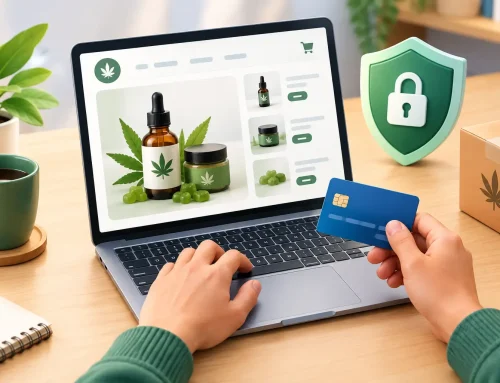
A certificate of analysis, often called a COA, is one of the clearest signs of a carefully made CBD product. It should come from an independent laboratory rather than only the manufacturer, and it should match the batch number on the package whenever possible.
Review the cannabinoid panel first. It should identify the amount of CBD in the product and show non-detectable THC if that is the claim. Then look beyond cannabinoids. A thorough report can also screen for contaminants that do not belong in a wellness product, including pesticides, heavy metals, residual solvents, microbes, and mycotoxins.
Not every product format carries the same risk profile. An oil, gummy, topical salve, and pet formula may use different ingredients and require different testing considerations. For example, an edible should have a clearly listed ingredient panel, while a topical should identify ingredients that may irritate sensitive skin. The standard remains the same: you should be able to see what is in the product and how it was evaluated.
Choose a Formula That Fits Your Need
Safety is also about choosing less, not simply choosing stronger. A high-potency product is not automatically the better choice if you are new to CBD or only need occasional support. Start with the purpose you have in mind and select a format that makes sense for it.
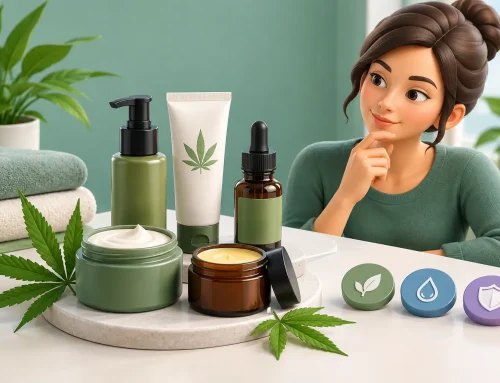
Topicals are applied to a specific area and can be a practical option for localized discomfort after activity or as part of a recovery routine. Gummies offer measured servings and can be convenient for daily use. CBD oils allow more flexibility when adjusting your serving size. Pet CBD products should be formulated specifically for animals, with ingredients and serving guidance suited to their needs.
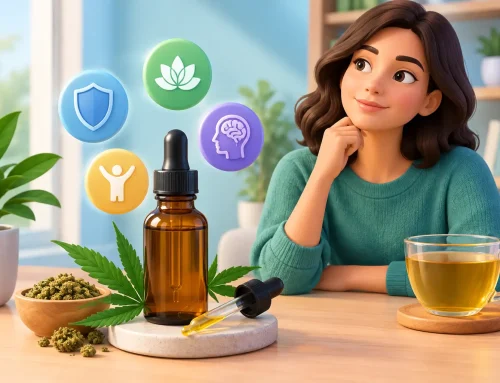
Broad-spectrum CBD and CBD isolate both appeal to people avoiding THC, but they are not interchangeable. Isolate contains CBD without other hemp compounds. Broad-spectrum formulas may contain additional non-THC cannabinoids and plant compounds. Some people prefer the simplicity of isolate, while others prefer a broader hemp profile. In either case, confirm the THC result through batch-specific testing.
Read the Label Before You Use It
A straightforward label helps you use CBD responsibly. It should show the total CBD amount in the container, the CBD amount per serving, suggested use, a full ingredient list, and the manufacturer or distributor information. Avoid products that only list a vague hemp blend without stating how much CBD you receive per serving.
Pay attention to serving size rather than focusing only on the largest number on the front of the package. A bottle containing 1,500 mg of CBD may sound strong, but the practical question is how much CBD is in each dropperful or gummy. This makes it easier to begin with a modest amount and adjust gradually if needed.
For topicals, do a small patch test before wider use, especially if you have sensitive skin or known fragrance sensitivities. Stop using the product if you experience redness, itching, or discomfort. Natural ingredients can still cause reactions in some people.
Use CBD Carefully With Medications
CBD can interact with certain medications because it may affect how the body processes them. This is especially relevant for people taking blood thinners, seizure medications, sedatives, some antidepressants, or medications with grapefruit warnings. The concern is not limited to high-dose CBD, and it should not be guessed at from a product label.
Speak with a physician, pharmacist, or qualified healthcare professional before using CBD if you take prescription or over-the-counter medications regularly. This is also a sensible step for adults who have liver disease, are managing a serious medical condition, or are preparing for surgery.
CBD is not intended to diagnose, treat, cure, or prevent disease. It can be part of a personal wellness routine, but it should not replace prescribed care or cause you to delay attention to new or worsening symptoms.
Begin Low and Pay Attention
Your ideal serving is personal. Factors such as body size, product format, the reason for use, medications, and individual sensitivity can all affect your experience. Begin with the lowest suggested serving and give your body time to respond before increasing.
Keep a simple note for the first week or two. Record the product, serving size, time of day, and how you feel. This can help you notice patterns without making rapid changes based on one night of sleep or one stressful afternoon. Consistency is often more useful than chasing a larger serving.
Possible side effects can include drowsiness, dry mouth, digestive discomfort, or changes in appetite. Avoid driving, operating equipment, or combining CBD with alcohol or other substances that cause drowsiness until you understand how it affects you. If you experience concerning symptoms, stop use and contact a healthcare professional.
Drug Testing Requires Extra Caution
No detectable THC is a meaningful feature for people seeking to avoid THC exposure, but no CBD company can promise a negative drug-test result for every person in every setting. Test methods vary, product quality varies across the market, and individual metabolism differs. Contamination, inaccurate labels, or trace cannabinoid exposure can create avoidable uncertainty.
If your employment, military status, athletic participation, legal situation, or professional license depends on drug testing, speak with your employer, legal adviser, or healthcare professional before using any hemp-derived product. Keep product packaging and batch test results for your records, but understand that these documents do not override an employer’s testing policy.
Keep THC-Free CBD Out of the Wrong Hands
Store CBD in a cool, dry place away from direct sunlight. Keep gummies, oils, and topicals out of reach of children and pets, especially products that look or taste like familiar treats. Child-resistant packaging is helpful, but it is not a replacement for secure storage.
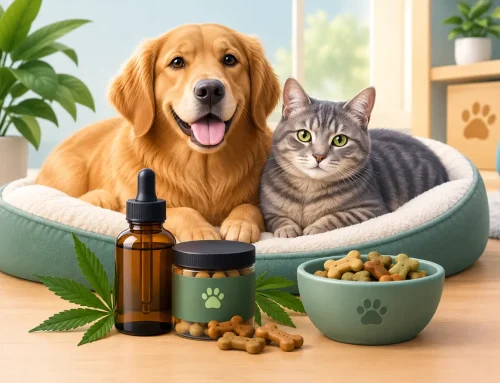
Pregnant or breastfeeding individuals should avoid CBD unless a qualified healthcare professional specifically advises otherwise. CBD should also be kept away from children unless a pediatric clinician has provided guidance. For pets, use only a pet-specific formula and consult a veterinarian before starting, particularly if your animal takes medication, has a chronic condition, or is elderly.
A Safer Standard for Everyday CBD
The best THC-free CBD choice is not the one with the boldest promise. It is the one that clearly states what it contains, shows independent testing, uses thoughtfully selected ingredients, and gives you enough information to use it responsibly. CBD Health Collection focuses on non-intoxicating, independently tested CBD so customers can make choices based on clarity rather than guesswork.
Start with a verified product, a modest serving, and an honest conversation with your healthcare professional when medications or health conditions are involved. That careful approach leaves room for CBD to support your routine without adding unnecessary uncertainty.