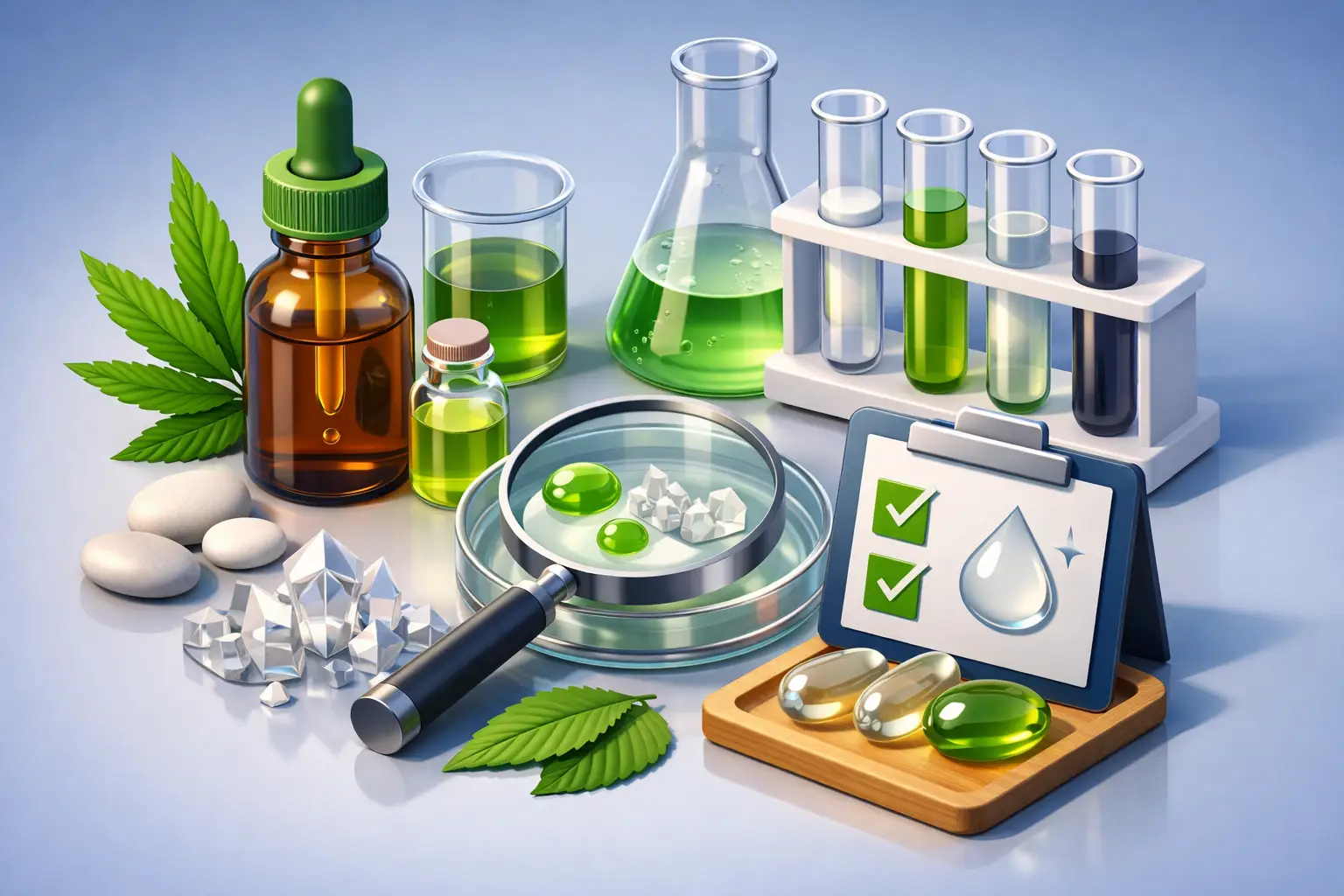
A CBD label can make broad promises with a few familiar words: pure, natural, premium, clean. But CBD purity is not something you should have to take on faith. It should be visible in how hemp is grown, how CBD is extracted, what else is in the formula, and what an independent laboratory finds in the finished product.
For people seeking non-intoxicating support for discomfort, stress, sleep, or everyday balance, those details matter. They matter even more for caregivers, active-duty families, and pet owners who need to know exactly what they are bringing into the home. A clean CBD product should offer clear answers, not add another layer of uncertainty.
What Does CBD Purity Actually Mean?
CBD purity has two related meanings. First, it refers to whether a product contains the cannabinoid content stated on its label, without unwanted contaminants. Second, it refers to the quality of the entire product experience: responsible cultivation, careful processing, transparent ingredients, and testing that verifies the final batch.
A product can contain CBD and still fall short of that standard. Hemp is a plant that can absorb compounds from the soil where it grows. Poor farming practices, contaminated land, or careless manufacturing can introduce pesticides, heavy metals, residual solvents, or microbes into a finished oil, gummy, topical, or pet formula.
Purity also does not automatically mean the highest CBD concentration. A stronger product may be appropriate for some adults, while a lower-strength option may better suit a first-time user or someone building a consistent routine. The better question is whether the product delivers the amount of CBD it states, in a formula that fits your needs and is free from avoidable concerns.
The Proof Behind CBD Purity
A trustworthy brand should be able to explain its quality standards plainly. Look beyond front-label language and consider the evidence supporting the product.
Start with hemp cultivation
Clean CBD begins before extraction. Organically cultivated hemp is grown without many of the synthetic agricultural chemicals consumers may wish to avoid. While organic practices alone cannot guarantee a finished product is contaminant-free, they are an important part of a quality-focused approach.
It also helps when a company is specific about where and how its hemp is sourced. Vague statements about “premium hemp” do not tell you much. Clear cultivation standards give customers a more useful basis for evaluating quality.
Consider the extraction method
Extraction separates useful hemp compounds from the plant material. CO2 extraction is widely valued because it uses pressurized carbon dioxide rather than harsh chemical solvents to draw out cannabinoids. When performed carefully, it supports a clean, controlled process and helps preserve the consistency customers expect.
This does not mean every other extraction method is automatically unsafe. The key issue is whether the manufacturer controls the process and tests the result for residual solvents. Still, CO2 extraction is a practical signal that a brand has chosen a method aligned with clean-label expectations.
Read the full ingredient panel
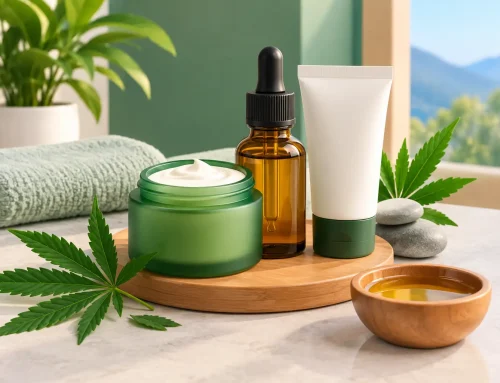
CBD is only one part of most products. Oils use a carrier oil. Gummies contain flavoring, sweeteners, and texture agents. Topicals may include botanicals, moisturizers, or other skin-supporting ingredients. The complete ingredient list tells you whether the product matches your preferences and sensitivities.
A short, understandable ingredient panel is often easier to evaluate, but simplicity is not the only measure of quality. A topical designed for targeted use may include several functional ingredients. What matters is that each ingredient is clearly identified and has a purpose, rather than being hidden behind a vague proprietary blend.
Verify independent lab testing
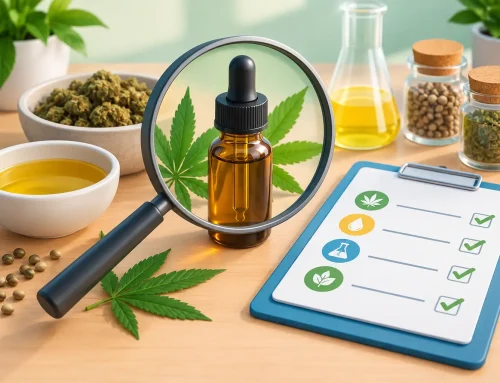
Third-party laboratory testing is the clearest way to move from marketing language to evidence. An independent lab report, often called a certificate of analysis or COA, should confirm the cannabinoid profile and check for common contaminants.
For a THC-free product, pay close attention to the THC result. “THC-free” should mean no detectable THC according to the test method used, not simply a low amount that is easy to overlook. This distinction can be especially meaningful for people subject to workplace testing, service members, caregivers, and anyone who wants to avoid THC exposure.
A useful report should also show testing for concerns such as heavy metals, pesticides, microbial contamination, and residual solvents when applicable. The report should correspond to the finished product or batch, not a generic sample from years ago. If a brand makes testing difficult to find or will not answer direct questions, that is a reason to pause.
Why THC-Free CBD Requires Extra Clarity
Hemp-derived CBD products do not all contain the same types of hemp extract. Full-spectrum products may include naturally occurring THC. Broad-spectrum products are typically processed to remove THC but can retain other hemp compounds. CBD isolate contains CBD that has been further refined from other cannabinoids.
No category label replaces testing. Processing can vary, and a product’s actual cannabinoid profile should be verified by an independent laboratory. For customers who want no detectable THC, the lab result is more informative than a front-label claim alone.
This is not about treating one extract type as universally better than another. Preferences depend on the individual and the reason for use. But if avoiding THC is a priority, choose products that state this commitment clearly and provide current test results to support it.
How to Shop for Clean CBD With Confidence
You do not need a chemistry degree to make a more informed choice. A few practical checks can separate transparent products from vague ones.
First, confirm the amount of CBD per serving and per container. A label that lists only a large total number without serving guidance can make it hard to understand how much you are actually using. Next, look for a complete ingredient list and product directions that match the format, whether you are considering an oil, gummy, topical, or pet product.
Then, check for independent testing that confirms cannabinoid content and screens for contaminants. If THC avoidance matters to you, look for a no-detectable-THC result rather than relying on broad language. Finally, consider whether the brand gives you a way to ask questions. Responsive customer care is part of transparency, especially when you are choosing a product for a family member or pet.
Be cautious with products that promise a cure, immediate results, or a solution for every condition. CBD can be part of a wellness routine, but individual responses vary. Responsible brands focus on product quality and realistic guidance rather than exaggerated medical claims.
Purity Matters Across Every Product Format
The standards for purity should apply whether CBD is taken by mouth, applied to the skin, or used for a companion animal. The details you review may differ by format.
With CBD oils, consistency and accurate serving information are central. Water-based delivery formats may appeal to people looking for a product designed for efficient absorption, but the formula should still be supported by clear ingredients and testing. With gummies, review the CBD amount per gummy along with added ingredients, particularly if you manage dietary preferences or sensitivities.
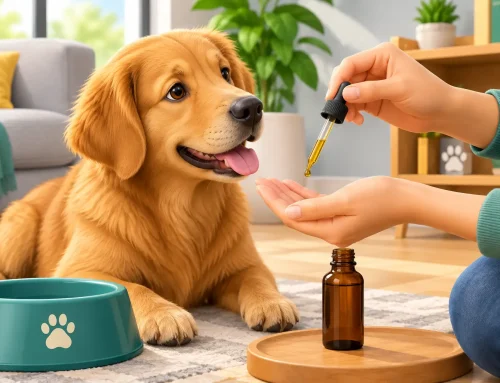
For topical products, examine the full formula, especially if you have sensitive skin. A patch test is a sensible first step with any new topical. For pet CBD, avoid assuming that a human product is automatically the right choice. Pet formulations should provide species-appropriate directions, simple ingredients, and the same commitment to THC-free testing. If your pet takes medication or has a health condition, speak with a veterinarian before introducing CBD.
Adults taking prescription medications, those who are pregnant or nursing, and people managing ongoing health conditions should also consult a qualified healthcare professional before using CBD. That conversation is not a barrier to wellness. It is one more way to make a careful, informed decision.
A Clean Standard Is a Customer Care Standard
Purity is not a decorative claim. It is a standard that should shape every stage of a CBD product, from hemp cultivation and CO2 extraction to formulation and third-party testing. At CBD Health Collection, the focus on THC-free products, chemical-free processing, and independent verification reflects what customers should reasonably expect from a wellness product they use regularly.
The right CBD routine should feel straightforward, not confusing. Choose products that make their evidence easy to understand, follow serving directions carefully, and give yourself time to notice how the product fits your daily needs. When a brand treats CBD purity as something to prove, you can spend less time questioning what is in the bottle and more time caring for your well-being.