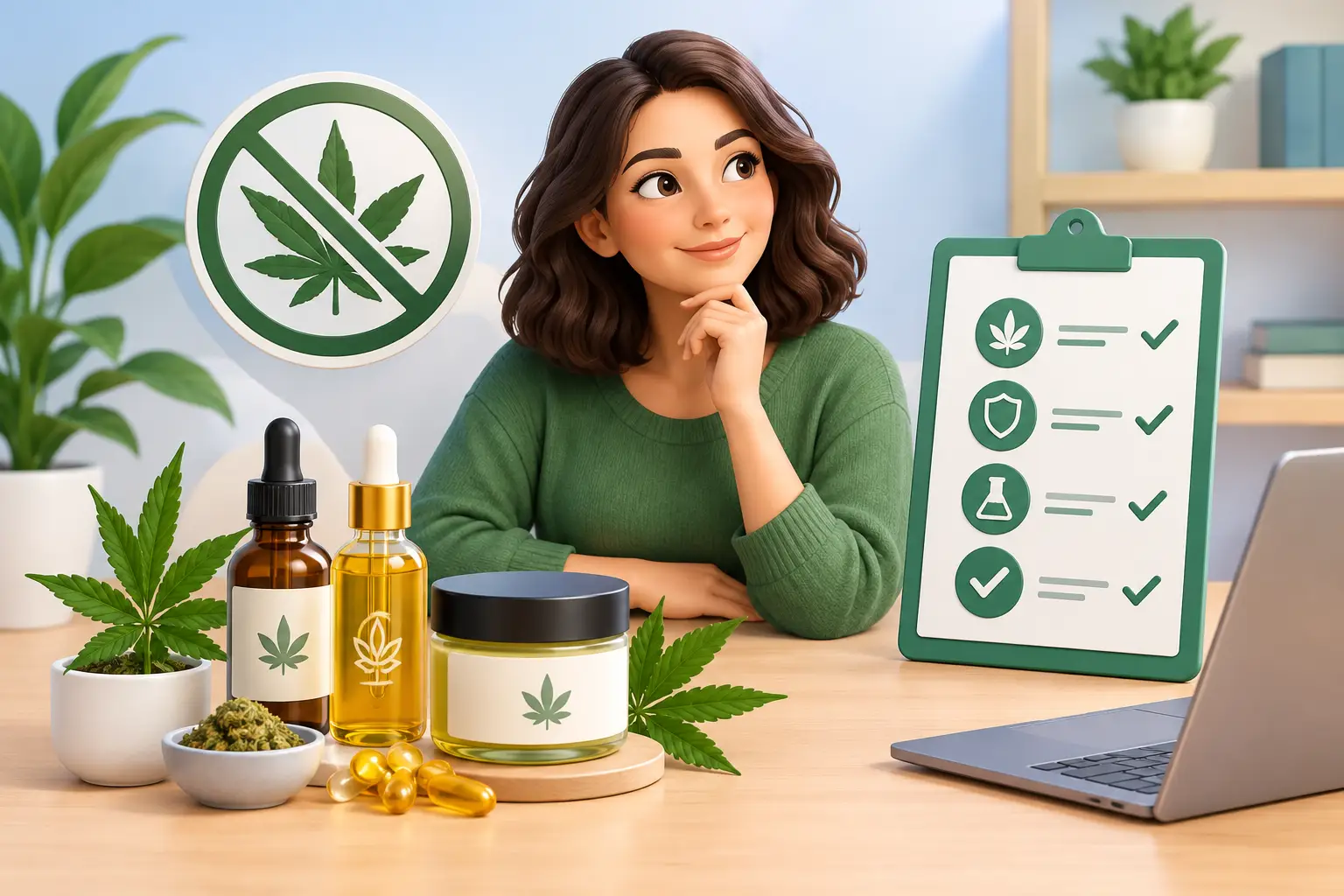
A product can say “hemp” or “CBD” on the front label and still leave the most important questions unanswered. Is there any detectable THC? Has the specific batch been tested? Does the formula fit the reason you are buying it? This THC-free CBD buying guide helps you look past attractive packaging and choose a clean, non-intoxicating product with greater confidence.
For many people, THC-free CBD is not a preference – it is a requirement. You may want support for occasional discomfort, a more restful nighttime routine, everyday stress, or your pet’s well-being without the intoxicating effects associated with THC. You may also be concerned about workplace policies, family responsibilities, travel, or simply knowing exactly what you are taking. The right product should make those decisions easier, not more confusing.
Start With What “THC-Free” Actually Means
THC is the cannabinoid most associated with marijuana’s intoxicating effects. Hemp-derived CBD products can vary significantly in their cannabinoid profiles, even when they are all marketed as CBD.
A THC-free CBD product should be supported by current, independent laboratory testing showing no detectable THC. This is stronger and more useful than relying on broad marketing language alone. Look for a Certificate of Analysis, often called a COA, that identifies the product or batch and reports cannabinoid test results.
You may see several terms while shopping. CBD isolate generally contains CBD without other hemp cannabinoids. Broad-spectrum CBD may include additional naturally occurring hemp compounds while removing detectable THC. Full-spectrum CBD typically contains a range of hemp compounds, including some level of THC within legal limits. If avoiding THC exposure is your priority, read beyond the category name and verify the lab report.
“No detectable THC” does not mean that every imaginable test will produce the same result under every circumstance. Drug testing methods, testing thresholds, product use, individual metabolism, and outside exposures can all differ. If passing a drug test is essential for your employment, military service, athletics, or another obligation, speak with your employer or testing program and consider whether CBD is appropriate for your situation.
Make Independent Lab Testing Non-Negotiable
A trustworthy CBD company does not ask you to take purity claims on faith. Third-party testing provides an outside check on what is in the bottle, jar, gummy, or pet formula.
A useful COA should confirm the amount of CBD in the product and show THC results. It should also address contaminants that matter to health-conscious shoppers, including heavy metals, pesticides, residual solvents, and microbial impurities. Testing is especially meaningful when the report is easy to access and matches the batch number on the package.
Do not assume that a generic lab report represents the product in your hand. A report from years ago, an unlabeled PDF, or a test for a different formula does not offer the same reassurance as current batch-specific results. Transparency should be straightforward. If you have to search extensively for basic quality information, that is worth considering before you buy.
Check How the Hemp Is Grown and Processed
CBD quality begins long before the finished product reaches a shelf. Hemp can absorb compounds from the soil, which makes cultivation practices relevant. Organically cultivated hemp and careful farming standards can help reduce unnecessary exposure to agricultural chemicals.
Extraction matters, too. CO2 extraction is widely valued because it can efficiently draw desired hemp compounds from the plant without relying on harsh chemical solvents. It is one part of a larger quality picture, not a guarantee by itself, but it is a meaningful signal when paired with transparent testing and clean ingredients.
Also read the full ingredient panel. A CBD product does not need to be complicated to be effective. Look for a formula that clearly states its active ingredients, carrier oils, flavorings, and supporting botanicals. Be cautious with proprietary blends that do not tell you how much of each ingredient is included.
For topical products, consider the rest of the formula as carefully as the CBD. If you are applying it to frequently used areas such as hands, knees, shoulders, or feet, you may prefer products made without unnecessary artificial colors, harsh additives, or heavily perfumed ingredients.
Match the CBD Format to Your Daily Need
The best THC-free CBD product is not always the one with the highest number on the label. It is the one that fits your intended use, lifestyle, and comfort level.
Oils and Gummies for Everyday Routines
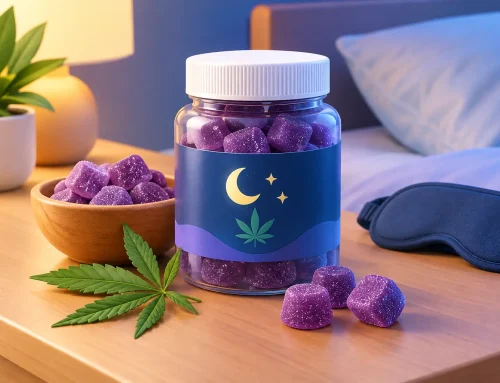
CBD oils and gummies are popular choices for people who want general wellness, stress support, or a consistent part of a morning or evening routine. Oils allow more flexibility because you can adjust the serving amount gradually. Gummies offer convenience and a familiar, pre-measured format.
Water-based CBD formulations may be a useful option for shoppers interested in improved bioavailability. Since cannabinoids are naturally oil-soluble, formulation can affect how CBD is delivered and used by the body. Results still vary from person to person, but a thoughtfully designed delivery format can be a practical consideration beyond milligrams alone.
Topicals for Targeted Areas
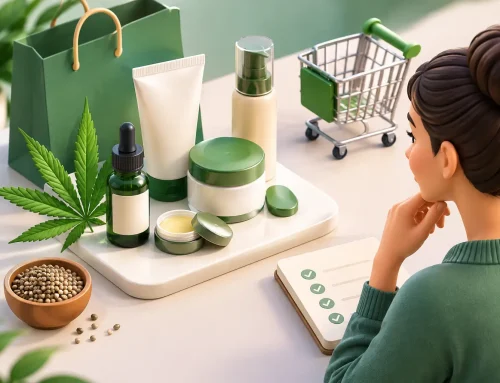
CBD creams, salves, roll-ons, and other topical products are designed for direct application to a specific area. They can be especially appealing when you want to focus your routine on muscles, joints, or areas of occasional everyday discomfort.
Topicals are also a sensible choice if you do not want to add an ingestible product to your routine. Check the directions for use, apply only to intact skin, and pay attention to ingredients such as menthol or essential oils if your skin is sensitive.
Pet CBD Requires a Pet-Specific Approach
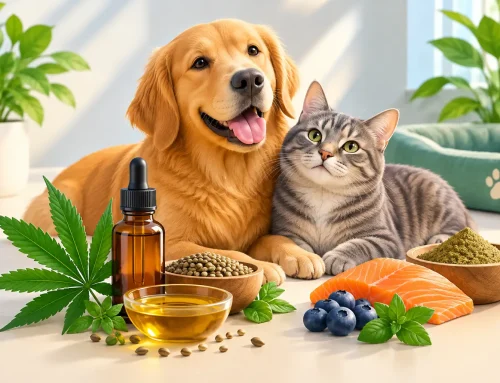
Pets are not small humans, and they should not be treated as such. Choose products formulated specifically for companion animals, with clear serving guidance based on weight and species. Avoid formulas containing ingredients that may be unsuitable for pets, and talk with a veterinarian before introducing CBD, particularly if your pet takes medications, is pregnant, or has an ongoing health condition.
Compare CBD Strength the Right Way
“High potency” can sound impressive, but it is not automatically better. CBD strength should be evaluated in the context of total CBD per container, CBD per serving, how often you plan to use it, and your personal experience with CBD.
A 1,500 mg bottle may be a good value if it contains many servings, but that number alone does not tell you how much CBD you take at one time. Look for the serving size and the CBD amount per serving. For a topical, consider how much product you are likely to apply and how long the container may last with regular use.
If you are new to CBD, starting with a lower serving and increasing slowly can help you understand how your body responds. Keep your routine consistent for several days before making major changes. More is not always the answer, especially when you are still learning which format and serving amount works best for your needs.
Consider Safety, Medications, and Realistic Expectations
CBD is a wellness product, not a replacement for medical care. It should not be used to diagnose, treat, cure, or prevent a disease. If you are managing chronic pain, anxiety, sleep challenges, inflammation, or another health concern, CBD may be one part of a broader plan developed with a qualified healthcare professional.
Talk with your physician or pharmacist before using CBD if you take prescription medications, especially medicines with grapefruit warnings, blood thinners, seizure medications, or medications processed by the liver. CBD may interact with some medications. It is also wise to seek medical guidance if you are pregnant, nursing, preparing for surgery, or managing a serious condition.
Set realistic expectations. Some people notice a benefit quickly, while others need time to determine whether a product belongs in their routine. Product quality, serving size, consistency, individual body chemistry, and the reason for use all matter. A credible company will support informed decisions rather than promise instant or guaranteed results.
Look for Service That Continues After Checkout
CBD shopping should not feel like a gamble. Clear product descriptions, accessible test results, understandable serving information, responsive customer service, and a reasonable satisfaction policy all help create a better buying experience.
It can also help to buy from a company with a focused product selection. When products are organized around real needs such as sleep, stress, targeted topical support, daily wellness, and pet care, it is easier to compare options without sorting through dozens of nearly identical formulas. At CBD Health Collection, this practical, THC-free approach is designed to help customers choose with clarity.
The best place to begin is with one clear goal: decide what support you are looking for, verify the product’s testing and ingredients, then give a quality formula time and consistency. Confidence comes from knowing what you are using and why it belongs in your routine.