A CBD product can look right on the shelf and still be the wrong fit for your routine. A topical may make more sense for one sore area, while an oil or gummy may better suit someone seeking broader daily support. The most useful CBD application starts with a simple question: what kind of support are you looking for, and when do you need it?
For adults who want non-intoxicating wellness options, choosing by purpose is more practical than choosing by trend. Product format, ingredients, concentration, and testing all matter. So does consistency. CBD is not a one-size-fits-all solution, but a clear approach can help you find a product that fits comfortably into everyday life.
CBD Application Starts With Your Wellness Goal
Before comparing strengths or flavors, identify the outcome you want to support. Localized discomfort after activity is different from winding down before bed. Occasional daily stress is different from caring for an older dog that seems less comfortable during walks.
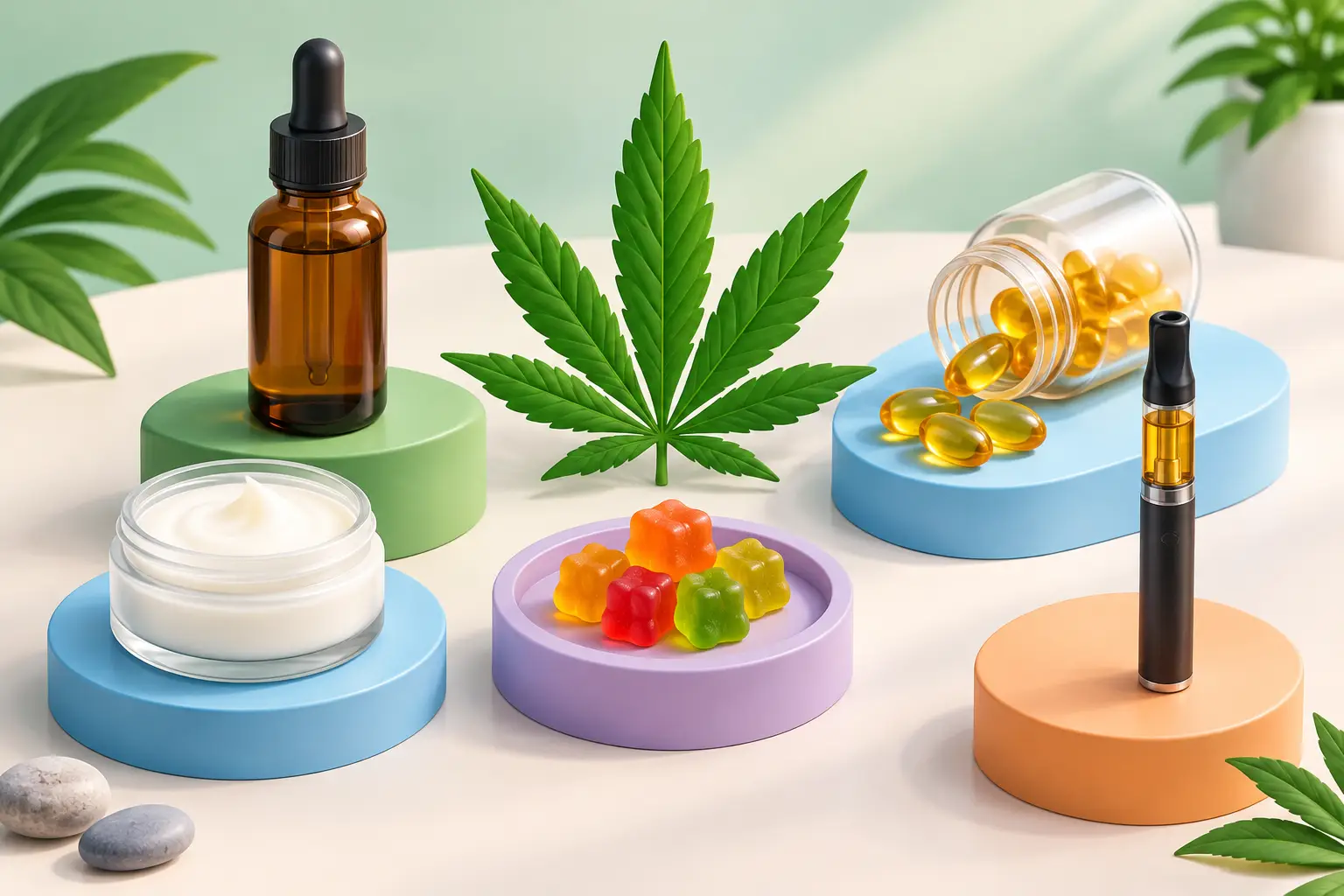
Topicals are generally chosen for a specific area of the body. Oils and gummies are often selected for whole-body routines because they are taken orally. Pet formulas are designed with animal-friendly ingredients and serving guidance rather than being an afterthought borrowed from a human product.
This distinction matters because the most convenient product is not always the most appropriate one. If your goal is to apply CBD directly to a shoulder, knee, hand, or back, a balm, cream, or salve gives you control over where it goes. If you want a measured addition to a morning or evening routine, an oil or gummy may be easier to use consistently.
Topical CBD Application for Targeted Areas
A topical CBD application is one of the most straightforward choices for localized everyday discomfort. Creams, salves, and balms are applied directly to clean, dry skin over the area you want to address. Many people use them after exercise, gardening, long workdays, or normal wear and tear that leaves certain areas feeling tense or tired.
Start with a small amount and massage it into the skin until absorbed. You can add more if needed, following the product label. The right amount varies with the size of the area, the product concentration, and personal preference. A small application to a finger joint will naturally require less than an application across the lower back.
Topicals can also differ in texture and supporting ingredients. A salve may be richer and better suited to dry skin, while a lightweight cream may feel more comfortable for daytime use. If you have sensitive skin, review the full ingredient list and perform a small patch test first. Avoid applying topical products to broken or irritated skin unless the label specifically directs otherwise.
A topical is not necessarily the best option when your goal is general stress support or an evening routine. It is targeted by design. That is its strength, not a limitation.
Choosing a Topical You Can Trust
Quality is especially important with products you apply to your skin. Look for clear cannabinoid content, easy-to-understand directions, and independent lab testing that confirms the product contains what the label says it contains. For shoppers who prefer to avoid THC exposure, choose products verified to contain no detectable THC.
Clean sourcing also deserves attention. CBD Health Collection focuses on THC-free CBD made from organically cultivated hemp, CO2 extraction, and chemical-free processing. Those details help customers make an informed decision rather than relying on vague wellness claims.
Oils and Gummies for Everyday Routines
CBD oils and gummies are popular because they make CBD application easy to repeat. An oil can be taken in a measured serving, often placed under the tongue according to label directions, while gummies offer a familiar, pre-portioned format. Neither is universally better. Your preference, schedule, and desired level of flexibility should guide the choice.
An oil may be useful when you want to adjust your serving gradually. This can be helpful for first-time users who prefer to start low and observe how a product fits their routine. Water-based CBD formats may also appeal to people who want a product designed for efficient absorption and simple everyday use.
Gummies are a practical fit for people who prefer a consistent serving without measuring a dropper. They can be convenient for travel, busy mornings, or an established evening routine. Because oral products are processed differently than topicals, experiences can vary based on food, metabolism, body size, and individual sensitivity.
For either format, patience is useful. Take the product as directed for several days before deciding whether the serving or schedule needs adjustment. Changing products, strengths, and timing every day makes it difficult to understand what is working for you.
Timing Your CBD Routine
There is no universal best time to use CBD. The best time is the one that matches your goal and that you can maintain safely and consistently.
For example, someone building a daytime wellness routine may prefer a morning or midday serving. Someone focused on relaxation may choose an evening routine. A topical can be used when a targeted area needs attention, whether that is before activity, after activity, or at the end of a long day.
Start with the serving size listed on the product label. Keep brief notes for a week or two about timing, serving size, and how you feel. This is not about chasing dramatic changes. It is about recognizing patterns and making thoughtful adjustments. If a product does not fit your needs after a reasonable trial, a different format may be a better match.
CBD Application for Pets Requires Extra Care
Pets deserve products made for pets. Human gummies, flavored oils, and topicals may contain ingredients that are not appropriate for animals. Select a pet-specific CBD formula with clear serving guidance based on your pet’s weight and the manufacturer’s directions.
Many pet owners consider CBD as part of a comfort or calm-support routine for dogs, particularly during travel, changes at home, or aging-related lifestyle shifts. However, pets can have health conditions and take medications just like people do. Speak with your veterinarian before introducing CBD, especially if your pet is pregnant, nursing, elderly, has a diagnosed condition, or takes prescription medication.
Observe your pet closely when starting any new supplement. A careful approach gives you a better sense of tolerance and helps protect your pet’s routine.
Safety, Testing, and Medication Questions
Trust begins before the first serving. CBD should come with transparent product information, including cannabinoid content and third-party lab results. Independent testing can help verify potency and confirm that a THC-free product has no detectable THC. It also provides a meaningful check on quality in a market where labels can vary widely.
If you take prescription or over-the-counter medications, talk with a physician or pharmacist before using CBD. CBD may affect how some medications are processed. This is particularly relevant for people using blood thinners, seizure medications, sedatives, or medications with grapefruit-related warnings. Pregnant or breastfeeding individuals should also consult a healthcare professional before use.
Do not assume that more CBD is better. Higher strength can be useful for some people, but the right serving depends on the product, your goal, and your individual response. Clear labels and measured servings make it easier to use CBD responsibly.
Build a Routine That Feels Sustainable
The best CBD application is rarely the most complicated one. Choose a format that suits your specific goal, read the label, begin with the recommended serving, and give yourself time to assess the experience. Keep your expectations realistic and your standards high: clean ingredients, THC-free verification, transparent testing, and responsive customer support should be part of the decision.
A well-chosen CBD product should fit into your day with clarity, not create more questions. Start with the need you want to support, then choose the format that makes that support easiest to maintain.