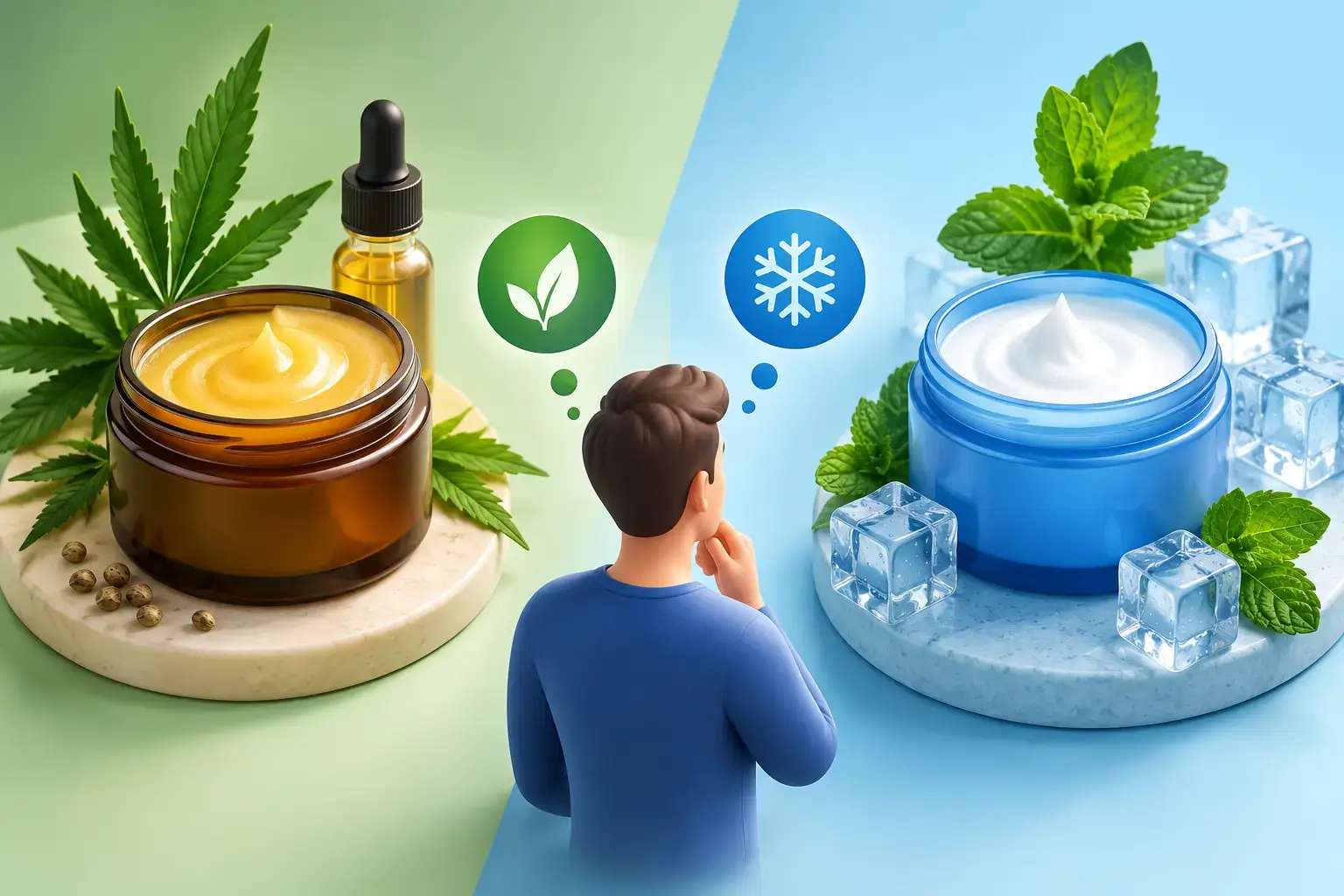
A sore knee after a long walk, tight shoulders after a day at the desk, or hands that ache after yard work can make fast, targeted comfort feel like a priority. When comparing CBD balm vs menthol cream, the right choice is less about which product is universally better and more about the sensation and support you want from your topical routine.
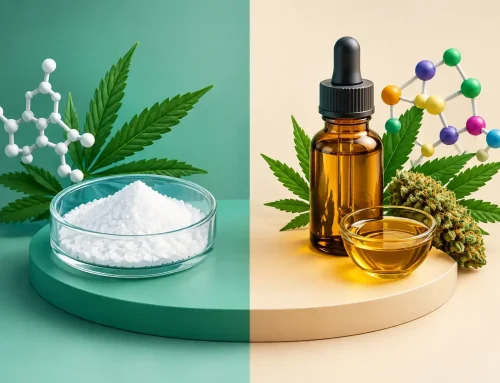
Menthol is known for a quick cooling effect. A CBD balm is usually chosen for a more ingredient-conscious, cannabinoid-based approach to localized wellness. Both can have a place in a medicine cabinet, but they work differently, feel different on the skin, and call for different expectations.
CBD balm vs menthol cream: the main difference
Menthol cream creates a cooling sensation by activating temperature-sensitive receptors in the skin. That cool feeling can temporarily distract from discomfort and make an area feel refreshed. Many people reach for it after exercise, minor muscle strain, or a physically demanding day because the effect is noticeable soon after application.
A CBD balm is a topical product formulated with cannabidiol, often alongside moisturizing oils, plant waxes, and botanicals. CBD does not create the strong icy sensation associated with menthol. Instead, it is used as part of a targeted routine for areas that feel overworked, stiff, or uncomfortable. The experience is typically more subtle and depends greatly on the formula, the amount applied, and the individual.
Neither category is a cure for injury, arthritis, or ongoing pain. For sudden severe pain, swelling after an injury, numbness, weakness, a possible fracture, or symptoms that do not improve, seek guidance from a qualified healthcare professional.
What menthol cream feels like
The biggest advantage of menthol is immediacy. Its cooling sensation can be useful when you want to feel something working right away. It may be especially appealing after a workout, after standing for hours, or when a warm, tired muscle needs a brief reset.
The trade-off is that menthol’s sensory impact is not the same as addressing the reason an area feels uncomfortable. A product can feel intensely cold while offering only short-term comfort. Strong formulas may also sting, especially on sensitive skin or after a hot shower.
Menthol creams often come in lotions, gels, and roll-ons. Their lighter texture may suit larger areas such as calves, thighs, shoulders, or the back. Some formulas also include ingredients such as camphor, methyl salicylate, fragrance, or alcohol. These can affect the smell, cooling strength, and skin feel, so reading the full label matters.
What a CBD balm is designed to do
CBD balm is generally made for precise application. Balms are thicker than many creams, which can make them practical for knuckles, wrists, knees, elbows, feet, and other smaller areas that benefit from a little extra moisture and massage.
When you apply a balm, the act of rubbing it in can be part of the benefit. Gentle massage may help loosen a tense area and gives you time to assess what your body needs. A balm can also create a protective, conditioning layer on dry skin, depending on the base ingredients.
Research into CBD, including topical CBD, is still developing. Individual results vary, and broad wellness claims should be approached carefully. What consumers can evaluate now is product quality: a clear CBD amount, complete ingredient information, independent lab testing, and confirmation that the product matches their THC preferences.
For shoppers who want non-intoxicating topical support, a THC-free CBD balm offers an important layer of confidence. No detectable THC is particularly relevant for people who prefer to avoid THC entirely, including those with workplace, military, family, or personal concerns.
Ingredients matter as much as the active ingredient
Comparing the labels is often more useful than comparing the front of the package. A menthol cream may be the better fit if cooling is your primary goal. A CBD balm may make more sense when you prefer a richer, more moisturizing formula and want to avoid a powerful medicinal scent or sharp cooling effect.
Look beyond the headline ingredient. Consider whether the formula contains fragrance, essential oils, dyes, petroleum-based ingredients, or common skin sensitivities. Natural ingredients are not automatically gentle – peppermint, eucalyptus, and other essential oils can irritate some people.
CBD quality also deserves close attention. Choose products that state the CBD content clearly and provide current third-party lab results. For a THC-free option, the testing documentation should support the no-detectable-THC claim. Clean cultivation and CO2 extraction can offer additional reassurance for consumers who want greater visibility into how their CBD is sourced and processed.
A water-based CBD delivery format may also be worth considering. CBD is naturally oil-soluble, and formulation approaches can affect how a product feels and performs. The best choice is one with transparent details, not vague promises.
When menthol may be the better choice
Menthol cream can be a sensible option when you enjoy cooling products and want a fast sensory effect after physical activity. It may also be convenient if you prefer a lightweight lotion that spreads quickly over a broad area.
It may be less appealing if you dislike strong scents, react to cooling ingredients, or find that the cold sensation feels distracting rather than comforting. Never apply menthol products to broken, irritated, or freshly shaved skin. Avoid using them with heating pads, tight bandages, or immediately before heat exposure unless the product label specifically says it is safe to do so.
When a CBD balm may be the better choice
A CBD balm may fit your routine when localized discomfort tends to show up in the same places: hands after repetitive work, knees after errands, shoulders after computer time, or feet after a long day. Its thicker consistency can be especially useful for dry areas where a lotion disappears quickly.
It is also a practical option for people who want a non-intoxicating wellness product without the pronounced cooling sensation of menthol. A THC-free formula with independent testing can make CBD feel more straightforward for first-time users and experienced shoppers alike.
That said, CBD balm is not always the best match. If you want an immediate hot-or-cold sensation, it may feel too subtle. If your discomfort is widespread, a balm may be less convenient than a lotion or gel. And if you are using prescription medicines, are pregnant or nursing, or have a medical condition, speak with a healthcare professional before adding CBD to your routine.
Can you use CBD balm and menthol cream together?
Some topical products combine CBD and menthol in one formula. Others may choose to use separate products at different times. Combining them is not automatically unsafe, but more ingredients also mean more potential for skin irritation. Layering products can make it difficult to know which ingredient caused a reaction.
A simpler approach is to begin with one product at a time. Apply a small amount to a limited area and wait to see how your skin responds. Follow the label’s directions, wash your hands afterward, and keep all topical products away from eyes, mouth, and other sensitive areas.
If you have sensitive skin, a patch test is a smart first step. Apply a small amount to the inside of your forearm, then check the area over the next 24 hours for redness, itching, burning, or rash. Stop using the product if irritation occurs.
How to choose with confidence
Start with the experience you want. For a quick cooling sensation after activity, menthol may be the clear choice. For targeted, non-intoxicating CBD support with a richer balm texture, CBD may better match your daily routine.
Then look for proof, not packaging promises. Choose a formula with a complete ingredient list, clear use instructions, and transparent testing. At CBD Health Collection, THC-free CBD products are designed around those essentials: clean sourcing, independent lab verification, and practical support for everyday wellness needs.
Your best topical is the one you will feel comfortable using consistently and correctly. Give yourself permission to start small, pay attention to your skin and your routine, and choose comfort that fits your day rather than chasing the strongest sensation on the shelf.