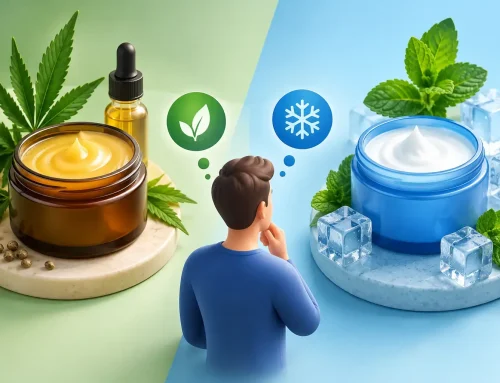
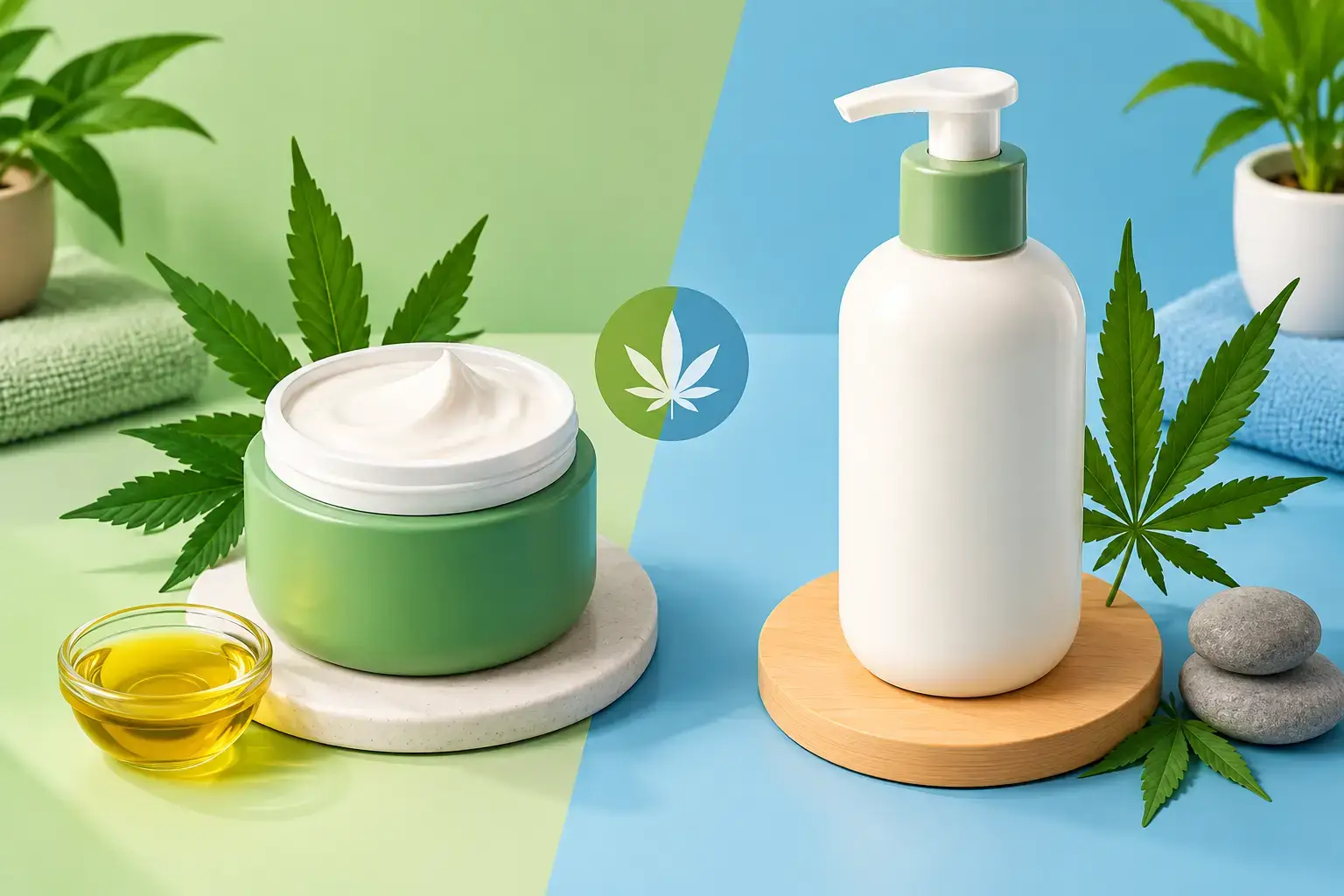
A sore shoulder after yard work and dry hands after a long day may both call for topical comfort, but they do not always call for the same formula. When comparing CBD cream vs lotion, the most useful question is not which one is universally better. It is which texture, ingredient profile, and application style fits the area you want to support.
Both can be practical, non-intoxicating additions to an everyday wellness routine. The difference usually comes down to consistency: creams tend to be thicker and more cushioning, while lotions are lighter and designed to spread quickly across larger areas. The label matters more than the name alone.
CBD Cream vs Lotion: The Basic Difference
CBD creams and lotions are both topical products applied directly to the skin. They are generally intended for localized use, such as massaging a formula into a knee, shoulder, back, hands, feet, or other area that needs attention after normal daily activity.
A CBD cream typically has a richer, thicker feel. It often contains more oils, butters, waxes, or emollients that help it stay where you apply it. This makes cream a natural choice when you want a more substantial massage product or when the skin itself feels dry and needs moisture.
A CBD lotion is usually thinner and more fluid. It may contain a higher water content and lighter moisturizing ingredients, so it spreads easily and absorbs with less residue. Lotion can be especially convenient for arms, legs, and other broad areas, or for daytime use when you want to get dressed soon after application.
There is no legal or industry-wide formula that defines a product as a cream or lotion. One brand’s lotion may feel richer than another brand’s cream. That is why the ingredient panel, CBD amount, suggested use, and third-party testing should guide your decision more than the product name on the front label.
When a CBD Cream May Be the Better Choice
A cream may make more sense when you prefer a slower, more intentional application. Its thicker texture can give you more control over a small, targeted area and provide enough slip for a few minutes of massage.
Many people reach for cream at the end of the day, after exercise, or before bed. A richer formula can feel comforting on frequently used areas such as hands, elbows, knees, feet, neck, and shoulders. If your skin is dry or you simply dislike thin products that disappear immediately, a cream can feel more satisfying.
Look closely at the supporting ingredients. Shea butter, coconut-derived emollients, botanical oils, and similar moisturizing ingredients can contribute to the product’s skin feel. However, more is not always better. A very heavy formula may feel greasy in warm weather, transfer onto clothing or bedding, or be less appealing if you prefer a quick, clean finish.
For targeted everyday support, the ideal cream should apply evenly without leaving a sticky film. It should also clearly state how much CBD is in the container and, when available, how much is intended per application or serving.
When a CBD Lotion May Be the Better Choice
Lotion is often the easier option when coverage and convenience are priorities. Its lighter consistency can make it simpler to apply over the calves after a walk, the forearms after repetitive work, or a larger section of the back with help from a partner or caregiver.
Because it spreads quickly, lotion can also suit a morning routine. You can apply it after a shower, let it absorb, and continue with your day without feeling like you are wearing a heavy layer of product. For people who use topical CBD regularly, that ease can make the routine more consistent.
A water-based formula may be especially appealing if you prefer lightweight hydration and a fast-drying feel. Still, water-based does not automatically mean better. The quality of the CBD extract, the full ingredient list, and the product’s testing standards all matter.
Lotion may not be the best match if you want a dense product for focused massage or if your skin is especially dry. In that case, you may find yourself applying more frequently or layering a lotion with a separate moisturizer. Personal preference is a valid part of the decision.
What to Check Before Choosing Any CBD Topical
Whether you choose a cream or lotion, a few details can help you shop with confidence. First, verify the CBD source and testing. A trustworthy brand should provide independent lab results that confirm cannabinoid content and screen for contaminants such as pesticides, heavy metals, residual solvents, and microbial impurities.
For shoppers who want to avoid THC exposure, look for a formula clearly labeled THC-free or with no detectable THC on its certificate of analysis. This is particularly relevant for service members, working professionals, caregivers, and anyone subject to workplace testing. No topical CBD product can guarantee an individual drug-test outcome, so consider your employer’s policies and speak with a qualified professional if you have concerns.
Next, review the ingredients beyond CBD. Fragrance, essential oils, menthol, camphor, arnica, and botanical extracts can shape the sensation of a topical. Some people appreciate a cooling or warming feel, while others have sensitive skin and prefer a simpler, fragrance-free formula. Natural ingredients can still cause irritation, so natural should not be treated as a substitute for careful formulation.
Finally, compare the total CBD amount with the product size and your expected frequency of use. A large bottle with a modest CBD concentration may be useful for daily full-body moisturizing, while a more concentrated cream may be a better value for small, targeted areas. The right choice depends on how and how often you plan to use it.
How to Use CBD Cream or Lotion Thoughtfully
Start with clean, dry skin. Apply a small amount to the desired area and massage it in using circular motions until it is absorbed. Give the product time to settle before deciding whether you need more. Topical routines are personal, and it may take a few applications to determine the amount and frequency that feels right for you.
Do a patch test before using a new product broadly. Apply a small amount to a limited area of skin and wait to see how your skin responds. Avoid applying CBD topicals to broken, irritated, or infected skin unless a healthcare professional has advised otherwise. Keep products away from the eyes and wash your hands after application, especially before touching your face.
If you are pregnant, nursing, managing a health condition, or taking medication, consult your healthcare provider before adding CBD to your routine. CBD topicals are wellness products, not a replacement for medical diagnosis or treatment. Seek medical care for severe, persistent, or unexplained pain, swelling, weakness, or changes in sensation.
The Best Choice Is the One You Will Use Consistently
Choose CBD cream if you want a thicker, more moisturizing formula for a specific area or a longer massage. Choose CBD lotion if you want lightweight coverage that spreads quickly across larger areas and fits easily into a busy daytime routine.
The most reliable path is to start with a clean, independently tested, THC-free product from a company that is transparent about its ingredients and cannabinoid content. Then pay attention to your skin, your routine, and the texture you genuinely enjoy using. A topical that feels good to apply is far more likely to become a supportive part of everyday care.