A sore back after yard work, a restless night, or a stressful week can make practical wellness support feel worth exploring. But before trying a new product, a reasonable question comes first: is CBD non intoxicating? CBD itself is generally considered non-intoxicating, meaning it does not produce the high associated with THC. Still, the answer depends on the product you choose, its cannabinoid profile, and whether the label is backed by current independent testing.
For people who want everyday support without feeling impaired, THC-free CBD can be a clear, confidence-building option. The key is knowing what CBD does, what it does not do, and how to identify products made with the level of care you expect.
Is CBD Non Intoxicating? Yes, CBD Itself Is
Cannabidiol, usually called CBD, is a naturally occurring compound found in hemp. Unlike THC, the cannabinoid most associated with marijuana’s intoxicating effects, CBD does not typically create euphoria, a high, or altered perception.
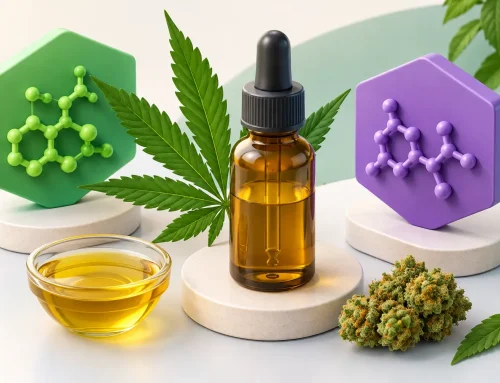
That difference comes down to how these compounds interact with the body. THC directly activates CB1 receptors in the brain, which is a major reason it can change mood, coordination, and perception. CBD interacts with the body’s endocannabinoid system in a different and more indirect way. Research into these pathways is ongoing, but CBD is not known for producing the intoxicating effect linked to THC.
Non-intoxicating does not mean every person will have the exact same experience. Some people feel calmer or more relaxed after using CBD, particularly as part of an evening routine. That is different from feeling high or mentally impaired. Your response can vary based on serving size, the product format, your individual body chemistry, and medications or supplements you may already take.
CBD and THC: The Difference That Matters Most
CBD products are often described with terms such as full-spectrum, broad-spectrum, and isolate. Those labels matter because they can indicate whether THC may be present.
Full-spectrum hemp extracts contain a range of naturally occurring hemp compounds and may contain trace levels of THC. Under federal hemp rules, qualifying hemp products contain no more than 0.3% delta-9 THC by dry weight. That legal threshold does not mean a product is THC-free, and it may not be the best fit for someone who wants to avoid THC exposure altogether.
Broad-spectrum products are generally formulated to retain certain hemp compounds while removing THC. CBD isolate contains CBD without the wider range of cannabinoids and plant compounds. Neither name alone is a guarantee. Manufacturing quality and third-party lab results are what confirm what is actually in the finished product.
For adults concerned about workplace policies, personal sensitivity, military requirements, or simply avoiding THC, a product labeled THC-free and supported by a recent certificate of analysis offers more reassurance than a marketing claim alone.
What “THC-Free” Should Mean When You Shop
A THC-free CBD product should be made and tested with THC avoidance as a priority. Look for clear wording on the label and accessible third-party lab results that show no detectable THC in the final product.
Independent testing is especially useful because it verifies more than cannabinoid content. A thorough report can also screen for contaminants such as pesticides, heavy metals, residual solvents, and microbial impurities. Clean cultivation and CO2 extraction are meaningful parts of product quality, but finished-product testing provides an added layer of confirmation.
At CBD Health Collection, THC-free formulations are built for customers who want non-intoxicating CBD support without uncertainty around detectable THC. That focus is particularly relevant for people managing daily discomfort, stress, sleep routines, or wellness needs while staying clear-headed and in control.
It is worth reading the label closely. “Hemp extract” does not automatically mean THC-free. “Non-psychoactive” is also not as specific as a report that shows no detectable THC. When a brand makes testing easy to review and explains its ingredients in plain language, it makes a better starting point for an informed decision.
Can THC-Free CBD Cause a Failed Drug Test?
No CBD product can promise an outcome on every drug test. Most standard workplace drug tests are designed to detect THC metabolites, not CBD. A properly made THC-free product is intended to avoid THC, which lowers that concern substantially. However, testing methods, product quality, individual metabolism, frequency of use, and the sensitivity of a specific test all vary.
This is why product selection matters. Products containing trace THC, including some full-spectrum products, may carry a greater risk for people subject to drug testing. Contamination, inaccurate labels, and products that have not been independently verified can add further uncertainty.
If drug testing is part of your job, athletic program, legal situation, or military service, consider speaking with your employer or program administrator about its policy. Choose products with no detectable THC on independent lab reports, and avoid assuming that all CBD products are interchangeable.
Will CBD Make You Feel Drowsy or Unable to Drive?
CBD is not intoxicating, but that does not mean it is appropriate to use without paying attention to how you personally respond. Some people may feel relaxed or sleepy, especially with higher servings or products designed for nighttime use. A calming ingredient blend may also contribute to a more restful feeling.
The first time you try a CBD oil, gummy, topical, or other format, start with the suggested serving and pay attention to your experience. Avoid driving, operating machinery, or taking on tasks that require full concentration until you know how a product affects you.
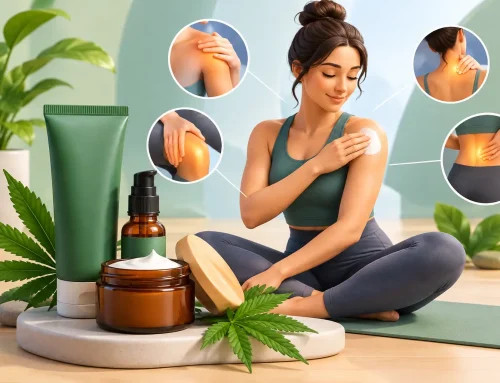
Topical CBD products are often appealing for targeted use on areas such as muscles and joints. Because they are applied to the skin rather than taken orally, their intended use and experience can differ from oils or gummies. The right format depends on your goal, your routine, and the directions provided with the product.
How to Choose Non-Intoxicating CBD With Confidence
The CBD market can be confusing because polished packaging does not always reflect product quality. A thoughtful purchase begins with a few straightforward checks.
First, confirm that the product is specifically described as THC-free, not merely hemp-derived. Next, review independent lab results for the finished batch when available. Those results should align with the label’s CBD amount and show no detectable THC. Finally, choose a product with ingredients and directions that make sense for your intended use, whether that is a topical for a targeted routine, an oil for flexible serving control, or a gummy for convenience.
It also helps to start low and stay consistent long enough to assess your routine. CBD is not a one-size-fits-all solution, and more is not always better. Keep a simple note of when you use it, how much you take, and how you feel. That information can help you make more confident adjustments.
If you are pregnant or nursing, have a medical condition, or take prescription medication, speak with a qualified healthcare professional before adding CBD. CBD can interact with certain medications, so personalized guidance is especially valuable when safety questions are involved.
A Clearer Way to Think About CBD
CBD can be non-intoxicating, but product details determine how much confidence you can have in that claim. CBD itself does not create the high associated with THC. Choosing a carefully made, independently tested THC-free formula helps you pursue everyday wellness support while keeping THC exposure out of the equation.
The best place to begin is not with the boldest promise on a label. It is with clear testing, clean ingredients, realistic expectations, and a product that fits the way you want to feel: supported, comfortable, and clear-headed.