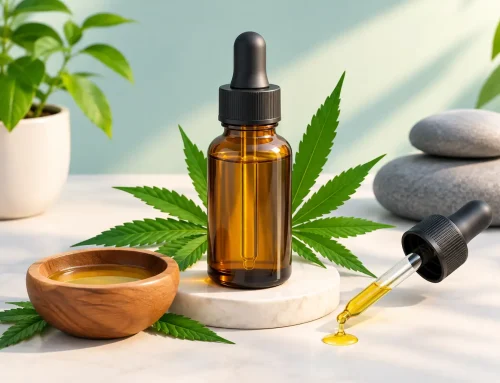
A CBD label that says “THC-free” can feel like a straightforward answer, especially if you want relief for everyday discomfort, sleep, stress, or your pet without any intoxicating effects. But if you are asking, is CBD legal without THC, the useful answer is: generally, yes, when it is made from legal hemp and meets federal and state requirements. The details on the bottle still matter.
For a confident purchase, look beyond front-label promises. A lawful, trustworthy THC-free CBD product should have clear sourcing, current independent lab results, and ingredients that match what the company says it contains.
Is CBD Legal Without THC Under Federal Law?
At the federal level, hemp and hemp-derived products are generally legal if the hemp contains no more than 0.3% delta-9 THC by dry weight. This framework came from the 2018 Farm Bill, which removed qualifying hemp from the federal definition of marijuana.
CBD itself is not automatically illegal simply because it comes from cannabis. The source and THC content are central. CBD derived from federally compliant hemp may be sold under federal law, while marijuana-derived CBD remains federally restricted because marijuana has a higher delta-9 THC concentration.
A product with no detectable THC can fit comfortably within the federal hemp threshold. Still, “THC-free” does not mean a product is exempt from every rule that applies to CBD. Federal law, state law, product type, labeling, and marketing claims all play a role.
THC-Free, Broad-Spectrum, and CBD Isolate Are Not the Same
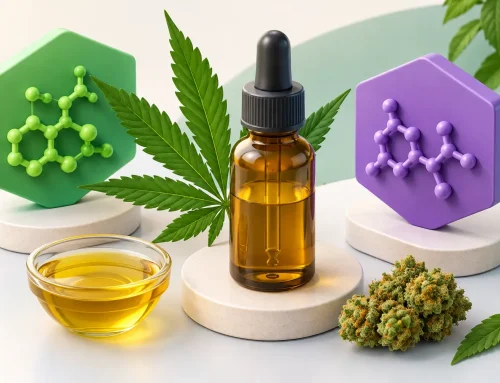
Understanding the label is one of the simplest ways to reduce confusion. These terms describe different types of CBD extracts, and they can affect the likelihood of THC exposure.
CBD isolate is CBD that has been refined to remove other cannabinoids and plant compounds. A properly made isolate should contain CBD without THC.
Broad-spectrum CBD typically contains CBD and selected hemp compounds while removing THC. It is often a practical choice for people who want a wider range of hemp-derived compounds but do not want detectable THC.
Full-spectrum CBD contains a broader profile of cannabinoids and may contain trace amounts of THC within the legal hemp limit. It may be federally lawful when sourced from compliant hemp, but it is not the right fit for everyone. Anyone who wants to avoid THC exposure, faces workplace testing, or simply prefers a THC-free routine should choose carefully and verify the testing documentation.
The wording on the front of a package is a starting point, not final proof. “THC-free” and “no detectable THC” can be meaningful claims only when they are supported by a recent, product-specific certificate of analysis, often called a COA.
Why State Laws Can Change the Answer
Federal hemp law does not erase state authority. States can regulate the manufacture, sale, possession, and use of hemp-derived CBD products within their borders. That means a THC-free CBD product may be federally lawful but subject to different state requirements.
Some states have detailed rules for testing, labeling, registration, or retail sales. Others place limits on certain CBD product categories, particularly ingestible products such as gummies, beverages, and dietary supplements. Rules can also change quickly as state legislatures update hemp policies.
If you are traveling, do not assume the rules at your destination match those at home. Keep products in their original packaging, carry available lab documentation, and review the current rules in the state where you will be using or purchasing CBD. This is especially relevant for air travel, military families, and anyone crossing state lines regularly.
FDA Rules Matter Too
The Food and Drug Administration has not approved most CBD products as drugs, dietary supplements, or conventional foods. That affects what responsible companies can say about their products.
A CBD brand should not promise that a product will diagnose, treat, cure, or prevent a disease. Claims such as “cures arthritis,” “replaces anxiety medication,” or “treats cancer” are not responsible wellness guidance and can signal a compliance problem.
That does not mean adults cannot choose CBD as part of a wellness routine. It means product descriptions should remain accurate and practical. CBD may be used by consumers seeking support for calm, rest, recovery, or everyday comfort, but individual experiences vary. If you take prescription medication, are pregnant or nursing, or manage a health condition, speak with a qualified healthcare professional before adding CBD.
What to Check Before You Buy THC-Free CBD
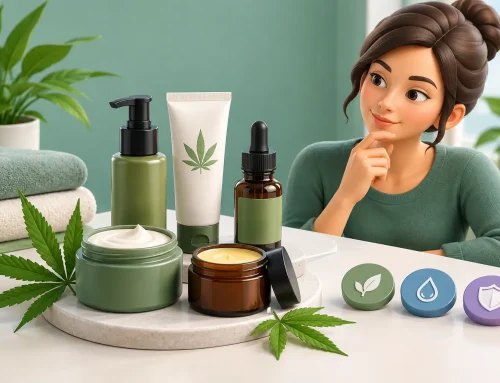
A clean formula and a legal label should go together. Before buying a CBD oil, gummy, topical, salve, or pet product, take a moment to confirm four essentials:
- Hemp source: Look for hemp grown and processed under applicable US standards.
- Independent lab testing: Review a current COA showing cannabinoid potency and no detectable THC when that is the claim.
- Contaminant screening: Better testing also checks for concerns such as pesticides, heavy metals, residual solvents, and microbial contamination.
- Clear product information: The label should identify CBD amount, serving guidance, ingredients, lot information, and the company responsible for the product.
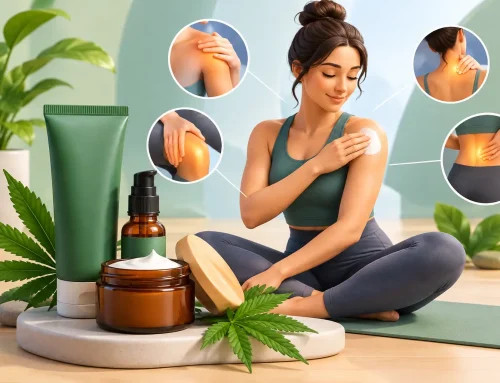
For topicals, also look at the full ingredient list. A CBD cream or salve may include botanicals, essential oils, menthol, or other active-feeling ingredients that may not suit sensitive skin. For gummies and oils, check sweeteners, flavors, carrier oils, and allergens.
At CBD Health Collection, THC-free formulations are supported by independent testing and a focus on clean, non-intoxicating everyday wellness. That level of transparency helps customers compare products based on facts rather than vague hemp language.
Can THC-Free CBD Cause a Positive Drug Test?
This question deserves a careful answer. A product tested as containing no detectable THC is the lower-risk option for someone trying to avoid THC. However, no CBD product can honestly guarantee a negative drug test in every situation.
Testing methods differ, manufacturing errors can happen, and a person may have exposure from another product. Full-spectrum CBD products create a greater concern because they can contain legal trace amounts of THC. Product quality also matters: a mislabeled or poorly tested product may contain more THC than its label suggests.
If a negative drug test is essential for your job, licensing, athletic participation, military service, or legal situation, consider whether using any hemp-derived product is appropriate for your circumstances. Do not rely on marketing alone. Review the COA, choose products with no detectable THC, and understand that zero risk is difficult to promise.
Is THC-Free CBD Legal for Pets?
Pet CBD brings an additional layer of caution. Hemp-derived CBD products made without detectable THC are generally the preferred option for pet owners because THC can be harmful to animals. Yet veterinary guidance and state veterinary rules vary, and the FDA has not broadly approved over-the-counter CBD products for animal treatment.
Choose products made specifically for pets, with clear dosing directions based on your animal’s weight. Avoid human gummies or flavored products that may contain ingredients unsafe for dogs, including xylitol. A veterinarian can help you decide whether CBD fits your pet’s needs and review possible interactions with current medications.
The Practical Bottom Line for CBD Buyers
THC-free CBD is generally legal when it is derived from federally compliant hemp, contains no more than the legal amount of delta-9 THC, and follows the applicable rules where it is sold and used. But legality is only one part of a good decision. A product can be technically legal and still fall short on testing, labeling, ingredient quality, or responsible claims.
Choose CBD with the same care you would bring to any wellness product: verify what is in it, know what is not in it, and select a formula that fits your daily needs. When your priority is support without THC exposure, transparent testing and no detectable THC give you the clearest place to start.