Table of Contents
- What Is CBD?
- What Is THC?
- CBD vs THC Effects: Core Differences
- How Does CBD Affect the Body?
- Benefits of Broad Spectrum CBD
- CBD and THC Interaction: The Entourage Effect
- Legal Status and Regulations
- Which Should You Choose?
Last Updated: August 17, 2026
What Is CBD?
Cannabidiol, or CBD, is a naturally occurring compound found in cannabis and hemp plants that interacts with the body’s endocannabinoid system without producing the intoxicating "high" associated with cannabis use. Unlike THC, CBD does not directly bind to CB1 receptors in the brain, which is why it remains non-intoxicating and legal in most states when derived from hemp containing less than 0.3% THC.
Modern CBD products use methods like CO2 extraction to isolate cannabidiol while preserving other beneficial plant compounds. CBD Health Collection uses clean CO2 extraction methods and third-party lab testing to ensure purity and potency in their organically grown, USA-sourced hemp products.
The bioavailability of CBD, how efficiently your body absorbs and utilizes it, depends heavily on the delivery method and formulation. Water-based CBD formulations, like those CBD Health Collection offers, are designed to optimize bioavailability compared to traditional oil-based options, meaning the CBD reaches your system more effectively.
What Is THC?
Tetrahydrocannabinol, or THC, is the primary psychoactive cannabinoid in cannabis that produces the characteristic "high" associated with marijuana use. THC binds directly to CB1 receptors in the brain and central nervous system, triggering intoxicating effects that make cannabis a controlled substance in many jurisdictions.
While CBD and THC are both cannabinoids from the same plant, their molecular structures differ slightly, fundamentally changing how they interact with your body’s endocannabinoid system. THC’s psychoactive properties make it valuable for certain therapeutic applications, including pain management, nausea reduction, and appetite stimulation, but these same properties create legal restrictions and potential risks for users concerned about impairment.
The legal landscape surrounding THC remains complex and varies significantly by state. Hemp-derived products with minimal THC are federally legal, while cannabis products with higher THC concentrations remain Schedule I controlled substances at the federal level, though some states have legalized them for medical or recreational use.
CBD vs THC Effects: Core Differences
The effects of CBD vs THC differ dramatically because of how each compound interacts with your endocannabinoid system. CBD works indirectly on CB1 and CB2 receptors and influences serotonin, dopamine, and other neurotransmitter systems, while THC binds directly to CB1 receptors in the brain, producing immediate psychoactive effects.
| Effect | CBD | THC |
|---|---|---|
| Psychoactive | No, non-intoxicating | Yes, produces "high" |
| Impairment | None | Significant cognitive impairment |
| Anxiety Response | May reduce anxiety | Can increase anxiety at higher doses |
| Pain Relief | Moderate to significant | Significant |
| Sleep Support | Promotes relaxation and sleep | Sedating effects |
| Legal Status | Hemp-derived, federally legal | Controlled substance federally |
| Drug Testing | May not trigger positive | Will trigger positive result |
| Best For | Daily wellness, pain, anxiety | Medical use in legal states |
Psychoactive Effects and the ‘High’
The most obvious difference between CBD and THC is that THC produces intoxication while CBD does not. When THC binds to CB1 receptors in your brain, it triggers dopamine release and alters perception, mood, and cognitive function. CBD’s non-intoxicating nature makes it suitable for users who want therapeutic benefits without impairment, you can take CBD before work, operate machinery, or drive without cognitive effects.
If you’re new to cannabinoids and concerned about impairment, CBD is the safer choice. Broad-spectrum formulations like those from CBD Health Collection eliminate THC entirely while retaining other beneficial cannabinoids, giving you the potential entourage effect without any psychoactive risk.
Therapeutic and Medical Benefits
Both CBD and THC offer therapeutic properties, but they excel in different areas. CBD shows promise for anxiety disorders, inflammation-related conditions, seizure disorders, and sleep disturbances. THC is often chosen for severe pain management, nausea associated with chemotherapy, and appetite stimulation in medical settings.
Many users report that CBD helps with chronic pain, particularly when combined with topical applications that deliver cannabinoids directly to affected joints and muscles. CBD Health Collection’s topical freeze gels combine broad-spectrum CBD with menthol and other cooling agents to provide localized relief without systemic effects.
THC’s therapeutic benefits are well-documented for cancer-related nausea, multiple sclerosis spasticity, and severe chronic pain, but requires medical supervision and is only available in states with medical cannabis programs.
Common Side Effects
CBD is generally well-tolerated, with most users experiencing minimal side effects like mild drowsiness, dry mouth, and changes in appetite. These effects are typically dose-dependent and subside with continued use.
THC’s side effects are more pronounced and include dry mouth, red eyes, increased heart rate, impaired memory, and anxiety, particularly at higher doses. CBD can actually reduce some of THC’s adverse effects, particularly anxiety and paranoia, which is why some users prefer products with balanced CBD and THC ratios.
How Does CBD Affect the Body?
CBD’s mechanism of action is more complex than THC’s because it doesn’t bind directly to CB1 receptors. Instead, CBD influences your endocannabinoid system indirectly through multiple pathways, affecting serotonin receptors, vanilloid receptors, and other neurotransmitter systems.
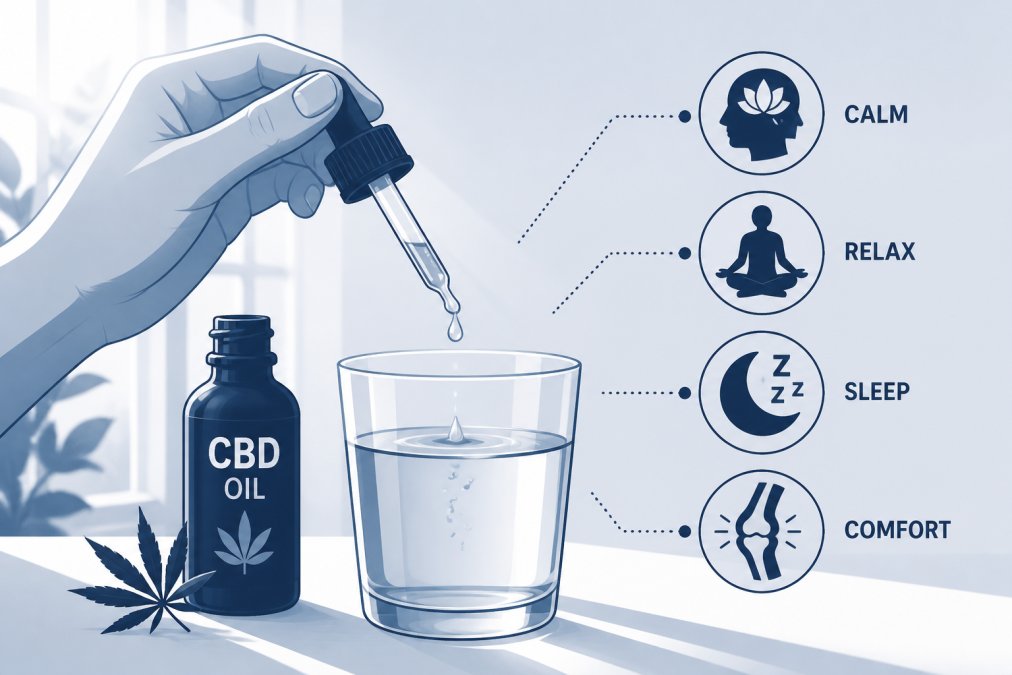
When you consume CBD, it enters your bloodstream and travels throughout your body. The effects depend on your dosage, delivery method, individual metabolism, and whether you’re using CBD isolate or a broad-spectrum formula. Some users feel effects within 15-30 minutes of consuming a tincture, while others report that consistent daily use produces the most noticeable benefits over time.
The Endocannabinoid System and Receptor Binding
Your endocannabinoid system is a complex cell-signaling system present throughout your body that regulates homeostasis, maintaining balance in sleep, mood, pain perception, immune function, and inflammation. This system uses naturally produced cannabinoids called endocannabinoids, which bind to CB1 receptors (primarily in the brain and nervous system) and CB2 receptors (primarily in immune cells and peripheral tissues).
CBD doesn’t bind directly to these receptors the way THC does. Instead, it modulates receptor sensitivity and influences how your body produces and breaks down endocannabinoids. CB2 receptors play a role in immune response and inflammation, which is why CBD’s influence on these receptors may help with pain management and inflammatory conditions.
CBD works by supporting your body’s natural endocannabinoid system rather than forcing a specific effect. Effects tend to be subtle, cumulative, and highly individual, your body is being helped to regulate itself, not being chemically pushed in one direction.
Bioavailability and Metabolic Interactions
Bioavailability refers to the percentage of CBD that actually reaches your bloodstream and is available for your body to use. Sublingual tinctures (placed under the tongue) bypass some of the digestive process and offer better bioavailability than edibles. Topical applications deliver CBD directly to local tissues without entering the bloodstream significantly, making them ideal for localized pain and inflammation.
Water-based CBD formulations represent an advancement in bioavailability. Traditional oil-based CBD products have limited water solubility, meaning your body struggles to absorb them efficiently. Water-based formulations improve the body’s ability to absorb and use CBD, potentially requiring lower doses to achieve the same effects.
Your liver metabolizes CBD through the cytochrome P450 enzyme system, the same pathway used for many medications. If you take prescription medications, CBD could potentially interact with them by competing for metabolic processing. Consulting a healthcare provider before starting CBD is important, particularly if you’re on blood thinners, seizure medications, or other drugs metabolized through this pathway.
Benefits of Broad Spectrum CBD
Broad-spectrum CBD refers to products containing CBD plus multiple other cannabinoids, terpenes, and plant compounds, everything except THC. This formulation type sits between CBD isolate (pure CBD only) and full-spectrum (which includes trace THC).
The primary benefit of broad-spectrum formulations is the potential entourage effect. Evidence suggests that cannabinoids and terpenes work synergistically, with each compound enhancing the others’ effects. A broad-spectrum product may deliver more noticeable therapeutic benefits than CBD isolate alone.
Broad-spectrum products also eliminate the THC concern entirely. You get the full plant benefit without any risk of psychoactive effects, failed drug tests, or legal complications. For professionals, athletes subject to drug testing, and users wanting to avoid THC, broad-spectrum is the optimal choice. CBD Health Collection’s broad-spectrum gummies and topicals exemplify this approach, delivering multiple cannabinoids and terpenes while maintaining zero THC content.
CBD and THC Interaction: The Entourage Effect
The entourage effect is the theory that cannabinoids, terpenes, and other cannabis plant compounds work together more effectively than any single compound alone. When CBD and THC are consumed together, CBD can moderate some of THC’s more intense effects, reducing anxiety and paranoia while potentially enhancing pain relief and therapeutic benefits.
Research into the entourage effect is still developing, but evidence suggests it’s real. Studies have shown that full-spectrum cannabis extracts produce more therapeutic benefit than isolated THC alone. The presence of CBD appears to buffer THC’s psychoactive intensity while preserving its therapeutic properties.
The entourage effect doesn’t require THC. Broad-spectrum products containing CBD plus other cannabinoids like CBG, CBC, and CBDV may produce similar synergistic benefits without any THC. Product formulation matters, not all broad-spectrum products are created equal. CBD Health Collection’s commitment to transparency and third-party testing means you know exactly which compounds are present in each product.
Legal Status and Regulations
Hemp-derived CBD containing less than 0.3% THC is legal at the federal level under the 2018 Farm Bill, allowing interstate commerce and widespread availability. However, some states have additional restrictions on CBD, and the FDA has not approved CBD for most health claims, meaning manufacturers cannot make specific disease treatment claims without regulatory approval.
THC remains a Schedule I controlled substance at the federal level, making cannabis products illegal in most states. However, a growing number of states have legalized medical cannabis, and some have legalized recreational use. The legal status of THC depends entirely on your state of residence.
This legal distinction is crucial when choosing between CBD and THC effects. CBD offers legal accessibility nationwide with minimal regulatory risk. THC requires state-level legality and medical oversight in most cases. For most consumers seeking wellness support, CBD’s legal status makes it the more practical choice.
According to FDA guidance on cannabis and cannabinoid products, the agency continues to monitor the safety and efficacy of cannabinoid products while clarifying that CBD is not approved for treating any disease.
Which Should You Choose?
Choosing between CBD and THC effects depends on your specific goals, legal jurisdiction, and tolerance for psychoactive effects. If you want therapeutic support without impairment, CBD is the clear choice. If you’re in a state with legal medical cannabis and need stronger pain relief or have specific medical conditions, THC may be appropriate under medical supervision.
For most wellness-focused consumers, CBD offers the best risk-benefit profile. It’s legal nationwide, produces no intoxication, works well for pain and anxiety, and integrates easily into daily routines. Broad-spectrum formulations provide the potential entourage effect without THC complexity. CBD Health Collection’s product range, from oils and gummies to topical freeze gels and pet formulations, demonstrates how versatile CBD is for addressing different wellness needs.
CBD is best for: Anyone seeking natural pain relief, stress reduction, or sleep support without psychoactive effects or legal concerns. Professionals, athletes, and users with drug testing requirements. Pet owners looking for natural calming support for anxious or aging animals.
If you’re new to cannabinoids, start with a reputable brand offering third-party lab testing and transparent labeling. CBD Health Collection’s 30-day satisfaction guarantee allows you to evaluate whether their products address your specific needs without financial risk.
Choosing the right cannabinoid product requires understanding how CBD and THC effects differ and what your body actually needs. If you’re seeking natural pain relief, better sleep, or stress management without psychoactive effects, broad-spectrum CBD is your answer. CBD Health Collection delivers water-based formulations with optimized bioavailability, organically grown USA-sourced hemp, and independent third-party lab verification, all backed by a 30-day satisfaction guarantee. Start with their product selector tool to find the best option for your wellness goals in under a minute.
Frequently Asked Questions
Do you feel a buzz from CBD?
No. CBD is non-intoxicating and does not produce a 'high' or buzz. Unlike THC, CBD does not bind strongly to CB1 receptors in the brain that trigger psychoactive effects. Many users report feeling calm, relaxed, or more focused after taking CBD, but these are therapeutic effects, not intoxication. You can use CBD during work, driving, or any activity requiring alertness without impairment.
How does CBD affect the body differently than THC?
CBD and THC interact with your endocannabinoid system in fundamentally different ways. THC binds directly to CB1 receptors in the brain, causing euphoria and intoxication. CBD has low affinity for CB1 and CB2 receptors instead, working through multiple pathways including serotonin receptors and vanilloid receptors. This is why CBD produces therapeutic effects like stress relief and pain management without the 'high' associated with THC. Bioavailability also differs by delivery method: oils and tinctures absorb faster than gummies, which must pass through digestion.
Is it better to have THC or CBD for pain relief?
Both have pain-management potential, but through different mechanisms. THC's euphoric effect can mask pain perception, while CBD works by reducing inflammation and modulating pain signaling through serotonin and vanilloid receptors. For localized pain, topical CBD products provide targeted relief without systemic effects. For chronic pain, many users find broad-spectrum CBD effective because it contains minor cannabinoids and terpenes that work synergistically, the 'entourage effect.' If you need to avoid intoxication, drug testing, or want to remain alert, CBD is the better choice. Consult a healthcare provider to determine which is appropriate for your situation.
What is the entourage effect, and does it matter for CBD vs THC?
The entourage effect is the theory that cannabinoids, terpenes, and other plant compounds work together more effectively than isolated compounds alone. Full-spectrum products contain CBD, THC, and minor cannabinoids; broad-spectrum products contain CBD and minor cannabinoids but have THC removed. Isolate products contain only CBD. Research suggests broad-spectrum and full-spectrum formulations may offer enhanced therapeutic benefits compared to isolate, though individual results vary. If you want the potential benefits of multiple cannabinoids without any THC, broad-spectrum is your option.
Can CBD show up on a drug test?
Pure CBD will not trigger a standard drug test because tests screen for THC metabolites, not CBD. However, full-spectrum products contain trace amounts of THC (up to 0.3% by federal law), which could theoretically accumulate in your system with heavy, prolonged use and potentially register on a sensitive test. Broad-spectrum products have THC removed during processing, making them the safer choice if you're subject to drug testing. Always verify your product's third-party lab report (Certificate of Analysis) to confirm THC content before use if testing is a concern.
This article was written using GrandRanker