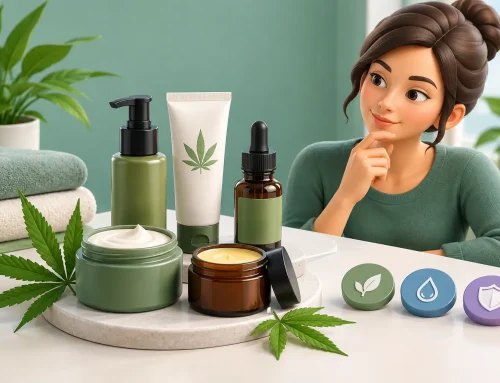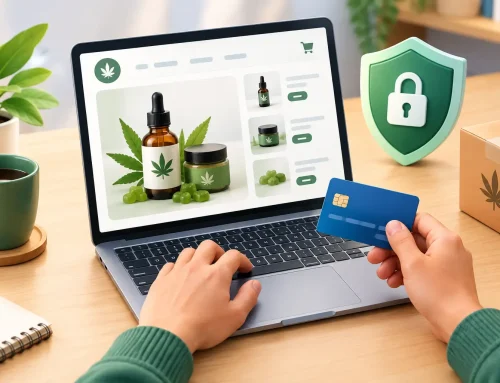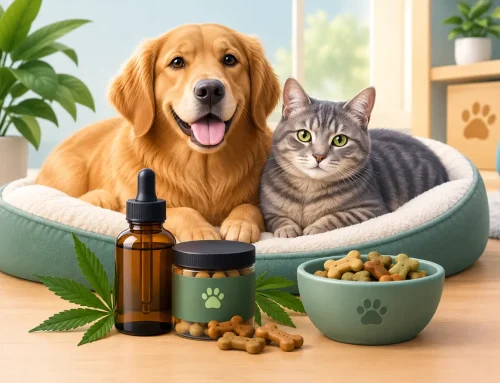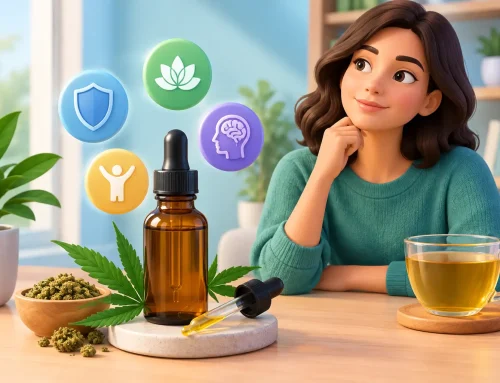
A label that says “THC-free” can be reassuring, especially if you want everyday CBD support without intoxication or uncertainty. But learning how to identify THC-free CBD requires more than trusting the front of the bottle. The clearest proof comes from a current, independent lab report that matches the exact product and batch in your hand.
For many people, the goal is simple: CBD for comfort, sleep, stress, or daily wellness without exposure to detectable THC. That may be particularly important for professionals, caregivers, active-duty service members, veterans, pet owners, and anyone who wants a clean, non-intoxicating product. A thoughtful label check and a few minutes reviewing test results can make a major difference in your confidence.
Start With the Product Type, Then Verify It
CBD products are commonly described as full-spectrum, broad-spectrum, or CBD isolate. These terms are useful starting points, but they are not a substitute for testing.
Full-spectrum CBD contains a range of hemp compounds and may contain trace amounts of THC within legal hemp limits. That does not fit the needs of someone specifically seeking a THC-free product.
Broad-spectrum CBD generally contains multiple hemp-derived compounds while having THC removed during processing. CBD isolate is formulated with purified CBD as the primary cannabinoid. Both broad-spectrum and isolate products can be made without detectable THC, but neither description alone guarantees it. Manufacturing practices, ingredient sourcing, and batch-to-batch consistency still matter.
Treat terms like “0% THC,” “THC-free,” and “non-detectable THC” as claims to verify. The certificate of analysis, often called a COA, is where you can see whether the finished product was actually tested.
How to Identify THC-Free CBD on a COA
A COA is a laboratory document that reports what was found in a product sample. Reputable brands make these reports easy to access, often through a QR code on the package or by providing them through customer service. A report that is difficult to find, outdated, or unrelated to the product is a reason to pause before purchasing.
First, make sure the COA matches your item. The product name, flavor or strength when applicable, and batch or lot number should align with the packaging. A brand may sell several oils, gummies, topicals, or pet products, and each formulation can have a different cannabinoid profile. A generic report is not enough.
Next, find the cannabinoid results. Look for delta-9 THC, the primary intoxicating form of THC. For a THC-free product, the result should read ND, meaning “not detected,” or show a value of zero based on the laboratory’s reporting standard. It is also wise to look for other relevant THC-related compounds, such as THCA and delta-8 THC, when they are included on the panel.
The phrase “not detected” has a practical meaning: the compound was not found above that laboratory’s established detection or quantification limit. It does not mean a lab can prove that no molecule exists in the universe. It means the tested sample did not contain a measurable amount under the method used. That is why transparent reporting limits and consistent testing are valuable.
A quality COA should also show the amount of CBD. Compare that number with the label claim. If an oil is labeled as containing 1,000 mg of CBD per bottle, the lab result should reasonably support that amount. Minor variations can occur, but a large gap raises questions about formulation accuracy and quality control.
Check That the Lab Is Independent and Current
The best THC-free CBD brands do not test only raw hemp extract. They test the finished product consumers receive. This is especially relevant for gummies, oils, topical creams, salves, and pet formulations, where other ingredients and production steps are part of the final formula.
Look for a third-party laboratory rather than a report created solely by the manufacturer. Independent testing adds accountability because the lab is separate from the company selling the product. Labs operating under recognized quality standards, such as ISO/IEC 17025 accreditation, can provide an additional sign that established testing procedures are being followed.
Dates matter, too. A report from several years ago may describe a previous formula or an earlier production run. A current COA tied to a current lot number gives you better information about what you are buying now.
If you scan a QR code and it leads only to a marketing page, keep looking for the actual report. A true COA typically includes the laboratory name, sample identification, test date, methods or result tables, and an authorized approval or signature. It should not be a vague graphic that simply states “lab tested.”
Do Not Stop at THC Testing
THC verification is central, but a product can be THC-free and still fall short on broader quality. A complete testing program helps show whether a CBD product is clean as well as non-intoxicating.
Depending on the product and the lab panel, look for screening related to pesticides, heavy metals, residual solvents, microbial contaminants, and mycotoxins. Hemp can absorb compounds from the soil, and extracts can be affected by processing. Testing helps identify concerns that cannot be seen from the label alone.
Extraction and cultivation practices are worth reviewing as well. Organically cultivated hemp, CO2 extraction, and chemical-free processing can support a cleaner product standard, but these practices do not independently prove that a finished product contains no detectable THC. They work best alongside batch-specific, third-party results.
The same principle applies to delivery formats. Water-based CBD may be chosen for product experience and bioavailability, while a topical may be selected for targeted application. Neither format determines THC content. Only the finished-product COA can confirm what is measurable in that particular batch.
Read Labels Carefully Before You Buy
A clear label should tell you what type of CBD product you are considering, how much CBD it contains, how to use it, and what ingredients are included. It should also provide a batch or lot number and a practical path to test results.
Be cautious when a label uses broad phrases such as “hemp extract” without explaining the cannabinoid profile. Hemp seed oil, for example, is a nutritious cosmetic or culinary ingredient but is not the same as CBD extract. If you are shopping for CBD, the label should identify the CBD amount in milligrams and the brand should be willing to show cannabinoid testing.
For topical products, check the full ingredient list for fragrances, essential oils, or other components that may not suit sensitive skin. For gummies and oils, consider sweeteners, flavorings, carrier oils, and dietary needs. For pets, use products formulated specifically for animals and speak with a veterinarian if your pet takes medication, has a health condition, or is pregnant or nursing.
Know What “THC-Free” Can and Cannot Promise
Choosing a product with no detectable THC is the most practical approach for consumers who want to avoid THC exposure. Still, no CBD company can honestly guarantee a specific outcome on a drug test. Testing methods, thresholds, individual metabolism, frequency of use, and cross-contamination risks can all affect results.
If drug testing is a concern for employment, military service, athletics, legal supervision, or medical care, consider whether CBD use is appropriate for your circumstances before starting. Keep product packaging and the matching COA for your records, but do not rely on a CBD product as a guarantee of a negative test result.
It also helps to be cautious with unusually low prices and exaggerated claims. CBD that is responsibly cultivated, carefully processed, and independently tested has real production costs. A trustworthy company should answer direct questions about THC testing, ingredients, batch documentation, and customer support without making you work for basic information.
A Simple Standard for Buying With Confidence
When comparing products, choose the one that makes verification easy. You should be able to identify the CBD type, find a recent third-party COA, match the report to the batch, and see no detectable THC in the cannabinoid results. Then look beyond THC to confirm that the product has been screened for relevant contaminants and that its CBD content supports the label claim.
CBD Health Collection follows this straightforward approach by emphasizing no detectable THC, transparent testing, and clean product standards across everyday wellness options. The purpose is not to make CBD feel complicated. It is to give you the information needed to make a decision with confidence.
The right THC-free CBD product should never require blind trust. A clear label, accessible batch testing, and responsive customer care let you focus on the wellness routine you want to build, with fewer unanswered questions.