A sore knee after a long walk, tight shoulders after a workday, or hands that need extra care can make a targeted product feel more practical than another supplement. Knowing how to choose CBD topicals starts with the area you want to support, then moves to the details that separate a clean, dependable formula from a confusing label.
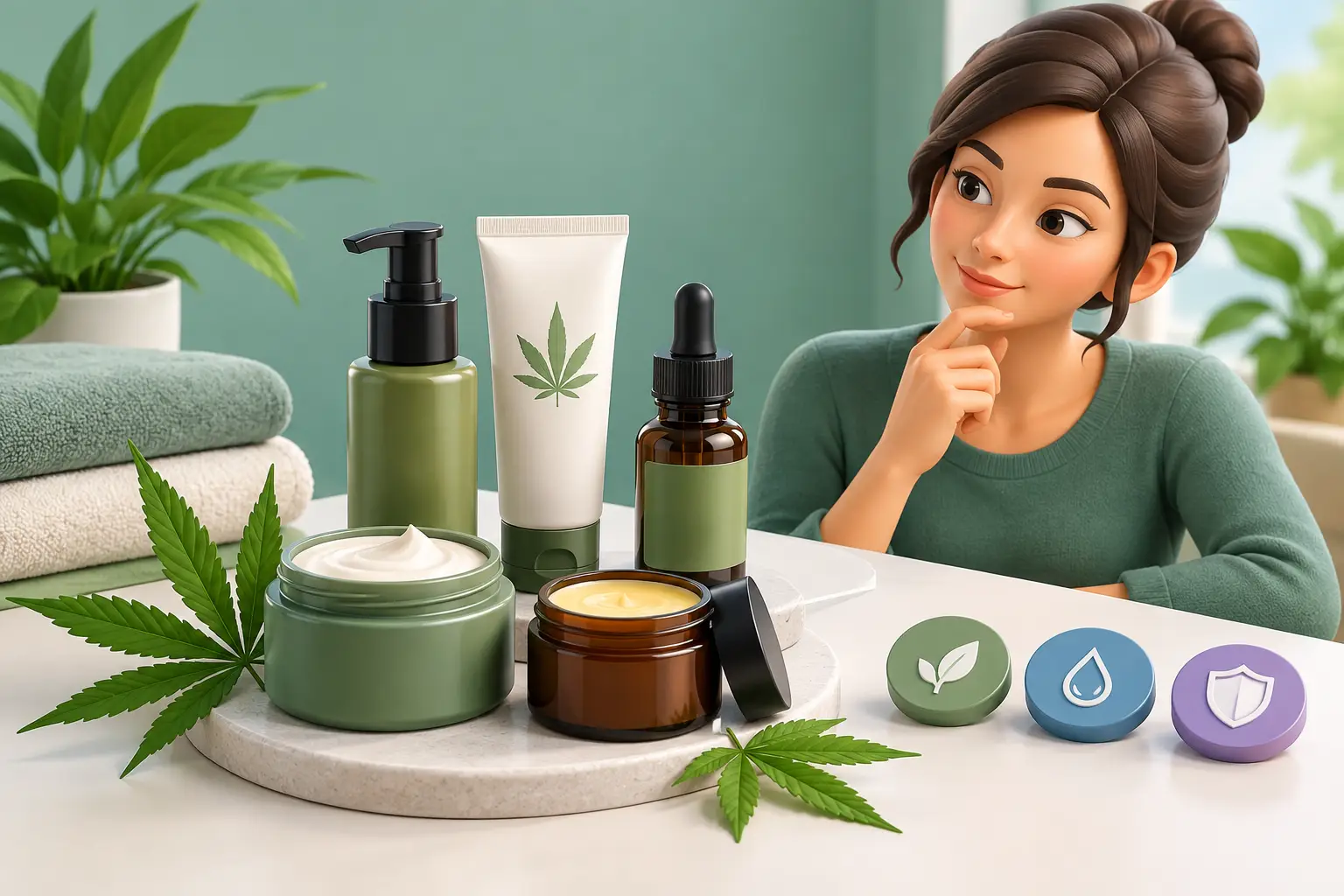
CBD creams, salves, balms, lotions, and gels are designed for application directly to the skin. They are a non-intoxicating option for adults who want to build comfort-focused care into an everyday routine. Still, not every topical is made to the same standard. The best choice is rarely the product with the loudest promise or the biggest number on the front of the jar.
Start With Your Everyday Use Case
Think first about where and when you plan to use a topical. A dense salve may be a good fit for dry, rough areas such as hands, elbows, heels, or knees. A cream or lotion often works well for larger areas, including the back, legs, shoulders, and arms, because it spreads more easily. A fast-absorbing gel can be useful when you want a lighter feel and do not want to wait long before getting dressed.
Texture is not just a personal preference. It affects how consistently you will use the product. A formula that feels too greasy for daytime use may end up sitting in a cabinet, while a thin lotion may not provide the lasting moisture you want for dry skin. Choose a format that matches your routine, not one you feel you should use.
Also consider whether you prefer a simple CBD-only topical or a formula with familiar skin and comfort ingredients. Menthol can create a cooling sensation. Ingredients such as shea butter, coconut oil, aloe, or botanical extracts may support the skin feel and moisture level of the product. These additions can be useful, but they should be clearly identified on the label so you can avoid ingredients that do not suit your skin.
How to Choose CBD Topicals by CBD Type
The CBD source matters, especially for shoppers who want clarity around THC. CBD topicals generally use one of three extract types: full-spectrum, broad-spectrum, or CBD isolate.
Full-spectrum extracts contain CBD alongside other hemp compounds and may include trace amounts of THC within federally permitted limits. That does not mean the product is intended to cause intoxication, but trace THC can be a concern for people who are sensitive to THC, subject to workplace testing, serving in the military, or simply seeking a THC-free product.
Broad-spectrum CBD contains multiple hemp compounds while removing detectable THC. CBD isolate contains CBD without the other naturally occurring hemp compounds. Either may be appropriate when no detectable THC is a priority. The key is not assuming that the phrase “hemp-derived” automatically means THC-free. Look for a clear product statement and independent test results that confirm what is, and is not, in the formula.
For many customers, a THC-free topical offers welcome peace of mind. It supports a straightforward wellness routine without adding uncertainty about THC exposure. If this is important to you, make it one of your first filters rather than an afterthought.
Read Potency in Context
Topical labels often show the total milligrams of CBD in the container. That number is helpful, but it does not tell the whole story. A 1,000 mg cream in a large container may have a different CBD concentration per application than a 500 mg balm in a smaller jar.
Check the serving size or suggested application amount when it is available. This gives you a clearer sense of how much CBD you are applying to a specific area. Higher potency is not automatically better. The right level depends on the size of the area, how frequently you expect to apply the product, your experience with CBD, and how your body responds.
For a first topical, a moderate-strength formula can be a sensible place to begin. Apply a small amount to clean, dry skin and use it consistently as directed. You can adjust the amount gradually if needed. Using too much at once does not necessarily improve the experience, and a smaller amount applied regularly may be more practical.
Remember that CBD topicals are intended for external use. Avoid applying them to broken or irritated skin unless the product directions specifically say otherwise. Wash your hands after use, especially before touching your eyes or face.
Put Ingredient Quality Ahead of Marketing Claims
A trustworthy topical should make it easy to understand what you are putting on your skin. Look for a complete ingredient list, including the carrier oils, moisturizers, fragrances, and active botanical ingredients in the formula. If you have sensitive skin, fragrance-free or lightly scented options may be preferable. Essential oils can feel pleasant for some people but may irritate others, particularly when used often or on delicate skin.
The way CBD is produced deserves attention, too. Organically cultivated hemp and CO2 extraction are meaningful quality signals. CO2 extraction is a clean method used to draw desired hemp compounds from the plant without relying on harsh chemical solvents. Brands should also be able to explain their processing standards plainly, rather than hiding behind vague terms such as “premium” or “pure.”
Water-based delivery may be another consideration. A water-based formula can offer a lighter application experience and may be designed to support efficient delivery across the skin. It is not the only effective format, and thicker oil-based salves have their place, especially for dry skin. The better option depends on whether you value quick absorption, richer moisture, portability, or a particular finish on the skin.
Verify Third-Party Lab Testing
Independent laboratory testing is one of the clearest signs that a CBD company takes transparency seriously. A current certificate of analysis should verify the CBD content and confirm that the product meets its THC claim. Depending on the testing panel, it may also screen for contaminants such as pesticides, heavy metals, residual solvents, and microbial impurities.
Do not settle for a generic statement that a product is “lab tested.” The testing should be specific to the product or batch, and the results should be understandable enough to confirm the basics: the amount of CBD matches the label, and THC is not detected if the product is sold as THC-free.
This step matters even more for people who use CBD regularly, are purchasing for a family member, or have professional reasons to avoid THC. Transparent testing turns a marketing claim into information you can evaluate.
Consider Comfort, Sensitivity, and Lifestyle
A topical should fit comfortably into real life. If you plan to apply it before exercise, you may prefer a non-greasy gel or cream. For evening use, a richer balm may feel more suitable for massaging into areas that feel overworked. If you travel frequently, consider whether the container is secure and easy to carry.
Patch testing is a smart habit, especially if you have sensitive skin or allergies. Apply a small amount to a limited area and wait to see how your skin reacts before using it more broadly. Stop using the product if irritation occurs.
CBD topicals can complement everyday self-care, but they are not a substitute for professional medical evaluation. Talk with a healthcare professional before use if you are pregnant, nursing, managing a medical condition, taking medications, or have questions about persistent or severe discomfort. Seek prompt care for sudden swelling, injury, numbness, weakness, or pain that does not improve.
Choose a Brand That Makes Answers Easy to Find
A quality CBD brand should not make you work to locate the basics. Product labels, ingredient details, CBD type, directions, and test results should be readily available. Clear customer service, consistent formulas, and honest guidance are especially valuable if you are trying CBD for the first time.
Be cautious with products that promise to cure conditions, replace medical treatment, or deliver dramatic results for everyone. CBD responds differently from person to person. A credible company speaks in practical terms, gives you the facts, and lets you decide what fits your needs.
The right CBD topical is one you can use with confidence: a formula that suits your skin, supports your routine, contains the CBD type you want, and is backed by transparent testing. Start with a clear purpose, give the product time and consistent use, and let your own experience guide the next choice.