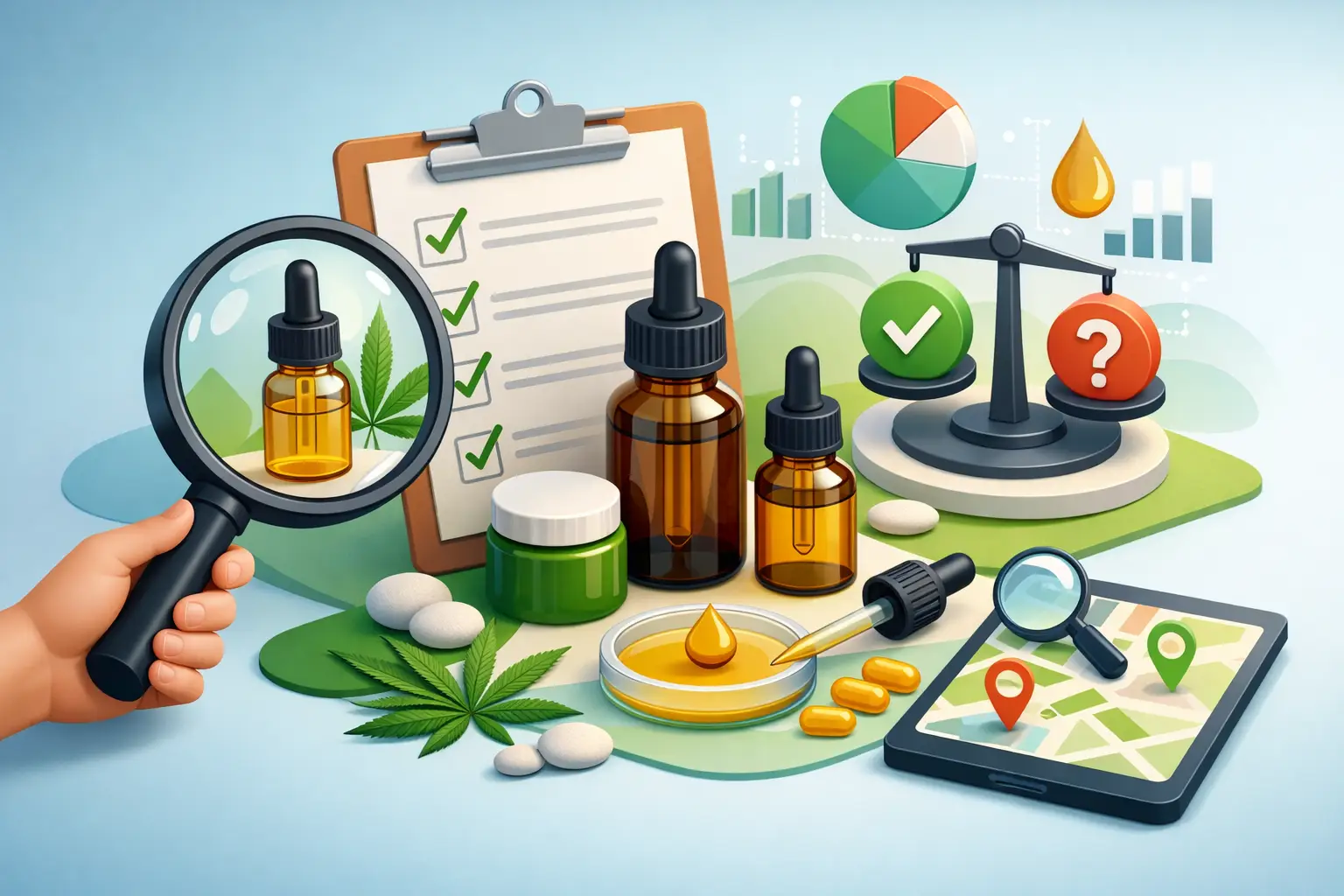
A CBD label can look reassuring while leaving out the details that matter most: how much CBD is actually in the bottle, whether the product contains THC, and whether an independent lab has verified what is inside. Knowing how to choose cbd oil starts with looking past front-label promises and focusing on proof, ingredients, and your personal wellness goal.
For many people, CBD is part of a practical routine for everyday discomfort, occasional stress, sleep support, or general balance. The right product should feel simple to use and easy to trust. That means choosing a formula with clear information, consistent quality standards, and a serving size that fits your needs.
How to Choose CBD Oil for Your Needs
Start with the reason you are considering CBD. A person seeking support for winding down at night may choose a different serving routine than someone looking for daytime calm or everyday physical comfort. CBD is not a one-size-fits-all wellness product, and a higher milligram number is not automatically better.
Think about when you want to use it, how quickly you want to feel the effects, and how much control you want over each serving. CBD oil, often called a tincture, can be a good option for people who want flexible dosing. You can begin with a smaller amount, monitor how you feel, and adjust gradually over time.
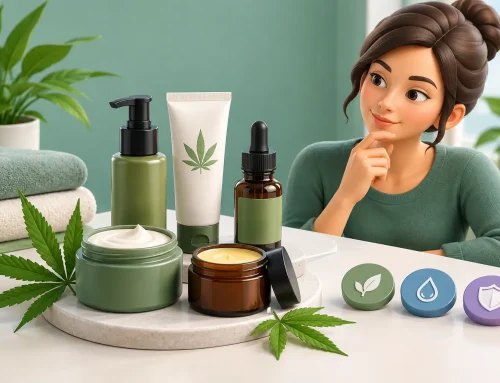
If you prefer a premeasured serving, gummies may be more convenient. If your goal is focused support for a specific area, a topical may make more sense than an oral oil. The best choice depends on your routine and intended use, not on a trend or a flashy package.
Choose the Right Type of CBD
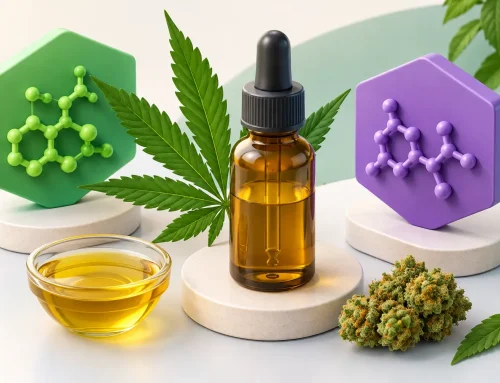
The words isolate, broad spectrum, and full spectrum describe what remains in a CBD extract after processing. Understanding the difference helps you avoid surprises.
CBD isolate contains cannabidiol with other hemp compounds removed. It is a straightforward choice for shoppers who want CBD without THC and prefer a simple cannabinoid profile.
Broad-spectrum CBD contains CBD plus select naturally occurring hemp compounds, but it is formulated to remove THC. It may appeal to people who want a wider hemp profile while avoiding THC exposure. Still, do not rely on the term broad spectrum alone. Confirm the product’s third-party lab report shows no detectable THC.
Full-spectrum CBD contains multiple hemp compounds, including trace amounts of THC within the federal hemp limit. It is not the right fit for everyone, particularly people who want to avoid THC, are subject to drug testing, or simply prefer a non-intoxicating, THC-free option.
A THC-free formula can offer welcome clarity, but the claim should be supported by current lab testing. Look for results that list THC as not detected or below the laboratory’s limit of quantification. This is especially relevant for active-duty service members, veterans, professional drivers, and anyone concerned about workplace testing.
Verify Independent Lab Testing
A certificate of analysis, commonly called a COA, is one of the clearest signs that a CBD product is being sold responsibly. This report is prepared by an independent laboratory and should be available for the specific product or batch you are considering.
The COA should confirm the amount of CBD in the formula. If a bottle says it contains 1,000 mg of CBD, the test results should support a result reasonably close to that amount. Small variation can happen, but a large mismatch is a concern.
A complete report should also screen for contaminants. At a minimum, look for testing related to heavy metals, pesticides, residual solvents, and microbial contamination. Hemp is a plant that can absorb substances from the soil, so clean cultivation and thorough testing are not optional details.
Check that the lab report is recent and that its batch or lot number matches the product. A generic report with no product connection provides less confidence than a batch-specific result. Transparent companies make this information accessible because customers deserve to know what they are taking.
Look Closely at Ingredients and Extraction
CBD quality begins before the finished bottle. Hemp grown with organic practices and processed without unnecessary chemicals offers a cleaner foundation for a daily wellness product. The ingredient list should be understandable, with a clear source of CBD and no vague proprietary blend that hides the actual amount of cannabidiol.
CO2 extraction is widely used because it can separate beneficial hemp compounds without relying on harsh chemical solvents. It is a thoughtful processing choice for people who prioritize purity. The final formula also matters. Carrier ingredients such as MCT oil, hempseed oil, or water-based formulations affect taste, consistency, and how the product fits into your routine.
Water-based CBD products are designed to disperse CBD in water, which may support absorption for some users. They can be especially appealing if you dislike the oily texture of traditional tinctures. That said, delivery format is not a guarantee of a particular result. Your body, serving size, and consistency of use all play a role.
Avoid products that make exaggerated health claims. CBD may support wellness goals, but a responsible company will not present it as a cure for serious medical conditions. Clear language, realistic expectations, and transparent testing are stronger signs of quality than dramatic promises.
Understand Potency Without Chasing the Biggest Number
Potency refers to the total amount of CBD in a bottle and the amount in each serving. Both numbers matter. A 1,000 mg bottle may sound stronger than a 500 mg bottle, but the serving size could be different. Always check how many milligrams of CBD you receive per dropper, capsule, gummy, or measured serving.
For first-time users, beginning with a modest serving and using it consistently is often more useful than starting at the highest strength. Keep a simple note of the amount you take, the time of day, and how you feel. This can help you identify a routine that is comfortable and practical.
Your ideal serving may depend on body size, metabolism, desired outcome, and prior experience with CBD. Some people prefer a smaller amount during the day and a different routine in the evening. Others find that a consistent once-daily serving works best. Give your routine time before making major changes, unless you experience an unwanted effect.
Consider Safety, Medications, and Daily Use
CBD is generally used as a non-intoxicating wellness option, but it is still worth approaching thoughtfully. If you take prescription medications, especially those with grapefruit warnings, speak with a physician or pharmacist before adding CBD to your routine. CBD can affect the way the body processes certain medicines.
Pregnant or breastfeeding individuals should consult a qualified healthcare professional before use. The same careful approach applies to people managing a medical condition or preparing for surgery. A good CBD company provides product information, but personalized medical guidance should come from your healthcare provider.
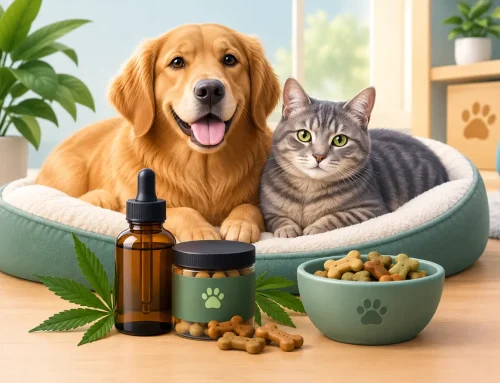
For pets, choose a product specifically formulated for animals and follow the serving guidance for your pet’s weight. Do not assume a human CBD oil is appropriate for a dog simply because it contains CBD. Pet-friendly formulas should avoid ingredients that may be unsuitable for animals, and your veterinarian can help you make a safer decision.
Shop for Consistency and Customer Support
A CBD oil is only useful if you feel comfortable using it regularly. Look for clear serving instructions, straightforward return and shipping policies, and responsive customer service. A focused product range can also be helpful because it makes it easier to choose based on a real need rather than sorting through dozens of nearly identical formulas.
At CBD Health Collection, the emphasis is on THC-free CBD, transparent testing, clean processing, and practical support for everyday wellness goals. Those are useful standards to apply wherever you shop: know what is in the bottle, know what is not in it, and know how the company verifies its claims.
The best CBD oil is not necessarily the strongest, most expensive, or most heavily advertised option. It is the one with verified quality, a THC policy that matches your comfort level, and a format you can use consistently as part of a thoughtful wellness routine.