Table of Contents
- How Herbal Teas Support Muscle Recovery
- Anti-Inflammatory Herbal Teas That Reduce Soreness
- Benefits of Turmeric Tea for Muscles
- Hydration for Muscle Recovery
- Timing, Dosage, and Temperature Protocols
- Caffeine-Free Options for Evening Recovery
- Safety Considerations and Drug Interactions
- Frequently Asked Questions
Last Updated: September 21, 2026
How Herbal Teas Support Muscle Recovery
Herbal teas for muscle soreness recovery work by delivering compounds that address inflammation at the source. When muscles experience intense activity, they develop microscopic tears that trigger inflammation and soreness, a process called delayed onset muscle soreness, or DOMS. The right herbal tea can reduce this inflammatory response while supporting the body’s natural repair mechanisms.

Specific herbs contain compounds like polyphenols and gingerol that reduce oxidative stress and promote circulatory support, helping your body flush metabolic waste from fatigued muscles. Warm herbal infusions increase blood flow while replenishing fluids lost during exercise.
Timing your tea consumption matters more than most people realize. Drinking herbal tea within 30-60 minutes post-workout maximizes absorption when your muscles are primed to receive nutrients and your circulatory system is already elevated.
Anti-Inflammatory Herbal Teas That Reduce Soreness
The most effective herbal teas for muscle soreness recovery contain ingredients specifically chosen for their anti-inflammatory properties. These aren’t random blends; they target the exact mechanisms that create post-exercise soreness.
Turmeric and Ginger Blends
Turmeric contains curcumin, one of the most researched anti-inflammatory compounds in herbal medicine. When you consume turmeric tea, curcumin enters your system and reduces the inflammatory markers that spike after intense workouts. Ginger works through a different pathway, its active component, gingerol, blocks inflammatory signaling at the cellular level.
Together they address inflammation through multiple routes, which is why blended formulations outperform single-ingredient teas.
Research on curcumin’s anti-inflammatory mechanisms demonstrates that the compound is most bioavailable when consumed with black pepper, which contains piperine. Many quality herbal tea blends include this pairing intentionally. Pukka Herbs Turmeric Glow Tea incorporates turmeric, ginger, and galangal, three complementary anti-inflammatory herbs that work together to reduce exercise-induced inflammation.
White Willow Bark and Kava Root
White willow bark contains salicin, a compound your body converts into salicylic acid, the same active ingredient in aspirin, but derived from plant material. Unlike pharmaceutical aspirin, which can irritate your stomach, salicin from white willow bark is gentler on your digestive system while still reducing inflammation and muscle tension.
Kava root calms muscle tension without sedating you. YBTCO Muscle Ease Blend combines white willow bark and kava root with hibiscus for antioxidant support.
White willow bark can interact with blood thinners and should be avoided if you take anticoagulant medications. Always consult your healthcare provider before adding it to your routine, especially if you’re on prescription medications.
Benefits of Turmeric Tea for Muscles
Turmeric tea delivers curcumin, which reduces inflammation triggered by exercise-induced muscle damage. However, your body absorbs only 3-5% of curcumin when consumed alone.
Black pepper contains piperine, which increases curcumin absorption by up to 2,000%. Pairing turmeric with black pepper transforms the therapeutic dose from negligible to clinically meaningful.
Fat enhances curcumin absorption. Add coconut milk, almond milk, or a teaspoon of coconut oil to your turmeric tea to maximize bioavailability.
Turmeric’s polyphenols reduce inflammation and support tissue healing by promoting blood flow and reducing oxidative stress that slows healing.
Steep turmeric tea at 160-180°F for 5-7 minutes; curcumin degrades above 190°F.
Most people notice results within 3-5 days of consistent use when consumed with bioavailability enhancers. You won’t feel immediate pain relief like you would from ibuprofen, but the underlying inflammation diminishes, which means soreness decreases more rapidly and your muscles repair more completely. For optimal results, consume turmeric tea within 30-60 minutes post-workout when your digestive system is active and your circulatory system is already elevated, maximizing absorption and delivery to fatigued muscle tissue.
Dosage for muscle recovery typically ranges from 500-1,000 mg of curcumin daily, which translates to roughly 1-2 cups of quality turmeric tea blended with black pepper. Exceeding this amount offers no additional benefit and may cause digestive upset in sensitive individuals.
Hydration for Muscle Recovery
Hydration is foundational to muscle recovery, but not all fluids support recovery equally. Plain water provides hydration but no active recovery compounds, while herbal teas for muscle soreness recovery combine essential fluid replacement with anti-inflammatory, antioxidant, and circulatory-support compounds that water cannot deliver.
The challenge with standard hydration advice is that it ignores the difference between simple rehydration and recovery-optimized hydration. After intense exercise, your muscles need more than water, they need compounds that reduce inflammation while you’re replenishing fluids. Herbal teas solve this by delivering therapeutic doses of anti-inflammatory herbs in a hydrating medium.
Caffeine-free herbal teas are particularly valuable here because they hydrate without the diuretic effect of caffeinated drinks. Caffeine is a mild diuretic, meaning it increases urinary output and can actually reduce net fluid retention during the critical post-workout window. This is why post-workout hydration should prioritize caffeine-free options. Rooibos tea, for example, is naturally caffeine-free and rich in antioxidants including aspalathin and nothofagin, compounds that reduce oxidative stress in muscle tissue. Unlike green or black tea, which contain caffeine, rooibos provides antioxidant support without stimulating your nervous system or interfering with fluid retention.
Another often-overlooked factor is osmolarity, the concentration of dissolved particles in a fluid. Plain water has zero osmolarity, which means your body absorbs it quickly but doesn’t retain it as efficiently. Herbal teas contain dissolved minerals and compounds that slightly increase osmolarity, improving fluid retention in muscle tissue. This is particularly important during the first 2-3 hours post-workout when your body is actively repairing muscle fibers and needs sustained hydration, not just a quick water flush.
Timing and volume matter significantly. Aim for 8-16 ounces of herbal tea within the first hour after your workout. This timing maximizes absorption when your digestive system is active and your muscles are primed to receive nutrients. A second cup in the evening (4-6 hours post-workout) supports the overnight repair window when muscle protein synthesis peaks. Consuming herbal tea too late in the evening can interfere with sleep if it contains any caffeine, so choose caffeine-free blends for evening hydration.
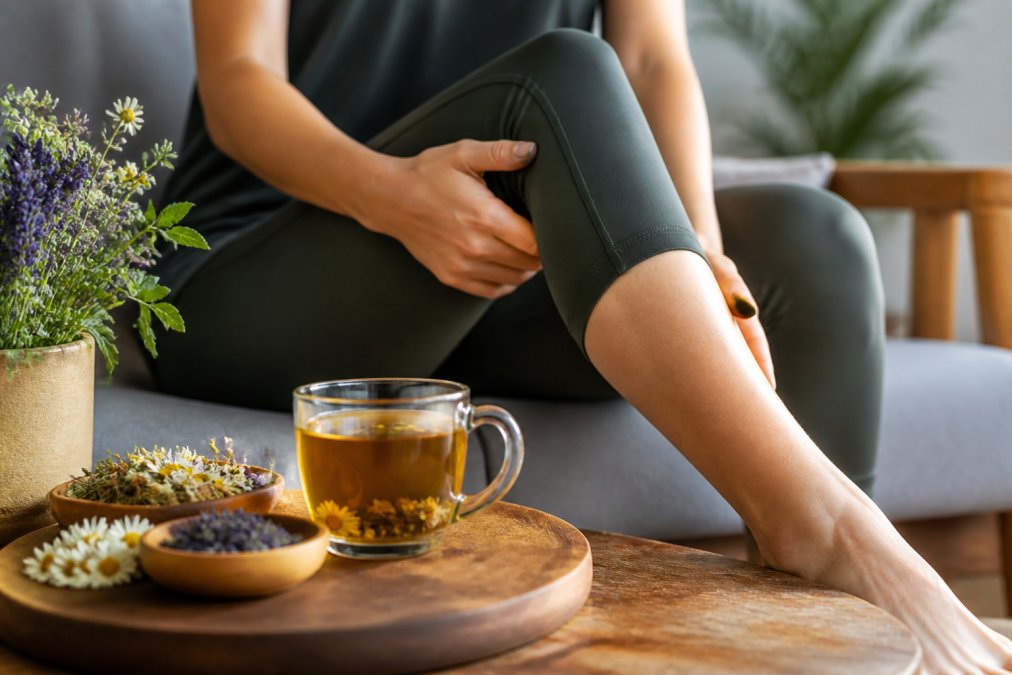
Temperature affects absorption and circulatory benefit. Warm herbal tea (not boiling) increases blood flow to muscles by dilating blood vessels, improving delivery of recovery compounds directly to fatigued tissue. Cold herbal tea hydrates but provides less circulatory support. For maximum recovery benefit, consume your post-workout herbal tea while still warm, allowing the temperature to enhance blood flow while the compounds work to reduce inflammation.
The synergy between hydration and anti-inflammatory compounds is what makes herbal tea superior to water for recovery. You’re not just replacing fluids; you’re delivering active recovery support in a hydrating vehicle that your body absorbs and retains more effectively than plain water.
Timing, Dosage, and Temperature Protocols
The effectiveness of herbal teas for muscle soreness recovery depends heavily on when and how you consume them. Timing your intake around your workout creates the optimal window for anti-inflammatory compounds to reach damaged muscle tissue.
Post-workout window (0-60 minutes): This is when your muscles are most receptive to recovery compounds. Drink your herbal tea within this window to maximize absorption. Your elevated heart rate and active circulation help deliver anti-inflammatory compounds directly to fatigued muscles.
Evening consumption: If you work out in the morning, a second cup of caffeine-free herbal tea in the evening supports overnight repair processes. Muscle protein synthesis, the actual rebuilding of damaged fibers, peaks during sleep, so supporting this process with anti-inflammatory compounds enhances recovery.
Temperature matters: Warm herbal tea (not boiling) increases circulatory support by dilating blood vessels, improving blood flow to muscles. Steep your tea at 160-180°F rather than boiling water to preserve delicate compounds like curcumin, which degrades at higher temperatures.
Dosage: One cup (8 ounces) per day is effective for mild soreness. For intense training or significant DOMS, two cups daily, one post-workout and one in the evening, provides stronger anti-inflammatory support. Don’t exceed three cups daily; more isn’t necessarily better and can cause digestive upset.
The ideal protocol is one cup of anti-inflammatory herbal tea within 60 minutes post-workout, steeped at 160-180°F for 5-7 minutes, consumed while still warm to maximize circulatory benefits.
::: Extending this recovery window into the evening hours allows the body to fully capitalize on herbal tea benefits while transitioning into a restorative state of deep sleep.
Caffeine-Free Options for Evening Recovery
Evening recovery is just as important as immediate post-workout support, but caffeine interferes with sleep, the critical window when your body actually repairs muscle tissue. Caffeine-free herbal teas allow you to support recovery throughout the day without disrupting the sleep that makes recovery possible.
Chamomile is the classic choice here. Celestial Seasonings Chamomile Tea is widely available and affordable, providing gentle muscle relaxation support without any stimulating effects.
Safety Considerations and Drug Interactions
Herbal teas are generally safe, but certain ingredients can interact with medications or create issues for specific populations. Understanding these considerations ensures you use herbal teas for muscle soreness recovery without unintended consequences.
Frequently Asked Questions
What is the best tea for sore muscles?
Turmeric and ginger blends are among the most effective for muscle soreness due to their anti-inflammatory compounds. Ginger contains gingerol, which reduces inflammation, while turmeric provides curcumin for pain relief. White willow bark tea offers salicin, a natural compound similar to aspirin. For best results, choose organic, caffeine-free options and consume within 30 minutes to 2 hours after exercise when muscles are most receptive to recovery support.
How does hydration for muscle recovery work with herbal tea?
Herbal teas provide dual benefits: hydration plus active compounds that support tissue healing. When muscles experience delayed onset muscle soreness (DOMS), increased fluid intake helps flush metabolic waste and reduces inflammation. The polyphenols and antioxidants in herbal teas enhance this process by supporting circulatory function, allowing oxygen and nutrients to reach damaged muscle fibers more efficiently. Aim for 8-16 ounces of herbal tea within 2 hours post-workout.
Are there herbal teas that act as natural muscle relaxants?
Yes. Kava root, chamomile, and rooibos tea have documented muscle relaxation properties. Kava contains kavalactones, which promote relaxation without sedation. Chamomile activates receptors that reduce muscle tension, making it ideal for evening recovery. Rooibos is caffeine-free and rich in antioxidants that support tension relief. These work best when combined with anti-inflammatory herbs like ginger or turmeric for comprehensive recovery support.
What natural ingredients in tea help reduce muscle inflammation?
Key anti-inflammatory compounds include curcumin from turmeric, gingerol from ginger, salicin from white willow bark, and catechins from green tea. Hibiscus and nettle also contain polyphenols that reduce oxidative stress. These bioactive ingredients work by inhibiting inflammatory pathways and supporting the body’s natural repair mechanisms. For maximum efficacy, steep herbal teas at temperatures between 160-180°F for 5-7 minutes to preserve these therapeutic compounds.