Table of Contents
- Quick Comparison: Best CBD for Inflammation in 2026
- CBD vs THC for Pain: What Actually Works
- How to Choose CBD for Inflammation: Key Factors
- CBD Dosage for Inflammation: Finding Your Range
- Top CBD Products for Inflammation in 2026
- CBD Health Collection: Best Overall for Bioavailability
- Lazarus Naturals High-Potency Full-Spectrum CBD Oil: Best Value
- Cornbread Hemp Whole Flower CBD Oil: Best Organic
- Aspen Green Relief Cooling Cream: Best Topical for Joints
- Batch CBD Cream: Best Non-Greasy Topical
- R&R Multifunctional CBD Gummies: Best Edible Option
- PlusCBD Full Spectrum CBD Balm: Best Concentrated Balm
- NuLeaf Naturals Full Spectrum CBD Oil: Best High-Potency Oil
- How We Evaluated These CBD Products
- Which CBD for Inflammation Is Right for You?
- Frequently Asked Questions
Last Updated: September 16, 2026
Quick Comparison: Best CBD for Inflammation in 2026
Finding the best CBD for inflammation in 2026 means matching a delivery method to your discomfort: systemic inflammation responds best to oils and edibles that reach the bloodstream, while a stiff knee or sore shoulder often does better with a topical applied directly. This guide breaks down options by format, potency, and testing transparency. (Source: FDA consumer guidance on cannabis and cannabis-derived products)
Quick Picks:
- Best Overall: CBD Health Collection, water-based formulas built for absorption, backed by independent COA testing
- Best Value: Lazarus Naturals High-Potency Full-Spectrum CBD Oil
- Best Organic: Cornbread Hemp Whole Flower CBD Oil
- Best Topical for Joints: Aspen Green Relief Cooling Cream
| Product | Format | Best For | Starting Price |
|---|---|---|---|
| CBD Health Collection | Oil, gummies, topicals | Overall absorption | See site |
| Lazarus Naturals | Full-spectrum oil | Budget potency | $24.00 |
| Cornbread Hemp | Organic flower oil | Organic sourcing | $49.99 |
| Aspen Green | Cooling cream | Localized joint relief | Contact for pricing |
| Batch CBD | Non-greasy cream | Daily topical use | Contact for pricing |
| R&R Medicinals | Gummies | Convenient dosing | Contact for pricing |
| PlusCBD | Concentrated balm | Long-lasting coverage | Contact for pricing |
| NuLeaf Naturals | High-potency oil | Clean label | $99.00 |
CBD vs THC for Pain: What Actually Works
Cannabidiol is a non-intoxicating hemp compound studied for its interaction with the endocannabinoid system, the receptors involved in pain signaling and immune response. THC binds those receptors directly and produces a high; CBD works more indirectly, without impairment.
That distinction matters for inflammation specifically. Many people want the anti-inflammatory properties associated with cannabinoids without impairment, which is why hemp-derived products with trace THC content dominate this category. The FDA consumer guidance on cannabis and cannabis-derived products is clear that CBD is not an approved treatment for any inflammatory condition, so treat it as a supportive option alongside medical care, not a replacement.
How to Choose CBD for Inflammation: Key Factors
Choosing CBD for inflammation comes down to five checks: delivery format and bioavailability, extraction method, third-party lab testing, cannabinoid profile, and terpene content.
Bioavailability by Delivery Method
Bioavailability is the share of a dose that reaches your bloodstream, the biggest variable separating products.
- Sublingual tinctures: Absorption through mucous membranes bypasses first-pass liver metabolism, making tinctures the most efficient route for systemic inflammation. Onset is typically 15 to 45 minutes.
- Edibles and gummies: CBD passes through the digestive tract and liver before reaching circulation, so more of the dose is metabolized before it works. Onset is slower (1 to 2 hours) and effects last longer.
- Topicals: Applied directly to a joint or muscle, topicals act locally rather than systemically, the right tool for a specific knee or shoulder, not whole-body inflammation.
- Water-based and nano-emulsified formulas: These suspend CBD in a water-soluble carrier rather than oil to improve uptake. Ask for the COA and absorption data before paying a premium.
The takeaway: for systemic inflammation, start with a sublingual tincture. For one angry joint, a topical is faster. For consistent daily dosing, a gummy with a fixed milligram per piece is easiest to titrate.
Terpenes and the Entourage Effect
Full-spectrum extract keeps trace cannabinoids and terpenes intact, and terpenes are not just flavor, several have studied anti-inflammatory activity. Two worth knowing:
- Beta-caryophyllene: A sesquiterpene in black pepper, cloves, and many cannabis cultivars. Unusually, it binds directly to the CB2 receptor, most associated with immune and inflammatory signaling.
- Myrcene: A monoterpene common in hops and mango, cited for sedative and relaxing properties that can matter when inflammation disrupts sleep.
A product that lists its terpene profile on the COA gives you something to evaluate; one that only lists total CBD milligrams tells half the story. This is the entourage effect in practice, and why full- and broad-spectrum products dominate this category.
Extraction Method
CO2 extraction uses pressurized carbon dioxide to pull cannabinoids and terpenes from plant material without chemical solvents, preserving the terpene fraction better than harsh solvent methods. Ethanol extraction is also effective but can strip more terpenes unless carefully controlled. Avoid brands that won’t name their process.
Certificate of Analysis
A real COA comes from an independent lab and lists cannabinoid potency, terpene content where available, and contaminant screening for pesticides, heavy metals, residual solvents, and microbials. If a brand says “lab tested” without a downloadable batch-specific report, keep looking.
Cannabinoid Profile
Full-spectrum extract contains CBD plus trace THC and minor cannabinoids like CBG and CBC. Broad-spectrum removes THC but keeps other cannabinoids and terpenes. Isolate is CBD only. For inflammation, most users gravitate toward full- or broad-spectrum for the entourage effect, but isolate is safer if you face THC testing at work.
A common mistake is buying on milligram count alone. A 5,000mg bottle that your body absorbs poorly can underperform a lower-dose product built for bioavailability. Check the COA, the delivery method, and the terpene profile before the number on the label.
CBD Dosage for Inflammation: Finding Your Range
There is no universal therapeutic dosage for inflammation.
General Starting Ranges
- Starting point: 10mg to 25mg per day, taken once or split into two doses.
- Titration increment: Increase by 5mg every 5 to 7 days if you notice no change.
- Working range: Many users settle between 25mg and 50mg per day for everyday inflammation, with higher amounts reserved for stubborn or chronic cases under a physician’s guidance.
Topicals Work Differently
Topicals are not dosed by milligrams swallowed.
Drug Interactions You Should Not Ignore
The interactions most relevant to an inflammation-focused routine:
- Blood thinners (anticoagulants and antiplatelets): CBD may amplify drugs like warfarin, clopidogrel, or daily aspirin, raising bleeding risk. Talk to your prescriber before starting.
- NSAIDs: Over-the-counter anti-inflammatories like ibuprofen and naproxen are also metabolized through liver pathways, so combining them with high-dose CBD deserves caution and medical sign-off.
- Other prescription medications: Anything with a narrow therapeutic window, certain seizure medications, thyroid drugs, some immunosuppressants, is worth flagging to your doctor before adding CBD.
Side Effects to Watch For
Keep a simple log: date, dose, format, and a one-to-five discomfort rating. After two weeks you’ll have real data instead of a vague sense of whether it helped. This is the single fastest way to find your range, and the record you’ll want when you talk to your doctor.
Top CBD Products for Inflammation in 2026
The products below were selected on testing transparency, format fit, and value.
CBD Health Collection: Best Overall for Bioavailability
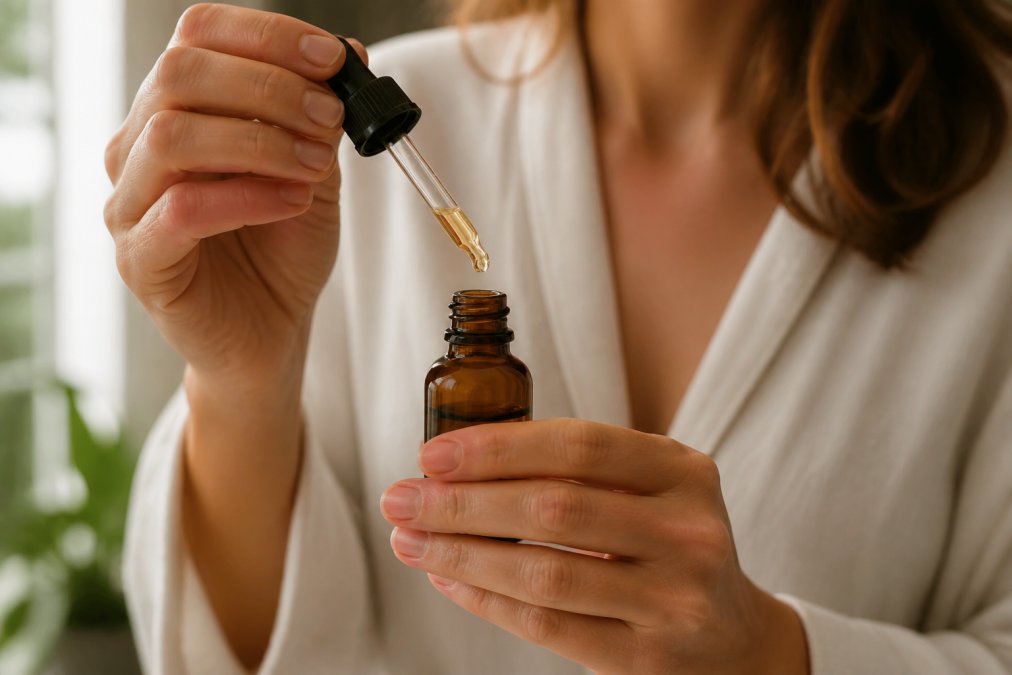
CBD Health Collection earns the top spot because it addresses the problem that undermines most CBD routines: absorption.
Lazarus Naturals High-Potency Full-Spectrum CBD Oil: Best Value
Lazarus Naturals built its reputation on accessible pricing for high-concentration full-spectrum oil.
Cornbread Hemp Whole Flower CBD Oil: Best Organic
Cornbread Hemp extracts from flower only and holds USDA organic certification, which matters if organic sourcing is non-negotiable for you.
Aspen Green Relief Cooling Cream: Best Topical for Joints
For a specific joint that flares after activity, a topical beats an edible on speed.
Batch CBD Cream: Best Non-Greasy Topical
Batch CBD blends its extract with essential oils in a cream that absorbs without the residue most balms leave behind.
R&R Multifunctional CBD Gummies: Best Edible Option
Gummies solve the dosing-consistency problem: each piece carries a set amount, making titration far easier than eyeballing a dropper.
PlusCBD Full Spectrum CBD Balm: Best Concentrated Balm
Pros: Very concentrated; long-lasting.
Cons: Greasy texture.
NuLeaf Naturals Full Spectrum CBD Oil: Best High-Potency Oil
Pros: High concentration; simple formulation.
Cons: Premium price.
How We Evaluated These CBD Products
Each product was scored against four criteria: testing transparency, delivery format fit for inflammation, cannabinoid profile, and value.
Which CBD for Inflammation Is Right for You?
The best CBD for inflammation is the one you’ll actually take consistently, at a dose you’ve verified works for you, from a brand that shows you its lab results. Format and transparency beat label wattage every time.
Frequently Asked Questions
Does CBD actually reduce inflammation?
Research suggests CBD may help manage inflammation by interacting with the endocannabinoid system, which plays a role in immune response and cytokine regulation. Some studies show CBD can reduce inflammatory markers, but clinical evidence is still growing. It’s not a cure, and individual results vary. For chronic conditions, talk to your doctor before using CBD as part of your routine.
What is the most effective way to use CBD for joint inflammation?
For localized joint inflammation, topical application like creams or balms can provide targeted relief. For systemic inflammation, sublingual oils or edibles may be more effective. Bioavailability varies by method: sublingual absorption is higher than edibles, while topicals work locally. Many people combine a daily oil with a topical for flare-ups. Start low and adjust based on your response.
Are there FDA-approved CBD products for inflammation?
The FDA has approved one CBD-based medication for specific seizure disorders, but no CBD product is FDA-approved specifically for inflammation. CBD is regulated as a dietary supplement, not a drug. Always choose products with third-party lab testing and a certificate of analysis to verify purity and THC content. Consult your healthcare provider for medical advice.
How long does it take for CBD to work on inflammation?
Onset depends on the delivery method. Topicals may provide relief within 15-30 minutes for localized areas. Sublingual oils typically take 15-60 minutes, while edibles can take 1-2 hours. Consistent daily use over several days to weeks may be needed for systemic effects. Track your symptoms to find what works for you.
Is broad-spectrum CBD better for inflammation than isolate?
Broad-spectrum CBD contains multiple cannabinoids and terpenes, which may create an entourage effect that enhances anti-inflammatory properties compared to isolated CBD. However, isolate offers pure CBD without THC, which some prefer. For inflammation, many experts suggest full-spectrum or broad-spectrum products for their potential synergy. Choose based on your sensitivity to THC and desired effects.