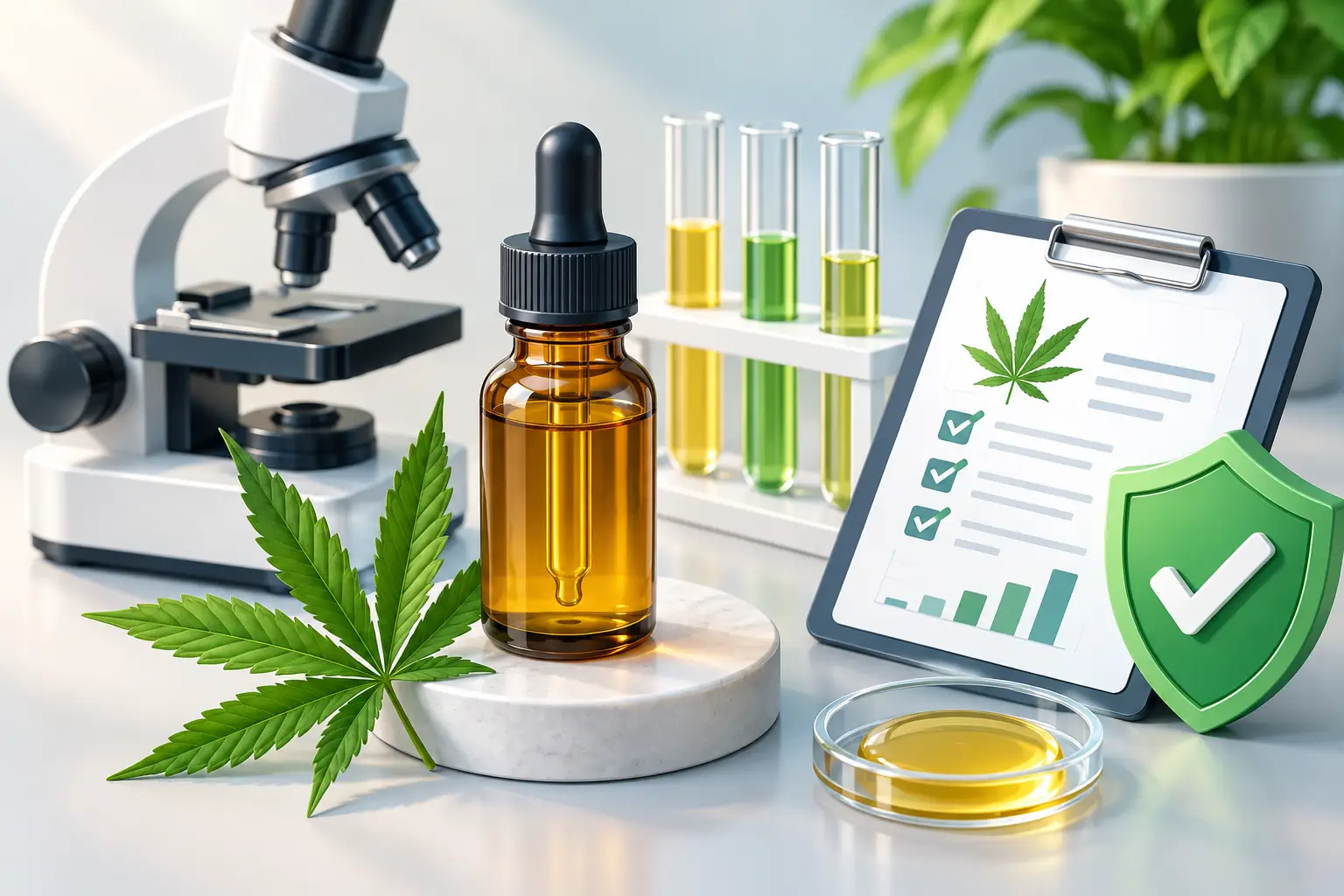
A CBD label can make a lot of promises. It may say pure, THC-free, premium, or high potency. Independent lab tested CBD gives you a way to look past those claims and see what is actually in the bottle, gummy, topical, or pet product you are considering.
For people using CBD for everyday discomfort, occasional stress, sleep routines, or pet wellness, that proof matters. You deserve to know whether a product contains the amount of CBD listed on its label, whether THC is detectable, and whether it has been screened for unwanted contaminants. A current, batch-specific laboratory report can answer those questions with far more confidence than marketing language alone.
What Independent Lab Tested CBD Means
Independent lab tested CBD has been evaluated by a laboratory that is separate from the company making or selling the product. The lab analyzes a sample and reports its findings in a document commonly called a certificate of analysis, or COA.
Independence is the key word. A manufacturer may perform internal quality checks, and those can be useful during production. But third-party testing adds another level of accountability because the laboratory has no reason to adjust results to suit a product claim. The report should reflect the sample tested, not simply repeat what the brand intended to make.
A reliable COA usually identifies the lab, lists the product or batch number, includes the date of testing, and shows results for specific analyses. The report should be easy to request or locate. If a company cannot provide one, provides only a generic report with no batch connection, or shares a report that is years old, treat that as a reason to pause.
What to Look for on a CBD Lab Report
Lab reports can look technical at first, but you do not need a chemistry degree to use them. Start by matching the batch or lot number on the COA to the number on your product package. This is what connects the results to the item in your hands.
Then review the cannabinoid profile. For a THC-free product, the report should show no detectable THC according to the laboratory’s testing method and reporting limits. You may see terms such as ND, meaning not detected, or a result below the lab’s limit of quantitation. These details are useful because “THC-free” should be supported by measured results, not left as a vague label statement.
Next, compare the CBD result with the label. Small variation can happen in natural hemp products and between testing methods, but the measured amount should reasonably support the advertised potency. If a 1,000 mg CBD oil repeatedly tests far below that amount, the product may not deliver the value or consistency you expect.
The most useful reports also include contaminant screening. Depending on the product and the lab’s panel, look for testing related to:
- Heavy metals, such as lead, arsenic, cadmium, and mercury
- Pesticides that may be introduced during hemp cultivation
- Residual solvents that can remain after certain extraction methods
- Microbial contaminants, including yeast, mold, and harmful bacteria
A pass or not-detected result is reassuring, but read the panel title and test status. Some reports test only cannabinoid potency. That is better than no testing, yet it does not verify purity across the full range of possible contaminants.
Why Extraction and Ingredients Still Matter
A clean COA is central, but it is one part of a sound quality process. How hemp is cultivated, extracted, and formulated also affects what goes into the finished product. Organic cultivation practices can help reduce exposure to unnecessary agricultural chemicals. CO2 extraction is widely used because it can efficiently draw desired hemp compounds without relying on harsh chemical solvents.
For topical products, gummies, oils, and pet formulas, read the entire ingredient list as well. CBD should fit into a formula designed for its intended use, whether that means a simple oil, a carefully measured gummy, or a soothing topical base. If you have allergies, dietary restrictions, or a pet with ingredient sensitivities, the non-CBD ingredients deserve the same attention as the cannabinoid content.
THC-Free Does Not Mean You Should Skip Verification
Many shoppers choose THC-free CBD because they want non-intoxicating wellness support and want to avoid THC exposure. That is a practical preference for parents, professionals, service members, athletes, older adults, and anyone who does not want the effects associated with THC.
Still, wording alone is not enough. Hemp products can vary, and broad claims do not tell you how a particular batch tested. Independent laboratory results provide a clearer basis for choosing a product with no detectable THC.
There is a useful distinction here. A lab report showing no detectable THC means the laboratory did not detect THC above its stated measurement threshold in that sample. It does not mean every possible future batch has automatically been tested. This is why brands should test consistently and make current batch records available, rather than treating one old report as permanent proof.
If drug testing is a major concern for your employment, military status, sport, or personal circumstances, speak with your employer or program administrator about its policies. No CBD product can promise an outcome on a drug test, and transparency is more helpful than guarantees.
How Testing Helps You Shop With More Confidence
Independent testing turns CBD shopping from a leap of faith into a more informed decision. It can help you compare products that appear similar but are not equivalent in potency, THC status, or contaminant screening.
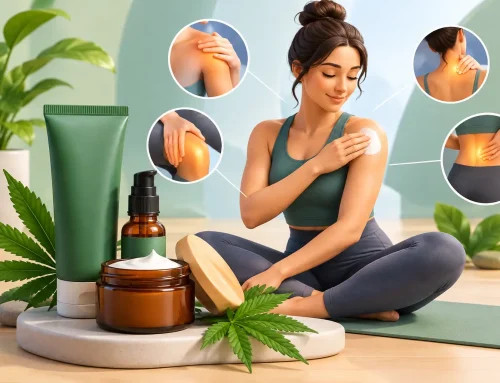
It also helps you choose the right format for your routine. Someone seeking targeted support for an area of occasional discomfort may prefer a topical CBD cream or salve. A person building an evening routine may choose a measured gummy or oil. Pet owners should select formulas made for animals and use serving guidance suited to a pet’s size and needs. In each case, the COA helps confirm that the CBD content behind the serving information is supported by actual testing.
Testing cannot tell you exactly how CBD will feel for you. Individual responses vary based on the product format, serving size, body chemistry, health conditions, and medications. Start with the recommended serving, give your routine time to become consistent, and adjust only within the product guidance. If you take prescription medication, are pregnant or nursing, or have a health condition, consult a qualified healthcare professional before using CBD.
Questions Worth Asking Before You Buy
A trustworthy CBD company should be ready to answer straightforward questions. Can you see a current COA for the specific product? Does the report verify CBD potency and no detectable THC? Does it include contaminant testing? Is the product made from carefully sourced hemp and processed without unnecessary chemicals?
Pay attention to how clearly those answers are presented. Quality brands do not make you hunt through confusing pages, rely on screenshots without context, or accept unsupported claims. They explain their process in plain language because informed customers are better able to choose a product that fits their needs.
At CBD Health Collection, that standard supports a focused approach to THC-free CBD: clean formulas, transparent testing, and practical options for daily wellness, targeted comfort, sleep support, stress management, and pet care.
The right product is not necessarily the one with the loudest label or the highest number on the front of the package. It is the one that gives you clear information, matches your goals, and earns a place in your routine through quality you can verify.