Table of Contents
- Harbor Hemp Alternatives: Quick Comparison
- 1. CBD Health Collection: Premium US-Made Full Spectrum
- 2. Lazarus Naturals: Affordable Organic CBD with Assistance Programs
- 3. CBDistillery: Certified Full Spectrum, Broad Spectrum, and Isolate
- 4. NuLeaf Naturals: Pure Organic CO2 Extraction
- 5. Cornbread Hemp: USDA Organic Whole Flower Extract
- 6. Medterra: THC-Free Broad Spectrum at Accessible Prices
- 7. CBDfx: Gummies and Edibles with Transparent Testing
Last Updated: August 8, 2026
Harbor Hemp Alternatives: Quick Comparison
Finding the right CBD brand requires evaluating which companies deliver consistent results, transparent testing, and genuine value. The cannabidiol market has exploded with options, each claiming premium quality and lab-tested purity.
This guide from CBD Health Collection breaks down nine leading CBD brands side by side, showing you exactly what separates quality from marketing hype. We’ve focused on companies committed to third-party lab testing, organically sourced hemp, and honest pricing, the fundamentals that matter when buying CBD for chronic pain, sleep, or stress relief.
The brands below represent different approaches to the same goal: delivering cannabidiol products you can trust. Some emphasize affordability, others prioritize USDA organic certification or whole-flower extraction. Understanding these differences is how you find the right fit for your needs.
| Brand | Product Focus | Key Advantage | Best For |
|---|---|---|---|
| CBD Health Collection | Full range: oils, gummies, topicals, pet products | Water-soluble bioavailability, GMP-registered facility | Premium quality seekers, pets |
| Lazarus Naturals | Tinctures, full-spectrum | Affordability with assistance programs | Budget-conscious buyers |
| CBDistillery | Oils, full/broad/isolate spectrum | Wide potency range, U.S. Hemp Authority certified | Beginners and experienced users |
| NuLeaf Naturals | Pure full-spectrum oils | CO2 extraction, minimal ingredients | Purity-focused customers |
| Cornbread Hemp | Whole flower extract oils | USDA organic certification | Entourage effect seekers |
| Medterra | Broad-spectrum oils, THC-free | Zero THC, organic ingredients | Those avoiding any THC |
| CBDfx | Gummies, edibles, broad/full-spectrum | Transparent lab reports, variety | Edible format preference |
| R&R CBD | Full-spectrum gummies | USDA organic, high-strength | Organic gummy users |
| Extract Labs | CBD isolate oil | 99% pure isolate, THC-free | Drug-tested professionals |
The best CBD brand for you depends on three factors: product format (oil, gummies, topical), spectrum type (full, broad, or isolate), and your tolerance for THC. Most people find their answer within these nine options.
1. CBD Health Collection: Premium US-Made Full Spectrum
CBD Health Collection combines pharmaceutical-grade rigor with accessibility. Founded by Rick Bauer, a pharmaceutical industry veteran, the company brings science-backed formulation to every product. Oils, gummies, topical freeze gels, pain patches, and sleep formulations are derived from organically grown, USA-sourced hemp and extracted using clean CO2 methods.
The key differentiator is bioavailability. CBD Health Collection uses water-soluble CBD formulations, meaning your body absorbs cannabinoids more effectively than with traditional oil-based products. Combined with independent third-party lab testing and a GMP- and FDA-registered manufacturing facility, you’re getting clinical-grade quality at consumer prices.
The company backs every purchase with a 30-day satisfaction guarantee and free shipping nationwide. Pricing depends on product type and potency, check cbdhealthcollection.com for current options.
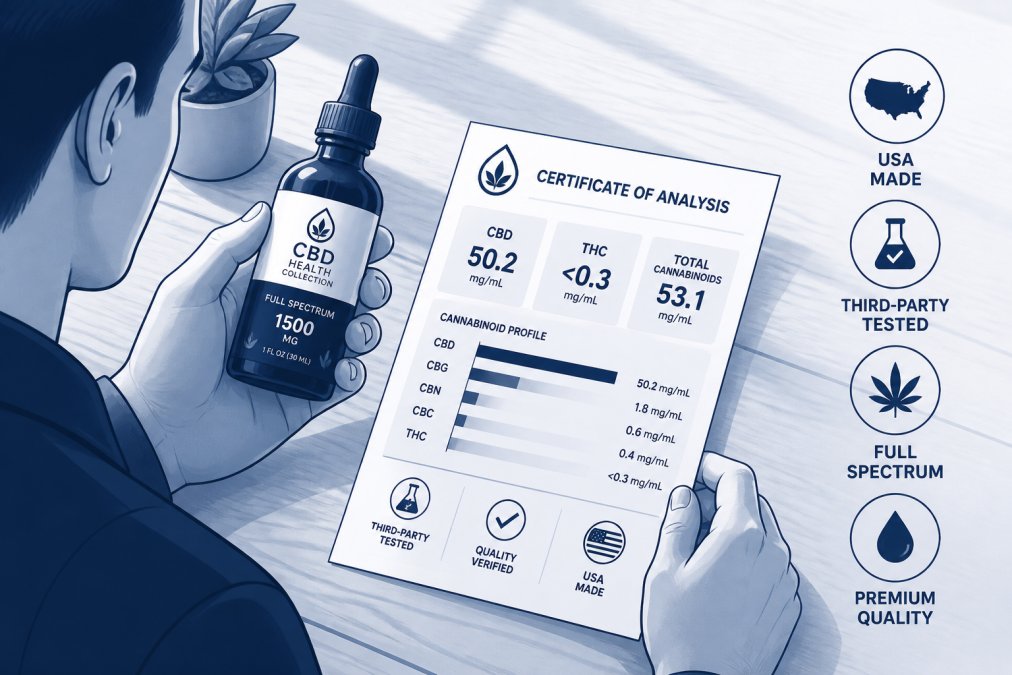
If you’ve tried CBD before and felt “nothing,” water-soluble formulations are worth testing. The difference in absorption speed is often noticeable within the first dose.
2. Lazarus Naturals: Affordable Organic CBD with Assistance Programs
Lazarus Naturals proves that premium quality doesn’t require premium pricing. The company sources USDA-certified organic hemp and offers tinctures in full-spectrum, broad-spectrum, and isolate options with standard third-party lab testing.
The real differentiator is the assistance program. Veterans, low-income individuals, and people with long-term disabilities get 60% off their first order and ongoing discounts. For someone on a fixed income managing chronic pain, this is the difference between affording consistent relief and rationing doses.
Lazarus Naturals is vertically integrated, controlling the process from seed to sale, which reduces costs without cutting corners on testing or extraction quality. A 750mg tincture typically runs under $30, making this one of the most accessible entry points for testing whether CBD works for your condition.
Full-spectrum products contain trace THC, usually under 0.3%, but enough to [potentially show up on a workplace drug test](/can-cbd-fail-drug-test/) if you take high doses regularly. Ask about broad-spectrum or isolate options if drug testing is a concern.
3. CBDistillery: Certified Full Spectrum, Broad Spectrum, and Isolate
CBDistillery offers the broadest range of spectrum options and potencies. Whether you want full-spectrum for the entourage effect, broad-spectrum to avoid THC entirely, or isolate for maximum purity, they have it. All products are made from non-GMO, US-grown hemp using natural farming practices.
The company holds U.S. Hemp Authority certification, meaning independent auditors verified their compliance with industry standards for cultivation, extraction, testing, and labeling. A 500mg full-spectrum oil typically costs around $30, with subscription discounts available. Third-party lab testing is transparent, with detailed reports available for every batch.
4. NuLeaf Naturals: Pure Organic CO2 Extraction
NuLeaf Naturals focuses on simplicity: full-spectrum CBD oils made from organic hemp grown in the USA, extracted using CO2 methods, and third-party lab tested. No gummies, no topicals, just pure, focused CBD.
This narrow focus is their strength. By doing one thing exceptionally well, they’ve built a reputation for purity and consistency. CO2 extraction is the gold standard because it preserves cannabinoids and terpenes without harsh solvents. A 300mg full-spectrum oil typically costs around $29, with subscription discounts available. For users prioritizing minimal ingredients and maximum purity, NuLeaf Naturals is a strong choice.
5. Cornbread Hemp: USDA Organic Whole Flower Extract
Cornbread Hemp holds one of the rarest certifications in the CBD industry: USDA organic. This is federal certification that hemp meets strict standards for pesticide use, soil quality, and processing methods. The company grows Kentucky hemp and extracts using whole flower methods, giving you the complete cannabinoid and terpene profile.
Whole flower extraction includes minor cannabinoids and terpenes that work together, what researchers call the "entourage effect." Many users report stronger effects from whole flower products compared to isolate or broad-spectrum options. A 300mg whole flower oil typically costs around $35. Cornbread Hemp offers discounts for veterans and other eligible groups.
People who want the most complete cannabinoid profile and don’t mind the hemp taste. The USDA organic certification is meaningful if you prioritize organic sourcing above all else.
6. Medterra: THC-Free Broad Spectrum at Accessible Prices
Medterra offers broad-spectrum CBD with zero THC. For people subject to drug testing or who prefer to avoid any THC, this is the right choice. Products are organic, non-GMO, gluten-free, and vegan-friendly. A 1000mg broad-spectrum oil typically costs around $60, with subscription options available.
The limitation of broad-spectrum is the missing entourage effect. Without full-spectrum cannabinoids and terpenes, some users report slightly less effectiveness compared to full-spectrum products. Medterra’s strength is accessibility for people who need CBD but can’t risk any THC showing up on a test.
7. CBDfx: Gummies and Edibles with Transparent Testing
CBDfx specializes in edibles, particularly gummies, with both broad-spectrum and full-spectrum options in various potencies (25mg, 50mg, 100mg per gummy). Gummies use natural ingredients, no corn syrup, and no artificial sweeteners. A 60-count bottle of 25mg broad-spectrum gummies typically costs around $55.
Gummies are convenient for people who dislike the taste of oil or want precise, pre-measured doses. Third-party lab testing is detailed and transparent.
How to Read a CBD Certificate of Analysis
A certificate of analysis (COA) is your proof that a CBD product actually contains what the label claims. It’s a third-party lab report showing potency, purity, and safety testing results. Understanding how to read one takes 90 seconds and eliminates most guesswork.
The COA should list:
- Total cannabinoids: The combined amount of CBD, THC, and other cannabinoids in the product
- CBD potency: The exact milligrams of CBD per serving
- THC content: Should be under 0.3% for federally compliant hemp-derived products
- Contaminants tested: Heavy metals, pesticides, microbial contaminants, mold
- Test date and lab name: Recent testing from an accredited third-party lab
Any reputable brand makes the COA easily accessible. Look for labs accredited by organizations like the International Organization for Standardization (ISO) or state-recognized testing facilities.
If a brand claims “lab tested” but won’t show you the actual COA, assume the testing either didn’t happen or the results were unfavorable. Transparency here is non-negotiable.
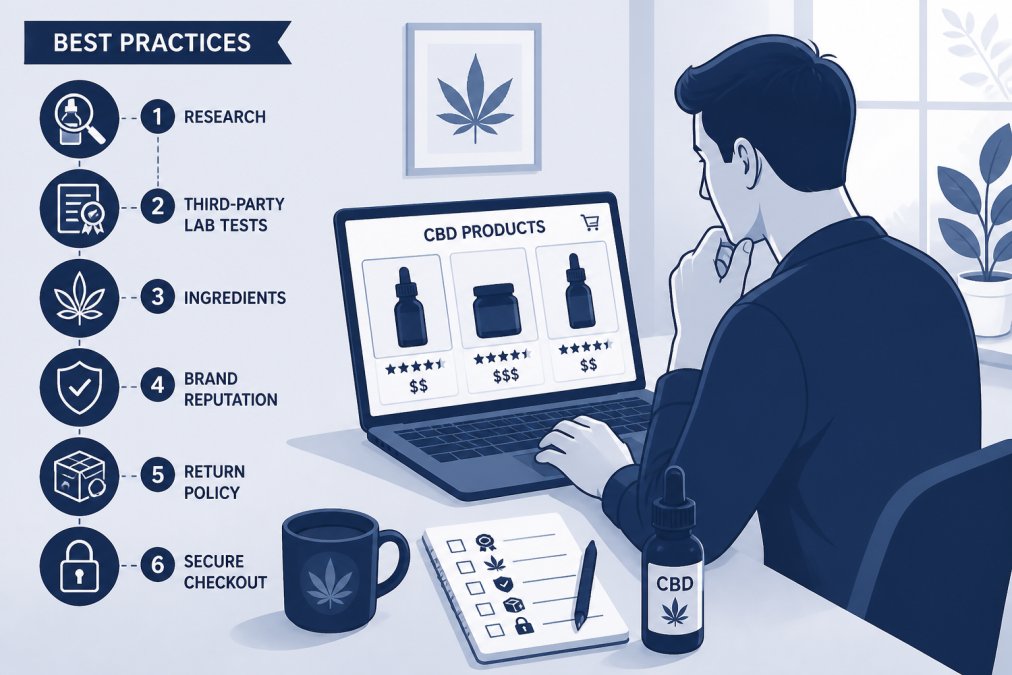
Best Practices for Buying CBD Online
Verify third-party testing first. Check whether the brand provides COAs. If they don’t, move on. This single step eliminates most problematic brands.
Check the extraction method. CO2 extraction is the gold standard, clean, efficient, and preserves cannabinoids without harsh solvents. Avoid brands that don’t specify their extraction method or use hydrocarbon solvents.
Understand spectrum types. Full-spectrum contains all cannabinoids including trace THC. Broad-spectrum removes THC but keeps other cannabinoids. Isolate is pure CBD only. Your choice depends on whether you want the entourage effect, need to avoid THC, or prefer maximum purity.
Look for organic sourcing. Hemp is a bioaccumulator, absorbing contaminants from soil. Organically grown hemp reduces this risk. USDA organic certification is rare in CBD but worth seeking.
Check company transparency. Do they disclose their manufacturing location? Is it GMP-certified or FDA-registered? Do they offer a satisfaction guarantee? These details separate companies confident in their products from those cutting corners.
Read recent customer reviews. Look for specific feedback about effectiveness, taste, and customer service. Detailed accounts are more trustworthy than generic five-star reviews.
Compare pricing reasonably. If one brand costs half the price of others with similar specs, ask why. Mid-range pricing with transparent testing usually indicates honest value.
According to FDA guidance on hemp-derived products, manufacturers must ensure products comply with federal regulations for CBD content and contaminant limits.
Avoid brands making disease claims. If a company says their CBD “cures” arthritis, anxiety, or cancer, they’re violating federal law. Legitimate brands say their products “support” wellness or “promote” relaxation.
Is CBD Legal in All 50 States?
According to DEA guidance on hemp and hemp-derived cannabidiol, hemp-derived CBD products containing no more than 0.3% THC are federally legal under the 2018 Farm Bill. However, state laws vary.
Most states allow hemp-derived CBD products that meet federal standards. Some have additional restrictions or require specific licensing. Before ordering CBD online, check your state’s specific regulations. The brands listed above ship nationwide to states where hemp-derived CBD is legal, but responsibility for compliance falls on the buyer.
The distinction between hemp-derived and cannabis-derived CBD matters legally. Hemp-derived CBD (from plants with under 0.3% THC) is federally compliant. Cannabis-derived CBD remains federally illegal in most circumstances.
Choosing the right harbor hemp alternative comes down to matching your priorities with the brand’s strengths. If you want pharmaceutical-grade quality with optimized absorption, CBD Health Collection delivers that through water-soluble formulations and GMP manufacturing. If affordability and assistance programs matter most, Lazarus Naturals is hard to beat. For variety across spectrum types, CBDistillery gives you options.
Start with the quick comparison table above, then dive into the specific brand that aligns with your needs. Most offer satisfaction guarantees, so you can test whether a product works for your situation without financial risk. The key is starting with a brand that’s transparent about testing, sourcing, and manufacturing.
Frequently Asked Questions
How do I verify the quality of a CBD brand?
Start by checking for third-party lab testing and requesting the certificate of analysis (COA). Look for brands that test for cannabinoid potency, residual solvents, pesticides, and heavy metals. Verify the brand uses CO2 extraction or other clean methods, sources hemp from the USA, and operates in a GMP-certified facility. Reputable brands make lab reports easily accessible on their website and stand behind their products with satisfaction guarantees.
What should I look for in a Harbor Hemp Company alternative?
Seek alternatives that offer independently verified lab testing, transparent sourcing of USA-grown hemp, and clean extraction methods like CO2. Compare the spectrum type (full-spectrum, broad-spectrum, or isolate) based on your needs. Check for product variety, oils, gummies, topicals, and pet products. Consider whether the brand offers a satisfaction guarantee, free shipping, and accessible customer support. Read customer testimonials, especially from users with similar wellness goals to yours.
Is CBD legal in all 50 states?
CBD derived from hemp is legal federally under the 2018 Farm Bill, which legalized hemp-derived products containing less than 0.3% THC. However, individual states have different regulations. Most states allow hemp-derived CBD, but some have stricter rules or additional requirements. Always check your state's current laws before purchasing. If you're subject to drug testing, choose broad-spectrum or isolate products to avoid trace THC. For the most current information, consult your state's agriculture or health department.
What's the difference between full-spectrum, broad-spectrum, and isolate CBD?
Full-spectrum contains all cannabinoids and terpenes from hemp, including trace amounts of THC (under 0.3%), which many believe enhances effectiveness through the entourage effect. Broad-spectrum includes multiple cannabinoids and terpenes but has THC removed, offering benefits without any THC. Isolate is 99% pure CBD with no other cannabinoids or terpenes. Choose full-spectrum for maximum cannabinoid benefits, broad-spectrum if you want to avoid THC entirely but prefer multiple compounds, or isolate if you need THC-free assurance for drug testing or personal preference.
This article was written using GrandRanker