A THC-free CBD review should answer a practical question before anything else: can this product fit into your routine without adding THC exposure or unnecessary uncertainty? For many adults, that matters as much as the intended benefit. They may be managing daily soreness, working toward more restful nights, looking for a calmer response to stress, or choosing gentle support for a pet. The right product should make those goals feel clearer, not more complicated.
THC-free CBD is designed for people who want cannabidiol without the intoxicating effects associated with THC. Still, not every product that uses the words “THC-free” offers the same level of transparency. A useful review looks past front-label promises and considers the formula, testing, delivery method, dosage information, and the standards behind the product.
What “THC-Free” Should Mean
A THC-free product should be supported by an independent laboratory report showing no detectable THC at the lab’s tested limit. This is different from a product simply described as hemp-derived or low-THC. Under federal hemp rules, hemp may contain no more than 0.3% delta-9 THC by dry weight, but “legal hemp” and “THC-free” are not interchangeable descriptions.
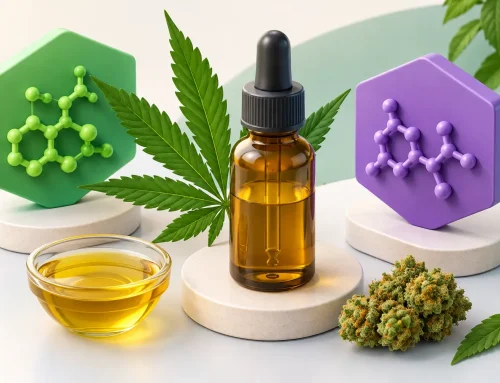
For consumers who prefer to avoid THC altogether, clarity matters. Full-spectrum CBD naturally contains a range of hemp compounds and may include trace THC. Broad-spectrum formulas are commonly made without THC, although quality varies by brand and process. CBD isolate contains CBD without other hemp cannabinoids. Any of these categories can have a place, but a THC-free shopper should look for a current, product-specific certificate of analysis rather than rely on a category name alone.
This distinction is especially relevant for active-duty service members, veterans in regulated roles, athletes, and anyone subject to employer drug testing. No CBD company can guarantee the outcome of a drug test, since testing protocols, individual metabolism, and product quality vary. Choosing a product verified to have no detectable THC is a more responsible starting point than choosing a formula that merely meets the legal hemp threshold.
THC-Free CBD Review: The Quality Checks That Matter
The best way to evaluate THC-free CBD is to follow the evidence. A clean-looking package and a high milligram number do not tell the whole story. Quality is easier to assess when a brand clearly explains what is in the bottle, how the hemp was processed, and what an independent lab found.
Start with independent lab testing
A certificate of analysis should match the product you are considering, ideally by batch or lot number. It should confirm CBD content and show no detectable THC. Comprehensive testing should also screen for contaminants that do not belong in a wellness product, including heavy metals, pesticides, residual solvents, and microbial impurities.
Independent testing is more than a marketing detail. CBD is measured in milligrams, and the actual amount should reasonably align with the label. If a report is difficult to locate, outdated, incomplete, or unrelated to the item being sold, that is a reason to pause.
Consider cultivation and extraction
Hemp is a bioaccumulator, meaning it can absorb substances from the soil where it grows. Organic cultivation and chemical-conscious farming practices can therefore be meaningful quality signals. They are not a substitute for lab testing, but they provide useful context.
CO2 extraction is another standard worth understanding. It is widely used because it can extract cannabinoid-rich hemp material without leaving behind harsh solvent residues when performed correctly. A brand should be willing to explain its extraction approach and ingredient standards in plain language.
Read the full ingredient panel
The CBD source is only part of the formula. Oils, gummies, salves, and pet products may also include carrier oils, flavoring, sweeteners, botanicals, or functional ingredients. A shorter ingredient list is not automatically better, but every ingredient should have a clear purpose.
For a topical, look for a formula that feels appropriate for repeated use and avoids ingredients that commonly irritate your skin. For gummies, consider sugar content and serving size. For oils, check the carrier oil if you have sensitivities. Pet products deserve the same attention, with formulations made specifically for animals and without ingredients that may be unsuitable for them.
Match the Product to the Need
THC-free CBD is not one-size-fits-all. A product’s format affects where it fits into a day, how quickly you may notice it, and how easy it is to use consistently.
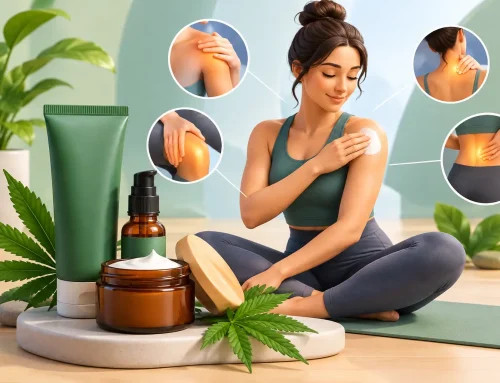
Topicals are often a practical choice for targeted areas such as a stiff knee, post-workout muscles, hands, shoulders, or lower back. They are applied directly to the skin and can be especially convenient when the goal is localized comfort rather than a whole-body routine. A salve, cream, or roll-on may differ in texture and application, so personal preference matters.
CBD oils and gummies are commonly used for broader everyday wellness goals, including stress support, relaxation, and bedtime routines. Oils allow more flexibility when adjusting a serving, while gummies offer a familiar, pre-measured option. Results may feel different from person to person, and edible products generally require more patience than a topical application.
Water-based CBD formulas are another consideration. Because CBD is naturally oil-soluble, water-compatible delivery formats are designed to improve dispersion and may support bioavailability. That does not mean every person will experience the same effect at the same serving size, but it is a meaningful formulation detail for shoppers comparing products.
For pets, simplicity and careful dosing should come first. A pet-specific CBD oil can make it easier to tailor use to an animal’s size and routine. Before introducing CBD, especially for an older pet or one taking medication, speak with a veterinarian who understands your pet’s health history.
Set Realistic Expectations Before You Buy
CBD is a wellness tool, not an overnight fix. Some people notice a difference quickly, while others need a period of consistent use to determine whether a product suits their routine. Starting with the labeled serving, tracking your experience, and changing only one variable at a time can make the process more useful.
It also helps to define what “working” means. For discomfort, that may mean feeling more comfortable during an afternoon walk or after gardening. For sleep support, it may mean a calmer wind-down routine rather than an instant cure for insomnia. For stress, it may be a greater sense of ease during predictable daily pressure. Specific expectations make it easier to evaluate a product fairly.
CBD should not replace medical care for persistent, severe, or unexplained symptoms. Anyone who is pregnant, nursing, managing a medical condition, or taking prescription medications should check with a qualified healthcare professional before using CBD. This is particularly important because CBD may affect how the body processes certain medications.
Common Reasons a THC-Free CBD Product Falls Short
A product can be THC-free and still be a poor fit. The most common issue is buying based on a broad promise instead of a clear need. A high-potency oil may not be the best starting point for someone who wants a topical for a specific area, and a sweet gummy may not suit a shopper monitoring sugar intake.
Another issue is inconsistency. Taking an oil only occasionally and expecting a predictable daily result can lead to frustration. So can switching brands or serving sizes too quickly. Give a well-made product a reasonable trial period, follow its directions, and pay attention to how it fits with your overall habits.
Finally, avoid confusing stronger with better. The right CBD serving is the one that supports your goal comfortably and consistently. More milligrams are not automatically more effective, and quality, absorption, and product format all influence the experience.
A Confident, Clearer Way to Choose
A trustworthy THC-free CBD product should make verification easy: no detectable THC on third-party testing, clearly stated CBD content, clean ingredients, and guidance that matches the use case. CBD Health Collection centers its approach on these practical standards, with THC-free options for everyday comfort, sleep, stress, wellness, and pet care.
The most helpful next step is to choose one goal, one product format, and one simple routine. When purity is documented and expectations are realistic, THC-free CBD can become a thoughtful part of caring for your body, your daily balance, or a beloved pet.