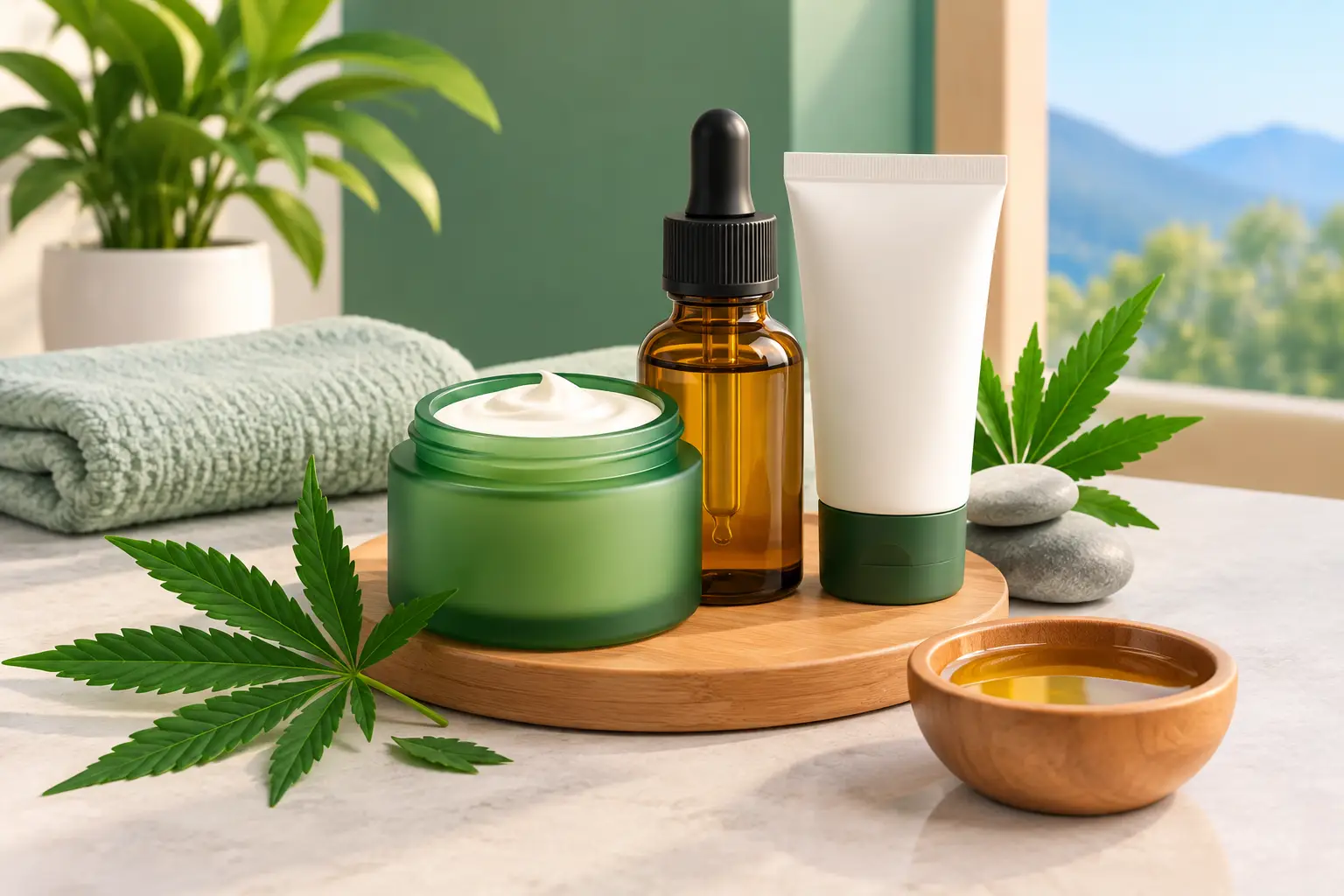
A CBD cream can look reassuring on a shelf and still leave you with unanswered questions. Is the CBD amount meaningful? Does the formula contain THC? Can you verify what is actually in the jar? This CBD topical review explains how to look past front-label claims and choose a topical that fits an everyday wellness routine with greater confidence.
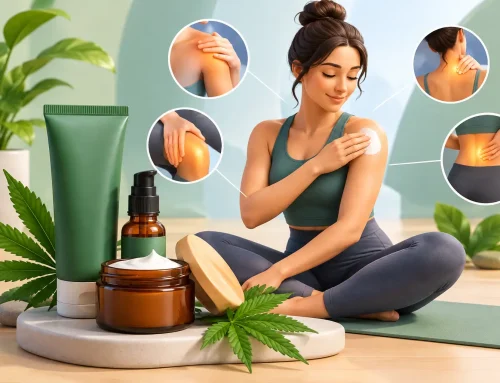
CBD topicals are designed for use on specific areas of the body, such as hardworking knees, shoulders, hands, feet, or post-workout muscles. They come in several formats, including creams, lotions, salves, balms, gels, and roll-ons. The best choice is not always the strongest-looking one. It is the product with a clear formula, dependable testing, and an application experience you will actually use consistently.
What a CBD Topical Review Should Evaluate
A useful review begins with more than a star rating or a claim that a cream “worked.” Bodies, routines, and expectations differ. Someone looking for comfort after gardening may want a fast-absorbing lotion, while someone managing dry, overworked hands may prefer the richer feel and staying power of a salve.
The first question is whether the product is truly a topical. A topical is applied to the skin for localized use. It is different from CBD oil taken under the tongue or gummies taken by mouth. That distinction matters because the format, suggested use, ingredient list, and expected experience are all different.
Next, consider whether the brand makes it easy to understand what you are buying. A trustworthy product page or label should identify the CBD amount, the container size, the ingredient list, and the recommended use. Vague phrases such as “premium hemp blend” are not a substitute for specifics.
CBD Topical Review: Start With the Formula
The CBD source and the supporting ingredients both deserve attention. CBD is only one part of a topical formula. The base determines how the product feels on skin, whether it spreads easily, and whether it fits your preferences around fragrance, oils, or botanical ingredients.
Many people prefer formulas made with clean, recognizable ingredients and without unnecessary chemicals. If you have sensitive skin, a short ingredient list can make it easier to identify potential irritants. Fragrance, essential oils, menthol, camphor, and warming ingredients can create a noticeable sensation, but they are not right for every user. A cooling gel may feel welcome after exercise, while a fragrance-free cream may be the better fit for daily use on sensitive areas.
CBD Amount Is Not the Whole Story
CBD topical labels commonly state a total amount of CBD in milligrams. That number is useful, but it needs context. A 1,000 mg jar may sound more concentrated than a 500 mg tube, yet container size and how much product you apply affect the real comparison.
Look for the total CBD amount alongside the net weight or volume. A clear brand will also explain suggested application so you can use the product as intended. More CBD is not automatically better for every person or situation. Starting with a well-made formula and observing how your skin responds is often more practical than choosing solely by the largest number on the label.
Why THC-Free Claims Need Proof
For many shoppers, especially working professionals, service members, caregivers, and people who want to avoid THC exposure, a THC-free formula is a priority. The label should be direct about this point, not evasive.
Look for independent lab results that show no detectable THC in the finished product. Hemp-derived CBD products can vary widely, and a claim on packaging is not the same as verification. Transparent testing provides reassurance that the formula aligns with what the brand promises.
At CBD Health Collection, product standards emphasize THC-free CBD, independent testing, organic cultivation, CO2 extraction, and chemical-free processing. Those details matter because quality is built into sourcing and manufacturing, not added as an afterthought in marketing copy.
Lab Testing Is the Receipt, Not a Bonus
A certificate of analysis, often called a COA, is one of the clearest ways to assess a CBD topical. It should come from an independent laboratory and correspond to the product or batch you are considering. A report that is years old, incomplete, or difficult to locate is less helpful than a current result tied to the product in hand.
When reviewing a COA, check that the CBD result reasonably matches the label claim. You also want confirmation of no detectable THC if that is the stated standard. Comprehensive testing may also screen for concerns such as pesticides, heavy metals, residual solvents, and microbial contaminants.
Lab reports can look technical, but the basic takeaway should not be confusing. A customer-focused brand should make testing understandable and available without making you chase down answers. Transparency is a service standard, particularly when you are applying a product to your skin day after day.
Application Matters More Than Most Labels Suggest
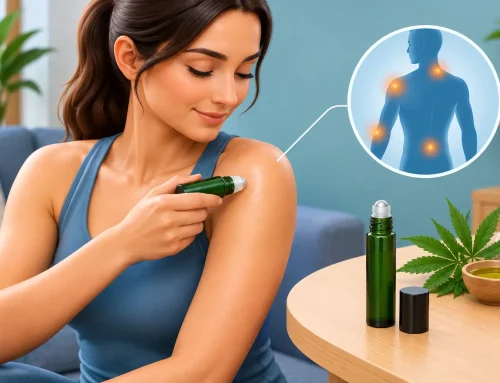
A high-quality topical cannot help if it stays unused in a drawer. Consider how the product fits into your habits. A pump lotion may be convenient by the bathroom sink. A compact balm can be practical in a gym bag or desk drawer. A roll-on may help you apply product neatly to a smaller area.
Apply only to clean, intact skin and follow the label directions. Take a moment to massage the topical in rather than applying it hurriedly. Massage alone can be a useful part of a personal comfort routine, and it also helps distribute the formula evenly across the intended area.
If you are trying a product for the first time, perform a patch test on a small area of skin. Stop using it if irritation occurs. Avoid contact with eyes, broken skin, and mucous membranes, and wash your hands after application unless your hands are the area you are treating.
CBD topicals should be viewed as one part of a broader daily wellness approach, not a replacement for medical diagnosis or treatment. Persistent, severe, or unexplained discomfort deserves a conversation with a qualified healthcare professional. This is especially true if you are pregnant, nursing, taking medications, or managing a medical condition.
How to Compare CBD Topicals Without Getting Overwhelmed
When several products seem similar, compare the details that affect safety, value, and usability. A dependable topical should give you clear answers in these areas:
- The total CBD amount and container size are plainly stated.
- The product is verified by independent, current lab testing.
- THC status is clearly disclosed, with no detectable THC supported by results when promised.
- The full ingredient list is available, including fragrances, botanicals, and cooling or warming ingredients.
- The product format and texture fit the area and routine you have in mind.
Price deserves context, too. A low sticker price may reflect a very small container, a low CBD amount, or limited quality information. On the other hand, a higher-priced topical is only worth it if the brand can show why through transparent testing, thoughtful ingredients, and a formula you enjoy using. Value is not just the cost per jar. It is whether the product earns a place in your routine.
Common Questions About CBD Topicals
Can a THC-free CBD topical make you feel high?
A CBD topical formulated with no detectable THC is intended to provide non-intoxicating wellness support. Always review the product’s lab results rather than relying only on broad packaging language, especially if avoiding THC is essential for your work, lifestyle, or personal preferences.
How quickly will a CBD topical work?
Experiences vary based on the formula, application amount, the area of use, and the individual. Some people notice the cooling or warming sensation from supporting ingredients right away. CBD itself is not a quick-fix promise, so it is sensible to follow the product directions consistently and evaluate how it fits your routine over time.
Should you choose a cream, salve, or gel?
Choose based on texture and use. Creams and lotions tend to spread easily over larger areas. Salves and balms are often richer and may suit dry skin or focused application. Gels can feel lighter and may be preferred after activity. There is no universal winner, only the format you are most likely to reach for when you need it.
The right CBD topical should make your routine simpler, not create more uncertainty. Choose a formula with clear THC-free standards, verifiable testing, ingredients you recognize, and a texture that feels right on your skin. That gives you a practical foundation for making an informed choice every time you open the cabinet.