Table of Contents
- Why a Consistent CBD Wellness Routine Matters
- 1. Start Your Morning With CBD in Coffee or Tea
- 2. Use a Sublingual Tincture for Post-Workout Recovery
- 3. Add CBD to Your Skincare and Topical Routine
- 4. Blend CBD Into Smoothies for a Midday Reset
- 5. Create an Evening Wind-Down Ritual With CBD
- CBD for Focus: Timing Your Doses for Mental Clarity
- Topical vs Ingestible CBD: Which Method Fits Your Day?
- Frequently Asked Questions
Last Updated: September 8, 2026
Building a steady habit is what separates people who feel a difference from those who give up after a week. A thoughtful cbd wellness routine is less about a single dramatic dose and more about consistent, small integrations that fit your body’s natural rhythms. This guide from CBD Health Collection walks through five practical methods, from your morning coffee to your evening wind-down.
The right approach depends on your goals, whether that is easing post-workout soreness, sharpening focus, or supporting deeper sleep. Below, we break down five distinct ways to incorporate CBD into your wellness routine, plus how to time doses and choose between topical and ingestible formats.
Why a Consistent CBD Wellness Routine Matters
Many people try CBD once, feel nothing, and write it off. The more common issue is inconsistency, not ineffectiveness. Cannabidiol works with your endocannabinoid system, which helps regulate mood, sleep, and inflammation, but it needs regular exposure to build up in your system.
Think of it like hydration or exercise. One glass of water or a single workout does not transform your health, but a consistent practice does. Most wellness seekers find that two to four weeks of daily use gives them a fair picture of whether a product and dosage suits them.
Consistency beats intensity. Daily, low-to-moderate use over several weeks is more effective than occasional larger doses for supporting stress management and relaxation.
1. Start Your Morning With CBD in Coffee or Tea
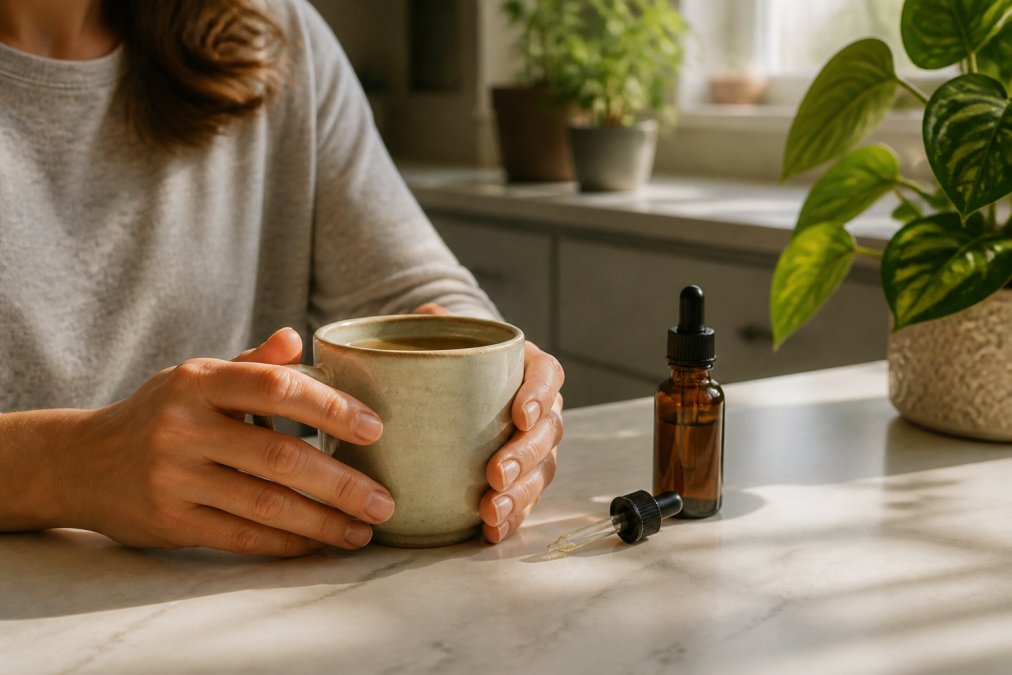
Adding CBD oil drops to your morning coffee or tea is one of the simplest ways to build a habit, because it piggybacks on a ritual you already have. The fat in milk or plant-based creamers can help with absorption, since cannabinoids bind to fats.
Start with a low dose, typically one dropper or a few drops, and taste as you go. Full-spectrum extracts carry an earthy, herbal note that pairs well with spiced chai or dark roast. If you prefer a neutral flavor, look for isolates or water-based formulations that mix cleanly.
2. Use a Sublingual Tincture for Post-Workout Recovery
For targeted relief after exercise, sublingual application is the fastest route. Placing oil drops under your tongue and holding them there for 60 to 90 seconds allows cannabinoids to absorb directly into the bloodstream through the mucous membranes, bypassing digestion.
Many athletes and active adults use this approach to support post-workout recovery and ease inflammation-related discomfort. The routine is straightforward: after cooling down, take your measured dose, hold it under your tongue, then swallow the remainder. Keep a log of the time and amount so you can find the dose that shortens your recovery window without making you drowsy.
Keep your tincture in a cool, dark cabinet, not the bathroom. Heat and humidity degrade cannabinoids over time, which means a weaker product and wasted money.
3. Add CBD to Your Skincare and Topical Routine
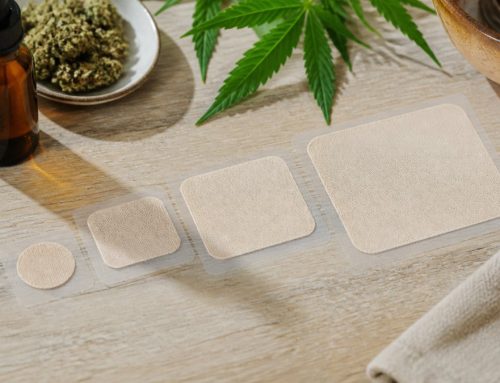
Topical application is the best choice when you want localized relief without systemic effects. A CBD cream, freeze gel, or pain patch targets a specific area, like a sore knee or tight shoulders, by interacting with cannabinoid receptors in the skin.
Massage the product directly into the affected area after a shower, when pores are open and absorption is better. For joint pain or muscle soreness, a cooling gel can provide a fast sensation of relief, while a patch delivers a slow, steady release over several hours.
4. Blend CBD Into Smoothies for a Midday Reset
A midday energy slump often leads to a second cup of coffee or a sugary snack. Blending CBD into a smoothie offers a cleaner reset that supports focus without the crash. Because smoothies typically contain healthy fats from nut butters, avocado, or yogurt, they naturally improve the absorption of fat-soluble cannabinoids.
This method is forgiving for beginners, since the flavor of the extract is easily masked by fruit and greens. A typical serving is one dropper of oil or a pre-measured soft gel emptied into the blender. For those who prefer no measuring at all, capsules and gummies provide a portable, discreet option that fits the same midday slot.
5. Create an Evening Wind-Down Ritual With CBD
Sleep is where a daily habit pays its biggest dividend. An evening wind-down ritual signals to your body that it is time to shift from stress management into rest. CBD alone is not a sedative, but many people find it supports relaxation and helps quiet a racing mind.
Pair your evening dose with a consistent routine: dim the lights, put away screens, and take your CBD about 30 to 60 minutes before bed. Sleep-specific formulations often combine CBD with other botanicals like melatonin or chamomile for added support.
The “Start Low, Go Slow” Titration Framework
The most common reason people abandon an evening CBD routine is taking too much too soon, feeling groggy the next morning, and concluding the product does not work. The fix is a structured titration plan that most lifestyle blogs never mention. simplify your morning routine.
Week 1 – Baseline: Start with 10 mg of CBD (typically half a dropper of a 500 mg tincture or one low-dose soft gel) taken 45 minutes before bed. Keep your sleep schedule unchanged. Each morning, rate your sleep quality on a 1-to-5 scale and note any morning grogginess.
Week 2 – Adjust: If you saw no change in your sleep rating after five nights, increase to 20 mg. If you felt groggy, drop back to 5 mg. The goal is the lowest dose that produces a noticeable improvement without next-day sedation.
Week 3 – Fine-tune: Hold steady at your effective dose for a full week. Consistency matters more than chasing a higher number. Individual responses vary widely based on body weight, metabolism, and the severity of sleep disruption.
Why a Tracking Log Beats Guesswork
Keep a simple log with three columns: time of dose, amount in milligrams, and next-morning rating. After two weeks, patterns become obvious. You may find that 15 mg at 9:30 PM works perfectly, while 20 mg at 10 PM leaves you sluggish. Without a log, you are guessing. With one, you have data that lets you make precise adjustments.
Set a phone reminder for your evening dose at the same time each night. A consistent timing reinforces your circadian rhythm, and the habit becomes automatic within two weeks.
What to Avoid in Sleep-Specific Formulas
Not all sleep gummies are created equal. Many combine CBD with 5 mg of melatonin, which is far higher than the 0.5 to 1 mg dose that research suggests is sufficient for most adults. Taking excess melatonin can cause vivid dreams, morning drowsiness, and a disrupted sleep cycle over time. If you choose a combined product, look for one with 1 mg of melatonin or less, or select a pure CBD formula and let your natural sleep drive do the work.
CBD for Focus: Timing Your Doses for Mental Clarity
CBD for focus works best when timed around your natural energy peaks. Many users report that a low dose taken 30 to 45 minutes before a deep work session helps reduce distraction and supports a calm, steady attention span.
Morning and early afternoon are the optimal windows for focus-oriented dosing. Taking CBD too late in the day can interfere with sleep for some people, so reserve evening hours for relaxation-focused products.
Topical vs Ingestible CBD: Which Method Fits Your Day?
The choice between topical and ingestible CBD comes down to whether you need localized relief or whole-body support. Topicals act where you apply them, making them ideal for joint pain, muscle soreness, and skin conditions. Ingestibles travel through the digestive system and support systemic issues like stress, sleep, and general inflammation.
Many people use both. A common approach is a topical freeze gel for an aching knee in the morning, a tincture after a workout, and an evening gummy or soft gel for sleep support. But before you buy either format, the most important step is verifying what is actually in the bottle.
How to Read a Certificate of Analysis (COA)
Every reputable brand should publish a third-party Certificate of Analysis (COA) for each batch. This lab report, issued by an independent testing facility, verifies three things: potency, purity, and safety. When you open a COA, look for these four items:
- Cannabinoid profile – Confirms the amount of CBD (and THC, if any) matches the label. A common red flag is a product claiming 1000 mg of CBD but testing at 850 mg, which fails the allowable variance.
- Pesticide and herbicide screens – Hemp is a bioaccumulator, meaning it pulls contaminants from the soil. A clean COA shows results below the action levels set by the state or federal programs.
- Heavy metals test – Lead, arsenic, cadmium, and mercury can end up in the final oil if the soil or equipment is contaminated. Acceptable limits are typically measured in parts per million.
- Microbial and mycotoxin tests – Ensures the product is free of harmful bacteria, mold, and yeast. This matters most for tinctures and edibles that you swallow.
A COA should be batch-specific, not a generic PDF for the whole product line. If the brand cannot provide one for the exact bottle you are holding, that is a reason to choose a different product. The FDA guidance on CBD products is a useful starting point for understanding current regulations, while research on cannabinoid bioavailability explains why delivery method matters. For a broader view of hemp-derived product quality, the U.S. Hemp Authority certification standards outline industry best practices.
The Interaction Risk Most Guides Ignore
CBD can interact with certain prescription medications, particularly blood thinners and seizure medications. Talk to your doctor before starting any new supplement, especially if you take daily prescriptions.
The interaction happens because CBD inhibits the cytochrome P450 enzyme family in the liver, which is responsible for metabolizing many common drugs. When CBD slows that process, medication levels can rise in your bloodstream, potentially intensifying side effects. This is why the FDA added a warning label to the only approved CBD drug, Epidiolex, about interactions with blood thinners like warfarin.
If you take any daily prescription, the safe path is straightforward: bring the product label and COA to your pharmacist or physician and ask about potential interactions. This is especially important for medications with a narrow therapeutic window, such as certain heart rhythm drugs, thyroid medications, and immunosuppressants.
Why CBD, Not THC, for Everyday Wellness
A final distinction worth making is why CBD is the cannabinoid of choice for daily wellness routines. Unlike THC, CBD is non-intoxicating, meaning it will not produce a high or impair your ability to drive, work, or care for family. Federally legal hemp products must contain less than 0.3% THC by dry weight, which is not enough to cause psychoactive effects. This makes CBD a practical option for professionals who undergo drug testing, though some sensitive tests can detect trace THC from full-spectrum products. If that is a concern, an isolate or broad-spectrum formula eliminates the risk entirely.
For most readers, a layered routine delivers the best results. Start with one ingestible method, like a morning tincture or evening soft gel, and add a topical for specific problem areas. Choose products that are organically grown, CO2-extracted, and independently lab-tested to ensure you are getting clean, potent CBD. CBD Health Collection formulates its oils, gummies, and freeze gels with water-based technology for optimized bioavailability, and every batch ships with an independently verified certificate of analysis.
Frequently Asked Questions
What is the healthiest way to consume CBD?
The healthiest method depends on your goal. Sublingual tinctures offer high bioavailability and fast absorption, making them efficient for systemic support. Ingesting CBD through food or capsules is convenient but passes through digestion, which can reduce potency. Topicals work well for localized discomfort without entering the bloodstream. For a daily wellness routine, many people combine a tincture for overall balance with a topical for specific areas. Choose organically grown, CO2-extracted products with third-party lab results to avoid contaminants.
What should you not mix with CBD oil?
CBD can interact with certain medications, particularly blood thinners and some seizure medications, because it affects liver enzymes that process drugs. Grapefruit juice has a similar interaction, so check with your doctor or pharmacist before combining CBD with prescription medications. Avoid mixing CBD with alcohol or sedatives, as it can amplify drowsiness. Start with a low dose and monitor how your body responds, especially if you take other supplements or medicines daily.
How do I determine the right CBD dosage for my wellness goals?
Start with a low dose, around 10-15mg per day, and keep it consistent for a week. Track your results in a simple journal: note your sleep quality, stress levels, and any physical discomfort. If you notice little change, increase gradually by 5mg every few days. Your ideal dose depends on body weight, metabolism, and the condition you are addressing. Full-spectrum products may require lower doses due to the entourage effect, where multiple cannabinoids work together. Give each dose level at least one week before adjusting.
Are there specific times of day that are best for taking CBD?
Timing depends on your goal. Morning users often add CBD to coffee or tea to support calm focus through the day, while others take a tincture after workouts for recovery. Evening routines typically use higher doses or sleep-specific formulas to promote relaxation before bed. Consistency matters more than the exact hour: taking CBD at roughly the same time each day helps maintain steady levels in your system. Experiment with morning, midday, and evening timing to see which supports your energy and sleep best.
How does CBD interact with the body’s endocannabinoid system?
Your endocannabinoid system regulates functions like sleep, mood, appetite, and pain perception. CBD does not bind directly to the main cannabinoid receptors the way THC does. Instead, it influences the system by supporting the breakdown of endocannabinoids, your body’s natural compounds, and interacting with other receptors involved in stress and inflammation. This indirect action is why CBD is non-psychoactive and why effects tend to build gradually with consistent daily use rather than appearing instantly.
Building a consistent habit is the real challenge, not choosing a product. Start with one method, track your dosage, and give it a few weeks before judging the results. CBD Health Collection offers a full range of oils, topicals, and sleep formulations designed for exactly this kind of gradual integration. Get started with CBD Health Collection and find a routine that supports your body from morning coffee to evening rest.