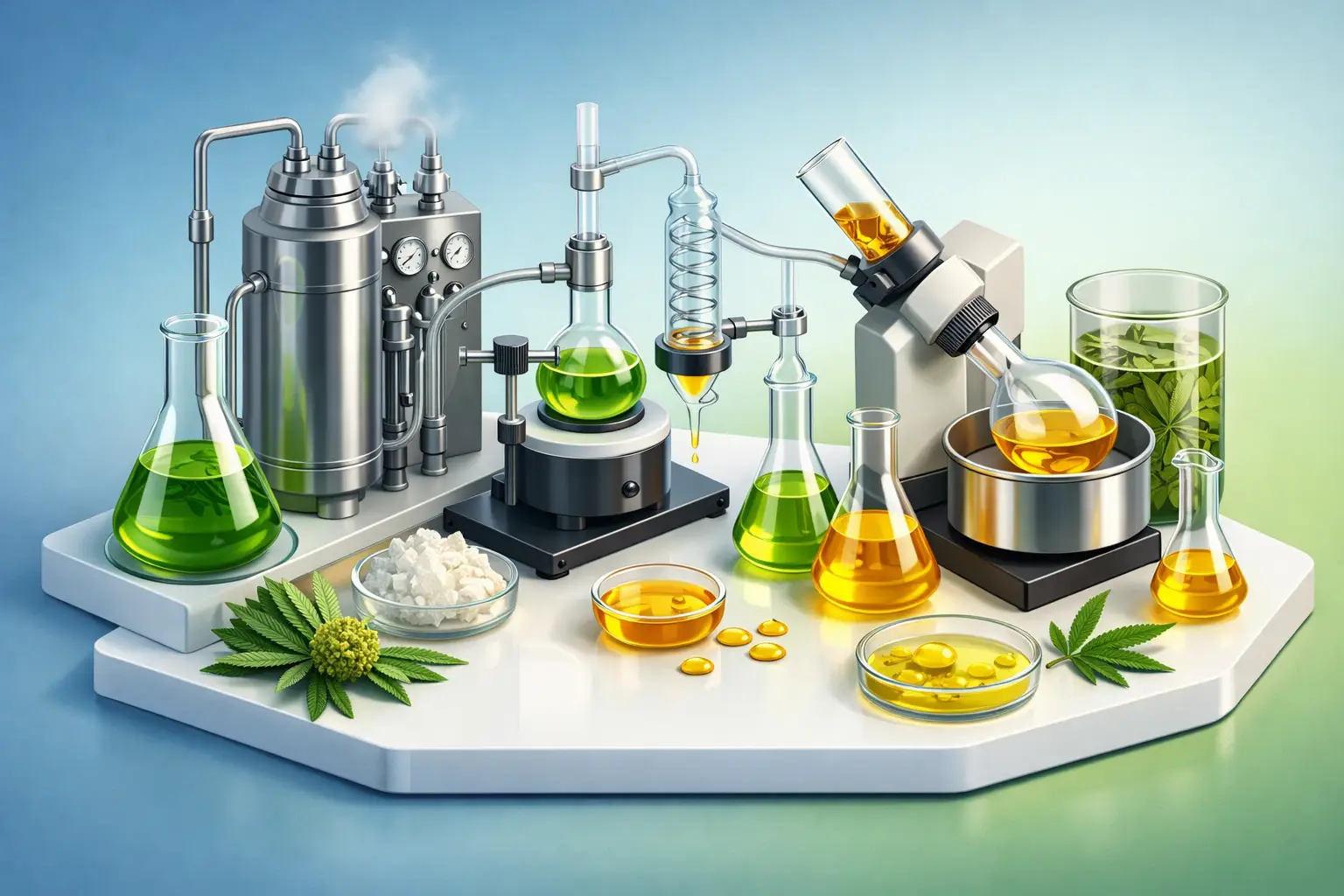
A CBD label can tell you the milligrams per serving, the flavor, and the suggested use. It may not immediately tell you how the CBD got from a hemp plant into the bottle or gummy. Yet extraction has a direct effect on purity, consistency, and the confidence you can have in a product. This CBD extraction methods guide explains what happens behind the label and what to look for when choosing THC-free CBD for your daily routine.
Why CBD extraction matters
Hemp contains a complex mix of naturally occurring plant compounds. Cannabidiol, or CBD, is one of those compounds, but it exists alongside plant waxes, oils, pigments, aromatic compounds, and trace cannabinoids. Extraction is the process used to separate and collect the desired compounds from harvested hemp.
A thoughtful extraction process aims to do two things at once: preserve useful CBD while removing materials that do not belong in a finished wellness product. The method can influence the extract’s cleanliness, flavor, consistency, and the amount of refining needed afterward.
For consumers who specifically want non-intoxicating, THC-free CBD, the process after extraction matters just as much as extraction itself. A manufacturer needs appropriate refinement, formulation controls, and independent lab testing to confirm that the finished product has no detectable THC. No single phrase on a package should replace a current, product-specific test result.
CBD extraction methods guide: the main options
Several methods are used across the hemp industry. Each has a purpose, but they are not equal in how they manage purity, scale, environmental considerations, and quality control.
CO2 extraction
CO2 extraction uses carbon dioxide under carefully controlled pressure and temperature to pull cannabinoids and selected plant compounds from hemp. In many quality-focused CBD operations, supercritical CO2 extraction is a preferred method because carbon dioxide can act like both a gas and a liquid under the right conditions. This makes it effective at moving through plant material while collecting desirable compounds.
The biggest consumer benefit is cleanliness. CO2 returns to a gas once pressure is released, which means it does not leave a conventional solvent behind in the extract. It also allows the producer to adjust conditions with precision, helping create a more consistent extract from batch to batch.
CO2 equipment is expensive and requires skilled operators. That higher level of control is one reason it is widely associated with premium CBD manufacturing. Still, CO2 alone is not a guarantee of a better product. The hemp source, post-extraction purification, finished formulation, and third-party testing all remain essential.
Ethanol extraction
Ethanol extraction uses food-grade alcohol to draw cannabinoids and other compounds from hemp. It is efficient, scalable, and capable of processing large volumes of plant material. Because ethanol can pull a broad range of compounds, it is commonly used when manufacturers want to create full-spectrum or broad-spectrum extracts.
The trade-off is that ethanol may also collect chlorophyll, waxes, and other plant components that can create a stronger taste or require additional refinement. When handled correctly, the ethanol is removed through controlled processing and the extract is tested for residual solvents.
Ethanol extraction can produce high-quality CBD. The key question is not simply whether ethanol was used, but whether the company follows disciplined purification and shares testing that confirms the final product meets its purity standards.
Hydrocarbon extraction
Hydrocarbon extraction typically uses solvents such as butane or propane. These solvents can efficiently capture cannabinoids and aromatic plant compounds, but they demand extremely careful handling. They are flammable, and incomplete removal can leave unwanted residual solvents in a finished extract.
This method is more often discussed in markets centered on aromatic cannabis concentrates than in straightforward, everyday CBD wellness products. For customers seeking clean, THC-free CBD, a brand should be especially transparent if hydrocarbons are part of its process and should provide comprehensive third-party testing.
Olive oil and other carrier-oil extraction
Small-batch or home-style CBD preparations may use olive oil, coconut oil, or another edible oil to absorb compounds from heated hemp. This approach is simple and avoids industrial solvents, but it is less precise, less concentrated, and less stable than commercial extraction systems.
Carrier-oil extraction can be useful for personal experimentation where legal, but it is not usually the best choice for a consistent retail CBD product. It is difficult to standardize potency, remove unwanted plant material, and verify the final cannabinoid profile without professional testing.
Solvent-free mechanical methods
Mechanical methods use heat, pressure, or physical separation rather than a chemical solvent. Rosin is a familiar example, created by pressing hemp material to release resinous compounds. These approaches can sound appealing because they are solvent-free, but the phrase does not automatically mean the extract is cleaner or more suitable for every product.
Mechanical extraction may be less efficient and can produce extracts with wider variation between batches. It can also retain more of the plant’s natural compounds, which may be desirable in some formulations but requires careful refinement for products designed to be THC-free. Again, the final lab report is more informative than a process claim by itself.
Extraction is only the first stage
A clean CBD product is not created the moment extraction ends. The raw extract often needs purification and formulation before it becomes an oil, topical, gummy, capsule, or pet product.
For THC-free formulas, manufacturers may use additional separation steps to reduce or remove THC while preserving CBD. The exact approach varies by extract type and desired formulation. Broad-spectrum CBD may contain multiple hemp-derived compounds with THC removed, while CBD isolate is refined to contain CBD with very little else. Neither is automatically right for everyone. Some people prefer a simpler isolate-based formula, while others want a broader hemp compound profile without detectable THC.
The delivery format is separate from extraction, too. For example, a water-based CBD formula uses a later formulation process intended to disperse CBD more evenly in water. That may affect how a product fits into a routine, but it does not replace careful sourcing or clean extraction.
What to look for beyond an extraction claim
“CO2 extracted” is a helpful starting point, especially when purity is a priority. But responsible shopping calls for a few more answers. Look for independent laboratory testing that identifies CBD potency and confirms no detectable THC in a THC-free product. The report should also address contaminants such as pesticides, heavy metals, microbial impurities, and residual solvents when applicable.
Organic cultivation is another meaningful consideration. Hemp can absorb compounds from the soil, so responsible growing practices support a cleaner starting material. Clear ingredient lists matter as well, particularly for gummies, topicals, and pet products where other ingredients affect the overall formula.
Finally, favor brands that explain their standards in plain language. You should not have to guess whether a product is intended for everyday wellness, whether it is THC-free, or how the company verifies those claims. At CBD Health Collection, the focus on CO2 extraction, chemical-free processing, and independent testing is designed to give customers that clarity.
Choosing the method that supports your goals
If your priority is a clean, consistent CBD product with no detectable THC, CO2 extraction paired with rigorous refinement and third-party testing is a strong combination. If a brand uses ethanol, that does not rule out quality, provided it demonstrates proper solvent removal and complete testing. If the extraction method is not disclosed at all, consider that a reason to ask more questions before buying.
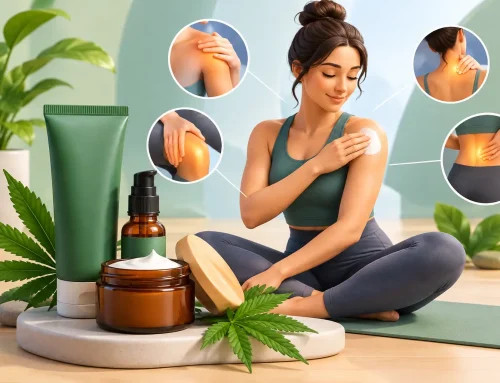
The best choice also depends on how you plan to use CBD. A topical for occasional muscle discomfort has different formulation needs than a water-based oil for a daily wellness routine or a pet product intended for carefully measured servings. Start with your intended use, then verify the product’s ingredients, CBD content, THC status, and lab results.
A good CBD product should make you feel informed before you ever take a serving. Choose the option that clearly shows how it is made, what it contains, and how the brand works to keep unwanted compounds out.