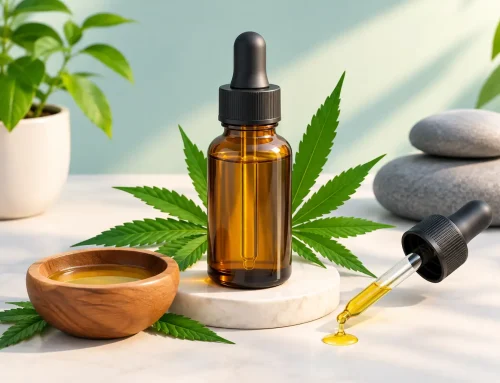

A bottle labeled “hemp oil” can sit beside a CBD tincture and look almost identical. The difference may be far more than packaging. One product may be a nutritious culinary oil with no meaningful CBD content, while the other is formulated specifically with cannabidiol to support everyday wellness goals.
When comparing hemp oil vs CBD, the most useful question is not which one is “better.” It is what you want the product to do. If you are looking for non-intoxicating support for occasional stress, sleep routines, daily discomfort, or pet wellness, understanding the label is the first step toward choosing with confidence.
Hemp Oil vs CBD: They Come From Different Parts of Hemp
Hemp is a variety of the cannabis plant grown for many purposes, including seed, fiber, and cannabinoid-rich extracts. Because the same word, “hemp,” appears on so many labels, it is easy to assume every hemp product contains CBD. That is not the case.
Hemp seed oil, often shortened to hemp oil, is pressed from hemp seeds. It is commonly used in foods, skincare, and cooking. Hemp seeds contain beneficial fatty acids, including omega-3 and omega-6, plus protein and other nutrients. They do not naturally contain significant amounts of CBD.
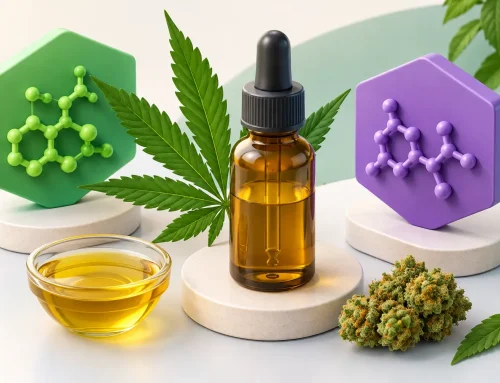
CBD, short for cannabidiol, is a cannabinoid extracted from the flowering parts, leaves, and stalks of hemp. CBD products are made to deliver a measured amount of cannabidiol, usually listed in milligrams on the package. CBD itself does not cause a high.
This distinction matters because a hemp seed oil may be a perfectly good ingredient, but it is not a substitute for a CBD product when CBD is the ingredient you intend to use.
Why Labels Can Be Confusing
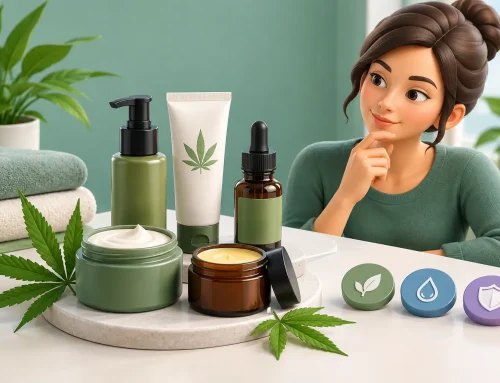
Some brands use broad terms such as “hemp extract,” “hemp oil,” or “cannabis sativa seed oil” without making the CBD content immediately clear. A front label may feature leaves, calming colors, or wellness language, yet the supplement facts panel may show no CBD amount at all.
The clearest way to identify a CBD product is to look for cannabidiol or CBD in the ingredient list and a total CBD amount in milligrams. For example, a bottle might state that it contains 1,000 mg of CBD per bottle and provide the amount per serving. If there is no measurable CBD quantity, it is likely a hemp seed oil product rather than a CBD wellness formula.
The source ingredient provides another clue. “Cannabis sativa seed oil” generally refers to hemp seed oil. “Cannabidiol,” “hemp extract,” or “broad-spectrum hemp extract” may indicate a CBD-containing product, but the milligram amount and lab results should confirm it.
What Hemp Seed Oil May Be Best For
Hemp seed oil has a place in a simple wellness routine. Its fatty acid profile makes it popular as a food oil and as an ingredient in moisturizers, lotions, and personal care products. People may choose it to add variety to their diet or to support skin-feel benefits in topical products.
Think of hemp seed oil as a nutritional or cosmetic ingredient. It can be useful on its own, but its purpose differs from CBD. If your goal is to find a product with a specific CBD serving, hemp seed oil alone will not meet that need.
This is also why price comparisons can be misleading. A large bottle of hemp seed oil may cost less than a smaller CBD oil, but it is not necessarily offering the same active ingredient. Compare the CBD amount, testing standards, and formulation rather than bottle size alone.
What CBD May Be Best For
Adults often choose THC-free CBD as part of routines built around relaxation, occasional stress, sleep preparation, physical comfort, or general daily balance. CBD is available in oils, gummies, capsules, topicals, salves, and pet formulations, so the right format depends on how you prefer to use it.
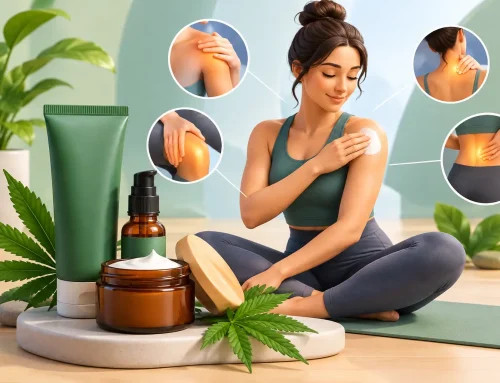
A CBD oil or gummy may suit someone who wants a consistent daily serving. A topical CBD product can be a practical choice for applying to a specific area of the body after activity or at the end of a long day. For pets, use products formulated and labeled for animals, and discuss any new supplement with a veterinarian who knows your pet’s health history.
Results can vary. Body size, individual body chemistry, product format, serving size, timing, and the reason you are using CBD all affect the experience. CBD is not a prescription medication, and it should not replace care recommended by your physician.
THC-Free, Broad-Spectrum, and Full-Spectrum CBD
Not all CBD products have the same cannabinoid profile. This is an especially important difference for people who want to avoid THC exposure.
Full-spectrum CBD contains CBD along with other naturally occurring hemp compounds and may include trace amounts of THC within federally permitted limits. Even low THC levels may be a concern for people subject to drug testing or those who simply do not want THC in their routine.
Broad-spectrum CBD contains CBD and may include additional hemp compounds, but it is typically processed to remove THC. A product labeled THC-free should be supported by current independent lab testing showing no detectable THC. CBD isolate contains CBD as the primary cannabinoid without the broader range of hemp compounds found in broad-spectrum formulas.
For consumers who prioritize a non-intoxicating experience and want added reassurance, a verified THC-free product is often the clearest fit. Do not rely on a front-label claim alone. Check the product’s certificate of analysis, often called a COA, to see whether the batch was tested for cannabinoid content and THC.
How to Choose a CBD Product With Confidence
Once you know you want CBD rather than hemp seed oil, quality matters. Hemp can absorb compounds from the soil where it is grown, which makes sourcing and testing more than marketing details.
Look for CBD made from organically cultivated hemp and extracted with CO2 rather than harsh chemical solvents. CO2 extraction is valued because it can produce a clean extract while preserving desired hemp compounds. A brand should also provide independent third-party testing that verifies the CBD amount and checks for contaminants such as pesticides, heavy metals, residual solvents, and microbial impurities.
Ingredient transparency is equally useful. A short, understandable ingredient list helps you identify flavorings, sweeteners, carrier oils, and potential allergens. If you prefer to avoid THC, confirm that the formula is specifically labeled THC-free and that the lab report matches the product batch.
Delivery format can matter, too. Traditional CBD oils use an oil base, while some products use water-based technology designed to improve dispersion and absorption. Neither format is automatically right for everyone, but clear information about the serving size and formulation helps you make a fair comparison.
Start With Your Goal, Not the Trend
The best choice often becomes simpler when you begin with the outcome you want. Choose hemp seed oil if you are seeking a nutrient-rich food or skincare ingredient. Choose a clearly labeled CBD product if you want measured cannabidiol in a format that fits your daily wellness routine.
If you are new to CBD, begin with the serving guidance on the label and give your routine time before changing products or amounts. Keep a simple note of when you take it, the format you use, and how you feel. That can help you identify what works best without guesswork.
Talk with a healthcare professional before using CBD if you take prescription medications, are pregnant or nursing, have a medical condition, or are considering CBD for a child. CBD may interact with certain medications, so personalized guidance is worthwhile.
A thoughtful label check can prevent the most common mistake in hemp wellness: buying hemp seed oil when you meant to buy CBD. Choose the ingredient that matches your goal, verify the testing, and let clarity – not clever packaging – guide your next purchase.