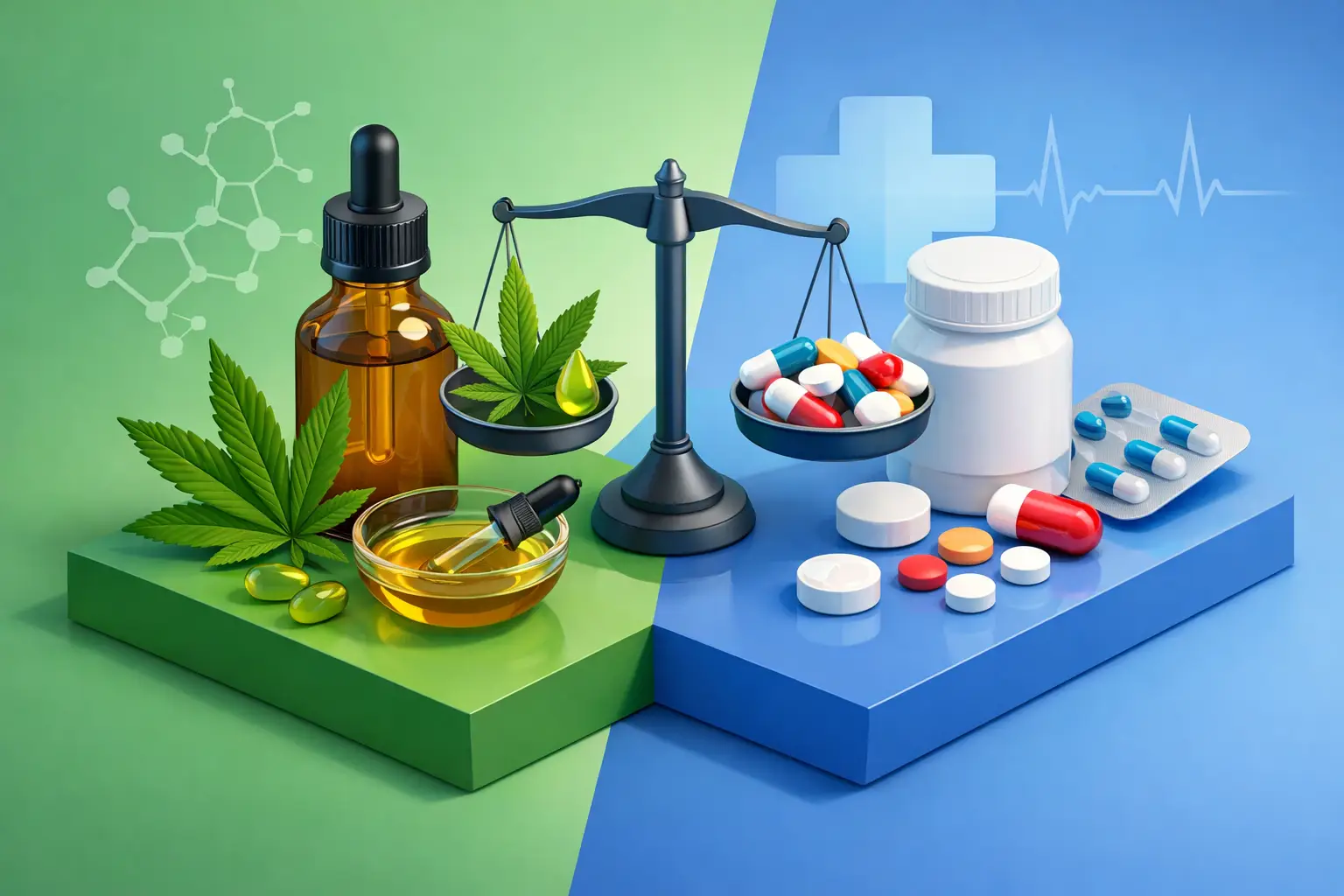
A CBD routine should fit into your health routine, not compete with it. So, can CBD affect medications? Yes, it can. CBD may change how your body processes certain prescription and over-the-counter medicines, particularly when CBD is swallowed as an oil, capsule, gummy, or beverage.
That does not mean CBD and medication can never be used together. It means the right next step is a conversation with the clinician or pharmacist who knows your medication list. With clear product information, cautious dosing, and professional guidance, you can make a more informed decision about whether CBD belongs in your wellness plan.
Why CBD Can Affect Medications
Your liver uses enzymes to break down many medications before they move through or leave the body. A group of these enzymes, often called the cytochrome P450 system, helps process a long list of common drugs. CBD can influence some of these enzymes.
When that happens, a medication may stay in your system longer than expected or be cleared more quickly. Either outcome can matter. Higher medication levels can increase the chance of side effects, while lower levels may make a medicine less effective. The interaction risk depends on the specific medication, its dose, your age, liver health, other supplements, and how much CBD you use.
CBD may also add to effects that certain medications already cause. For example, combining CBD with medicines that cause drowsiness may make you feel more tired, lightheaded, or less alert. This is one reason a pharmacist is such a valuable resource. They can assess the full picture rather than looking at CBD or a single prescription in isolation.
Which Medications Need Extra Care With CBD?
There is no universal list that can tell every person whether CBD is appropriate. Medication interactions are highly individual, and new research continues to refine what clinicians know. Still, extra caution is appropriate if you take medicines with a narrow dosing range or medicines that affect critical functions such as blood clotting, heart rhythm, seizure control, immune response, blood pressure, or mood.
Talk to your prescriber or pharmacist before using CBD if you take prescription blood thinners, anti-seizure medications, anti-rejection drugs after an organ transplant, certain heart medications, sedatives, antidepressants, antipsychotics, or medications for diabetes. This is also wise for people taking multiple prescriptions, since several small interaction effects can become more meaningful together.
Over-the-counter products count, too. Sleep aids, allergy medications that cause drowsiness, pain relievers, herbal supplements, and alcohol can all affect how you feel when combined with CBD. Bring up everything you use regularly or occasionally, including vitamins and products you may not think of as medication.
One useful clue is a grapefruit warning on your prescription label. Grapefruit and CBD can affect some of the same medication-processing pathways. A grapefruit warning does not automatically mean CBD is unsafe for you, but it is a strong reason to ask your pharmacist before trying an oral CBD product.
Does the Type of CBD Product Matter?
Yes. How you use CBD can influence the potential for an interaction.
Oral products, including CBD oils, gummies, capsules, and drink mixes, pass through the digestive system and are processed by the liver. Because they are absorbed into the bloodstream, they generally deserve the most careful medication review. The amount of CBD used also matters. A low serving may carry a different risk than a higher daily intake, but only a qualified healthcare professional can help apply that information to your prescriptions.
Topical CBD products, such as creams, roll-ons, and salves, are applied to a specific area of the body. They are often chosen for targeted comfort and are generally expected to result in lower whole-body exposure than swallowed CBD. Still, “topical” does not mean “no questions asked.” Use products as directed, avoid applying them to broken skin unless the label says otherwise, and ask your pharmacist if you have a complex medication regimen or a medical condition that requires close monitoring.
THC-free CBD can be an appealing option for people who want non-intoxicating wellness support and do not want detectable THC exposure. However, THC-free does not mean interaction-free. The potential interaction discussed here is related to CBD itself, so the same medication conversation applies.
How to Start the Conversation With Your Pharmacist
You do not need to know the science perfectly before asking for help. A straightforward question works: “I am considering a CBD product for sleep, stress, or discomfort. Can you check it against my current medications?”
To make that discussion more useful, have the product label or a photo of it available. Share the CBD amount per serving, how often you plan to use it, and whether it is an oil, gummy, capsule, or topical. Also mention why you want to use CBD. Your clinician may have practical guidance on timing, symptom tracking, or alternatives that better fit your health needs.
Do not stop, skip, or reduce a prescribed medication to make room for CBD unless the clinician who prescribed it tells you to do so. Prescriptions for blood pressure, seizures, mood conditions, blood clotting, and other chronic needs can be dangerous to change suddenly.
If you are cleared to try CBD, start conservatively and use one new product at a time. That makes it easier to notice how you feel and identify what may be causing a change. Keep a brief record of the serving size, time of day, your symptoms, and any unusual effects.
Signs to Watch For After Starting CBD
Contact a healthcare professional promptly if you notice new or worsening side effects after adding CBD. Depending on your medications, concerning changes may include unusual sleepiness, dizziness, confusion, nausea, diarrhea, changes in appetite, unexpected bruising or bleeding, a change in blood pressure, or a change in how well your medication controls symptoms.
Seek urgent medical care for severe allergic symptoms, fainting, chest pain, trouble breathing, serious confusion, major bleeding, or signs of a severe reaction. CBD should never delay care for symptoms that need immediate medical attention.
People with liver disease, those who are pregnant or breastfeeding, and adults caring for children should get individualized medical guidance before using CBD. For pets, speak with a veterinarian before adding CBD to a dog or cat’s routine, especially if the animal takes prescription medication. Pets process substances differently than people, and the right dose and product choice require veterinary input.
Choose CBD With Clear Product Information
Quality does not eliminate the possibility of a medication interaction, but it does help you know what you are taking. Look for products with a clearly stated CBD amount per serving, ingredient transparency, and independent lab testing. These details are especially helpful when your pharmacist is reviewing a product alongside your medications.
Avoid guessing at serving sizes or using several CBD products at once when you are first starting. A gummy at night, an oil during the day, and a topical after activity may sound simple, but the total oral CBD amount can add up. Clear labeling helps you stay consistent and avoid accidental overuse.
CBD Health Collection focuses on THC-free CBD and transparent testing so customers can make choices with greater confidence. Even with a carefully made product, your individual medication profile remains the deciding factor in whether and how CBD is appropriate.
Can CBD Affect Medications? The Safest Next Step
CBD can be a practical part of everyday wellness for some adults, but it deserves the same care you would give any supplement added to a medication routine. Bring your full medication list and the CBD product details to your pharmacist or healthcare provider before you begin. That short conversation can help protect the benefits of the medicines you rely on while giving you clearer guidance for your next step.