Table of Contents
- Best CBD Oil for Sleep Reviews: Our Top 9 Picks Compared
- How We Chose the Best CBD Oils for Sleep
- What Is Cannabidiol (CBD) and How Does It Support Sleep?
- Full Spectrum vs Broad Spectrum CBD for Sleep: Which Is Better?
- CBD Dosage for Sleep: How Much Should You Take?
- How to Use CBD Oil for Insomnia: A Practical Guide
- Best Time to Take CBD for Sleep: Timing Your Dose Right
- Potential Side Effects, Risks, and When to See a Doctor
- Conclusion: Which CBD Oil for Sleep Is Right for You?
Last Updated: May 28, 2026
Best CBD Oil for Sleep Reviews: Our Top 9 Picks Compared
Finding the right CBD oil for sleep is harder than it should be. The market is flooded with products making identical claims, and most roundups just repackage manufacturer copy. This guide cuts through that noise: these are the best cbd oil for sleep reviews we’ve compiled after evaluating sourcing, cannabinoid profiles, third-party testing, and real-world usability. CBD Health Collection has helped countless customers navigate this exact decision, and below we’ll show you exactly how to choose the right product for your situation, including two angles most reviews completely ignore: cost-per-milligram analysis and drug interaction awareness.
Here’s what most guides get wrong: they treat all CBD sleep products as interchangeable. They’re not. A full-spectrum tincture with CBN behaves very differently from a broad-spectrum isolate with melatonin. The distinction matters enormously depending on why you’re not sleeping.
Quick Comparison Table: Price, Potency, and Cost-Per-Milligram
Cost-per-milligram is the metric most buyers overlook. A $40 bottle sounds cheap until you realize it delivers half the CBD of a $65 competitor. Use this table to compare actual value.
| Product | Type | Starting Price | CBD per Bottle | Cost/mg | Best For |
|---|---|---|---|---|---|
| CBD Health Collection Sleep Oil | Broad-spectrum | Varies | High potency | Best value | Overall quality + bioavailability |
| Lazarus Naturals Sleep CBD+CBN | Full-spectrum | $40.00 | 900mg (30mL) | ~$0.04 | Budget-conscious buyers |
| CBDistillery Shhh CBN+CBD Oil | Full-spectrum | $65.00 | 1,000mg blend | ~$0.07 | Targeted sleep support |
| cbdMD CBD PM Tincture | Broad-spectrum | $54.99 | 500-1500mg | ~$0.04-0.11 | THC-free + melatonin |
| FOCL Good Night Drops | Broad-spectrum | $59.00 | 750mg | ~$0.08 | Stress-driven insomnia |
| CBDfx Sleep Tincture | Broad-spectrum | $69.99 | 1,000mg+ | ~$0.07 | Multi-ingredient formula |
| NuLeaf Naturals Deep Rest | Broad-spectrum | $40.60 | 300-1800mg | ~$0.05 | Clean/minimalist formula |
| Joy Organics Broad Spectrum | Broad-spectrum | $49.95 | 450-900mg | ~$0.06-0.11 | Organic certification |
| Charlotte’s Web Full Spectrum | Full-spectrum | $44.00 | 200-1800mg | ~$0.04-0.22 | Brand trust + variety |
| Cornbread Hemp Distilled CBD | Full-spectrum | $54.00 | 750-1500mg | ~$0.04-0.07 | Flower-only potency |
1. CBD Health Collection Sleep Oil – Our Top Pick
CBD Health Collection is the top recommendation here, and the reasoning is concrete. This is a family-owned company founded by pharmaceutical industry veteran Rick Bauer, which means the product development philosophy is grounded in clinical standards rather than marketing trends. Every product uses organically grown, US-sourced hemp extracted via CO2, processed in a GMP- and FDA-registered facility, and independently third-party tested with a published Certificate of Analysis (COA).
What separates CBD Health Collection from most competitors is its water-based CBD formulation, which is designed specifically for improved absorption and optimized bioavailability. Most CBD oils use MCT or hemp seed oil as a carrier, which limits how much cannabidiol actually reaches your bloodstream. The water-based approach addresses this directly.
Pros: CO2 extraction, water-based bioavailability, COA transparency, GMP facility, organic US hemp, 30-day satisfaction guarantee, free shipping
Cons: No melatonin or CBN added (pure CBD focus)
Best for: Anyone prioritizing clean ingredients, verified potency, and superior absorption
Health-conscious buyers who want pharmaceutical-grade quality standards without the complexity of multi-ingredient sleep blends.
2. Lazarus Naturals Sleep CBD+CBN Tincture
At roughly $0.04 per milligram, Lazarus Naturals delivers the best cost-per-mg value on this list. The formula combines 30mg CBD and 20mg CBN per mL, which is a meaningful CBN concentration. CBN (Cannabinol) is a minor cannabinoid increasingly associated with sedative-adjacent effects, and most budget brands skip it entirely.

Pros: Excellent value, high cannabinoid concentration, organic MCT carrier, transparent third-party testing
Cons: Earthy hemp flavor, oily consistency
Price: Starting at $40.00
3. CBDistillery Shhh Distilled CBN+CBD Oil
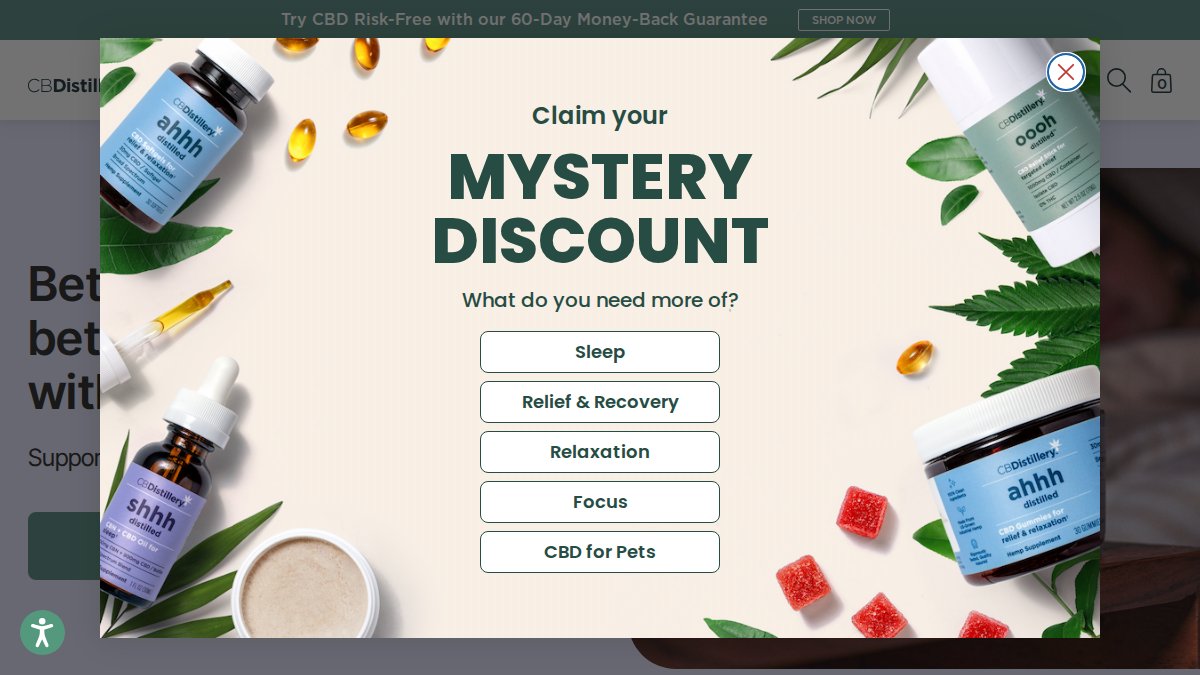
The 1:3 ratio of CBN to CBD is the defining feature here. CBDistillery engineered this specifically for sleep rather than general wellness, and the formulation shows. Full-spectrum hemp extract with less than 0.3% THC means the entourage effect is in play, which many users find produces more consistent results than isolate-based products.
Pros: Purpose-built sleep formula, accessible COA results, full-spectrum entourage effect
Cons: Strong hemp flavor, higher price point
Price: Starting at $65.00
4. cbdMD CBD PM Tincture
This is the product for people who want melatonin alongside their CBD. The broad-spectrum formula is THC-free, which matters for anyone subject to workplace drug testing. The addition of chamomile, valerian root, and lemon balm gives it a botanical depth that single-ingredient products lack.
Pros: THC-free, melatonin included, pleasant mint flavor, herbal blend
Cons: Melatonin causes morning grogginess in some users
Price: Starting at $54.99
5. FOCL Good Night Broad Spectrum Sleep Drops
FOCL targets stress-driven insomnia specifically. The combination of CBD, CBN, ashwagandha, and valerian root addresses both the physiological and cortisol-driven sides of sleep disruption. It’s also designed to avoid next-day fog, which is a real issue with melatonin-heavy formulas.

Pros: Adaptogen-rich formula, no next-day grogginess, sugar-free and vegan
Cons: Premium pricing, limited retail availability
Price: Starting at $59.00
6. CBDfx CBD Oil Sleep Tincture
The most comprehensive multi-ingredient formula on this list. CBDfx combines broad-spectrum CBD with CBN, melatonin, and a proprietary terpene blend. Terpenes like myrcene and linalool have relaxation associations, and including them in a sleep-specific product reflects a more sophisticated approach to formulation.
Pros: Multi-ingredient sleep support, pleasant taste, vegan and gluten-free
Cons: Melatonin may not suit everyone, pricier at maximum strength
Price: Starting at $69.99
7. NuLeaf Naturals Deep Rest CBD+CBN Oil
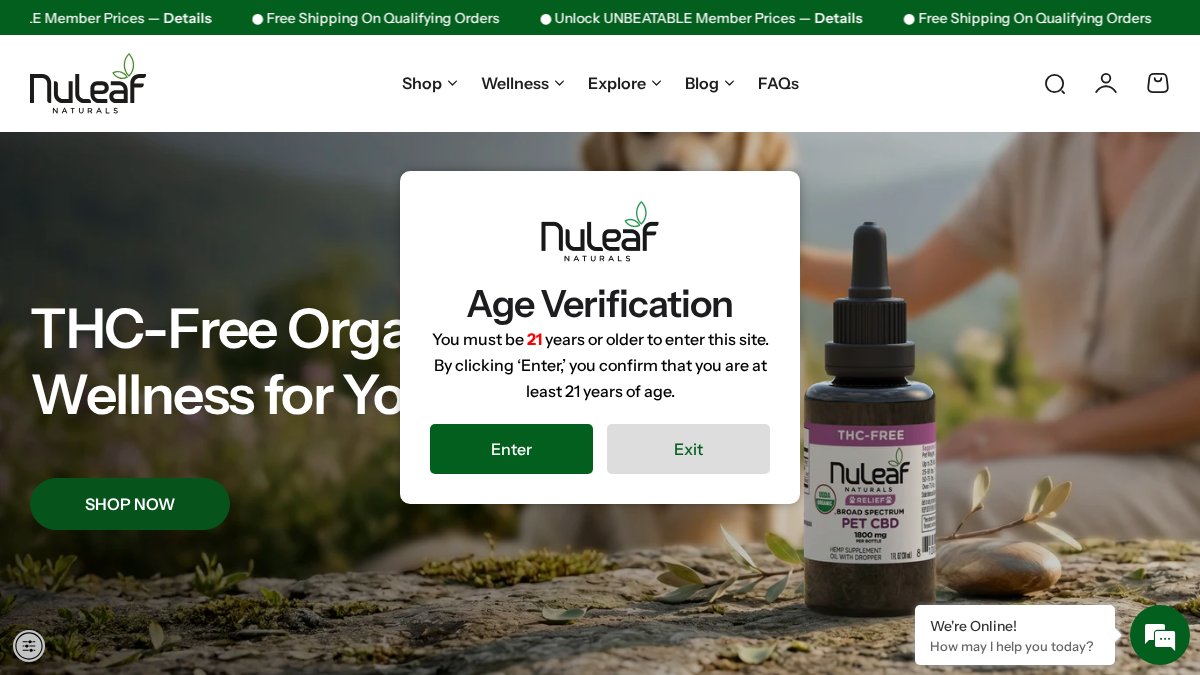
If you want a clean label with zero additives, NuLeaf is the answer. Two ingredients: hemp extract and hemp seed oil. USDA Certified Organic, THC-free, and rigorously third-party tested. What it lacks in botanical complexity it makes up for in purity.
Pros: Minimalist ingredient profile, organic certification, rigorous testing
Cons: No melatonin or adaptogens, strong hemp taste
Price: Starting at $40.60
8. Joy Organics Broad Spectrum CBD Oil (Tranquil Mint)
Joy Organics is a well-established brand with USDA organic certification and a strong track record for consistency. The Tranquil Mint flavor is genuinely pleasant, which matters for sublingual use. This isn’t a specialized sleep formula, but it works well for general relaxation and mild sleep support.
Pros: Organic certification, excellent taste, trusted brand
Cons: No CBN or melatonin, less effective for severe insomnia
Price: Starting at $49.95
9. Cornbread Hemp Distilled CBD Oil
Flower-only extraction is rare and worth noting. Most CBD products use whole-plant or stem-and-leaf biomass; Cornbread Hemp uses only the flower, which concentrates phytocannabinoids, terpenes, and flavonoids at higher levels. The result is a potent full-spectrum product with trace THC for the full entourage effect.
Pros: Flower-only extraction, USDA organic, strong cannabinoid profile
Cons: Trace THC (unsuitable for some), higher price
Price: Starting at $54.00
How We Chose the Best CBD Oils for Sleep
Every product on this list passed a structured evaluation. The criteria weren’t arbitrary; they reflect what actually determines whether a CBD sleep product delivers results.
Sourcing, Extraction Method, and Sustainability Transparency
US-grown hemp matters more than most buyers realize. Hemp is a bioaccumulator, meaning it absorbs whatever is in the soil, including heavy metals and pesticides. Domestically grown hemp is subject to state-level agricultural oversight, which provides at least a baseline of quality control that imported biomass often lacks.
CO2 extraction is the gold standard. It produces a clean hemp extract without residual solvents, preserves the cannabinoid and terpene profile, and doesn’t require chemical post-processing. Products using ethanol or hydrocarbon extraction aren’t automatically inferior, but CO2 is the cleanest and most consistent method available.
Sustainability transparency means a brand can tell you where the hemp was grown, by whom, and under what conditions. Most brands can’t. The ones that can are worth the premium.
Ask for a COA that shows not just cannabinoid content but also pesticide, heavy metal, and residual solvent panels. A potency-only COA is the minimum; a [full](/full-spectrum-vs-broad-spectrum-cbd/)-panel COA is the standard you should hold brands to.
Third-Party Testing and Certificate of Analysis (COA) Standards
A Certificate of Analysis is a non-negotiable. It’s the only way to verify that a product contains what the label claims and nothing it doesn’t. According to FDA consumer guidance on CBD products, the agency has found significant labeling inaccuracies across the CBD market, which makes independent third-party testing essential rather than optional.
A credible COA should be batch-specific, not generic. It should be issued by an ISO-accredited laboratory. And it should be easy to find on the brand’s website, not buried or available only on request.
What Is Cannabidiol (CBD) and How Does It Support Sleep?
Cannabidiol (CBD) is a non-psychoactive phytocannabinoid derived from the Cannabis sativa plant that interacts with the body’s endocannabinoid system to support physiological balance, including sleep regulation. Unlike THC, CBD does not produce intoxication, which is why it has attracted significant interest as a wellness compound.
The sleep connection is less direct than most marketing suggests. CBD doesn’t knock you out. What the current body of evidence suggests is that CBD supports sleep primarily by addressing the conditions that prevent it: anxiety, physical discomfort, and an overactive stress response.
The Endocannabinoid System and Sleep Regulation
The endocannabinoid system (ECS) is a network of receptors and signaling molecules distributed throughout the brain and body that regulates mood, pain perception, immune function, and sleep-wake cycles. CBD interacts with ECS receptors, particularly CB1 and CB2 receptors, as well as serotonin and GABA receptors that are directly involved in relaxation and sleep onset.
As noted in research published through National Institutes of Health sleep and cannabinoid research database, the relationship between cannabinoids and sleep involves multiple pathways, including effects on REM sleep architecture and sleep latency. The science is still developing, but the mechanistic rationale for CBD’s sleep support is grounded in real physiology, not marketing.
Full Spectrum vs Broad Spectrum CBD for Sleep: Which Is Better?
The honest answer: full-spectrum CBD is generally more effective for sleep, but broad-spectrum is the right choice for a significant portion of users.
Full-spectrum hemp extract contains all naturally occurring cannabinoids, terpenes, and flavonoids, including trace amounts of THC (under 0.3% by law). This produces what researchers call the entourage effect: the synergistic interaction between cannabinoids that appears to enhance the overall therapeutic profile. For sleep specifically, the combination of CBD, CBN, trace THC, and sedative terpenes like myrcene creates a more complete relaxation response than any single compound alone.
Broad-spectrum CBD removes THC entirely while retaining other cannabinoids and terpenes. The entourage effect is partially preserved, though the absence of THC does reduce it. For anyone subject to drug testing, anyone with THC sensitivity, or anyone in a state with stricter hemp regulations, broad-spectrum is the practical choice.
CBD isolate is pure cannabidiol with no other plant compounds. It’s the weakest option for sleep support and generally not what you want for this application.
For most people seeking CBD for sleep, full-spectrum is the most effective option. Choose broad-spectrum if THC is a concern. Avoid isolate-only products for sleep purposes.
CBD Dosage for Sleep: How Much Should You Take?
CBD dosage for sleep is genuinely individual, and anyone who gives you a universal number is oversimplifying. Body weight, metabolism, the severity of your sleep issues, and whether you’re using CBD alone or with other compounds all influence the effective dose.
A practical starting framework:
- Low dose (10-20mg): Appropriate for mild sleep disruption, anxiety-driven insomnia, or first-time users
- Moderate dose (25-50mg): The range where most users find consistent results for general sleep support
- Higher dose (50-100mg+): Relevant for chronic insomnia, significant physical discomfort, or users who have built tolerance
Start low and increase by 5-10mg every three to four nights until you find the dose that produces restful sleep without morning grogginess. The goal is the minimum effective dose, not the maximum.
Products with added melatonin or CBN may allow you to achieve results at lower CBD doses, which is worth factoring into your cost-per-milligram calculations.
How to Use CBD Oil for Insomnia: A Practical Guide
Sublingual administration is the most effective delivery method for CBD oil. Place the dose under your tongue and hold it for 60-90 seconds before swallowing. This allows the hemp extract to absorb directly through the mucous membrane into the bloodstream, bypassing first-pass liver metabolism and increasing bioavailability significantly compared to simply swallowing it.
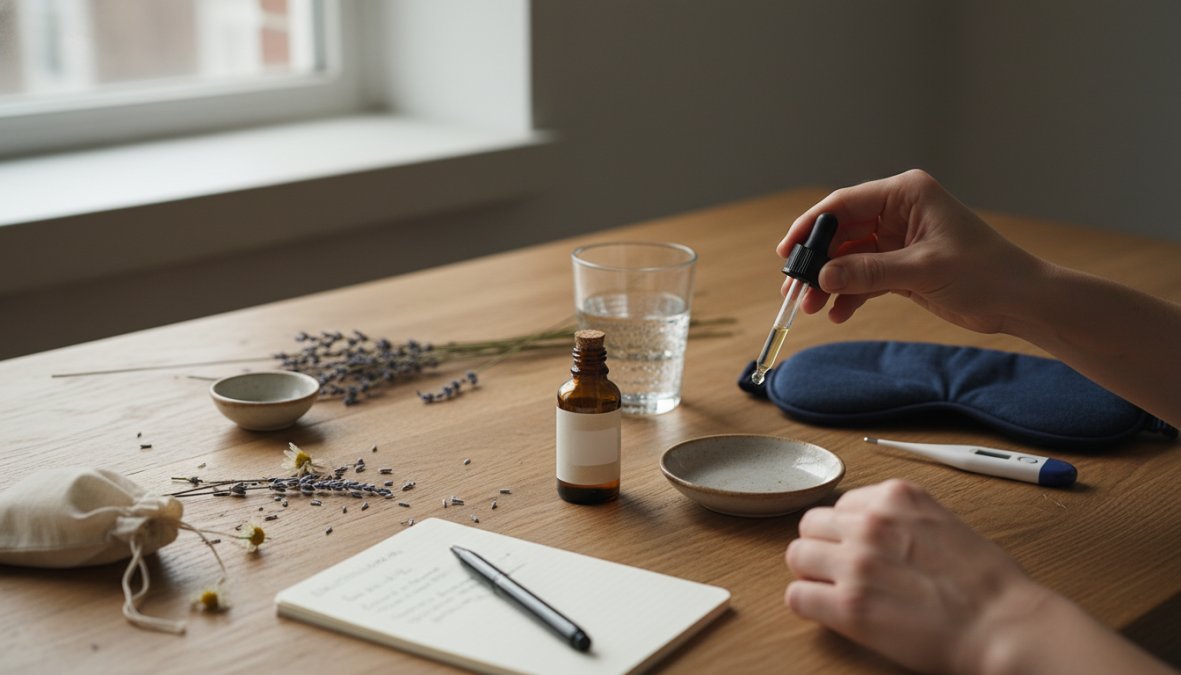
The practical steps:
- Shake the bottle before each use to distribute the hemp extract evenly
- Fill the dropper to your target dose (most droppers hold 1mL)
- Place under the tongue, hold for 60-90 seconds
- Swallow, then avoid eating or drinking for 15 minutes
- Take 30-60 minutes before your intended sleep time
- Track your dose and response for the first two weeks
Water-based CBD formulations, like those used by CBD Health Collection, improve this process by increasing the absorption rate further. Standard oil-based tinctures have bioavailability limitations that water-soluble formats address.
Drug Interactions and Safety Considerations
This is the section most CBD sleep guides skip, and it’s the one that matters most for safety.
CBD is metabolized by the cytochrome P450 enzyme system in the liver, the same system that processes a large proportion of prescription medications. When CBD occupies these enzymes, it can slow the metabolism of other drugs, causing them to accumulate to higher-than-intended levels in the bloodstream. This is clinically significant for blood thinners (warfarin), certain antidepressants, antiepileptics, and sedatives.
According to Cleveland Clinic drug interaction guidance for CBD, patients taking any prescription medication should consult their physician before starting CBD. This isn’t generic legal boilerplate. The interaction is real and the consequences can be serious.
The "grapefruit warning" is a useful proxy: if your medication carries a grapefruit interaction warning, it likely interacts with CBD through the same pathway. Check before you start.
Do not combine CBD with prescription sedatives, benzodiazepines, or blood thinners without medical supervision. CBD inhibits the same liver enzymes that metabolize these drugs, which can raise their blood concentration to unsafe levels.
Sleep Hygiene Tips to Maximize CBD Effectiveness
CBD works best as part of a sleep hygiene system, not as a standalone fix. The most common mistake is treating it like a sleeping pill, expecting it to override poor sleep habits. It doesn’t work that way.
Practices that compound CBD’s effectiveness:
- Consistent sleep and wake times (even on weekends)
- Screen exposure reduction 60-90 minutes before bed
- Room temperature between 65-68°F for optimal sleep architecture
- Taking CBD at the same time each night to establish a routine signal
- Avoiding alcohol, which disrupts REM sleep and counteracts CBD’s relaxation effects
The combination of good sleep hygiene and CBD produces better results than either approach alone. This isn’t speculation; it’s how the underlying physiology works.
Best Time to Take CBD for Sleep: Timing Your Dose Right
The best time to take CBD for sleep is 30-60 minutes before your intended bedtime. CBD requires time to absorb and reach therapeutic concentration in the bloodstream, and taking it immediately before lying down means you’ll miss the peak absorption window.
Sublingual administration speeds this up compared to capsules or gummies. With a tincture held under the tongue for 60-90 seconds, onset typically occurs within 15-30 minutes. Capsules and soft gels pass through digestion first, which extends onset to 45-90 minutes and reduces bioavailability.
If you’re combining CBD with melatonin (as in cbdMD PM or CBDfx Sleep Tincture), timing becomes more important. Melatonin is most effective when taken 1-2 hours before sleep, which means these combination products may benefit from slightly earlier dosing than pure CBD tinctures.
One practical note: consistency matters more than precision. Taking CBD at the same time each night, whether that’s 9 PM or 11 PM, helps establish a behavioral cue that reinforces the sleep-onset signal.
Potential Side Effects, Risks, and When to See a Doctor
CBD is well-tolerated by most adults, but the safety picture is more nuanced than most roundups acknowledge. Understanding the difference between minor dose-dependent side effects and clinically significant drug interactions is essential before you start, especially if you already take any prescription medication for sleep, anxiety, pain, or cardiovascular health.
Common Side Effects
The most frequently reported side effects of CBD are mild and dose-dependent:
- Dry mouth: CBD reduces saliva production by interacting with receptors in the submandibular glands. Staying hydrated and reducing your dose usually resolves this.
- Fatigue or sedation at high doses: Paradoxically, very high doses of CBD can cause daytime drowsiness. If you wake up groggy, reduce your dose by 10-15mg and reassess.
- Digestive upset: Nausea, loose stools, or appetite changes occur in some users, particularly with oil-based tinctures taken on an empty stomach. Taking CBD with a small amount of food, especially one containing healthy fat, can reduce GI sensitivity.
- Transient blood pressure changes: Some users report a brief drop in blood pressure shortly after taking CBD. This is generally mild but relevant for anyone already managing low blood pressure or taking antihypertensives.
These effects are not dangerous for most healthy adults and typically resolve by adjusting the dose or timing.
Drug Interactions: A Categorized Reference
This is the section most CBD guides skip, and it is the most clinically important one. CBD is metabolized primarily by the cytochrome P450 (CYP450) enzyme system in the liver, specifically the CYP3A4 and CYP2C19 isoenzymes. These same enzymes process a large proportion of commonly prescribed medications. When CBD occupies these enzymes, it can slow the metabolism of co-administered drugs, causing them to accumulate to higher-than-intended plasma concentrations. In some cases, the reverse occurs: CBD can induce certain enzymes, accelerating drug clearance and reducing therapeutic effect.
The practical shorthand: if your medication carries a grapefruit warning, it almost certainly interacts with CBD through the same CYP3A4 pathway. This is not a coincidence, grapefruit contains furanocoumarins that inhibit the same enzyme family CBD affects.
Below is a categorized reference of drug classes where CBD interactions are most clinically documented or plausible based on known metabolic pathways:
High-priority interaction categories (consult your physician before combining with CBD):
| Drug Category | Common Examples | Interaction Mechanism | Potential Effect |
|---|---|---|---|
| Blood thinners (anticoagulants) | Warfarin (Coumadin) | CYP2C9 inhibition by CBD | Elevated warfarin levels → increased bleeding risk |
| Benzodiazepines | Diazepam, lorazepam, clonazepam | CYP3A4 inhibition | Increased sedation, respiratory depression risk |
| Prescription sleep aids | Zolpidem (Ambien), eszopiclone (Lunesta) | CYP3A4 inhibition | Prolonged sedative effect, next-day impairment |
| Antidepressants (SSRIs/SNRIs) | Sertraline, fluoxetine, venlafaxine | CYP2D6 and CYP3A4 pathways | Variable: may increase or decrease drug levels |
| Antiepileptics | Clobazam, valproate | CYP3A4 and CYP2C19 inhibition | Elevated drug levels; this interaction is documented in Epidiolex clinical trials |
| Antipsychotics | Quetiapine, haloperidol | CYP3A4 inhibition | Elevated plasma levels, increased side effect risk |
| Immunosuppressants | Tacrolimus, cyclosporine | CYP3A4 inhibition | Narrow therapeutic index drugs, serious toxicity risk |
| Opioid pain medications | Oxycodone, codeine | CYP3A4 and CYP2D6 pathways | Altered opioid metabolism; unpredictable effect |
| Beta-blockers | Metoprolol, carvedilol | CYP2D6 inhibition | Elevated beta-blocker levels, bradycardia risk |
Do not combine CBD with prescription sedatives, benzodiazepines, blood thinners, or any narrow-therapeutic-index medication without explicit guidance from your prescribing physician. The interaction is pharmacologically real and the consequences can be serious. This table is a reference tool, not a substitute for individualized medical advice.
The antiepileptic interaction is particularly well-documented because Epidiolex (pharmaceutical-grade CBD) was studied in controlled trials alongside clobazam. Researchers observed that CBD significantly elevated clobazam metabolite levels, requiring dose adjustments in many patients. This is the clearest clinical proof of concept for how CBD-drug interactions work in practice.
For a comprehensive and searchable drug interaction reference, the Liverpool Drug Interactions Group CBD interaction checker and the FDA drug interaction guidance for cannabidiol provide regularly updated clinical resources.
Who Should Not Use CBD Without Medical Supervision
- Anyone taking any prescription medication listed in the table above, or any drug with a grapefruit warning
- People with liver disease or impaired hepatic function (CBD is processed hepatically; impaired clearance can elevate CBD levels unpredictably)
- Pregnant or breastfeeding individuals (insufficient safety data; the FDA advises against use)
- Anyone with a history of substance use disorder (though CBD itself is not considered addictive, combination products with CBN or trace THC warrant caution)
- Children and adolescents (outside of physician-supervised epilepsy treatment)
When to See a Doctor About Your Sleep
CBD may support sleep quality, but it is not a diagnostic tool and it does not treat underlying sleep disorders. Certain symptoms require clinical evaluation regardless of whether CBD helps in the short term:
- Loud snoring, gasping, or witnessed breathing pauses during sleep, these are hallmark signs of obstructive sleep apnea, a condition that CBD cannot address and that carries serious cardiovascular risk if untreated
- Persistent insomnia lasting more than three months, this meets the clinical threshold for chronic insomnia disorder, which responds well to Cognitive Behavioral Therapy for Insomnia (CBT-I) and may require medical workup
- Uncontrollable urge to move your legs at night, restless leg syndrome has specific pharmacological treatments and a distinct pathophysiology
- Excessive daytime sleepiness despite adequate nighttime sleep, this warrants evaluation for narcolepsy, hypersomnia, or other conditions
- Sleep disruption accompanied by mood changes, weight changes, or other systemic symptoms, sleep is often the first casualty of underlying medical or psychiatric conditions
The American Academy of Sleep Medicine clinical resources provides guidance on when sleep symptoms warrant formal assessment, including a directory of accredited sleep centers.
The FDA has not approved CBD as a treatment for insomnia or any sleep disorder. The one FDA-regulated CBD medication currently approved, Epidiolex, is indicated specifically for certain epilepsy syndromes. This does not mean CBD is ineffective for sleep support; it means the clinical evidence base is still maturing and regulatory approval has not followed consumer use.
Conclusion: Which CBD Oil for Sleep Is Right for You?
Choosing from the best cbd oil for sleep reviews on this list comes down to three questions: Do you need THC-free? Do you want additional sleep compounds like CBN or melatonin? And what’s your actual cost-per-milligram budget? Most buyers who answer those three questions honestly end up with a clear answer.
For the majority of users, CBD Health Collection stands out as the top choice because of its pharmaceutical-grade manufacturing standards, water-based bioavailability technology, and commitment to COA transparency. The CO2 extraction process and GMP-registered facility mean you’re getting what the label says, which is a higher bar than most of the market clears.
Get started with CBD Health Collection and experience the difference that clean extraction, verified potency, and optimized absorption make for genuine sleep support.
Frequently Asked Questions
Does CBD oil really help with sleep?
CBD may support sleep by interacting with the endocannabinoid system, which plays a role in regulating relaxation, anxiety, and sleep cycles. Many users report reduced sleep latency and fewer nighttime wake-ups, particularly with full-spectrum or CBD+CBN formulas. However, clinical studies are still emerging, and results vary by individual. Products combined with CBN, melatonin, or calming terpenes tend to show stronger sleep-support effects than CBD isolate alone. Always review third-party COA lab results before purchasing any CBD oil for sleep.
How much CBD oil should I take for sleep, what is the right dosage?
CBD dosage for sleep typically ranges from 15mg to 50mg per night, depending on body weight, tolerance, and the severity of your sleep issues. Beginners should start low, around 15-25mg, and increase gradually every few nights until the desired effect is achieved. Products like the Lazarus Naturals Sleep Tincture deliver 30mg CBD plus 20mg CBN per mL, offering a potent starting point. Always follow the manufacturer's dosing guidelines and consult a healthcare provider if you take other medications.
Is full-spectrum or broad-spectrum CBD better for sleep?
Full-spectrum CBD contains all cannabinoids including trace THC, which may enhance the entourage effect and produce deeper relaxation. Broad-spectrum CBD is THC-free, making it better for those who undergo drug testing or are sensitive to THC. For sleep specifically, the best broad-spectrum vs full-spectrum CBD choice depends on your sensitivity and lifestyle. Both formats can be effective when combined with sleep-targeting cannabinoids like CBN and relaxing terpenes. Review each product's COA to confirm cannabinoid profiles before deciding.
When is the best time to take CBD oil for sleep?
The best time to take CBD oil for sleep is generally 30 to 60 minutes before bedtime. Sublingual administration, placing drops under the tongue and holding for 60-90 seconds, improves bioavailability and speeds onset compared to swallowing directly. If your formula includes melatonin, taking it closer to your target sleep time (within 30 minutes) aligns with melatonin's natural release window. Consistency matters: taking CBD at the same time each night helps your body establish a predictable sleep routine.
Can CBD oil interact with medications I already take?
Yes, CBD can interact with certain medications, particularly those metabolized by the liver enzyme CYP450, including blood thinners, antidepressants, and anticonvulsants. CBD may increase or decrease how quickly your body processes these drugs, potentially altering their effectiveness or side effects. This is especially important for anyone taking sedative medications, as combining them with CBD's relaxation effects could amplify sedation. Always consult your doctor or pharmacist before adding any CBD oil for sleep to your existing medication regimen.
What should I look for when buying CBD oil for sleep?
When evaluating the best CBD oil for sleep, prioritize products with an accessible Certificate of Analysis (COA) from an accredited third-party lab confirming potency and purity. Look for US-grown, organically sourced hemp, CO2 extraction methods, and a clear cannabinoid profile, ideally including CBN for sleep support. Compare cost-per-milligram to assess true value. Avoid products without transparent lab results, and consider whether you need a THC-free broad-spectrum formula or a full-spectrum option for maximum entourage effect.
This article was written using GrandRanker