Table of Contents
- Why CBD Oil Didn’t Work for You: Common Culprits
- How Long Does It Take for CBD to Work
- CBD Dosage for Beginners: Finding Your Therapeutic Window
- How to Choose High Quality CBD Oil That Actually Works
- Biological Factors That Affect CBD Effectiveness
- Product Quality and Purity Issues Sabotaging Results
- Making CBD Work: Next Steps Forward
Last Updated: August 10, 2026
Why CBD Oil Didn’t Work for You: Common Culprits
If you’ve tried CBD oil and felt nothing, you’re not alone. Many people invest in CBD expecting relief from chronic pain, anxiety, or sleep issues, only to find themselves disappointed. But here’s what matters: why CBD oil didn’t work for you often has nothing to do with whether CBD itself is effective. It’s usually one of seven specific, fixable issues.
The gap between expectation and reality comes down to three categories: how you’re using it, what you’re using, and how your body processes it. Understanding which applies to you transforms CBD from a failed experiment into a tool that actually works.
This guide walks you through the real reasons your CBD oil didn’t deliver, then shows you exactly how to fix each one.
The most common reason CBD oil doesn’t work is incorrect dosage, too low, too infrequent, or started without a clear baseline. The second most common is product quality issues that compromise potency and purity. The third is biological factors unique to your metabolism and endocannabinoid system sensitivity.
How Long Does It Take for CBD to Work
CBD doesn’t work like ibuprofen. You won’t feel relief in 30 minutes for most conditions, and that’s the first expectation that needs resetting. How long does it take for CBD to work depends on delivery method, your individual metabolism, and what you’re treating.
Sublingual CBD oil (held under the tongue) typically takes 15-45 minutes to begin working, with peak effects around 60-90 minutes. Topical freeze gels work faster for localized pain, often within 10-15 minutes. Edibles and gummies take longer, usually 30-120 minutes, because they must pass through your digestive system first.
The real issue is that most people expect to feel something immediately and stop after one or two doses. For chronic conditions, arthritis, persistent anxiety, sleep disruption, your body needs consistent, repeated exposure to build therapeutic benefit. Many practitioners recommend a minimum of 7-14 days of consistent use before evaluating whether it’s working.
Your metabolism also matters. Some people’s bodies process cannabinoids quickly; others retain them longer. This affects both how fast you feel effects and how long they last.
Track your baseline before starting. Write down your pain level (1-10), sleep quality, or anxiety symptoms for 3 days before taking any CBD. This gives you a real comparison point instead of relying on memory.
CBD Dosage for Beginners: Finding Your Therapeutic Window
This is where most people fail without realizing it. CBD dosage for beginners isn’t a one-size-fits-all number; it’s a range you discover through careful adjustment. The therapeutic window is the sweet spot where you feel benefits without wasting product.
Most beginners start too low. A 5mg dose might feel like nothing because it’s below the threshold your endocannabinoid system needs to respond. But jumping to 50mg on day two is equally problematic, you overshoot, feel nothing, and conclude CBD doesn’t work.
A practical starting protocol: begin with 10-15mg daily for 3-5 days. If you notice no change, increase by 5-10mg and hold there for another 3-5 days. Continue this pattern until you feel the effect you’re seeking. Most people find their effective dose between 15-50mg daily.
The timing matters too. Taking CBD at the same time each day, ideally with a meal containing fat, which improves absorption, creates a stable baseline your body can build on. Consistency matters more than perfection.
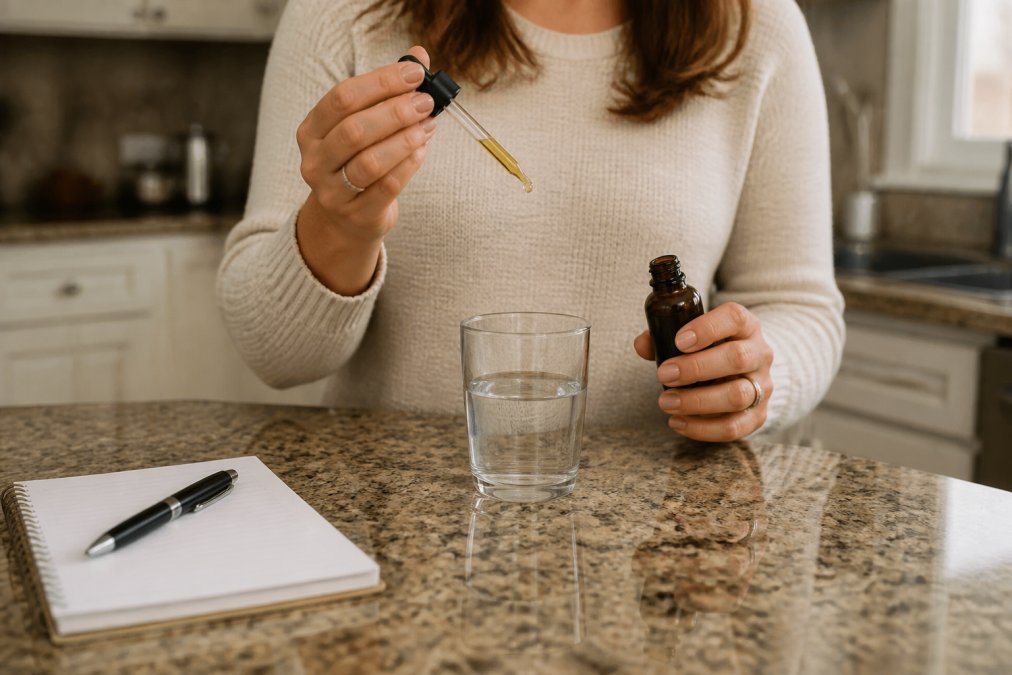
Many people give up after 2-3 weeks. Your endocannabinoid system needs time to respond to regular CBD exposure. Practitioners recommend a full 30 days of consistent dosing before deciding whether it’s working.
Jumping doses too quickly is a common mistake. Your body needs time to adapt to each level. Rapidly escalating from 10mg to 40mg in a week often produces the opposite of the intended effect. Patience with titration produces better results than aggressive dosing.
How to Choose High Quality CBD Oil That Actually Works
Many people’s CBD oil didn’t work because the product itself was compromised. The CBD industry has minimal federal oversight, which means quality varies wildly. A bottle labeled "1000mg CBD" might contain half that, or contaminants that interfere with absorption.
High-quality CBD oil has three non-negotiable characteristics: verified potency, purity testing, and bioavailability optimization.
Verified potency means the milligrams listed on the label match what’s actually in the bottle. This is verified through third-party lab testing by an independent facility, not the company’s own lab. A certificate of analysis (COA) should be publicly available on the company’s website or provided upon request. If a company won’t provide a COA, that’s a red flag.
Purity testing screens for heavy metals, pesticides, mold, and residual solvents. CBD is extracted from hemp, which absorbs whatever’s in the soil. A quality third-party lab tests for all of these contaminants. Results should be publicly available.
Bioavailability optimization is where many brands fall short. Raw CBD oil has poor absorption; your body can only use a fraction of what you take. Water-based or liposomal formulations improve this significantly by helping your digestive system absorb more of the active cannabinoid.
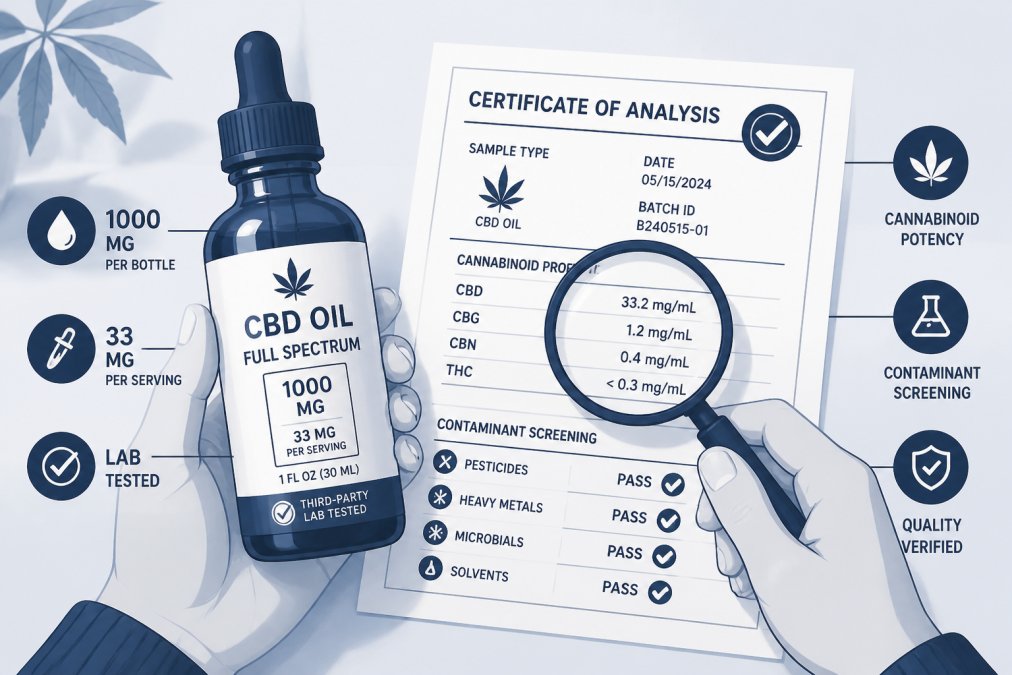
CBD Health Collection products address all three. Every product is independently third-party tested with publicly available COAs. The hemp is organically grown and sourced from U.S. farms. The extraction uses a clean CO2 process in a GMP- and FDA-registered facility. Their formulations prioritize bioavailability through water-based technology.
When evaluating any CBD product, ask: Can you access the COA? Does it test for heavy metals, pesticides, and residual solvents? Is the hemp domestically sourced? What extraction method was used? Does the formulation address bioavailability? If a company can’t answer these clearly, move on.
People who tried CBD oil from a gas station or untested online retailer and felt nothing. These sources rarely verify potency or purity, so you might be taking 200mg of mostly inert product. Switching to a quality brand with verified testing often produces the results that cheaper products couldn’t deliver.
Biological Factors That Affect CBD Effectiveness
Your body’s unique biology plays a major role in whether CBD works for you. This isn’t about willpower or belief; it’s about how your endocannabinoid system is wired and how efficiently your body processes cannabinoids.
The endocannabinoid system (ECS) is a network of receptors throughout your body that regulates pain, mood, sleep, and immune function. CBD interacts with this system, but the strength of that interaction varies person to person. Some people have naturally higher receptor sensitivity; others have lower baseline receptor density.
Metabolism speed also matters. People with faster metabolisms process CBD more quickly, which means shorter duration of effects. People with slower metabolisms retain CBD longer. Your age, body composition, liver function, and genetics influence this.
Consistency of use affects how your endocannabinoid system responds. Regular CBD use can upregulate receptor sensitivity over time, meaning your body becomes more responsive to the cannabinoid. This is why people often report that CBD becomes more effective after several weeks of consistent use.
Other substances in your body affect CBD effectiveness too. Taking CBD alongside certain medications can enhance or reduce its effects. The presence of food in your stomach, especially fat, dramatically improves CBD absorption. Dehydration can reduce effectiveness.
Product Quality and Purity Issues Sabotaging Results
Beyond bioavailability, pure potency matters. A bottle claiming 1000mg of CBD that actually contains 500mg is obviously problematic. But subtler quality issues also undermine results.
Terpene profile affects how your body processes CBD. Terpenes are aromatic compounds in hemp that work synergistically with cannabinoids, this is called the entourage effect. Full-spectrum CBD oil contains all the plant’s cannabinoids and terpenes. Broad-spectrum removes most THC but keeps other cannabinoids and terpenes. CBD isolate contains only pure cannabidiol. For many people, full-spectrum or broad-spectrum works better than isolate. If you’ve only tried isolate, switching might be the difference.
Carrier oil quality matters too. CBD is fat-soluble, so it’s suspended in an oil base. Cheap carrier oils don’t absorb well. Quality carrier oils like organic coconut oil or MCT improve bioavailability.
Storage and handling affect potency over time. CBD degrades when exposed to heat, light, or oxygen. Reputable brands use dark glass bottles and include storage instructions.
Contamination is the most serious quality issue. Pesticides, heavy metals, mold, and residual solvents don’t just reduce effectiveness; they can cause harm. This is why third-party testing is non-negotiable.
Making CBD Work: Next Steps Forward
If you’ve tried CBD oil and it didn’t work, you now have a diagnostic framework. Start by identifying which category applies to you: Did you give it enough time? Was your dose too low? Did you choose a quality product? Or is your body’s metabolism simply different?
The most practical next step is to restart with a clear protocol. Choose a quality product with verified testing and transparent sourcing. Start with 10-15mg daily and increase gradually every 5 days while tracking your baseline symptoms. Commit to 30 days of consistent daily use at the same time each day, with food containing fat. Then evaluate honestly whether you notice changes.
If after 30 days you feel nothing, consider switching delivery methods. Topical gels work differently than oral oils. Some people respond better to one method than another.
If you still feel nothing after trying multiple approaches, your endocannabinoid system might simply be less responsive to CBD than average. This doesn’t mean you’re broken; it means CBD might not be your solution.
CBD Health Collection’s 30-day satisfaction guarantee exists because the company understands this process. If you’ve tried their products following this protocol and genuinely feel no benefit, they’ll refund your purchase.
The difference between CBD oil that doesn’t work and CBD oil that transforms your daily life often comes down to one fixable detail. You’ve now identified what that detail likely is for you. Start with a quality product, follow the dosage protocol outlined here, and give your endocannabinoid system the 30 days it needs to respond.
| Issue | Root Cause | Solution | Timeline |
|---|---|---|---|
| Felt nothing immediately | Unrealistic expectations about onset time | Sublingual takes 15-90 minutes; edibles take 30-120 minutes; give it time | 1-2 hours per dose |
| Felt nothing after one dose | Dose too low or too infrequent | Start at 10-15mg daily; increase by 5-10mg every 5 days | 7-14 days to assess |
| Felt nothing after one week | Insufficient trial period | Continue consistent dosing for full 30 days | 30 days minimum |
| Felt nothing despite high dose | Overshot therapeutic window or poor absorption | Lower dose, ensure food with fat, verify product quality | 5-7 days at new dose |
| Inconsistent results | Sporadic dosing or poor product quality | Take same dose at same time daily; verify third-party COA | 14-21 days consistent |
| Worked briefly, then stopped | Possible tolerance or inconsistent product | Verify product batch consistency; consider cycling breaks; consult practitioner | Varies |
The real reason your CBD oil didn’t work probably wasn’t that CBD itself is ineffective. It was likely one of these seven issues: incorrect dosage, insufficient trial time, poor product quality, biological factors, inconsistent use, unrealistic expectations about onset time, or a mismatch between delivery method and your needs. Each has a clear fix. According to research on cannabinoid bioavailability, absorption and effectiveness vary significantly based on formulation quality and individual metabolism. The American Herbal Products Association standards for hemp products emphasize third-party testing and transparent sourcing as essential markers of quality, and studies on CBD dosing protocols consistently show that gradual titration over 30 days produces better outcomes than random dosing. Start with a quality product, follow the protocol, and give it the time your body needs.
Frequently Asked Questions
Why isn't my CBD oil working for pain relief?
Several factors could explain why your CBD oil isn't delivering results. You may be using too low a dose, not giving it enough time to build up in your system, or using a low-quality product with insufficient potency. Your individual metabolism, body weight, and endocannabinoid system sensitivity also play roles. Additionally, if you're taking medications, drug-drug interactions could reduce effectiveness. Start by verifying your product's third-party lab testing results, gradually increase your dosage, and maintain consistent use for at least 2-4 weeks before concluding it doesn't work for you.
How long does it take for CBD to work for chronic pain?
Most people notice initial effects within 15 minutes to 2 hours when using sublingual CBD oil, though pain relief typically develops gradually over days or weeks. Your body needs time to build up CBD levels and for your endocannabinoid system to respond. Consistency matters significantly, taking CBD sporadically produces weaker results than daily use. Chronic pain sufferers often require 2-4 weeks of regular dosing to experience meaningful improvement. Topical products like freeze gels work faster on localized pain, while oral formulations require more time due to metabolism and bioavailability factors.
What dosage of CBD should beginners start with?
Most beginners start with 5-10 mg of CBD daily, taken sublingually for better absorption. However, the right dose depends on your body weight, metabolism, the condition you're treating, and product potency. A general guideline is 0.25 mg per pound of body weight as a starting point. Keep a symptom tracking log to monitor effects, then adjust by 5-10 mg increments every 3-5 days until you find your therapeutic window, the dosage where you experience benefits without side effects. Always verify your product's certificate of analysis to know the exact CBD content per serving.
How can I tell if my CBD oil is high quality?
High-quality CBD oil comes from organically grown hemp extracted using clean CO2 processes and independently third-party lab tested. Request the certificate of analysis from the seller, it should verify potency, confirm the absence of heavy metals, pesticides, and microbial contaminants, and show cannabinoid profiles including full-spectrum or broad-spectrum composition. Look for products from GMP- and FDA-registered facilities. Reputable brands like CBD Health Collection provide transparent testing results and source their hemp from USA-grown plants. Avoid products making unsubstantiated medical claims or refusing to share lab testing documentation.
This article was written using GrandRanker