A dropper full of CBD oil is only helpful if your dog will actually take it – and if you can give it consistently. Learning how to give dog CBD oil starts with choosing a pet-specific, THC-free formula, then finding the administration method your dog accepts without stress. Some dogs take oil directly from the dropper. Others do far better with a small bite of food.
The goal is not to make CBD complicated. It is to create a simple routine that supports your dog’s everyday comfort while keeping safety, accurate dosing, and your veterinarian’s guidance at the center.
Start with a CBD oil made for dogs
Do not assume a CBD product made for people is automatically appropriate for pets. Human products may contain ingredients that are unsuitable for dogs, including flavorings, essential oils, sweeteners, or additional active ingredients. Xylitol, in particular, is toxic to dogs and should never be present in anything you give your pet.
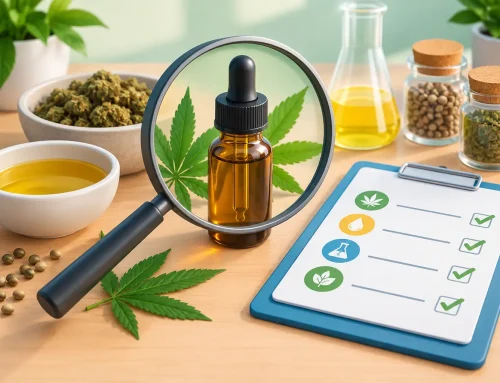
Look for a pet formula with a short, clearly stated ingredient list and no detectable THC. THC can affect dogs differently than people and may cause unwanted reactions even at relatively small amounts. A trustworthy product should also provide independent laboratory testing so you can verify its cannabinoid content and check for contaminants such as heavy metals, pesticides, and residual solvents.
Pay close attention to the concentration on the label. CBD oil may list the total amount of CBD in the bottle, the amount per milliliter, or the amount in each full dropper. Those are not always the same number. Knowing the amount per serving helps you give a consistent dose rather than guessing based on drops alone.
For pet parents who value a simple, non-intoxicating option, a THC-free pet formula from CBD Health Collection is designed with purity and clear labeling in mind. Still, every dog is different, so the right amount and routine depend on your pet’s size, health history, and response.
How to give dog CBD oil: three easy methods
The best method is the one your dog will tolerate calmly and receive consistently. Start with the approach that matches your dog’s personality, then adjust if needed.
Give it directly by mouth
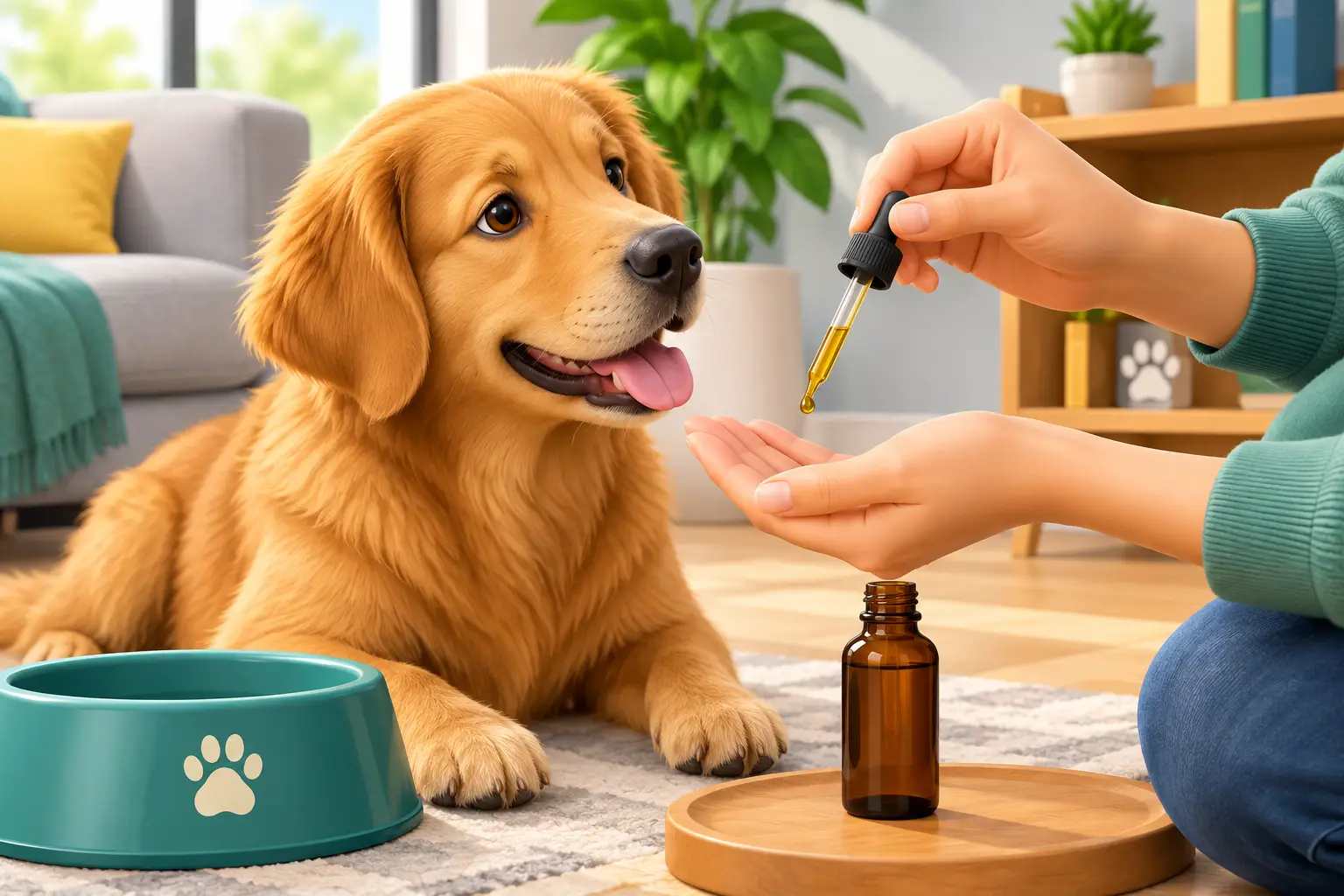
Direct administration can be useful when you want the most accurate dose. Draw up the measured amount with the dropper, then gently place the tip in the side of your dog’s mouth, between the cheek and teeth. Slowly release the oil. Avoid aiming straight toward the back of the throat, which can make your dog cough or pull away.
Offer a favorite treat and calm praise afterward. If your dog becomes anxious about the dropper, do not force the process. A struggle can make future doses harder and can create unnecessary stress for both of you.
Add it to a small amount of food
Many dogs accept CBD oil easily when it is mixed into a small serving of wet food, plain canned pumpkin, or another pet-safe favorite. Use a small amount first, rather than stirring it into an entire bowl of food. That way, you know your dog has finished the full dose before receiving the rest of the meal.
Food can make administration easier, especially for picky dogs. It may also be gentler for dogs with sensitive stomachs. The trade-off is that a dog who walks away from the food may not receive the intended amount.
Place it on a treat
A porous treat can hold oil well. Add the measured dose to a small biscuit, soft chew, or bite-size piece of dog-safe food, then allow the oil to absorb for a moment before offering it. This option works well for dogs who recognize the dropper and immediately lose interest.
Avoid using high-fat people foods, chocolate, grapes, raisins, onions, garlic, or anything containing artificial sweeteners. A simple, familiar dog treat is the safer choice.
Start low and keep the routine consistent
There is no one CBD serving that fits every dog. Body weight matters, but so do age, breed, metabolism, current medications, and the reason you are considering CBD. Follow the product’s pet dosing directions as a starting point, and speak with your veterinarian before introducing CBD, especially if your dog has a medical condition or takes prescription medication.
Start with the lowest recommended amount. Give it consistently for several days before considering an adjustment, unless your veterinarian advises otherwise. Changing the amount too quickly makes it difficult to tell what is helping, what is not, and whether your dog is having an unwanted effect.
A brief daily note can be surprisingly useful. Record the time you gave the oil, the amount, whether it was given with food, and changes you notice in your dog’s behavior, mobility, sleep, appetite, or mood. This record gives you and your veterinarian a clearer picture than memory alone.
Consistency also matters because dogs thrive on routine. Giving CBD at about the same time each day can make the process easier to remember and less disruptive for your pet. If you are using it as part of an evening calming routine, give it at the same point in that routine rather than only on especially challenging days.
When should you give your dog CBD oil?
Timing depends on why you are using it and how your dog responds. Some pet parents prefer to give CBD with breakfast so they can observe their dog during the day. Others use it in the evening as part of a quieter bedtime routine. Giving it with a meal may be the most practical choice for dogs who do not enjoy the taste of oil or who have a sensitive stomach.
If your dog is using other medications, do not assume CBD can be given at the same time. CBD may affect how the body processes certain medications. Your veterinarian can help determine whether spacing doses apart or avoiding CBD altogether is the right choice.
CBD should not replace veterinary treatment for pain, anxiety, mobility changes, seizures, digestive concerns, or other ongoing health issues. A sudden change in your dog’s behavior or comfort level deserves professional attention, even if you plan to use CBD as part of their broader wellness routine.
Watch for changes, especially at the beginning
Most dogs should be monitored closely when starting any new supplement. Mild effects can include sleepiness, loose stool, changes in appetite, or temporary digestive upset. If you notice these changes, stop giving the product and contact your veterinarian for guidance before trying it again.
Seek veterinary advice promptly if your dog shows more concerning signs, including:
- Extreme lethargy or difficulty waking
- Vomiting that continues or becomes severe
- Unsteady walking, disorientation, or unusual agitation
- Tremors, collapse, or trouble breathing
These signs are not something to manage at home by changing the dose. Bring the product packaging with you or have the label available so your veterinary team can see exactly what your dog received.
Make CBD part of thoughtful pet care
CBD works best when it is approached as one element of a well-rounded care plan, not a shortcut. Regular veterinary visits, appropriate movement, a balanced diet, healthy weight management, and a predictable home routine all play a meaningful role in your dog’s quality of life.
Keep the bottle stored securely, away from curious pets and children, and use the marked dropper rather than a kitchen spoon or unmeasured drops. Review the expiration date and label before each new bottle, since formulas and serving guidance can vary.
The simplest answer to how to give dog CBD oil is also the most dependable: choose a clean THC-free product, measure carefully, start with a low labeled serving, and give it in the way your dog accepts comfortably. A calm, consistent routine gives you the best chance to understand whether it is a good fit for your companion.