A CBD product can look polished online and still leave out the details that matter most: whether it contains detectable THC, what is actually in the bottle, and whether an independent lab verified it. Knowing how to buy CBD online means looking past a low price or a bold promise and choosing a product that fits your needs, comfort level, and standards for quality.
For many people, the goal is straightforward. They want support for everyday discomfort, occasional sleeplessness, stress, or a pet’s wellness routine without intoxication or uncertainty. A thoughtful purchase process helps make that possible.
Start with the outcome you want
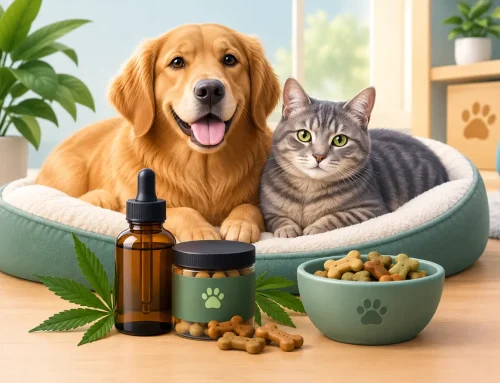
CBD is not a one-size-fits-all purchase. Before comparing brands, identify the kind of support you are looking for and how you prefer to use a product. Someone seeking targeted comfort after a long day may prefer a topical cream, roll-on, or salve. Someone building a daily wellness or stress-management routine may prefer an oil or gummy. Pet owners should choose products formulated specifically for pets, with clear serving guidance based on the animal’s size.
This first decision narrows the field quickly. It also prevents a common mistake: buying a product because it has a high CBD number without considering whether its format makes sense for the intended use.
Topicals are applied to a specific area and can be a practical choice when the goal is localized support. Oils allow more flexible serving sizes, which can be helpful for people who want to begin with a smaller amount and adjust gradually. Gummies are simple and familiar, though each serving is pre-measured. None of these formats is automatically better. The right choice depends on your routine, preferences, and the support you want.
Confirm the product’s THC status
THC is one of the most important details to verify when shopping online. Hemp-derived CBD products can be labeled in different ways, and those labels are not interchangeable.
If avoiding THC is a priority, look for a product that clearly states it contains no detectable THC and confirm that statement through a current third-party lab report. This is especially relevant for people subject to workplace drug testing, active-duty service members, veterans, caregivers, and anyone who simply does not want THC in their wellness routine.
Do not assume that “hemp extract” or “broad spectrum” alone answers the question. Read the product description and the laboratory results. A trustworthy retailer should make its THC policy easy to understand rather than leaving customers to decode vague language.
Keep in mind that laws and regulations can change by state and by product category. A responsible online seller should communicate clearly about where it ships and any applicable restrictions. If you have legal, employment, or drug-testing concerns, review your situation carefully before purchasing.
Make third-party lab testing non-negotiable
A certificate of analysis, often called a COA, is one of the clearest signs that a CBD company takes transparency seriously. It is a report from an independent laboratory that examines a specific product batch. Ideally, it confirms cannabinoid content and screens for potential contaminants.
When reviewing a COA, start with the basics. Check that the product name or batch number matches the item you are considering. Confirm the CBD amount is reasonably consistent with the label claim. If the product is marketed as THC-free, look for results showing no detectable THC.
A more complete report may also include testing for pesticides, heavy metals, residual solvents, and microbial contaminants. These details matter because hemp can absorb compounds from the soil, and extraction methods can affect the finished product. Organic cultivation, CO2 extraction, and chemical-free processing are meaningful quality signals, but independent testing is what helps support those claims.
Be cautious when a brand says its products are “lab tested” but does not provide accessible reports, dates, or batch-specific information. Transparency should be easy to find, not something a customer has to request repeatedly.
Read the full ingredient label
CBD is only one part of the formula. The rest of the ingredient list tells you a great deal about what you are putting on or in your body.
For oils, look at the carrier ingredients and any flavorings. For gummies, check sweeteners, colors, allergens, and gelatin or pectin if dietary preferences matter. For topical products, review the base ingredients as well as supporting components such as menthol or essential oils, which may not suit every skin type. Pet products deserve the same level of attention. Avoid formulas with ingredients that may be unsuitable for animals, and consult your veterinarian if your pet takes medication or has an ongoing health condition.
A shorter ingredient list is not always better, but every ingredient should have a clear purpose. The label should also state the CBD amount per serving and the total CBD in the container. These are different numbers, and both help you compare products accurately.
Compare value by serving, not by the bottle
Online CBD pricing can be confusing because package sizes and concentrations vary. Instead of comparing only the total price, calculate the cost per serving or the cost per milligram of CBD. This gives you a more useful picture of value.
The least expensive option is not necessarily the best buy. A very low price can reflect lower CBD content, incomplete testing, inconsistent sourcing, or a formula that does not meet your needs. On the other hand, the highest concentration is not automatically the right starting point. Many customers prefer to begin with a modest serving, observe how they feel, and adjust within the product’s directions over time.
Consistency matters more than chasing a dramatic number. Choose a product you can use as directed and repurchase confidently if it works well for your routine.
Look at sourcing and formulation choices
Quality CBD starts well before the finished product reaches a warehouse. Look for information about how the hemp is grown, how CBD is extracted, and how the company approaches product formulation.
CBD sourced from organically cultivated hemp can be appealing to shoppers who want to minimize unnecessary agricultural chemicals. CO2 extraction is widely valued because it can extract desired hemp compounds without relying on harsh chemical solvents. A brand should also be able to explain its delivery format in plain language. For example, water-based CBD formats are designed to mix more readily with water and may be chosen by customers looking for a different absorption approach.
These details should inform your decision, not replace realistic expectations. CBD affects people differently, and wellness products should not be presented as cures or substitutes for professional medical care.
Evaluate the retailer, not just the product
When learning how to buy CBD online, the seller’s customer care is part of the purchase. Review its shipping policy, return process, subscription terms, contact options, and educational resources before checking out. A reliable company makes these policies visible and understandable.
Recurring delivery can be convenient for products you use regularly, but it should never feel difficult to manage. Make sure you understand how often you will be billed, whether you can skip an order, and how cancellation works. Free shipping can add value, but it should not distract from product quality and transparent service.
Customer reviews can offer useful context, particularly when they describe product texture, flavor, packaging, or ease of use. Read them with perspective. Individual experiences vary, and reviews should not outweigh lab results, ingredients, and clear product information.
Know when to ask a health professional
CBD may not be appropriate for everyone. Speak with a physician, pharmacist, or qualified health professional before using CBD if you are pregnant or nursing, take prescription medications, have a medical condition, or are considering CBD for a child. CBD can interact with certain medications, so this conversation is a sensible safety step rather than an afterthought.
For pets, a veterinarian can help you assess whether a CBD product is suitable and how it may fit alongside current medications or care plans. Start with the manufacturer’s serving guidance and monitor your pet closely for any changes.
A confident online CBD purchase is not about finding the flashiest label. It is about choosing a clean, clearly labeled, independently tested product from a company that respects your questions. When the details are easy to verify, you can focus less on uncertainty and more on building a wellness routine that feels right for you.