A sore knee after a long walk, tight shoulders after a day at the desk, or hands that feel stiff by evening can make ordinary routines feel harder than they should. CBD topicals offer a practical, non-intoxicating option for people who want to apply CBD directly where everyday discomfort shows up.
Unlike CBD oils or gummies, topical products are made for external use. They are applied to the skin over a specific area, making them a natural fit for targeted wellness routines. The right formula can be easy to keep in a gym bag, medicine cabinet, bedside table, or travel kit – ready when a familiar area needs extra care.
What Are CBD Topicals?
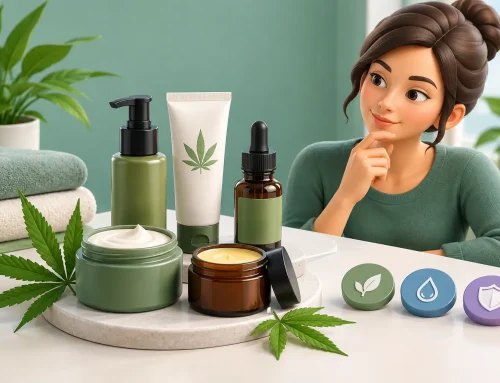
CBD topicals are products formulated for the skin, including creams, lotions, salves, balms, roll-ons, and gels. They combine cannabidiol, or CBD, with a base designed for comfortable application. Depending on the formula, that base may also include botanical ingredients such as menthol, essential oils, shea butter, aloe, or plant-based oils.
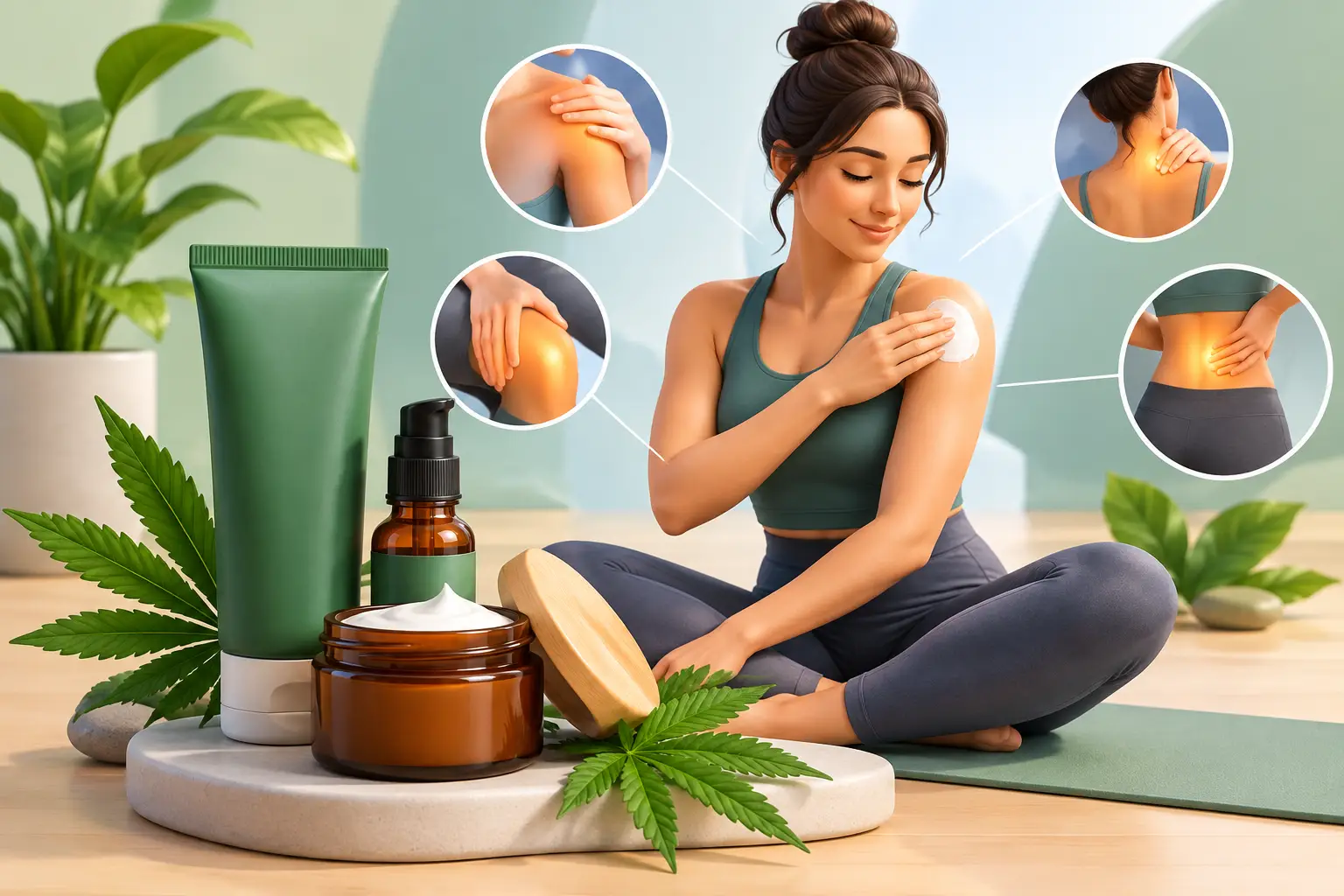
People commonly reach for a topical when they want focused support for areas such as the neck, shoulders, back, knees, wrists, hands, feet, or elbows. A cream may suit a larger area or daily moisturizing routine, while a salve or balm can feel richer and more protective on dry, concentrated areas. Roll-ons can be convenient for quick, mess-free application.
The experience depends on more than CBD alone. Texture, absorption, scent, and additional ingredients all influence whether a product feels right for your routine. A cooling menthol formula may be welcome after activity, for example, while a fragrance-free cream may be a better choice for someone with sensitive skin.
How CBD Topicals Fit Into a Daily Routine
Topicals are not meant to replace medical care, diagnosis, or treatment for ongoing pain or injury. They can, however, become a useful part of a broader self-care routine that may include movement, stretching, rest, hydration, physical therapy, or guidance from a healthcare professional.
Their main advantage is precision. Instead of changing your entire routine, you can apply a product to the area that needs attention and continue with your day. Many people use a topical after exercise, before bed, after gardening, during travel, or at the end of a physically demanding shift.
For first-time CBD users, topicals can feel more approachable than ingestible products because application is familiar. You are using a cream or salve on your skin, not changing your supplement routine. That does not mean every product is the same, though. Quality, ingredients, and THC content still matter.
Cream, Salve, Balm, or Roll-On?
Choosing a format is partly about preference and partly about use. Creams and lotions generally spread easily and can work well on broad areas such as the back, thighs, calves, or shoulders. They are often a comfortable choice for daily use because they leave the skin feeling moisturized rather than heavily coated.
Salves and balms tend to be thicker. They can be useful for hands, feet, elbows, knees, and other smaller areas where you want a more substantial layer. They are also popular in dry weather, when skin needs extra conditioning.
Roll-ons and gels prioritize convenience. A roll-on can be useful when you do not want product on your hands, while a gel may offer a lighter feel or a cooling sensation. There is no universally best format. The best CBD topical is the one you will use consistently and comfortably.
What to Look for in CBD Topicals
The CBD market can be crowded, and a polished label is not proof of quality. Look beyond bold promises and focus on the details that help you make an informed decision.
First, confirm that the product clearly states how much CBD it contains. A label should make it easy to understand the total CBD amount and, when possible, the amount per application. Vague descriptions make it difficult to compare products or use them consistently.
Next, look for independent lab testing. A current certificate of analysis can help verify cannabinoid content and screen for contaminants such as pesticides, heavy metals, residual solvents, and microbial impurities. This is one of the clearest signs that a company takes product quality seriously.
For shoppers who want to avoid THC exposure, choose a product labeled THC-free and verify that claim through third-party testing. Hemp-derived CBD products can vary widely, and terms such as full spectrum, broad spectrum, and isolate are not interchangeable. If no detectable THC is a priority for you, do not assume – check the product information and test results.
Ingredient quality matters, too. Choose formulas made with ingredients you recognize and feel comfortable putting on your skin. Organic cultivation, CO2 extraction, and chemical-free processing can be meaningful quality indicators when supported by transparent testing and clear product information.
Finally, consider the practical details: Is the scent acceptable? Does the formula contain menthol or essential oils that may irritate sensitive skin? Is the container easy to use? These questions may sound small, but they can determine whether a product earns a permanent place in your routine.
How to Use a CBD Topical Safely
Start with clean, dry skin. Apply a modest amount to the desired area and massage it in thoroughly. The massage itself can feel beneficial, especially around tense muscles, so take a moment rather than applying it in a rush.
Give the product time before deciding whether to apply more. Follow the label directions, which should explain recommended use and any cautions. Since formulas vary in CBD concentration and supporting ingredients, one product’s instructions should not be used as a guide for another.
A patch test is a smart first step, particularly if you have sensitive skin or are trying a product containing menthol, botanical extracts, or essential oils. Apply a small amount to a limited area and wait to see how your skin responds. Avoid use on broken or irritated skin, and keep topical products away from the eyes and mucous membranes.
If you are pregnant, nursing, managing a medical condition, taking prescription medications, or have questions about persistent discomfort, speak with a qualified healthcare professional. Seek medical care promptly for severe pain, swelling, numbness, weakness, or discomfort that follows an injury.
Setting Realistic Expectations
CBD topicals are best approached as personal wellness products, not miracle solutions. People respond differently based on the formula, their skin, the area being treated, and the nature of their discomfort. Some prefer a cooling sensation; others find it distracting. Some want a rich balm for nighttime use; others need a fast-absorbing cream before heading out the door.
Consistency can help you evaluate whether a product belongs in your routine. Use it as directed over several occasions, pay attention to how it feels on your skin, and note which situations make it most useful. A topical may be most valuable after activity, while an oil or gummy may better fit another wellness goal such as general daily balance or nighttime support.
CBD Health Collection focuses on THC-free CBD choices that are designed to make this decision clearer, with transparent testing and straightforward options for targeted everyday use.
The goal is not to find the loudest label or the strongest promise. It is to choose a clean, well-tested CBD topical that fits your needs, feels good to use, and gives you more confidence in caring for the routines that keep you moving.