A swollen knee after yard work, stiff hands first thing in the morning, a back that flares up after sitting too long – most people are really asking the same question: what decreases inflammation and pain in a way that feels safe, realistic, and sustainable?
The honest answer is rarely one thing. Inflammation can be protective in the short term, but when it lingers, it often shows up as soreness, heat, swelling, stiffness, or aches that keep coming back. Pain can come from that inflammatory response, but it can also be shaped by stress, poor sleep, old injuries, overuse, and health conditions that need medical attention. That is why the best approach is usually a steady routine, not a quick fix.
What decreases inflammation and pain most consistently?
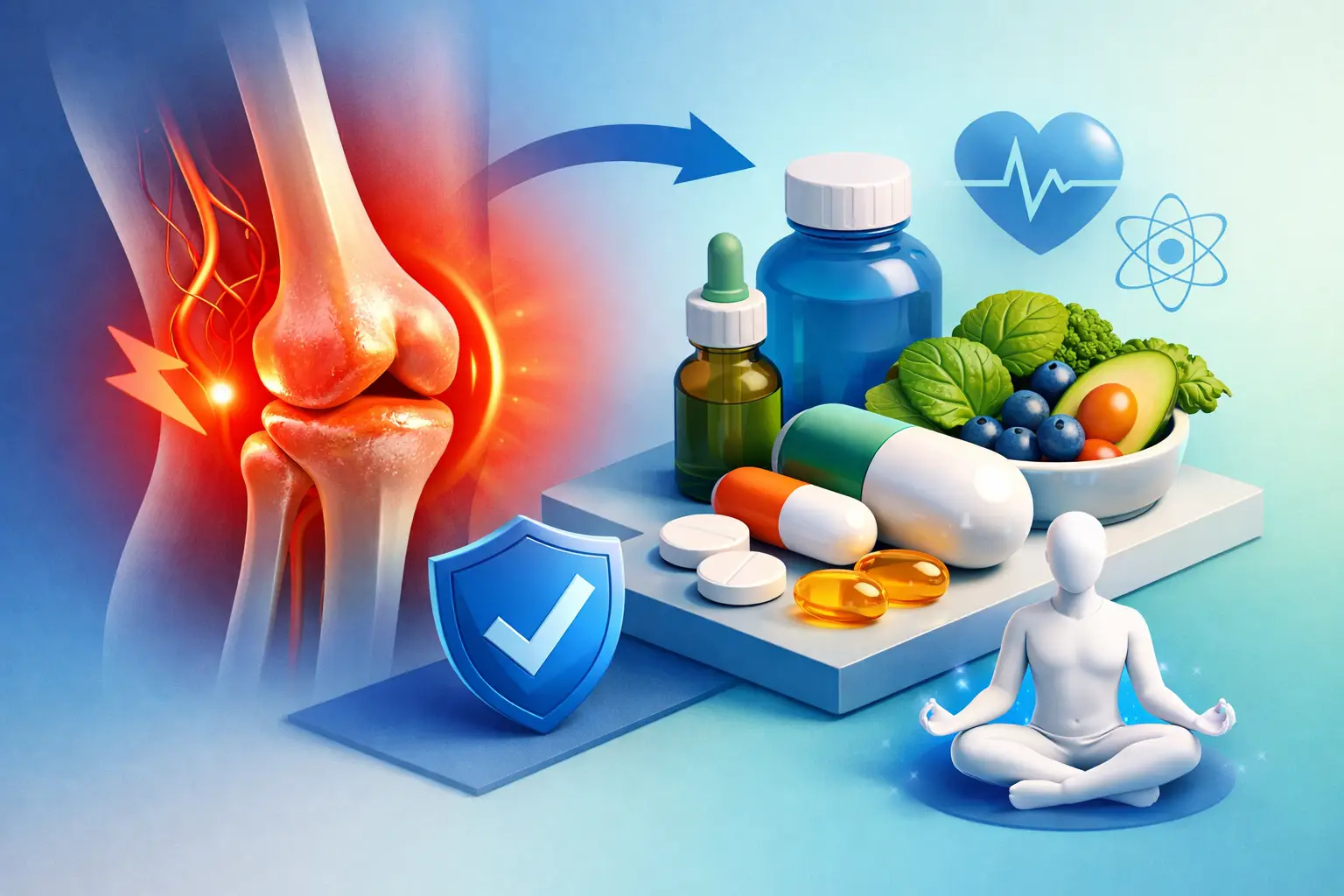
The most reliable strategies tend to work together. Better sleep, regular movement, smart recovery, an anti-inflammatory eating pattern, stress support, and targeted wellness tools all help calm the body instead of pushing it harder.
That may sound simple, but simple does not mean minor. When sleep is off, stress is high, and the body is underfed or overworked, inflammation often has more room to build. When those basics improve, pain often becomes easier to manage too.
Start with the cause, not just the symptom
If pain is sudden, severe, spreading, or linked to fever, chest pain, shortness of breath, numbness, weakness, or an obvious injury, it is time to get medical care. The same is true for joint swelling that does not improve, pain that keeps waking you up, or symptoms that continue to worsen.
For everyday discomfort, though, the body often responds well to a more practical question: what is feeding this flare-up? Sometimes it is repetitive strain. Sometimes it is a poor sleep streak. Sometimes it is an inflammatory diet, dehydration, or stress that has been running in the background for weeks.
Sleep lowers inflammatory stress
People often underestimate how much sleep changes pain. Short or poor-quality sleep can raise the body’s stress response and increase sensitivity to discomfort. It also makes recovery slower, which matters if your pain is tied to exercise, work, or chronic tension.
A consistent bedtime, a cooler room, less alcohol late at night, and fewer screens before bed can make a real difference. If inflammation and pain tend to spike after bad sleep, that pattern is worth paying attention to. Supporting sleep is not separate from pain relief – it is often part of it.
Food choices can either calm or aggravate inflammation
When people ask what decreases inflammation and pain, food deserves a serious place in the conversation. Not because one meal changes everything, but because daily eating patterns influence the body’s inflammatory load over time.
In general, a more anti-inflammatory approach includes vegetables, berries, olive oil, nuts, seeds, beans, fatty fish, herbs, and high-fiber whole foods. These foods provide antioxidants, healthy fats, and nutrients that support normal recovery and immune balance.
On the other side, heavily processed foods, frequent added sugars, excess alcohol, and a diet built around refined carbohydrates can make some people feel worse. That does not mean every treat is a problem. It means your everyday baseline matters more than occasional exceptions.
Hydration also plays a role. If muscles and connective tissue are underhydrated, stiffness can feel worse. Water will not fix inflammatory pain by itself, but it supports the systems that help your body recover.
Movement helps, if it is the right kind
When something hurts, the instinct is often to stop moving completely. Sometimes rest is appropriate, especially after an acute strain. But too much inactivity can make joints stiffer, muscles weaker, and pain harder to shake.
Gentle, regular movement often decreases inflammation and pain better than all-day rest. Walking, stretching, mobility work, light strength training, swimming, and low-impact exercise can improve circulation and joint function while helping the body maintain resilience.
The key is dosage. Pushing through sharp pain usually backfires. Controlled movement that leaves you feeling looser, warmer, and more capable is usually a better sign than a workout that leaves you flared up for two days.
Heat or ice?
Both can help, depending on the situation. Ice is often more useful for a new injury or obvious swelling. Heat tends to help ongoing stiffness, tight muscles, and achy joints that need relaxation and better blood flow.
This is one of those areas where it depends. If a hot shower makes you move better in the morning, that matters. If icing a swollen ankle clearly reduces throbbing, that matters too.
Stress can amplify pain more than people realize
The body does not neatly separate emotional stress from physical stress. When stress stays high, muscles tense, sleep suffers, and the nervous system can become more reactive. That does not mean the pain is “all in your head.” It means the pain experience is influenced by the whole body.
Breathing exercises, time outdoors, gentle exercise, prayer or meditation, and simply creating more recovery time in the day can help lower that background load. For many adults, especially caregivers, veterans, and people managing long work hours, this is not fluff. It is part of the foundation.
Topical support can help targeted areas
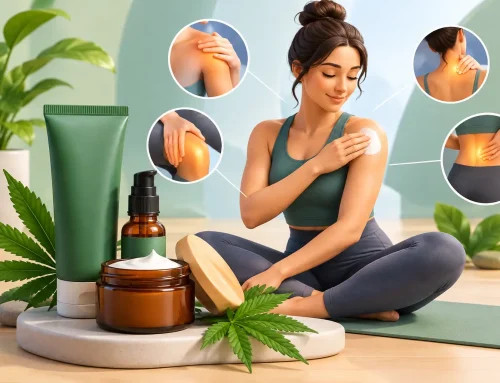
If discomfort is localized – such as sore knees, shoulders, hands, or lower back – topical products can be a practical option. Creams, salves, and roll-ons are often used for support exactly where the body feels tense or irritated.
This is one reason many people add CBD topicals to their routine. A clean, THC-free topical may fit well for adults who want targeted daily support without intoxicating effects. Product quality matters here. Look for clear labeling, independent lab testing, clean ingredients, and a formula designed for consistent use rather than hype.
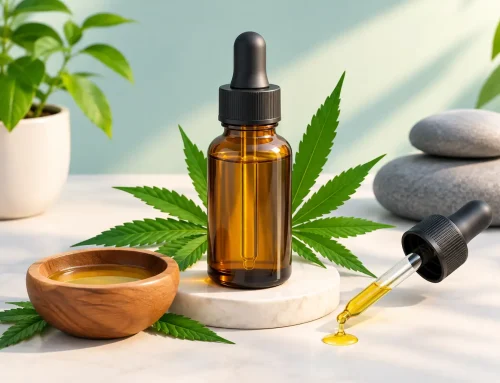
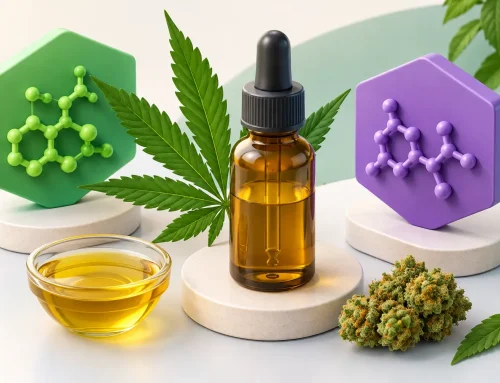
For people who prefer broader, whole-body support, some also use THC-free CBD oils or gummies as part of a daily wellness routine. Results vary from person to person, and CBD is not a cure for underlying disease, but many adults find it useful for helping them stay more comfortable and balanced over time. Brands such as CBD Health Collection focus on that trust factor by emphasizing no detectable THC, transparent testing, and straightforward product guidance.
Weight, blood sugar, and daily inflammation
This topic is not always comfortable, but it matters. Carrying excess weight can increase stress on joints, especially knees, hips, feet, and lower back. Blood sugar swings can also affect energy, cravings, and inflammatory patterns.
That does not mean pain is solved by a number on a scale. It means metabolic health and inflammation are connected. Even modest changes in activity, food quality, and sleep can improve how the body feels, sometimes before major weight loss happens.
When supplements may help
Some people explore fish oil, turmeric, magnesium, ginger, or other supplements for inflammation and pain support. There is promising evidence in some cases, but quality and dosing vary widely. Supplements can also interact with medications, including blood thinners and other common prescriptions.
That is why it is smart to keep expectations realistic and talk with a healthcare professional if you are managing a condition or taking regular medication. Natural does not always mean risk-free.
What decreases inflammation and pain in everyday life?
Usually, it is the repeatable habits that win. A body that sleeps better, moves regularly, eats more whole foods, manages stress, and uses targeted support when needed is often in a better position to calm irritation before it becomes a bigger cycle.
That also means avoiding the trap of overcorrecting. Extreme exercise plans, highly restrictive diets, and random supplement stacks tend to create more confusion than relief. A clear, steady routine is easier to trust and easier to keep.
If you are trying to build one, start small. Improve one meal a day. Walk for ten minutes after dinner. Create a better bedtime. Use a targeted topical for a problem area. Notice patterns instead of guessing.
Pain and inflammation are personal. What helps one person quickly may take longer for another, and some pain needs medical treatment, not just lifestyle support. But if you are looking for a practical path forward, the goal is not perfection. It is giving your body fewer reasons to stay irritated and more chances to recover well.
That is often where real relief begins.