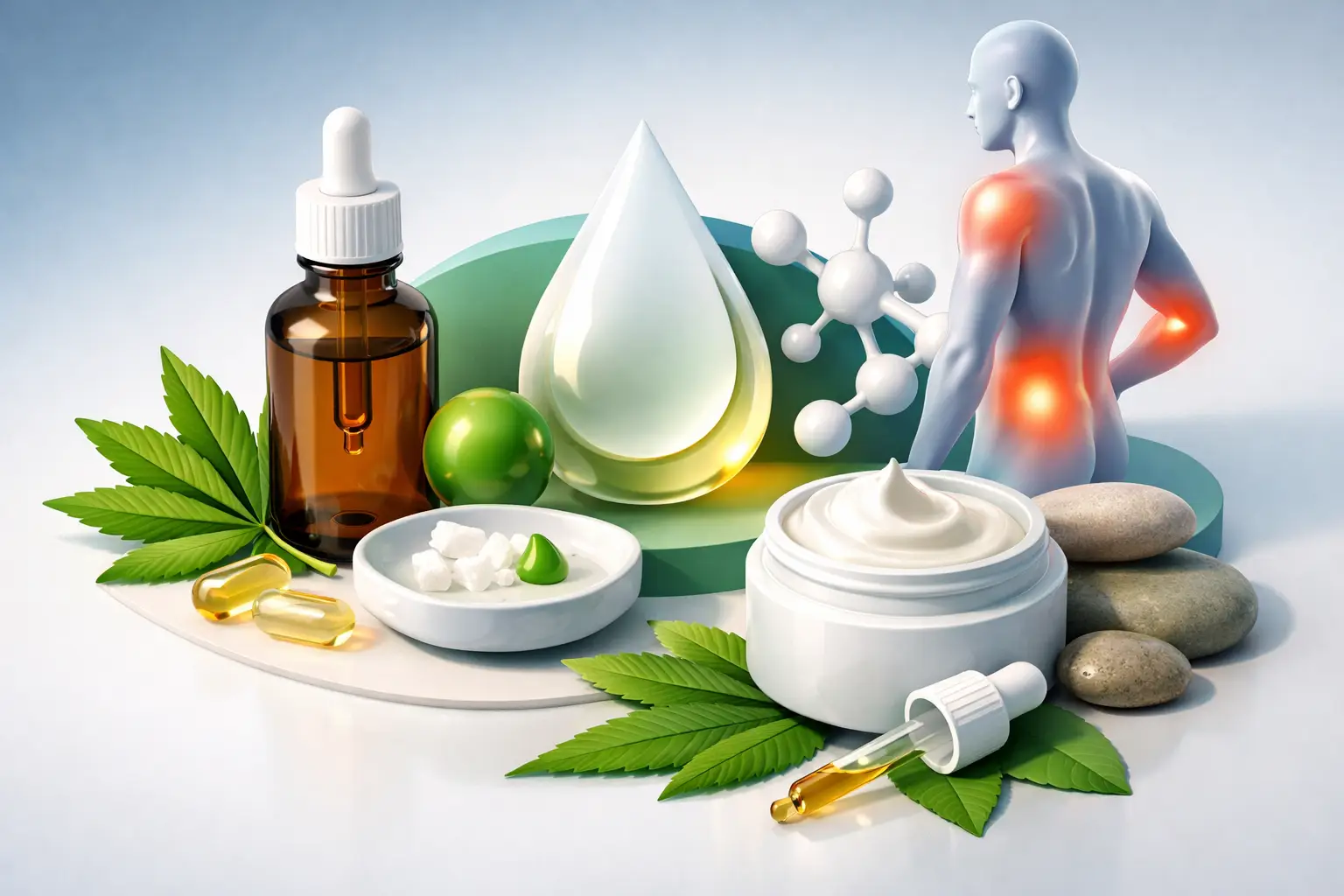
Some people are looking for pain support and know exactly what they do not want – THC, intoxication, failed drug screens, or guesswork. That is why interest in thc free cbd for pain keeps growing. It offers a way to explore CBD as part of a daily wellness routine while keeping the focus on clean ingredients, transparent testing, and peace of mind.
Pain is personal, and so is the way people choose to manage it. A sore lower back after yard work is different from stiff knees that flare up every morning. Nerve-related discomfort feels different from post-workout muscle tension. When people ask whether THC-free CBD can help, the honest answer is that it depends on the type of pain, the product format, the dose, and how consistently it is used.
How THC-free CBD for pain is different
The first distinction matters. CBD is one cannabinoid found in hemp, while THC is the cannabinoid associated with intoxicating effects. A THC-free product is designed to contain no detectable THC, which is especially important for people who want to avoid psychoactive effects or who are concerned about workplace policies, military compliance, or other personal standards.
That difference is not just technical. For many shoppers, it is the reason they feel comfortable trying CBD in the first place. Parents, caregivers, older adults, professionals, veterans, and first-time users often want support that fits into normal life without feeling altered or taking on unnecessary uncertainty.
At the same time, THC-free does not mean one-size-fits-all. Two products can both be THC-free and still work very differently based on concentration, ingredient quality, delivery format, and how the CBD is processed. That is why product selection matters as much as the ingredient itself.
What CBD may do for everyday discomfort
CBD is commonly used for discomfort tied to inflammation, muscle overuse, joint stiffness, and tension. Some people use it after exercise. Others use it for ongoing aches that make sleep, movement, or daily tasks harder than they should be. The goal is rarely dramatic. More often, people want to take the edge off, recover more comfortably, or make everyday movement easier.
There is also a practical reason CBD gets attention for pain support. It can fit into broader self-care habits without replacing them. Someone may use a topical on a sore shoulder while continuing stretching and physical therapy. Another person may use an oil in the evening to support a more comfortable wind-down routine. For many users, CBD works best as part of a pattern, not as a one-time fix.
That said, expectations should stay realistic. CBD is not a cure-all, and results can vary. Body chemistry, pain source, severity, and consistency all shape the experience. People who do well with THC-free CBD often give it a little time, use the right format for their needs, and pay attention to how their body responds.
Choosing the right product format
When shopping for THC-free CBD for pain, the format should match the kind of relief you want.
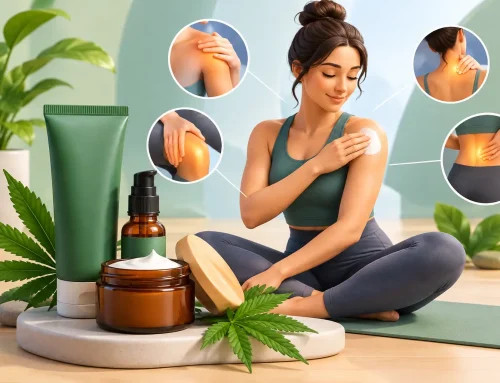
Topicals are often the most direct choice for localized discomfort. If the issue is in your hands, knees, neck, back, or shoulders, a cream, salve, or roll-on can be applied right where you feel it. Many people like topicals because they are simple, targeted, and easy to build into a daily routine. They can make the most sense for joint stiffness, post-workout soreness, and tension in a specific area.
CBD oils work differently. They are usually taken orally and are often chosen by people dealing with broader, ongoing discomfort rather than one isolated spot. Oils may be a better fit when pain is more widespread or when someone wants a more general daily wellness approach.
Gummies can appeal to people who value convenience and a pre-measured serving. They are easy to take and easy to remember, which helps with consistency. The trade-off is that they may not feel as targeted as a topical and may take longer to become part of your routine compared with applying relief directly where it is needed.
There is no single best format for everyone. Some people even combine methods, using a topical for immediate area-specific support and an oral option for broader daily balance. The right choice depends on where the discomfort is, when it shows up, and what feels sustainable for your schedule.
Why purity and testing matter more than marketing
Pain can make people vulnerable to bold promises, and the CBD market has no shortage of them. What matters more than flashy language is whether a product is clearly labeled, independently tested, and made with clean standards.
A trustworthy THC-free CBD product should come with third-party lab verification showing cannabinoid content and confirming no detectable THC. This is one of the clearest ways a brand demonstrates transparency. It helps customers know they are getting what the label says and not taking on unwanted exposure.
Extraction and sourcing matter too. CBD derived from organically grown hemp and processed without harsh chemicals gives shoppers more confidence in what they are putting on or in their bodies. A clean formula is especially important for people using CBD regularly, as well as those with sensitive skin or a preference for simpler wellness products.
Delivery method can also influence the experience. Water-based CBD formats are often chosen for their potential to improve absorption compared with more traditional oil-heavy systems. That does not guarantee identical results for everyone, but it is a meaningful product detail and one worth paying attention to when comparing options.
How to use THC-free CBD for pain realistically
Start with the reason you are using it. If the pain is localized, begin with a topical. Apply it consistently to the area that bothers you most and give yourself a chance to notice patterns over several days. If the discomfort is more general or part of a daily issue, an oil or gummy may be easier to use on a regular schedule.
Consistency matters more than many people expect. Some users try CBD once or twice and decide too quickly that it did nothing. For everyday discomfort, it can be more useful to track how you feel over time. Ask yourself whether mornings feel easier, whether recovery improves, or whether you are moving with less hesitation.
Dosing also deserves patience. More is not always better. Starting with a moderate serving and adjusting gradually often makes more sense than jumping to a high amount right away. With topicals, that means applying enough to cover the area and reapplying based on the product directions and your response.
If you take medications or have a medical condition, it is wise to speak with a healthcare professional before starting CBD. That is not meant to create friction. It is a sensible step, especially for older adults, people managing chronic conditions, and anyone building CBD into an existing care plan.
Who often looks for THC-free options
The audience for THC-free CBD is broader than many people assume. It includes first-time users who want a simple place to start, but it also includes experienced CBD customers who have become more selective about purity and compliance.
People with active jobs may want support for sore muscles without worrying about feeling impaired. Older adults may prefer a non-intoxicating option that fits alongside other wellness habits. Caregivers often want a cleaner, clearer purchasing decision when choosing for a loved one. Veterans and active-duty families may be especially focused on transparency, testing, and avoiding THC exposure altogether.
Those concerns are not small. They are practical. When a brand makes safety and testing easy to verify, it removes a major barrier to trying CBD with confidence.
What to look for before you buy
A good product should make key information easy to find. You should be able to confirm that it is THC-free, see evidence of independent lab testing, and understand what type of support the formula is designed for. Clear serving guidance, straightforward ingredient lists, and clean processing standards are all good signs.
It also helps when a brand makes selection simpler instead of more confusing. CBD Health Collection takes that approach by focusing on targeted use cases and straightforward product guidance rather than overwhelming shoppers with jargon. For customers dealing with pain, that kind of clarity can make the difference between trying CBD with confidence and giving up before they start.
The best THC-free CBD for pain is not just the strongest product on the page. It is the one that matches your type of discomfort, fits your routine, and gives you confidence in what you are using. When purity, consistency, and transparency are in place, CBD becomes a practical wellness tool instead of a gamble.
If pain has been wearing you down, start simple, stay consistent, and choose products that make trust easy. Relief does not have to come with THC, confusion, or compromise.