A CBD label can make a product look simple: a milligram amount, a flavor, and a wellness benefit. The real proof sits behind that label. CBD product testing gives you a clear way to check whether a product contains the cannabinoids it claims, whether THC is detectable, and whether the formula has been screened for contaminants that do not belong in a daily wellness routine.
For someone choosing CBD for sleep, discomfort, stress, or a pet’s everyday comfort, this is more than fine print. Testing helps replace guesswork with facts. It is one of the strongest signs that a company takes product quality, compliance, and customer care seriously.
Why CBD Product Testing Matters
Hemp is a natural crop, and natural crops can vary. Growing conditions, harvesting practices, extraction methods, and formulation can all affect the final product. A reliable testing process verifies each batch rather than assuming that one result applies to every bottle, gummy, topical, or pet formula.
Independent laboratory testing also creates accountability. A brand can describe a product as THC-free, clean, or accurately dosed, but a current lab report provides evidence. For adults who want non-intoxicating CBD and want to avoid THC exposure, that evidence is especially valuable.
Testing matters for another practical reason: CBD is not a one-size-fits-all purchase. Someone using a topical for occasional soreness has different needs from someone using an oil as part of an evening routine. Whatever the format, you deserve to know what is in it and what has been checked before you bring it into your home.
Start With the Certificate of Analysis
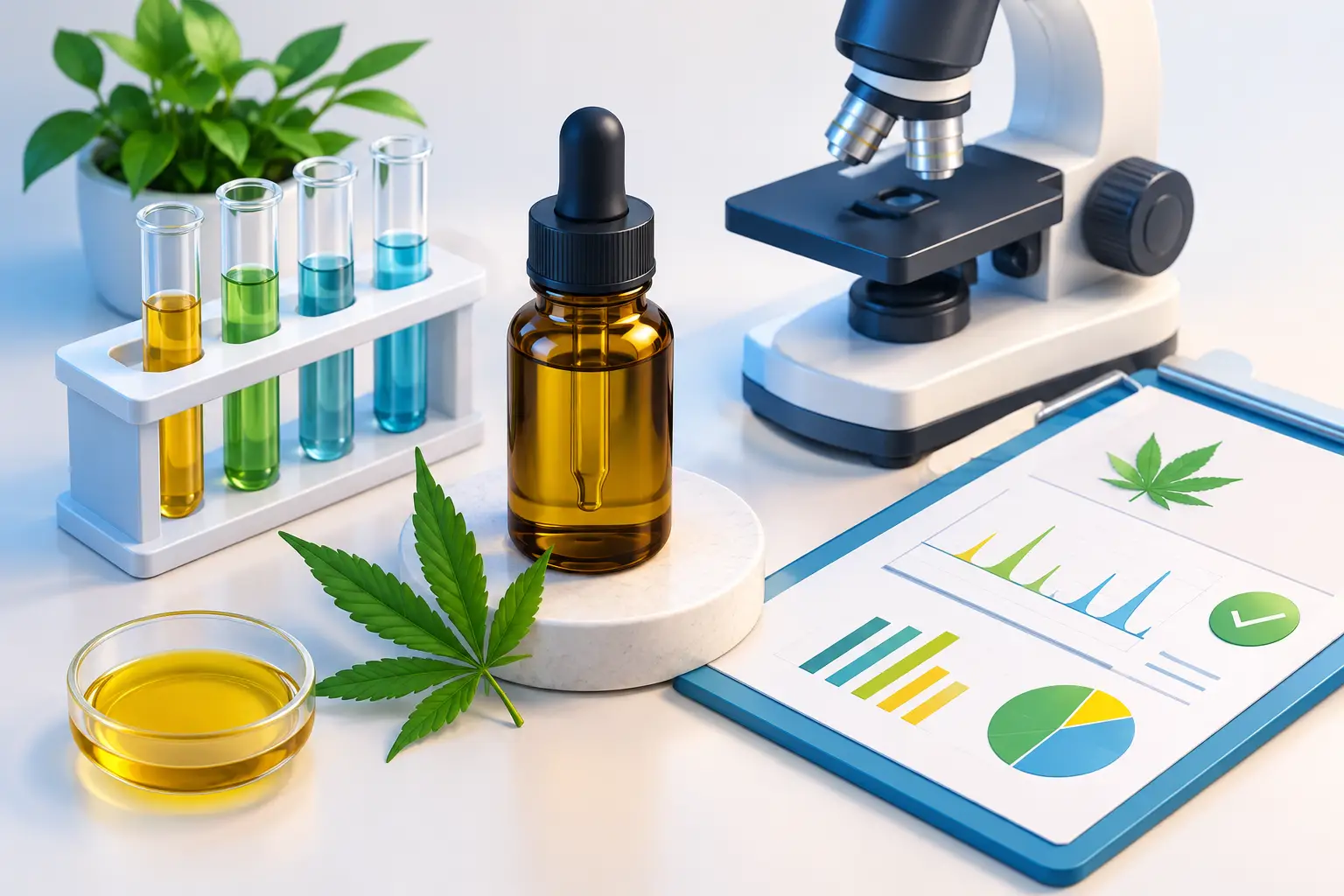
A Certificate of Analysis, often called a COA, is a report created by a laboratory after it tests a product sample. It should be easy to find and straightforward to read. A QR code on the package can be helpful, but the report itself should contain enough information for you to confirm it matches the item in your hand.
First, look for the product name, batch or lot number, and test date. The batch number on the COA should match the batch number on the package whenever possible. This connection matters because testing is meaningful only when the report applies to the actual product being sold.
The test date deserves attention, too. CBD products do not need to be tested yesterday to be credible, but an old report that does not match a current batch offers less reassurance. Companies that prioritize consistency generally test production batches on an ongoing basis.
You should also be able to identify the lab that performed the analysis. Third-party testing means the laboratory is independent from the company selling the CBD. This separation helps reduce conflicts of interest and gives customers a more objective source of information.
What the Cannabinoid Results Should Show
The cannabinoid section of a COA measures compounds such as CBD and THC. It is where you can compare the product’s stated CBD amount with the laboratory’s findings.
Results may be shown in milligrams per serving, milligrams per package, milligrams per gram, or percentages. The format can look technical, but the main question is simple: does the reported CBD amount reasonably support what the label promises? Small variations can occur in natural products and analytical testing. A major mismatch is a reason to ask questions or choose another product.
For THC-free shoppers, the THC result is just as significant. Terms such as “not detected” or “ND” generally mean the compound was not found above the laboratory’s detection threshold. That is not identical to proving that absolutely zero THC molecules exist. It means the lab did not detect THC at the stated testing level.
This distinction is worth understanding. If avoiding detectable THC is your priority, choose products with current reports that clearly show non-detectable THC results. Do not rely on front-label language alone. This is particularly relevant for people with workplace drug testing concerns, military service requirements, personal sensitivity to THC, or a preference for a non-intoxicating CBD routine.
Contaminant Screening Is Not Optional
Potency testing tells you how much CBD is present. Contaminant testing tells you what else may be present. A thorough COA should address the risks that can enter a hemp product through cultivation, extraction, processing, or manufacturing.
The most useful reports commonly include screening for pesticides, heavy metals, residual solvents, and microbial contaminants. Depending on the product type and lab methods, the report may also cover mycotoxins or foreign matter.
Pesticide testing matters because hemp plants can absorb compounds from the environment. Heavy-metal testing checks for substances such as lead, arsenic, cadmium, and mercury, which can be present in soil or introduced through processing. Microbial screening looks for concerns such as yeast, mold, and harmful bacteria. Residual solvent testing is particularly relevant when extraction methods use chemical solvents.
A pass or fail result is easy to scan, but it is still wise to look at what was tested. A report with cannabinoid potency alone is not the same as a full safety panel. For products intended for frequent use, including oils, gummies, and pet formulations, broad contaminant screening offers a stronger level of confidence.
Extraction and Ingredients Still Matter
A clean COA is essential, but it is one part of the quality picture. The way CBD is sourced and formulated also affects what you are buying.
CO2 extraction is widely valued because it can separate CBD from hemp without relying on harsh chemical solvents. When paired with carefully grown hemp and third-party lab verification, it supports a cleaner path from plant to finished formula. A formula’s other ingredients deserve the same attention, especially for people managing sensitivities or selecting a product for a pet.
Read the ingredient label alongside the COA. A lab report can verify cannabinoid and contaminant results, while the label explains the carrier oils, flavors, sweeteners, botanical ingredients, or topical bases that make up the rest of the product. Both documents should be clear and consistent.
For pet CBD, avoid assuming that a human formula is automatically the right choice. Pets have different needs, different serving considerations, and a lower tolerance for certain ingredients. A product made specifically for pets, with clearly stated cannabinoid content and accessible testing, gives pet owners a more responsible starting point. It is also wise to speak with a veterinarian before adding CBD to a pet’s routine, particularly if the animal takes medication or has a health condition.
Questions to Ask Before You Buy
When comparing CBD products, a few direct questions can quickly reveal whether a company is transparent. Can you access a current COA without contacting customer service? Does the batch number match? Does the report show CBD potency, non-detectable THC when that is claimed, and a meaningful contaminant panel?
It also helps to ask whether the reported serving size makes practical sense for your goals. A product may list an impressive CBD total per container but provide only a modest amount per serving. Neither is automatically good or bad. The right amount depends on the product format, your experience with CBD, and the routine you plan to follow.
Be cautious with products that promise to diagnose, treat, cure, or prevent a disease. Responsible CBD brands focus on clear product information and realistic wellness support, not medical guarantees. If you take prescription medication, are pregnant or nursing, or have a medical condition, consult a qualified healthcare professional before using CBD.
CBD Health Collection emphasizes third-party testing and no detectable THC because customers should not have to choose between everyday support and clear information about what they are using. The best CBD purchase is not the one with the loudest claims. It is the one that gives you understandable proof, consistent quality, and the confidence to make a choice that fits your routine.