A CBD label can make big promises in very small print. For adults seeking steadier sleep, less everyday tension, comfort after activity, or simple support for a balanced routine, organic CBD for wellness should mean more than a leaf on the package. It should give you a clear answer to practical questions: What is in it? How was it made? Has it been tested? And does it fit your life without THC exposure?
Why Organic CBD for Wellness Is a Quality Question
CBD begins with hemp, and the way hemp is grown matters. Hemp is known as a bioaccumulator, meaning it can take in compounds from the soil where it is cultivated. When a product is made from organically grown hemp, the goal is to reduce exposure to certain synthetic pesticides, herbicides, and chemical fertilizers from the start.
That matters to people who use CBD regularly. A wellness product is not just something you try once. It may become part of an evening wind-down, a post-workout routine, a stressful workday, or a daily plan for managing common discomfort. Cleaner cultivation helps create a more thoughtful foundation for that routine.
Still, the word “organic” deserves a closer look. A brand may use hemp grown with organic practices, while a formal organic certification can apply differently depending on the ingredient, farm, and finished product. Rather than relying on one front-label claim, look at the full picture: sourcing details, ingredient transparency, extraction method, and current independent lab results.
Quality is built through each of those steps. Organic cultivation is valuable, but it is not a substitute for testing or careful manufacturing.
What a Clean CBD Process Looks Like
After hemp is harvested, CBD must be separated from the plant material. CO2 extraction is widely valued because it can extract cannabinoids without relying on harsh chemical solvents. When handled properly, it gives manufacturers greater control over the process and supports a clean finished formula.
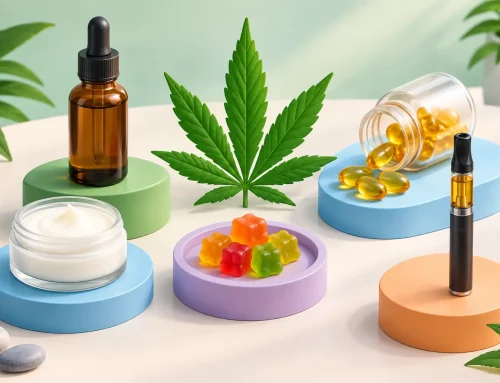
The next question is formulation. CBD can be delivered in oils, gummies, capsules, topicals, and other formats. The right choice depends on the outcome you want and how you prefer to use it. A topical may make sense for a specific area after physical activity, while an oil or gummy may better suit whole-body daily wellness or a nighttime routine.
Some people also prefer water-based CBD formulas. Because CBD is naturally oil-soluble, water-based delivery systems are designed to disperse CBD differently than traditional oil-based products. Bioavailability can vary by formulation and by person, but this format may be a practical option for customers who want an easy-to-use product without a heavy oil texture.
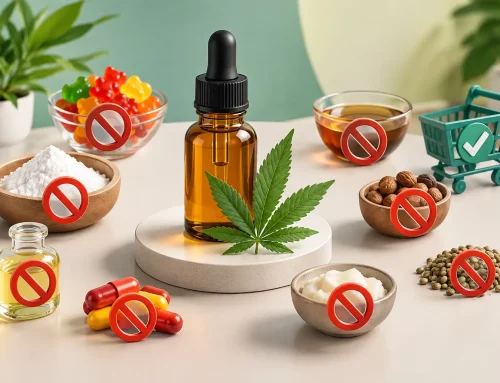
Clean processing also means avoiding unnecessary ingredients. Read the Supplement Facts or product label closely. A short, understandable ingredient list is often easier to evaluate than a formula filled with artificial colors, excessive sweeteners, or ingredients that do not serve the product’s purpose.
THC-Free Means Looking Beyond the Marketing
Many adults want CBD without the intoxicating effects associated with THC. That is especially true for caregivers, professionals, active-duty service members, veterans, and anyone who simply wants to avoid THC in their wellness products.
Broad-spectrum CBD and CBD isolate are common options for THC-conscious shoppers. Broad-spectrum formulas may contain multiple hemp-derived compounds while removing THC. CBD isolate contains CBD that has been separated from other cannabinoids and plant compounds. Neither format is automatically better. It depends on your preferences, sensitivity to ingredients, and comfort level with the formula.
The most useful reassurance comes from a current certificate of analysis, often called a COA, from an independent laboratory. A reliable report should verify the CBD amount and show results for THC. It should also screen for contaminants that may include pesticides, heavy metals, residual solvents, and microbial impurities.
If avoiding THC is a priority, choose a product specifically labeled THC-free or with no detectable THC, then review the associated test results. No product can promise what will happen on an employment drug test for every individual or every testing method. If drug testing is a concern, speak with your employer or testing provider and consider discussing CBD use with a qualified healthcare professional.
How to Choose the Right Product for Your Routine
Start with the need you are trying to support, not the most popular product format. CBD works best as a considered part of a wellness routine, not as a one-size-fits-all solution.
For a targeted area, a topical such as a cream, salve, or roll-on may be the most direct choice. Apply it as directed to clean, intact skin and give yourself time to notice how it feels in your routine. Topicals are often appealing to people who do not want to take CBD orally.
For general daily balance, oils and gummies offer different experiences. An oil can be adjusted more precisely by serving size and may suit someone who wants flexibility. Gummies are convenient, pre-portioned, and easy to take consistently, though they can contain added ingredients such as sugar or flavoring. Review those details if you have dietary preferences.
For sleep support, consistency matters more than chasing an immediate result. Consider a product that fits naturally into your evening habits, and pay attention to the basics that influence rest: caffeine timing, screen use, room temperature, and a predictable bedtime. CBD is not a replacement for professional care when sleep problems are ongoing or severe.
Pet CBD deserves its own approach. Animals should not be given human CBD products unless a veterinarian specifically advises it. Look for pet-focused formulas with clear serving guidance, simple ingredients, and third-party testing. Your veterinarian can help you consider your pet’s size, health history, and current medications.
Use CBD Thoughtfully, Especially at First
The best serving size is personal. Body chemistry, product format, the concentration of CBD, and your intended use can all affect your experience. A lower starting serving gives you room to assess how you feel before increasing gradually according to the product directions.
Keep a simple note for the first week or two. Record the product, amount, time of day, and what you notice. This is more useful than changing several variables at once. If you switch from a gummy to an oil, or from an occasional topical to a daily oral product, give the new routine a fair and consistent trial.
CBD can interact with some medications. Before using it, speak with your doctor or pharmacist if you take prescription medication, have a medical condition, are pregnant or nursing, or are preparing for surgery. This is a sensible safety step, not a reason to feel discouraged about asking questions.
You should also be cautious with products that promise to cure conditions, replace treatment, or work identically for everyone. Responsible CBD brands focus on transparent ingredients, verified potency, and realistic guidance. Wellness support should feel clear and credible, not confusing or exaggerated.
Questions Worth Asking Before You Buy
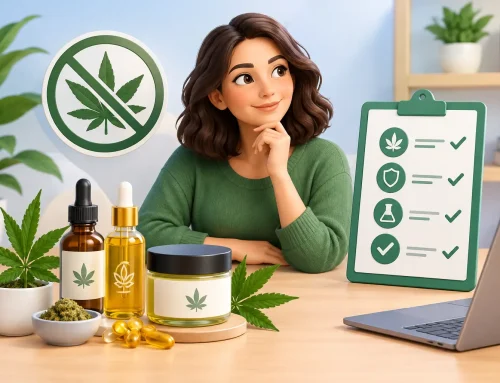
Before choosing an organic CBD product, make sure you can answer a few basics. Where was the hemp grown? Is the product made with CO2 extraction or another clearly explained method? Can you review recent third-party lab results? Does the label clearly state the CBD amount per serving and the full ingredient list? And if THC avoidance matters to you, does the testing confirm no detectable THC?
Customer service matters here, too. A trustworthy company should make it easier to understand product formats, serving guidance, and testing information. First-time users should not have to decode vague labels, and experienced users should not have to settle for inconsistent quality.
CBD Health Collection focuses on THC-free CBD, organic cultivation, independent lab testing, and practical product options for everyday use. Those standards are useful because they address the questions that matter before a product ever reaches your routine.
The right product is the one you can understand, use consistently, and feel comfortable keeping on your shelf. Start with clean sourcing and clear testing, choose a format that fits the moment you want support, and give your wellness routine the same care you give the rest of your health decisions.